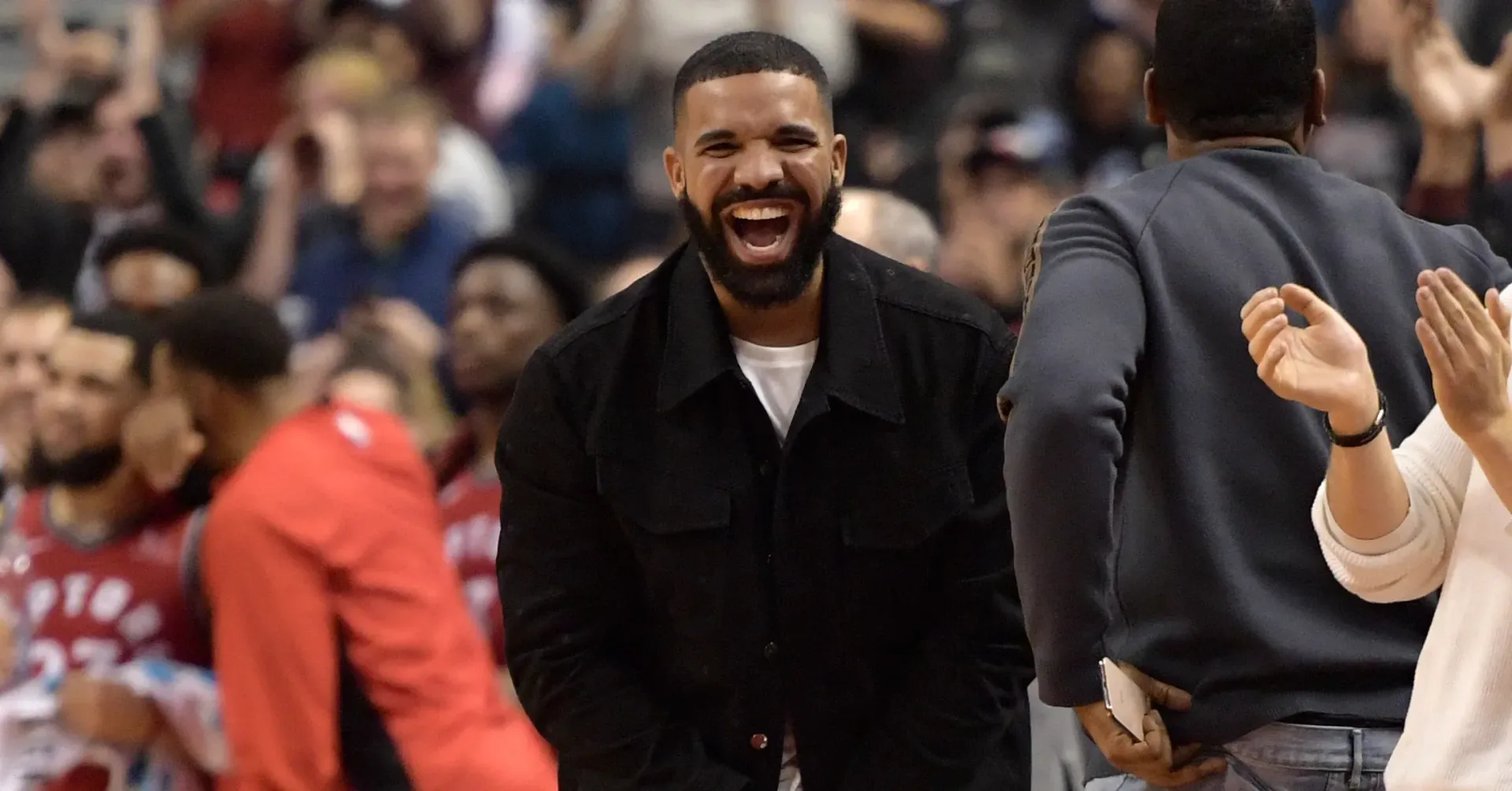

Future’s “Ya Hit” now has a music video built around the scale implied by its credits. Drake, Travis Scott, Loe Shimmy and Sexyy Red join Future in the visual, which leans into high-energy group scenes, beautiful cars and an unabashedly extravagant atmosphere.
That direct, celebratory presentation is notable because the conversation around the record itself has not been universally celebratory. “Ya Hit” arrived with an unusually stacked set of names, and that kind of lineup carries immediate expectations: listeners do not just assess whether the song works; they assess whether every participant made the most of an event-sized opportunity.
Some listeners have argued that the record ought to have delivered more given the personnel involved. A related criticism is that the established stars’ verses do not rise to the occasion. But the reaction has not treated each contribution the same way. Loe Shimmy’s hook has drawn praise, while Sexyy Red’s smaller role has largely spared her from the verse-by-verse debate because she contributes ad-libs rather than a full verse.
The new video does not settle an argument about the record’s writing or performance choices—and a video is not designed to do that. What it does do is give the track a clear visual identity: a gathering of major rap figures enjoying the spectacle of being together on one song.
A visual answer to an all-star record
“Star-studded” is often shorthand for a long guest list. Here, it is also the central visual premise. Future, Drake, Travis Scott, Loe Shimmy and Sexyy Red are all part of the video’s stated appeal, with the cars and flex-heavy mood reinforcing the scale of the collaboration.
In music-video language, flexing generally means presenting status, success or luxury as part of the image: expensive vehicles, confident poses, prominent artists sharing the frame and an atmosphere of access. It is a style with a practical purpose. It turns a track’s credits into a scene viewers can recognize instantly, even before they decide where they land on the song.
That approach makes particular sense for “Ya Hit.” When several well-known performers appear on a single release, the draw is partly musical and partly communal. Fans want the handoffs between artists, but they also want evidence of the collaboration as a moment. The visual gives that moment a physical form rather than leaving it solely in the track’s runtime.
There is also a distinction worth keeping clear: a polished video can strengthen a single’s profile without changing the reasons some listeners remain unconvinced by it. The discussion around “Ya Hit” has focused on whether the song makes full use of its superstar contributors. The video instead foregrounds the cast’s shared energy and luxury-minded presentation. Those are adjacent ideas, not interchangeable ones.
Why the reaction is divided
Collaborations with this level of name recognition invite a particular kind of scrutiny. Listeners approach them with imagined possibilities already in mind: a standout hook, memorable verses from every marquee name, a dramatic change in momentum and a sense that no one could be removed without weakening the final version. That is a difficult standard, especially when the song distributes roles unevenly.
“Ya Hit” is a good example of how a listener can like one part of a track while questioning another. Loe Shimmy has received positive attention for the hook, which is significant because a hook is the recurring, most immediately memorable vocal section of a song. It supplies repetition and structure, helping a collaborative record feel unified even as different voices take turns.
Sexyy Red’s ad-libs serve a different function. Ad-libs are short vocal interjections placed around lead lines or sections. They can add personality, rhythm, emphasis and momentum without operating as a full written verse. Because her contribution is framed that way, the debate over whether the headlining performers delivered their strongest material does not attach to her in quite the same fashion.
The sharper criticism has been reserved for Future, Drake and Travis Scott, precisely because their names make audiences expect central performances. That response is not a measurable verdict on the record; it is a reflection of expectation. The more celebrated and recognizable an artist is, the less likely a routine contribution is to be received as routine. For many listeners, a high-profile feature list is a promise of a high-profile result.
Future, Drake and Travis Scott are especially familiar with that dynamic. Their presence raises the visibility of a release immediately, but it also raises the bar by which that release will be judged. Attention is both the advantage and the cost of occupying that position.
The video’s role in the conversation
Music videos often serve several functions at once. They can extend a song’s life, create images that circulate separately from the audio and give a project a more deliberate sense of occasion. With “Ya Hit,” the video’s energetic, luxury-focused imagery appears designed to maximize the collaboration’s spectacle rather than explain or reinterpret the track.
That is not necessarily a response to criticism, nor is there evidence that it was made as one. It is simply the most natural fit for a record assembled from recognizable voices: put the contributors together, make the visuals large enough to match their public profiles and let the chemistry of the occasion carry the presentation.
For people who already enjoyed “Ya Hit,” that may be the appealing part—the visual doubles down on the song’s larger-than-life setup. For those who wanted more from the musical performances, it provides a different dimension to consider without resolving the underlying complaint. The cars, the collective presence and the visible good time are all part of the pitch; they are not substitutes for the verses listeners expected.
The release also lands amid a broader question surrounding Future’s next move. A project called Infinity has been discussed as a possible forthcoming Future album, though its details and timing remain uncertain. That uncertainty matters. It would be premature to treat “Ya Hit” as a definitive statement of what that project will be, or even to assume it establishes the full direction of Future’s next phase.
Discussion of Future’s recent work has included the view from some fans that The Real Me felt rushed and that its intended artistic direction was not fully clear. Whether that perception proves durable is another matter, but it explains why a track like “Ya Hit” is being evaluated as more than a standalone collaboration. For part of the audience, it becomes evidence—fairly or unfairly—in a larger argument about where Future’s music is heading.
What comes next for Future and “Ya Hit”
The fairest reading is that the video makes the most of what can be established about “Ya Hit” right now. It is a lavish clip for a song with a major cast. It presents Future, Drake, Travis Scott, Loe Shimmy and Sexyy Red in a format built for energy, camaraderie and display. It also arrives while listeners remain split about how completely the recording itself fulfills the promise of that lineup.
That tension is likely to persist because the two sides of the conversation are evaluating different things. One side sees a high-powered cultural moment, amplified by faces, vehicles and confidence. The other wants a more forceful musical case from a collection of artists capable of setting very high expectations. Both reactions can coexist, and the video gives the former a vivid new showcase.
Anyone looking for more of the discussion surrounding the single can also read the debate over whether “Ya Hit” was the right single choice. As for Infinity, the available information supports interest, not certainty. Until Future provides firmer details, the video stands as a flashy chapter in the rollout conversation rather than a reliable blueprint for an unreleased album.