
One million first-day streams would be a meaningful number for many releases. For a collaboration carrying the names Future, Drake, Travis Scott, Loe Shimmy and Sexyy Red, though, it has become the basis for a larger argument: does an enormous feature list guarantee that a track is the right record to lead with?
DJ Akademiks has offered a blunt answer while discussing Future’s new single, “Ya Hit.” His central criticism is not that the song is beyond saving, nor that Future has suddenly run out of viable material. Instead, he places the responsibility on record selection. In his view, Future put forward the wrong song at the wrong time, and the track’s reported one-million-stream opening day did not match expectations attached to a lineup of that size.
That distinction matters. It shifts the conversation away from a simple “good song” or “bad song” verdict and toward an issue that can shape a major album cycle: which track should be asked to introduce, represent or build momentum for a project?
The criticism is about strategy, not simply the song
Akademiks’ comments are more measured than the headline-level reaction might suggest. He said he still considers “Ya Hit” a good song, specifically crediting the artists involved. But he also argued that a good song is not automatically the optimal single.
In music-release terms, a single is more than a standalone song. It often functions as a project’s first clear statement to listeners: the track that needs to create curiosity, supply a memorable hook or moment, and keep attention focused long enough for a later album release to benefit. A track can work perfectly well within an album sequence while being less effective as the first or most prominent public-facing release.
That is essentially the case Akademiks makes here. His criticism is aimed at Future’s choice, rather than treating the guest performers as the only explanation for why the early streaming total landed below the extraordinary expectations that naturally follow three high-profile rap stars on the same record.
The feature roster also changes how the number is read. Listeners may arrive with different expectations when a record brings together Future, Drake and Travis Scott: perhaps a more immediate collaboration, an obvious standout verse, or a track designed to dominate conversation quickly. If the record’s sound, structure or performances do not align with those expectations, the lineup can magnify disappointment rather than eliminate it.
Why “Ran To Atlanta” is part of the debate
Akademiks contrasted “Ya Hit” with “Ran To Atlanta,” which he characterized as a successful release because Drake selected the right song. The comparison is not a technical measurement of the two records; it is an argument about curation.
Curation, in this context, means deciding which song gets the biggest early push from a body of available music. It involves more than identifying a personal favorite. The selected record has to make sense for the moment, for the audience being reached, and for the wider project it is meant to support. An artist can have multiple strong tracks and still choose one that fails to convert attention into repeated listening at the scale expected.
Akademiks’ claim is therefore a fairly specific one: Future may have better candidates available than “Ya Hit” to perform that job. Whether listeners agree is subjective, but the point does not require declaring the track a failure on artistic grounds. It suggests a mismatch between the song and the role it was given.
That is a useful separation for fans assessing the discourse. Criticism of a single’s rollout is not necessarily a prediction that its parent album will struggle. Likewise, an underwhelming opening for a high-profile collaboration does not prove that every artist on it has “fallen off.” It is a snapshot of a release’s opening response, filtered through unusually large expectations.
A feature-heavy track comes with a different pressure level
Features are often treated like a cheat code for reach, but they also raise the standard a release is expected to meet. Every added marquee name expands the potential audience, while simultaneously setting up listeners to compare the song with each guest’s strongest collaborations and solo records.
For “Ya Hit,” discussion has included criticism of verses from the record’s biggest stars. That response helps explain why Akademiks is not putting the full burden on the feature list itself. A collaborative record can have recognizable names, substantial attention and plenty of individual appeal, yet still fail to generate the immediate consensus that makes a song feel unavoidable.
The reported first-day total is important mainly because it provides a practical marker in this debate. First-day streams are not a complete artistic score, and they do not reveal how listeners will feel weeks later. They also cannot, on their own, say whether a track will find a longer life through playlists, performances, memes, fan edits or renewed interest around an album launch. But as an opening indicator, they are often used to gauge whether initial attention converted into plays at the level anticipated.
For a song built around a major collaboration, that anticipated level is exceptionally high. The gap between “a lot of streams” and “the huge moment audiences expected” is where the present criticism lives.
What this could mean for Infinity
The conversation arrives while Future is expected to release an album called Infinity. No release date has been provided. Akademiks nonetheless expressed confidence that Future will have plenty of hits on the eventual project.
That optimism is compatible with his criticism of “Ya Hit.” In fact, it reinforces it. If the album contains multiple potential hits, the decision over which song leads is even more consequential. The issue becomes not whether a strong record exists, but whether the release plan finds it and presents it in a way that creates the most momentum.
There is no need to pretend a single launch can settle an album’s prospects. A project can change its public narrative after release, especially once listeners can hear how songs work in context rather than in isolation. A song that initially seems like an imperfect introduction may become more appreciated as part of a larger sequence. Conversely, a highly anticipated collaboration may remain merely one component of a record rather than its defining attraction.
For now, the available facts are limited: “Ya Hit” joins Future with Drake, Travis Scott, Loe Shimmy and Sexyy Red; it reportedly reached one million streams on its first day; and Akademiks believes the selection decision, rather than the basic quality of the song, is the key error. Infinity has been named, but it does not have a stated release date.
The gaming connection is cultural, not evidence of a crossover
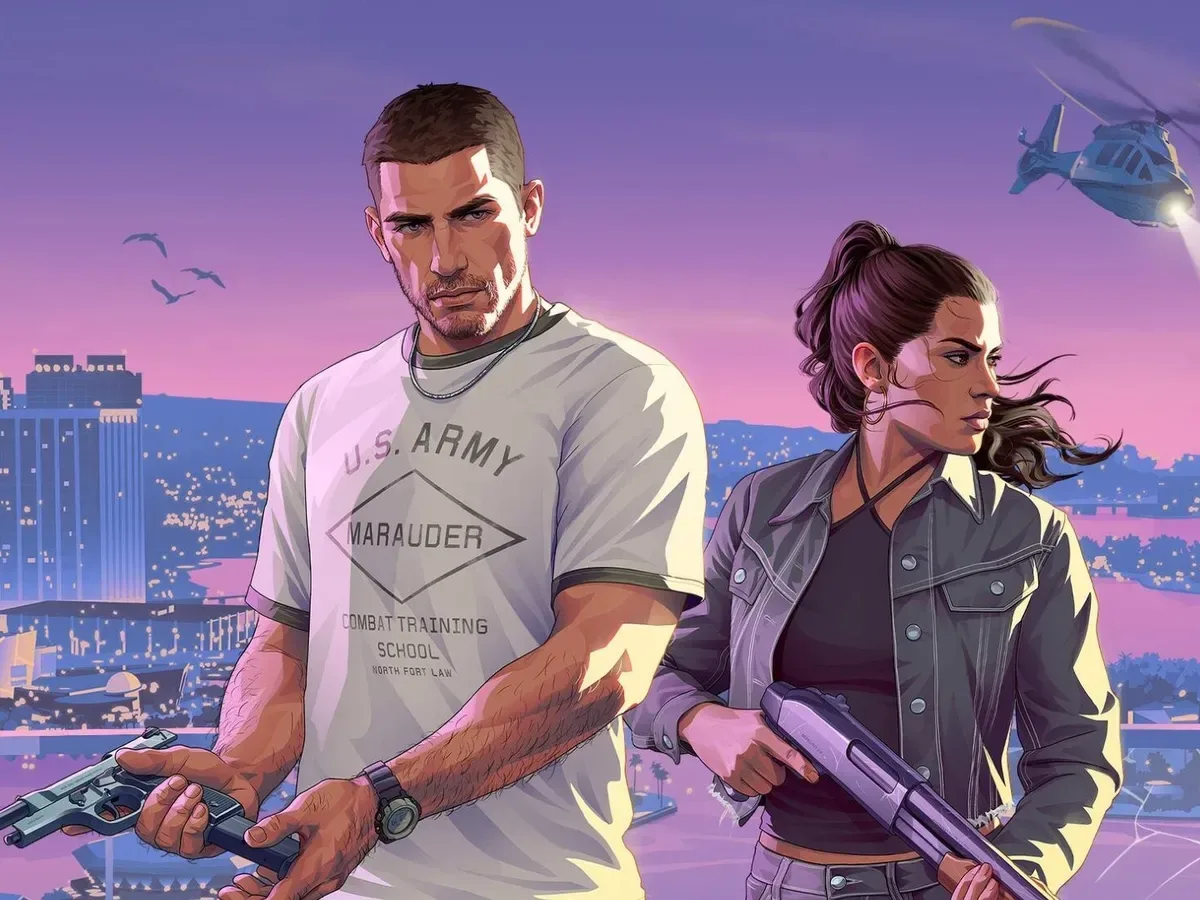
The source discussion also points toward hip-hop’s long-running presence in Grand Theft Auto. That connection should not be mistaken for evidence that Future, “Ya Hit,” or Infinity are tied to a particular game soundtrack. No such placement has been established here. It does, however, underline why music-rollout debates are not isolated from game culture: rap, streaming conversation and the worlds players inhabit frequently overlap in the broader entertainment conversation. For a wider look at that relationship, see the ongoing discussion around GTA 6 and its console expectations.
Ultimately, Akademiks’ take is a reminder that a release can be both listenable and strategically questionable. The next meaningful test will not be a single argument over first-day numbers, but whether Future’s eventual album campaign reveals a record that audiences embrace more immediately—and whether “Ya Hit” gains a different reputation once it is heard in the context of Infinity.