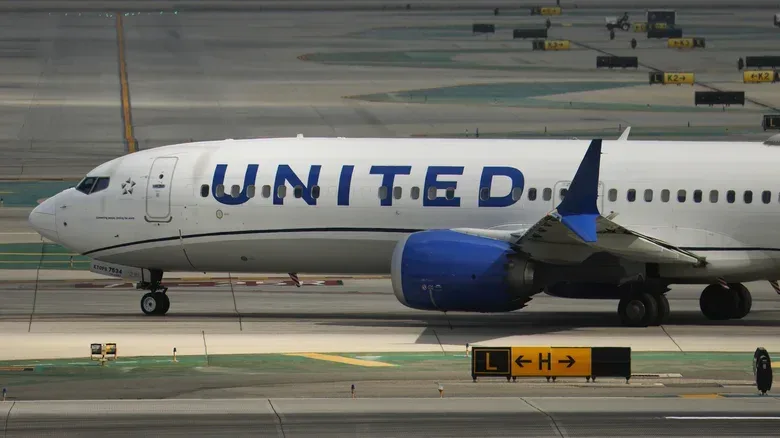
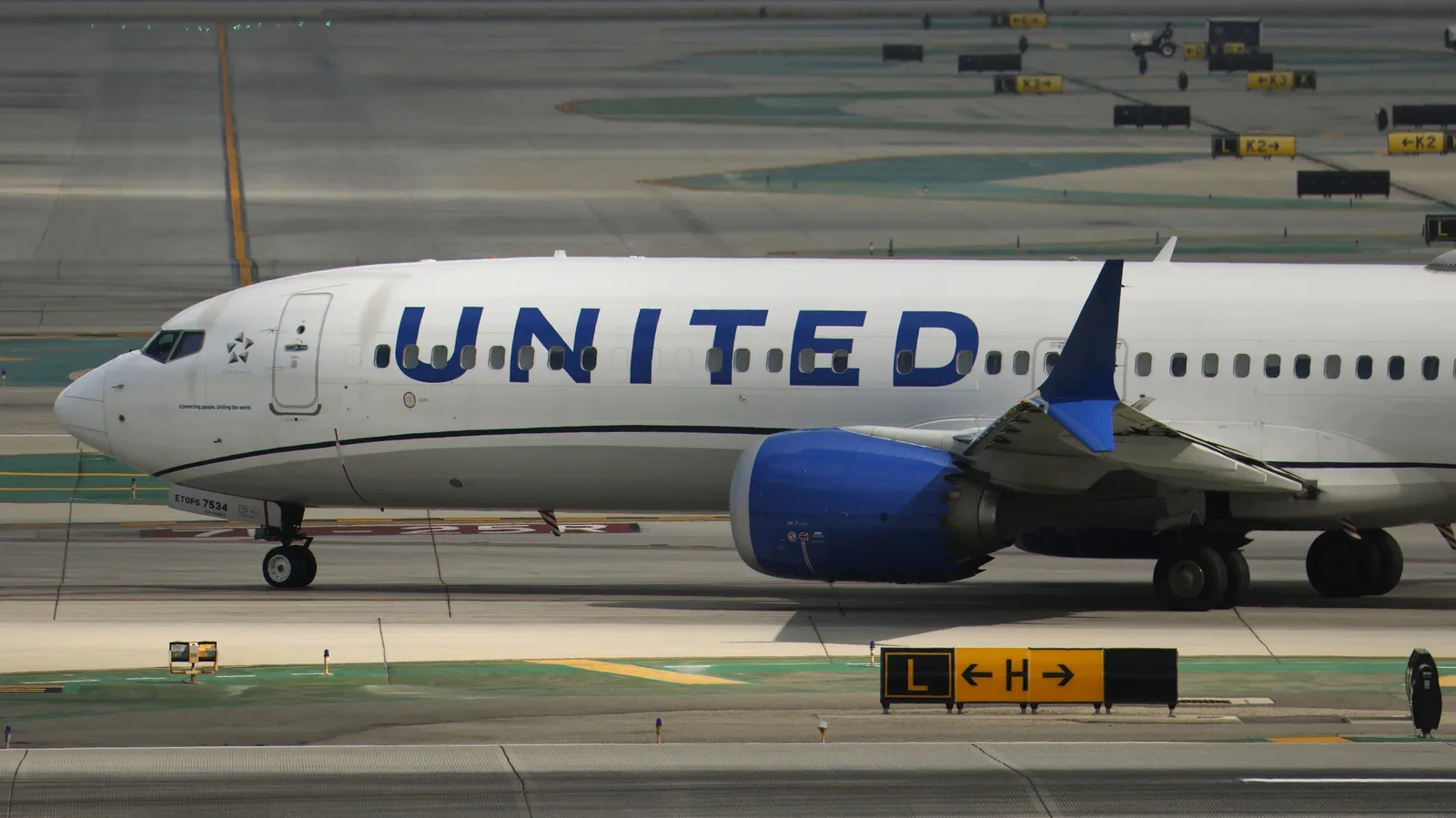
United Airlines says it has resolved a technology issue that delayed some departures on November 16, 2026. The carrier did not identify the cause of the problem, but drew clear boundaries around its known impact: flights already in progress were unaffected, as were United Express flights.
Earlier in the disruption, United had told passengers in replies on X that it was aware of a “widespread system outage.” A company spokesperson subsequently described the matter as a technology issue affecting departing flights and said there was no indication it was cybersecurity-related. United later confirmed that the issue had been resolved while acknowledging that it had delayed departures.
What United confirmed
The most important distinction in United’s statements is between aircraft that were waiting to leave and aircraft that had already departed. The airline said the problem affected departing flights, not flights in progress. That means the disruption was presented as a ground-side operational issue rather than an event affecting airborne service.
United also said United Express was not affected. United Express is the label used for flights operated under the United brand by regional partners; for travelers, that distinction can matter because an issue affecting the mainline carrier’s departing operations does not necessarily apply across every flight using the United name.
- Confirmed affected area: some United flight departures were delayed.
- Confirmed unaffected area: flights already in progress.
- Confirmed unaffected area: United Express operations.
- Security assessment: United said there was no indication the incident was related to cybersecurity.
- Resolution: United said it had fixed the technology issue, without providing a cause or technical breakdown.
Reports about weights and measures remain unconfirmed
Passenger posts during the disruption suggested that a computer system connected to weights and measures had gone down. That detail was not included in United’s later confirmation, so it should be treated as an unverified report rather than an established explanation for the delays.
The phrase “weights and measures” is significant in airline operations because it describes information used to account for the aircraft and what it carries. But the available information does not establish which particular system was involved, whether that passenger account was accurate, or how any reported outage led to the departing-flight delays. United’s final public description remained broad: a resolved technology issue.
That restraint matters. A technology outage can be a catch-all description, not a diagnosis. It does not tell travelers whether the problem originated in a single application, a communications link, a process used before departure, or another part of the airline’s operating stack. Without further detail from United, assigning a precise failure point would go beyond what has been confirmed.
Separate from the recent FAA ground stop
The airline issue appeared to be unrelated to the nationwide Federal Aviation Administration ground stop that occurred at the end of the previous week. One passenger said a pilot had made that distinction, and the available account characterized the two events as separate.
That difference is useful for interpreting the disruption. A nationwide FAA ground stop is an aviation-system event with potentially broad consequences across airlines. United’s incident, by contrast, was described as limited to the company’s own departing-flight operations, with no reported impact on United Express or flights already underway. The two may both create frustrating delays for travelers, but the available facts point to different scopes and different operational contexts.
What affected travelers can take from the update
United’s resolution statement indicates that the immediate technology problem was no longer active at the time of its update. It does not mean every delayed itinerary would instantly return to schedule. When departures are held, aircraft and crews can fall out of sequence, and the carrier’s statement specifically acknowledged that some flights had been delayed. The supplied information does not quantify those delays or say how many flights were affected.
For anyone whose trip was caught in the disruption, the practical takeaway is to distinguish between the outage itself and the individual status of a booking. The underlying issue may be resolved while an earlier delay still appears on a particular flight. Travelers should use their flight’s current status and direct airline communications rather than assuming that a broad resolution notice restores every schedule at once.
It is also worth separating confirmed information from live social updates. During fast-moving travel disruptions, passengers can receive different explanations from gate staff, crew members, airline support channels and fellow travelers. Those accounts can be useful signals of what people are experiencing, but they do not necessarily represent a final technical finding. In this case, United confirmed the departure delays and resolution, but did not publicly substantiate the reported weights-and-measures explanation.
Why the cybersecurity language matters
United’s statement that there was no indication of a cybersecurity-related issue is not the same as a detailed cause report. It is a narrow assessment of what the company did not see at that point. The airline did not say what produced the outage, whether it was an internal software problem, or whether further investigation would follow.
Still, the wording provides an important limit on speculation. A disruption to an airline system can prompt immediate questions about security, especially when it affects departures at scale. United’s public position was that there was no indication that cybersecurity was involved. Unless the company offers a later update with additional findings, the most accurate description remains a resolved, unspecified technology issue affecting departures.
The episode is also a reminder that travel plans depend on systems beyond the aircraft itself. An airliner may be ready to fly, but departure operations also rely on information and processes on the ground. When one of those components is unavailable, the result can be a delay even though aircraft already flying continue normally. The available facts support that broad distinction here, while leaving the precise technical reason undisclosed.
Keeping outage updates in perspective
For readers following technology failures, the incident offers a straightforward lesson in evidence: the early description of a “widespread system outage,” passenger reports, and a later corporate resolution notice each answer different questions. The first establishes that United recognized a broad problem. Passenger accounts offer possible clues about how it was being explained in the moment. The later statement establishes that United considered the issue resolved and defines the portions of its operations it said were unaffected.
What remains unknown is equally important. There is no stated root cause, no specified system name, no published count of delayed departures, and no stated timetable for any further explanation. Treating those gaps honestly is more useful than turning a limited operational update into a complete postmortem.
For another example of handling a device-side issue through official recovery steps rather than guesswork, see this guide on putting an iPad into recovery mode. Airline infrastructure is vastly different from a personal device, of course, but the same basic principle applies: identify what is confirmed, avoid overdiagnosing from symptoms, and wait for a verified resolution when the underlying system is not publicly detailed.