A would-be thief’s attempt to take a high-value trading-card binder from Middle Tennessee Gaming in Nashville ended almost immediately: the employee holding it simply did not let go.
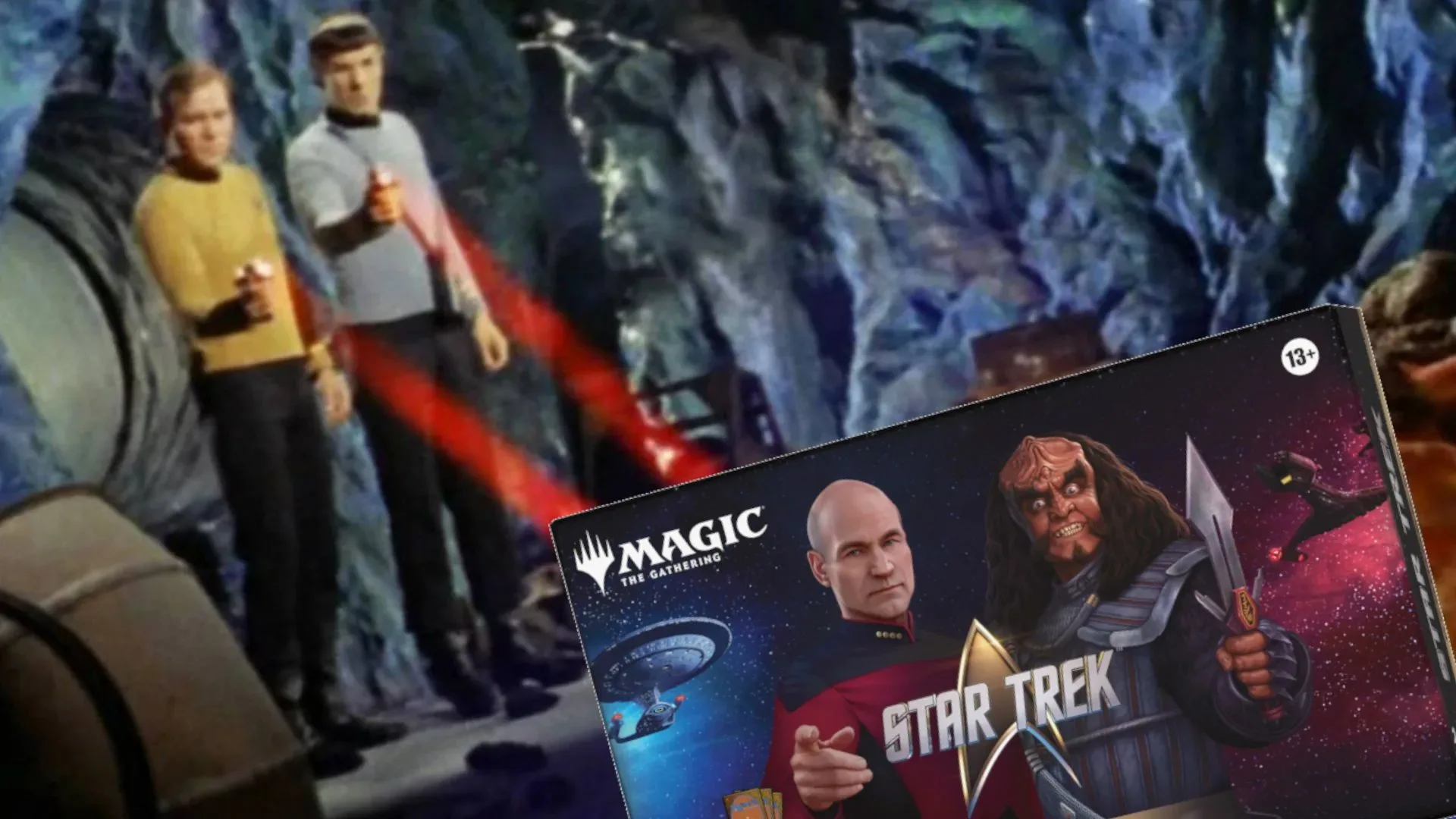
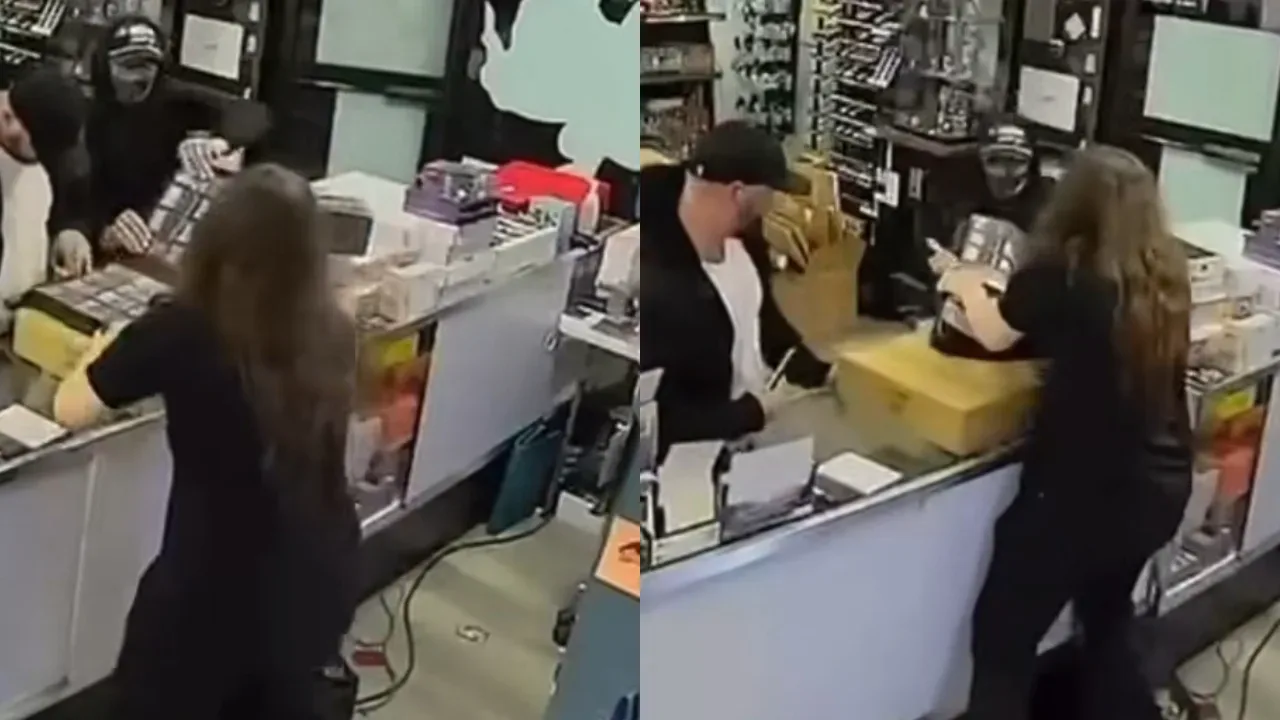
The incident occurred on November 8 during a prerelease event for Magic: The Gathering’s Star Trek collaboration. Store owner Jeff Podis estimated that the binder contained roughly $45,000 in cards. Video of the attempted theft shows an employee presenting the binder to a customer when a masked person in a cap reaches for it from the counter. The employee keeps hold of the binder, and after approximately four seconds of pulling, the person leaves while another individual pursues them out of the shop.
No one was reported hurt. The clip’s very brief, unsuccessful struggle is the part that has drawn attention, but the underlying situation is more serious than a chaotic few seconds on camera. A shop’s showcase binder can represent a substantial amount of stock, customer trust and staff responsibility all at once.
For the reported value, see coverage of the failed attempt to take the Star Trek card binder.
For more context, explore BOXROOM Reaches 1.0 With Local Game Metadata, Weather and Steam Workshop Browsing.
A simple grab met immediate resistance
The attempted theft appears to have had little visible sophistication. The person reportedly had visited the store earlier in the evening and did not seem familiar with the cards. Podis had spoken with them as part of an effort to make the shop welcoming to somebody who might have been a new player or collector.
That detail gives the incident an uncomfortable edge. Local game stores depend on people being able to browse, ask questions, trade and learn without being treated as suspects by default. A newcomer looking over a binder is ordinary behavior at a card event. Maintaining that openness is part of what makes an in-person prerelease more than a place to buy sealed product.
But the footage also shows why valuable inventory being handled in public creates a moment of vulnerability. The alleged thief did not need to break into a case or conceal an item while moving around the store. The attempted approach was simply to take an object already out of its secured position and hope to overpower or surprise the person holding it.
It did not work. The employee’s response was direct: retain control of the binder. With someone else nearby to chase the individual from the premises, the encounter ended before it escalated further.
Why a binder can carry so much value
To someone outside the trading-card scene, a binder can look like a folder of printed cardboard. In practice, it can be a compact display case for a large portion of a store’s premium singles inventory.
Singles are individual cards sold separately rather than as unopened booster packs or boxes. Stores commonly keep higher-value singles in binders, display cases or secured storage because collectors and players often want to inspect a card before buying it. Condition, scarcity and demand can all affect the value of a given card, and a binder may hold many cards rather than one headline piece.
That is why Podis’s estimate matters even with no itemized list of the binder’s contents available. The roughly $45,000 figure is an estimate supplied by the store owner, not a confirmed sale value for every card inside. Still, it illustrates the scale of what was at risk in a single attempted grab.
The setting also matters. Prerelease events bring players together around a new release and give stores a chance to build community around organized play. The reported target was a binder of cards from the Magic: The Gathering and Star Trek collaboration, which was being shown during that event. That visibility makes the product attractive to interested customers, while simultaneously requiring store workers to make quick judgments about how merchandise is handled.
The bigger cost is not limited to inventory
Podis said this was the fourth attempted robbery the business had faced in three months. He described the financial damage from incidents like this as substantial, but emphasized the demoralizing effect on a community trying to look after one another.
“When these thefts happen, [what’s worse] than the financial hurt, which is substantial, is the demoralizing feeling of people in this space,” Podis said.
That distinction is important. A store can put a price on missing inventory, even when replacing it is difficult. It is much harder to measure what changes when employees or regular customers begin wondering whether an unfamiliar face may be there to steal. The natural response is tighter handling of merchandise, more distance between staff and customers, and increased suspicion during ordinary conversations.
Those measures may be understandable, but they can conflict with the social purpose of a game shop. Trading-card communities thrive on access: players ask about formats, inspect cards, discuss deck choices and meet people who already know the scene. The account of the earlier conversation is a reminder that a welcoming atmosphere necessarily includes extending some initial trust.
The alleged attempt did not result in a loss or injury, and that is the best possible immediate outcome from the information available. Yet repeated incidents can leave a lasting effect even when each individual attempt fails. Staff have to carry the awareness that an item being shown across a counter may become a flashpoint in seconds.
What the footage does — and does not — show
The video’s central fact is straightforward: an individual tried to pull a binder away, the employee maintained their grip, and the individual retreated. It does not establish an elaborate plan, the full identity of the person involved, or the precise market value of each card in the binder.
It is tempting to turn the four-second struggle into a punchline because of its abrupt ending. There is certainly an element of absurdity in an alleged attempt to seize a binder while it is actively being shown by a store employee. But the more useful takeaway is how little time there is to react when an item is already in hand.
This is not a case for customers to confront suspected thieves or for employees to risk injury over merchandise. The reported encounter ended without anyone being hurt, which is significant. In a real-world theft situation, physical safety has to outweigh any collectible, no matter how impressive the estimated dollar amount may be.
Practical implications for card shops and collectors
The incident reinforces several basic realities of buying and selling higher-value cards in person:
- Value can be concentrated. One portable binder may contain inventory worth far more than its size suggests.
- Customer service and security overlap. Showing singles is a normal part of a card shop’s business, but it requires careful control of where valuable items are placed and who is handling them.
- Community damage has consequences. An attempted theft can make stores less comfortable places for employees, regulars and genuine newcomers alike, even when nothing is taken.
- Safety remains the priority. The failed grab ended quickly and without reported injuries; that outcome matters more than recovering or retaining a high-dollar item through a dangerous confrontation.
For collectors attending events, the situation is also a reminder to stay aware of personal property and to use a shop’s established process when asking to examine expensive cards. A store may need to keep items behind a counter, limit handling or have staff hold a binder throughout an interaction. Those practices can feel less casual, but the alleged attempted theft demonstrates why they exist.
Middle Tennessee Gaming’s employee prevented the binder from leaving the store, and the person who allegedly tried to take it fled empty-handed. The clip is a remarkably short failed grab. For the people trying to keep a local card community open and enjoyable, however, it is also another reminder that a few seconds of malicious behavior can weigh on a space long after the video ends.