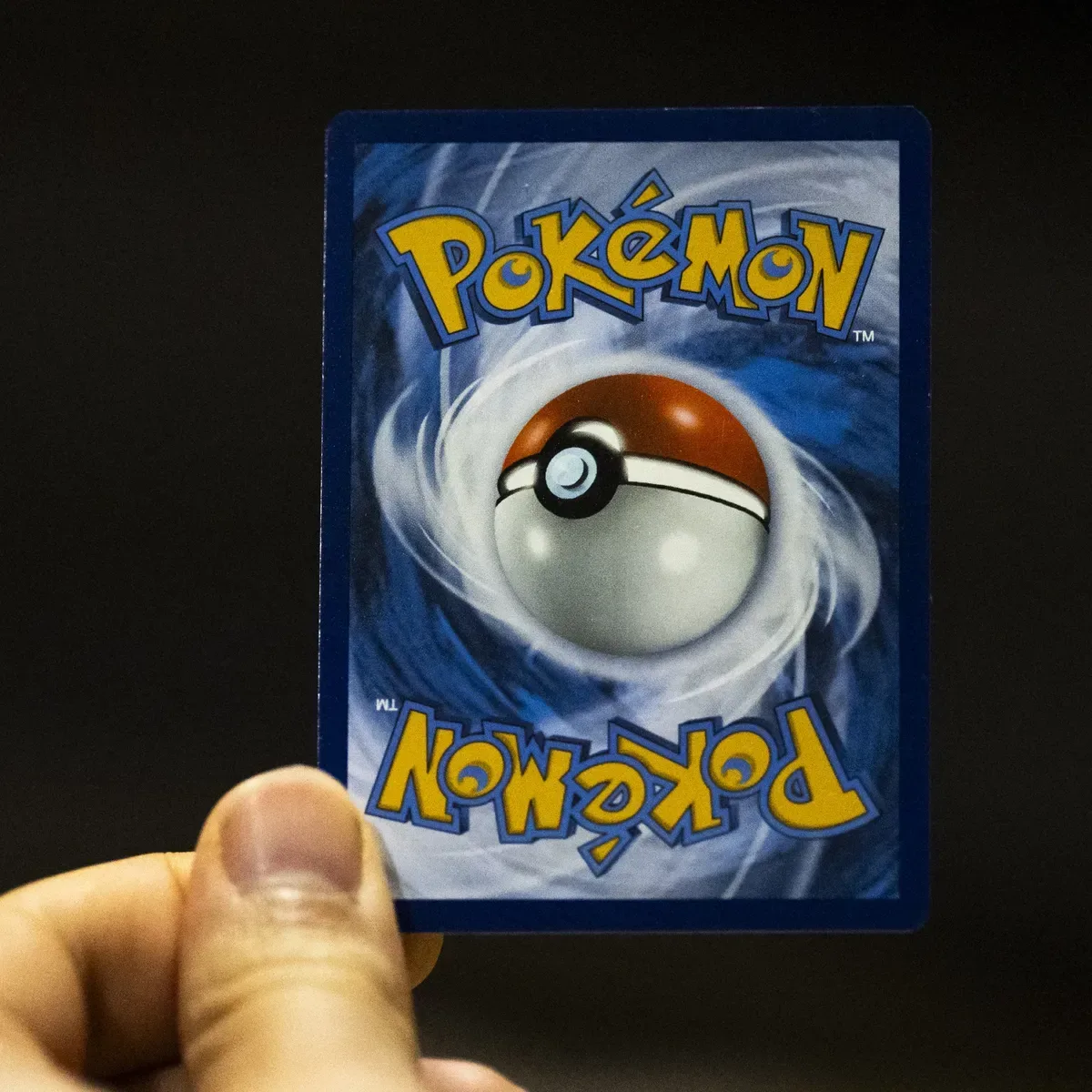
There are many ways to prepare for the end of the world: canned food, clean water, batteries, first-aid supplies, a practical plan, and—if one gaming investor’s prediction is correct—a carefully sleeved stack of Pokémon cards that has never been touched by the greasy thumb of a younger cousin.
Pete Levin, founder of Griffin Gaming Partners, has argued that Pokémon trading cards could become a kind of worldwide money if a catastrophic event wrecked the existing economy. It is an entertainingly specific vision of civilization’s next day: the power grid is questionable, supermarkets are empty, and somebody is solemnly trying to trade a pristine holographic Charizard for several tins of beans.
The claim is speculative, not a survival guide, and it comes from someone with a substantial interest in the category. Levin says he manages more than $1.6 billion in gaming assets and owns roughly 500,000 trading cards. Still, the argument touches on a real phenomenon. Pokémon cards are internationally recognized, collectible across generations, and supported by a mature ecosystem of grading, authentication, buying, selling, and intense arguments over microscopic print flaws.
Why Pokémon, of all possible cardboard?
A currency needs more than a cool mascot. It needs people who recognize it, trust that it is difficult to counterfeit, agree that it has some value, and can use it in manageable increments. Conventional money also benefits from governments, banks, laws, taxation systems, and the useful ability to buy a sandwich without debating surface scratches under a flashlight.
Pokémon cards do not replace any of that. But Levin’s thought experiment rests on their unusually broad cultural footprint. The franchise began in Japan and exploded internationally during the late 1990s and early 2000s. It has crossed languages, markets, generations, games, animation, toys, and retail shelves. Plenty of people who could not tell a trainer card from a stadium card can still identify Pikachu immediately.
That recognition matters in a hypothetical barter economy. A stranger may not know whether your handmade brass token is valuable. They may, however, understand that a rare Pikachu card is desirable to collectors somewhere else. The card becomes less like official money and more like a compact, recognizable store of collectible value—closer in spirit to a precious object than to a wallet full of dependable everyday currency.
Levin has also pointed to the category’s market performance, including his assertion that Pokémon cards have outperformed the S&P 500 by 3,000%. That is a striking statement, but collectors should treat any broad comparison carefully. Card values vary wildly by card, condition, grading company, sale date, population, language, and whether the buyer got carried away after losing an auction three seconds earlier. A rare trophy card and a common modern card pulled from a grocery-store pack do not live in the same financial universe.
Grading gives cardboard a common language
The strongest practical point behind the theory is authentication. A raw card can be difficult to evaluate. Is it genuine? Was it trimmed? Is that tiny whitening on the back a factory issue, a storage problem, or the result of somebody learning that backpacks are not archival cases?
Related coverage includes Pokémon Cards Could Become Post-Apocalypse Currency, Investor Argues.
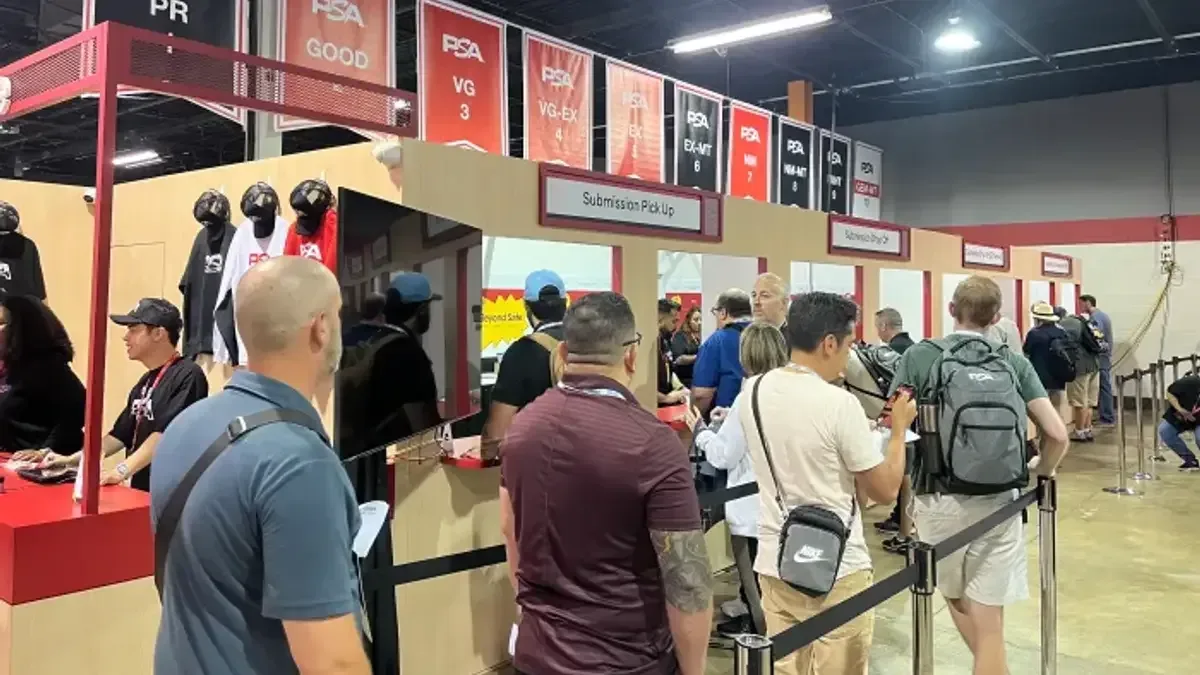
Third-party graders, including PSA, offer a standardized condition assessment and an encapsulated holder intended to establish authenticity and grade. That does not mean every buyer will agree on a final price. Markets remain markets, with all the confidence, hype, fear, nostalgia, and chaos that implies. It does mean a graded card can carry information that is easier to communicate between distant buyers than “trust me, it looks pretty mint from across the room.”
In an apocalypse scenario, however, the limits become obvious fast. Grading relies on institutions, records, expertise, secure storage, and a functioning enough society for people to care about population reports. The slab may be durable, but a label is only as powerful as the shared trust behind it. If nobody can verify a serial number or distinguish a counterfeit case from the real thing, a PSA 10 may become a very shiny rectangle with an excellent picture of Blastoise.
That does not make the cards worthless. It just makes them a poor substitute for necessities. Food, water, medicine, shelter, tools, fuel, and useful skills would have immediate value in any genuine crisis. A highly graded vintage holo might become useful only when communities are stable enough to resume trade in nonessential goods—and at that point, one hopes the phrase “apocalypse currency” can be retired with dignity.
The adult collector economy is very real
The less fictional part of this conversation is the lasting demand from adult collectors. Levin noted the so-called “kidult” trend, in which adults account for around 30% of global toy sales, with that share increasing. People who grew up with Pokémon, vintage games, comics, and trading cards now have disposable income and often a desire to reconnect with the things that occupied their childhood bedrooms.
That nostalgia has helped turn old hobbies into serious collecting markets. It also explains why the cards can feel both joyful and intimidating. A binder can still be a binder full of favorite creatures, deck-building options, and fun art. Yet it can also become an object of speculation, with sealed products, scarce promos, graded singles, and resale listings treated as assets.
The two ideas can coexist, though not always peacefully. A collector may be delighted that their childhood favorites are respected and easy to research, then immediately less delighted when a new release vanishes before ordinary fans get a reasonable chance to buy it. Pokémon card demand has created exactly that tension in recent years.
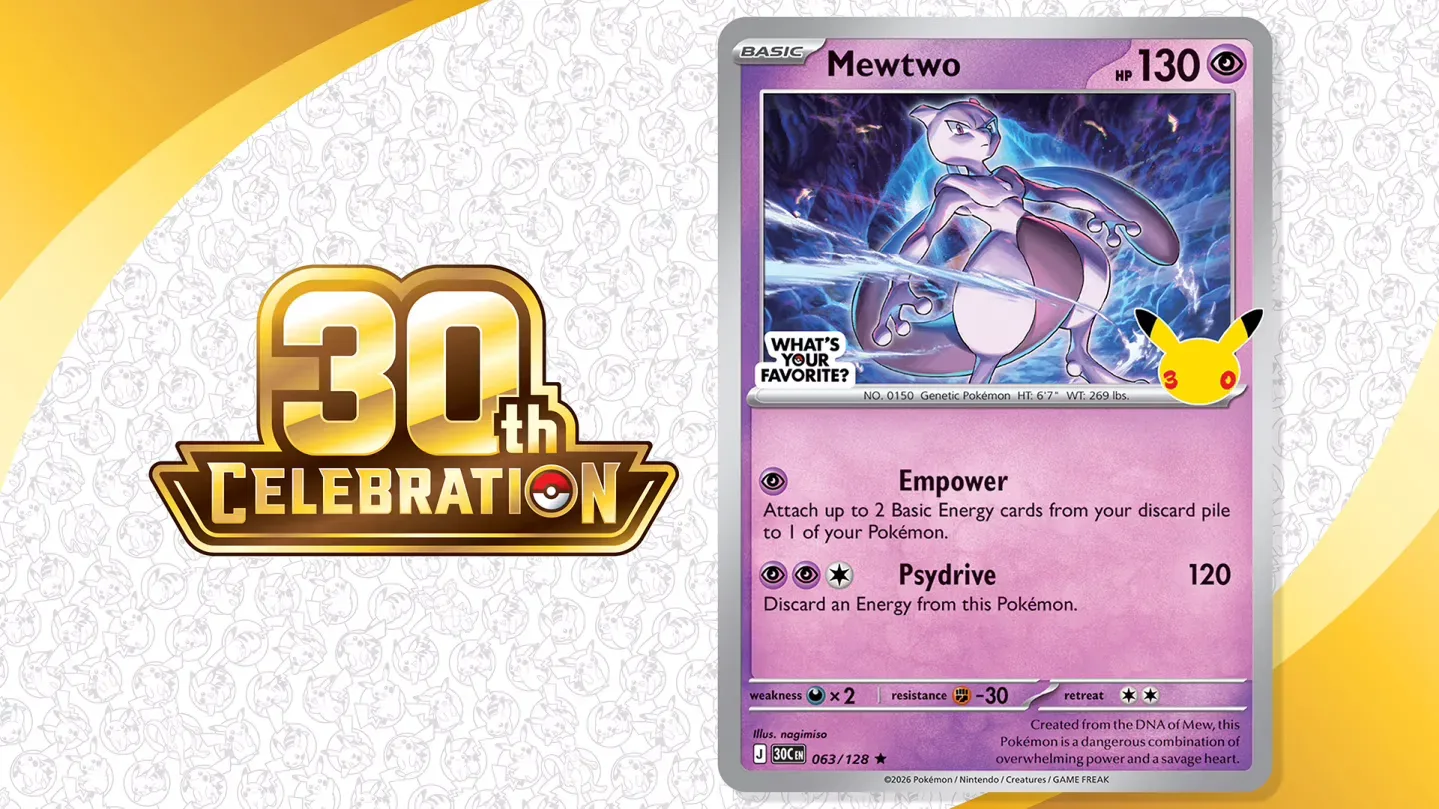
Collectors looking at current promotions can see how quickly attention gathers around small, specific releases. For example, the Pokémon TCG’s 30th Celebration Mewtwo promo is tied to qualifying retail purchases, illustrating why promotional cards can inspire both genuine excitement and frantic concern about supply.
Scarcity is the part nobody needs more of
The apocalypse-currency joke lands awkwardly beside an existing scarcity problem. Pokémon cards have become targets for scalpers and thieves because high-demand products and rare pulls carry perceived resale value. New releases can sell through rapidly, leaving players and casual collectors stuck watching restock rumors like they are decoding an ancient prophecy.
Some retailers have taken unusual steps to slow down reselling. Target has reportedly opened product boxes in an effort to deter scalpers. In Japan, certain releases have been restricted to Japanese residents, while some locations have used facial recognition for adults and children to limit the number of daily purchases. Those measures underline just how far the hobby has moved from the simple idea of picking up a pack on a whim.
Supply has been enormous, yet demand has remained a problem. The Pokémon Company printed 10 billion cards last year alone, a number so large that it should make every kitchen-table deck feel briefly cosmically insignificant. Printing volume, though, does not guarantee that every desired set, product, language version, or chase card will be easy to find. Collectibility depends on distribution, specific product demand, perceived rarity, and the habits of buyers—not simply on the grand total of cardboard entering the world.
If cards are treasure, treat them like collectibles—not emergency rations
There is no harm in enjoying Pokémon cards as a collection, a game, a piece of pop-culture history, or even a carefully researched collectible purchase. There is also no need to turn every booster pack into a retirement plan or a disaster-preparedness strategy. The fun is in the art, the hunt, the decks, the memories, and occasionally in finding a card that makes a fellow collector gasp loudly enough to alarm nearby pets.
For anyone building a collection, the sensible basics remain wonderfully unglamorous:
- Buy cards because you like them, rather than because an internet frenzy says a line will only go up.
- Use sleeves, top loaders, binders, and storage suited to the cards you want to preserve.
- Learn the difference between raw condition, professional grading, and an asking price that exists only in somebody’s optimistic online listing.
- Be cautious with expensive purchases, especially when authenticity or condition is unclear.
- Keep actual emergency supplies separate from the collection. A Pikachu Illustrator may be extraordinary, but it cannot purify water.
Levin’s prediction works best as a vivid measure of Pokémon’s cultural staying power rather than a forecast anyone should organize their pantry around. Pokémon cards have become a global collecting language, and their popularity has created genuine value, serious infrastructure, and serious supply headaches. But if the world ever does need a new medium of exchange, the first rule will probably remain the same as it is now: value depends on whether the other person agrees—and whether they have any use for your holofoil dragon at that particular moment.