The Elder Scrolls Online is changing the way it delivers major new material. ZeniMax Online Studios is moving away from the MMO’s familiar annual expansion pattern in favor of a seasonal approach that is intended to support a wider range of activities and player preferences. The studio characterizes the shift as a “renaissance” for the long-running game: not a rejection of its past, but an attempt to avoid repeating a structure that had become too predictable.
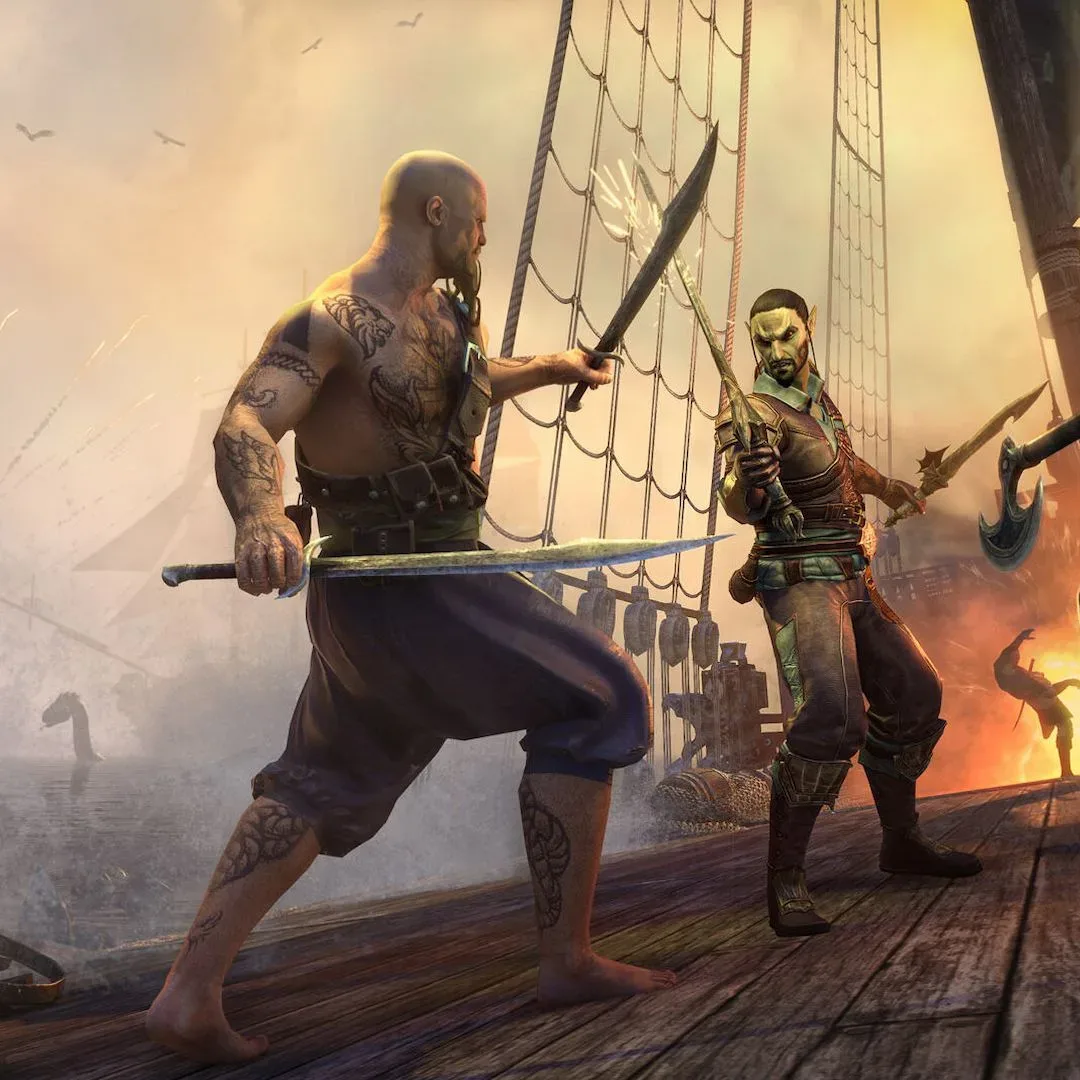
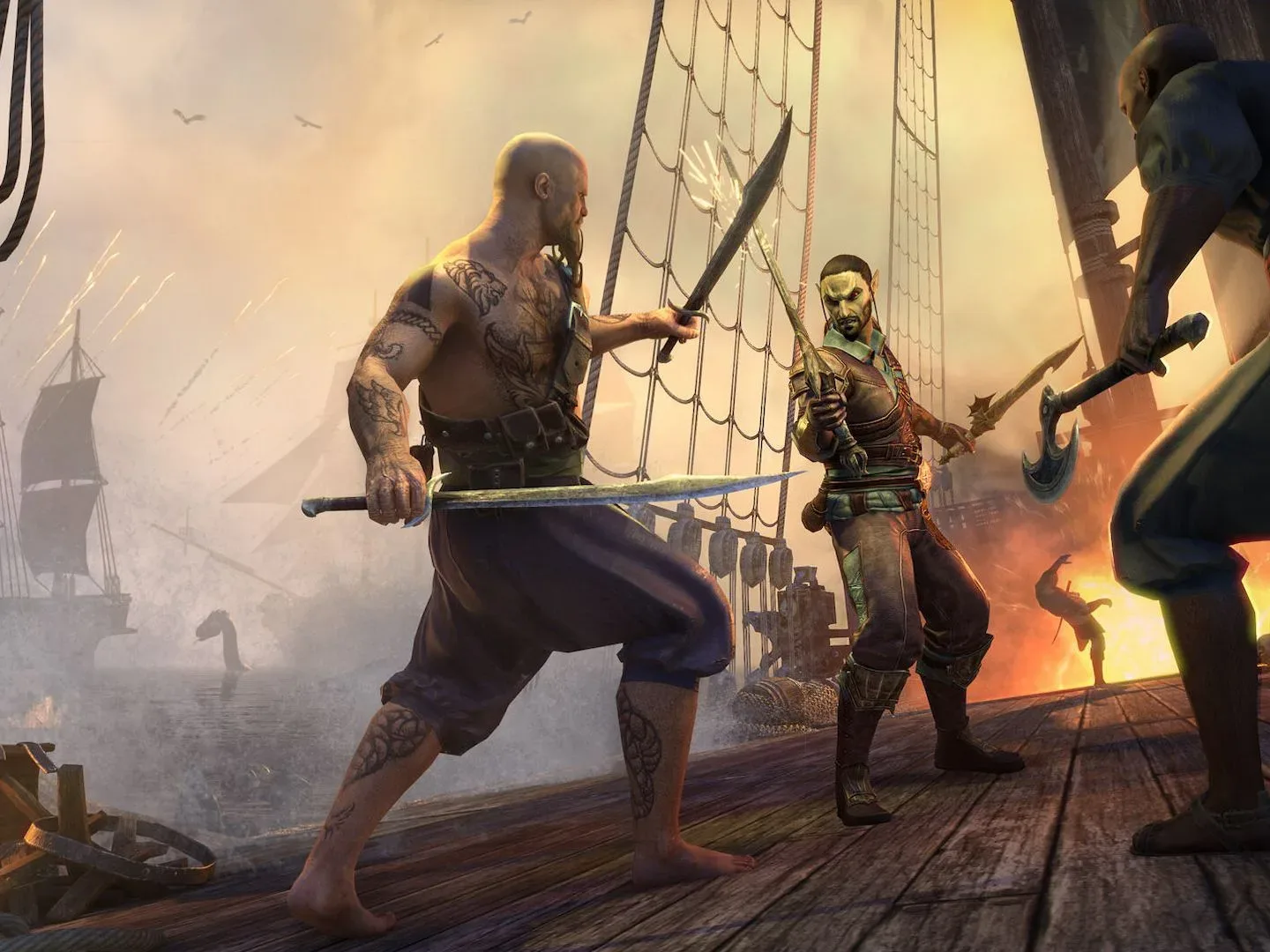
The immediate practical message is that Tamriel’s future updates are not expected to be built solely around combat-led releases or a once-a-year expansion cadence. Instead, the plan points toward varied content drops, including exploration, puzzle-solving and community-oriented activities. Named examples include the Nowhere Vault, Rumors and High Seas of Tamriel, the latter arriving with Update 51.
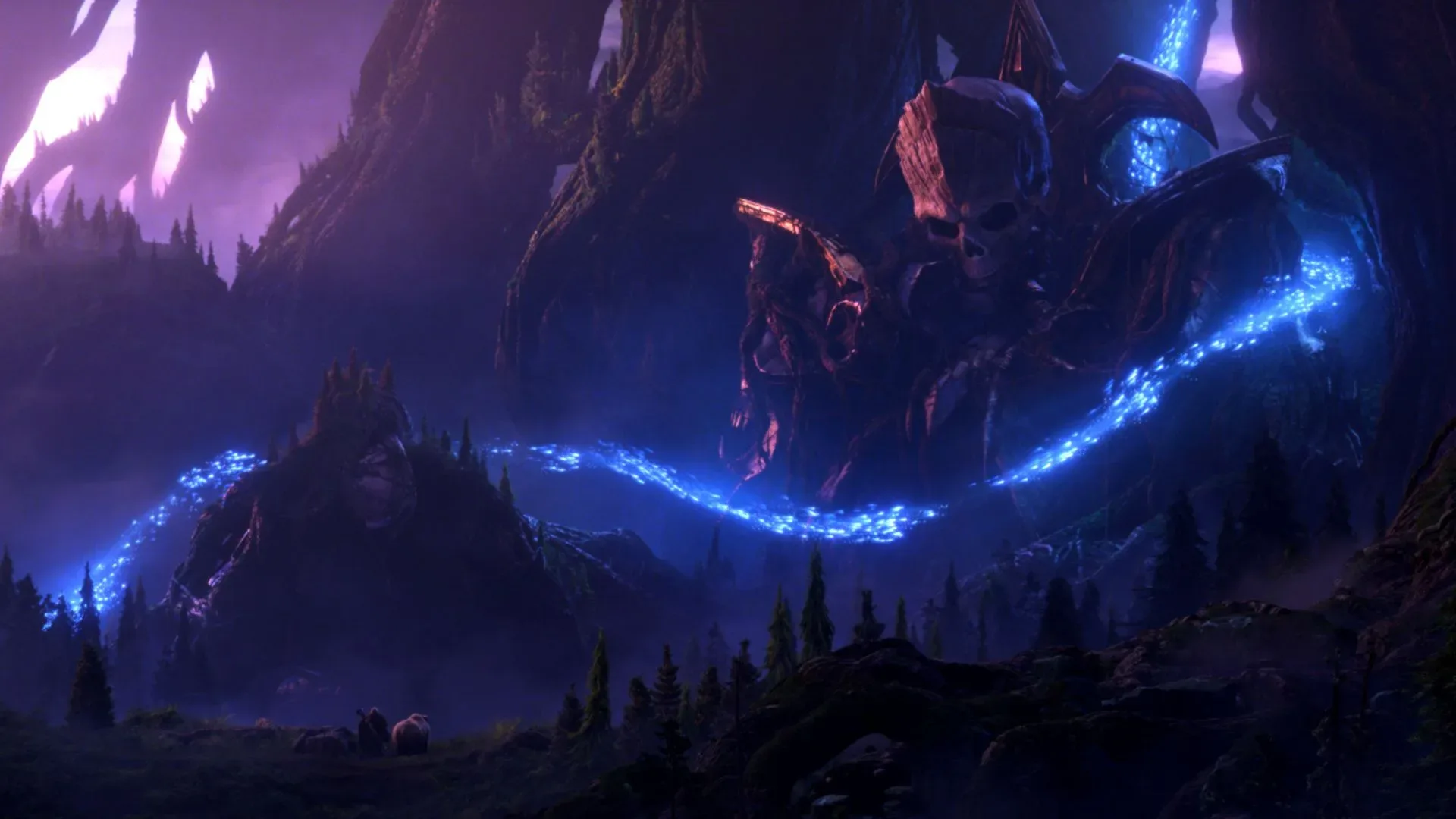
That does not mean the era of large, spectacle-driven locations is over. The team is also developing a new Skyrim zone. It is being positioned as something with the scale and impact associated with the game’s former chapter-style releases, while still differing from a traditional zone.
Why break a dependable annual formula?
For a live-service MMO, a release formula can become both a strength and a limitation. A recognizable schedule gives players a clear idea of when major content is likely to arrive and helps a studio organize work around a repeatable model. But repeatability also risks turning anticipation into assumption. Players may know roughly what kind of update is coming before its central ideas have had the chance to surprise them.
Game director Nick Giacomini frames the change as a response to player feedback rather than a redesign undertaken merely to look different. The goal is to restore novelty and excitement by disrupting an established pattern. His broader point is that player expectations do not stay fixed: new games continue to raise the standard for what audiences want from ongoing games, requiring developers to revisit their design priorities.
In this context, a seasonal model means organizing the game’s ongoing additions into distinct periods or content drops rather than placing the overwhelming emphasis on one conventional annual expansion. The supplied details do not establish a complete schedule, duration or reward structure for these seasons, so players should not read the announcement as a full roadmap. What is clear is the direction: more variety between larger moments, and more willingness to experiment with the activities that fill that space.
The development language also emphasizes less combat-focused content. That does not imply combat is disappearing from an Elder Scrolls MMO. Rather, it suggests the studio sees room to make other forms of play more prominent. Exploration can reward curiosity and navigation; puzzles can ask players to interpret information or interact with systems differently; community events can put an emphasis on participation by the player base rather than solely on individual progression through fighting encounters.
What the new content categories suggest
The announced examples are useful because they describe a broader intent without claiming that every future update will follow exactly the same template.
Related coverage includes The Elder Scrolls Online Enters a 'Renaissance' as ZeniMax Rethinks Its Annual Expansion Formula.
- Nowhere Vault is one of the new content types identified as part of the move beyond the old formula.
- Rumors is another named component of the evolving approach, presented alongside more exploration-minded and puzzle-oriented ambitions.
- High Seas of Tamriel is already part of the current rollout, arriving with Update 51.
Beyond those names, the team’s stated interest in more chaotic, Morrowind-like exploration helps establish the creative mood behind the change. “Morrowind-like” here is best understood as an aspiration toward discovery and a less rigid sense of being ushered from one prescribed activity to the next, not a promise that a new release will reproduce any particular earlier game or system.
That distinction matters. Long-running online games frequently face a difficult balancing act: veterans often want the world to feel less routine, while new or returning players benefit from understandable goals and a stable structure. A seasonal approach can potentially address both sides if it creates memorable standalone activities without making the game’s overall direction confusing. Whether it succeeds will depend on execution, including how clearly each drop explains its purpose and how well the various playstyles feel supported.
There is also a pacing argument for this model. A large annual release can create a dramatic focal point, but the months around it need enough meaningful activity to maintain momentum. Smaller or more varied updates may help bridge those gaps. The stated emphasis on community events, mysteries and exploratory play indicates that ZeniMax is looking for ways to make those intervening periods feel like part of the game’s identity rather than simple downtime between expansions.
Skyrim remains part of the bigger-picture plan
Associate design director Jason Barnes has made clear that the experimental direction is not a wholesale retreat from grander releases. The in-development return to Skyrim is the strongest sign of that. It is intended to provide the sort of spectacle once associated with the chapter model, even though it will not be built as a standard traditional zone.
A zone in an MMO is a substantial playable region: a place that can accommodate quests, exploration and other activities within the larger game world. Barnes’s description leaves the exact format of the new Skyrim area unresolved, but it establishes two useful boundaries. First, players should expect a significant Skyrim-focused destination rather than a minor reference or brief visit. Second, they should not assume it will duplicate the older chapter-zone formula exactly.
That combination is central to the studio’s current positioning. The game is seeking fresher structures while preserving the capacity to deliver an event-scale experience when a setting and idea call for one. Skyrim has obvious resonance within The Elder Scrolls, but the available information does not specify its setting, story, timing, systems or size. Keeping those unknowns separate from what has been confirmed is especially important while the studio is deliberately signaling a departure from familiar templates.
The result is not a simple choice between “small seasonal updates” and “big expansions.” It is a more flexible model in which different scales of content can coexist. In theory, that should let the game use a major setting for a large statement while allowing other drops to focus tightly on a puzzle, an exploration hook, a social event or another activity that does not need to carry the weight of an annual chapter.
A difficult year behind the scenes
This creative transition is taking place after a difficult year for the studio and the wider Xbox organization. Microsoft planned cuts affecting more than 3,200 Xbox employees, while Bethesda union representatives reported that dozens of programmers, artists, designers and testers had been lost. Those roles span the disciplines needed to create, test and sustain an MMO, making the continuation of development especially consequential for players watching the game’s plans.
Despite that backdrop, Giacomini has said that The Elder Scrolls Online is here to stay and that the remaining team has additional help from Bethesda. That is a statement of ongoing commitment, not a detailed accounting of staffing levels, production timelines or the scope of Bethesda’s support. Still, it provides important context for why the new plan is being watched closely: the studio is simultaneously working to maintain a mature online world and adjust its delivery model after substantial disruption.
For players, the sensible expectation is not that every unanswered question has already been solved. The broader strategy is visible, but the particulars will matter: what each season contains, how often drops arrive, how exploration and puzzles are integrated, and what makes the new Skyrim zone structurally distinct. Update 51 and High Seas of Tamriel provide the clearest current marker that the transition is no longer only a future-facing concept.
What to watch next
The most meaningful test of this “renaissance” will be variety with purpose. New modes or labels alone do not guarantee a refreshed MMO; they need to make different player motivations feel worthwhile. Someone who enjoys combat should still have a reason to participate, while people drawn to investigation, discovery or shared events should find those activities substantial rather than incidental.
The other test is continuity. The Elder Scrolls Online has been running for 12 years, and its long history is the reason the studio can experiment from an established foundation. A changed model needs to make the world feel lively without losing the elements players already value. The plan described so far recognizes that tension: break the routine, but retain room for a major destination; add less combat-centered experiences, but do not discard the MMO’s identity.
That makes the next Skyrim reveal particularly important. It will show how ZeniMax intends to combine the scale of earlier marquee releases with a different structural design. Until then, the clearest takeaway is that the team wants Tamriel to offer more than one dominant way to play or one predictable kind of update. For a game entering its second dozen years, that may be the most useful definition of a renaissance.
For another look at how games can invite community participation beyond standard updates, see this Slumber Realm fan-art contest story.