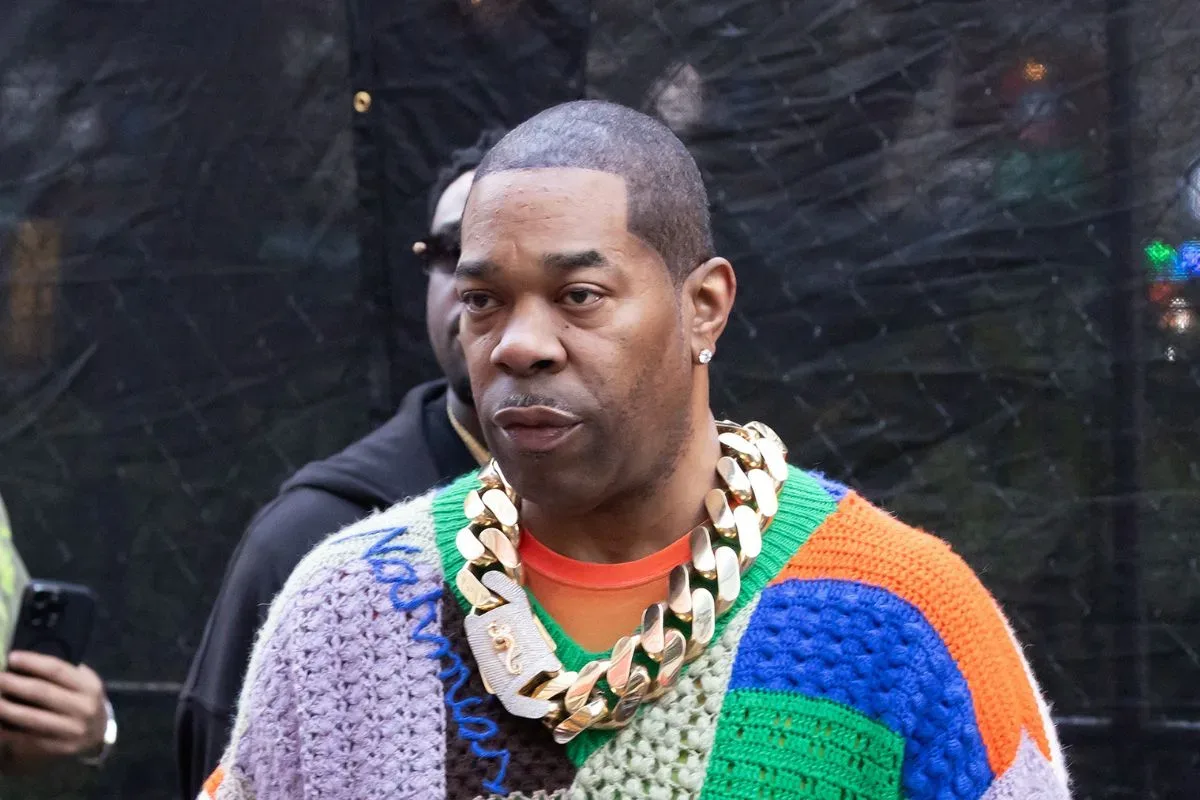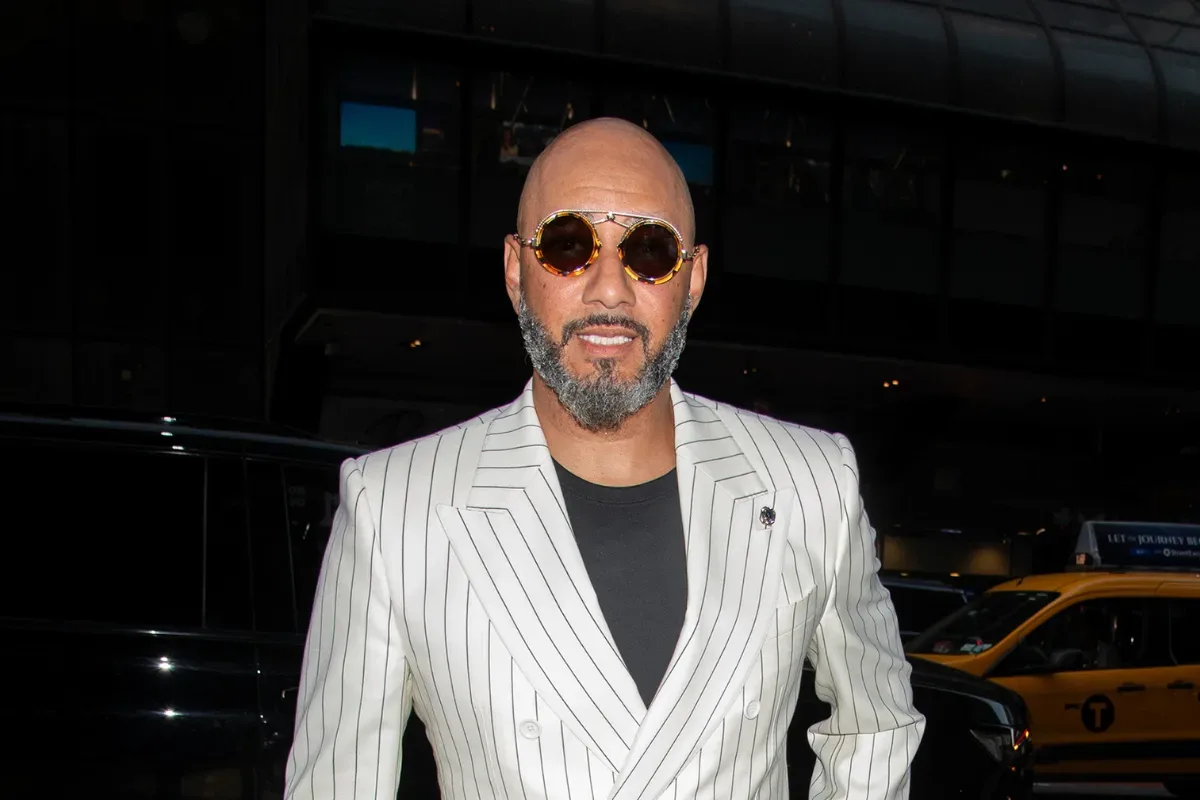
Swizz Beatz is no longer facing the civil lawsuit brought by 1MDB liquidators over allegations involving $7.3 million in payments said to be connected to Malaysian financier Jho Low. The case has been dismissed after the parties reached a confidential settlement, bringing an end to a dispute that placed the producer’s name alongside one of the most sprawling financial scandals of the modern era.
The resolution is significant, but it needs to be described carefully. A settlement and dismissal mean the litigation is over; they do not, on their own, establish that either side’s account of the underlying allegations was proven in court. The terms were not disclosed, and the dismissal does not inherently amount to an admission of liability by Swizz Beatz.
For Swizz Beatz, born Kasseem Daoud Dean, the case concerned claims that he received $7.3 million in payments traced to Jho Low. Liquidators pursuing assets connected to 1MDB alleged that the money had roots in the enormous fraud surrounding Malaysia’s state investment fund. Swizz Beatz consistently maintained that he did not know the funds were stolen or linked to fraudulent conduct, and his legal position was that the payments were understood to be legitimate business transactions received without fraudulent intent.
What the dismissal resolves
With the settlement completed and the suit dismissed, there will be no trial in this particular civil matter unless some separate legal development changes the situation. That ends the immediate courtroom fight between Swizz Beatz and the liquidators, while leaving the confidential agreement itself outside public view.
It is tempting to read a dismissal as a scoreboard with only one possible interpretation. Civil settlements do not work that way. Parties can decide that the cost, uncertainty, publicity, time commitment, or practical complexity of continued litigation no longer makes sense. A confidential resolution can allow both sides to close a chapter without putting every disputed factual claim before a judge or jury.
That distinction matters especially in a case connected to 1MDB, where the alleged flow of money, intermediaries, luxury purchases, entertainment-industry relationships, and international proceedings created a web far more complicated than a normal business disagreement. The dismissal resolves this lawsuit, not every public question surrounding the broader scandal.
The allegation at the center of the case
The liquidators’ claim focused on $7.3 million allegedly paid to Swizz Beatz through channels associated with Jho Low. Low has been widely linked to the alleged looting of 1Malaysia Development Berhad, better known as 1MDB, the Malaysian development fund at the center of a global corruption scandal involving billions of dollars.
Swizz Beatz disputed the core premise that he knowingly benefited from stolen money. His defense was not merely that the dispute should be handled privately; it was that he lacked knowledge of any fraud and believed the payments had a lawful business basis. Because the matter ended in a confidential settlement rather than a public trial, the case did not produce a courtroom verdict deciding those competing positions.
That is the key takeaway: the civil claim was dismissed, the terms remain private, and the dismissal should not be stretched into a public finding that Swizz Beatz either did or did not know the alleged origins of the money.
Why 1MDB cases reach so far beyond Malaysia
The 1MDB scandal has had unusually broad cultural reach because allegations surrounding the fund touched finance, politics, film, luxury assets, and celebrity circles. Money allegedly diverted from a public development fund was said to have moved through international systems and into high-profile transactions, creating years of efforts to trace assets and recover funds.
Jho Low became the best-known figure associated with that alleged network. The scale of the controversy also meant that public figures whose names arose in relation to Low could face intense scrutiny even where that did not amount to an accusation or finding of criminal wrongdoing.
Leonardo DiCaprio was questioned by the FBI regarding his connections to Low. Kim Kardashian’s name also surfaced in public discussion surrounding the wider scheme. Pras Michel of the Fugees was convicted in a separate case tied to the corruption network and is serving a prison sentence. Those matters are distinct from the civil case involving Swizz Beatz, but they illustrate why any 1MDB-linked allegation carries immediate international attention.
For readers following the intersection of hip-hop, celebrity business, and public controversy, the episode is also a reminder that proximity to a major scandal is not the same thing as a legal conclusion. Each person’s circumstances, evidence, claims, and case posture can be different. That basic caution is particularly important when a settlement prevents the adversarial process from reaching a trial verdict.
A producer whose work reaches across eras
Swizz Beatz’s public identity was built long before this legal dispute. The Bronx producer has been a major force in hip-hop for decades, recognized for a hard-driving, instantly identifiable style and for collaborations with artists including Jay-Z, Nas, and DMX. His role in the genre extends beyond a single hit or a single era: he has been an enduring creative and business presence while hip-hop production evolved around him.
His work also places him within a larger conversation about the modern producer as both musician and entrepreneur. In that space, large business arrangements, branding relationships, partnerships, and investments can become part of a public figure’s career just as readily as songs and performances. The culture regularly celebrates that crossover, though cases such as this show how business relationships can become a source of legal exposure when allegations arise about the origins of funds.
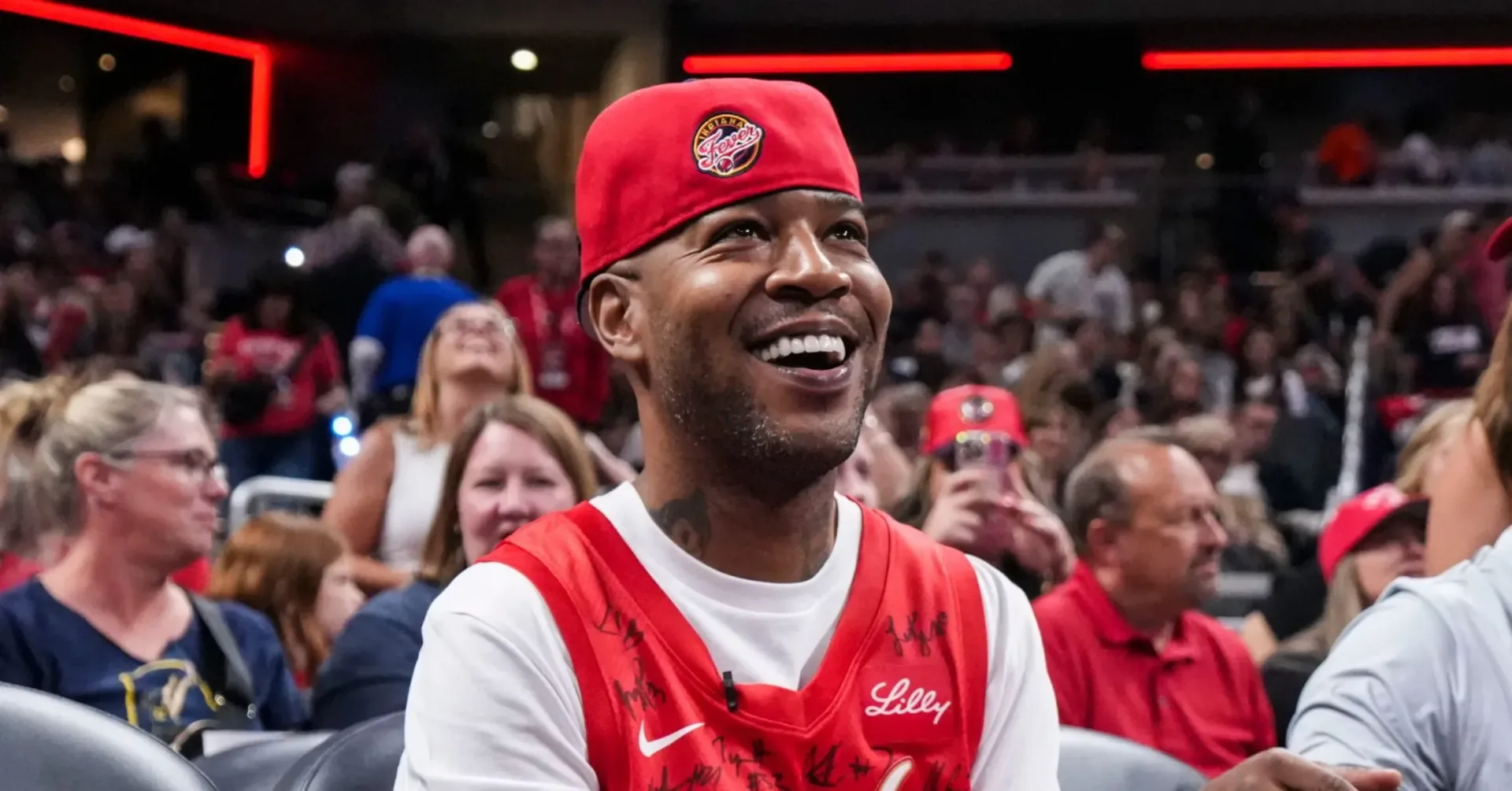
Swizz Beatz is married to Alicia Keys, and their family life has remained a visible part of his public profile. Now that this particular lawsuit has been dismissed, he can turn attention away from a case that had remained attached to his name and back toward the music and business activity that have defined his career. Readers interested in another recent story from the music world can also read Kid Cudi’s explanation of his Kanye West reunion.
What remains unknown
The most consequential missing detail is the settlement itself. Confidential negotiations mean the public does not know whether money changed hands, whether either party made specific commitments, or what language governed the final arrangement. It would be inaccurate to fill that gap with assumptions.
There is also no trial record from this case establishing the disputed allegations as fact. The liquidators alleged that the payments were connected to money taken from 1MDB; Swizz Beatz denied knowing that the money was stolen or fraud-linked. The case ended through settlement, not through a judicial ruling that tested all of those claims at trial.
That may feel unsatisfying in a scandal famous for enormous numbers and famous names, but it is the clearest reading of the outcome. The civil action against Swizz Beatz has been dismissed following a confidential settlement. The legal cloud from this specific case is gone, while the broader 1MDB saga—and the public interest surrounding it—remains considerably larger than any one defendant or one resolved claim.