Warhammer 40,000: Space Marine 2 is set to revisit the balance of its two major PvE enemy forces after game director Dmitry Grigorenko acknowledged a familiar player complaint: Chaos is tougher to fight than the Tyranids.
The acknowledgement matters because it speaks to more than a simple preference for fighting one set of enemies over another. At higher difficulty settings, where players need to operate to advance through some progression, the difference can shape which Operations feel inviting, which builds feel dependable, and whether a tough mission registers as demanding or simply exhausting.
Grigorenko said the team understands that Chaos presents a greater challenge and confirmed that a future pass is planned. He also drew a boundary around one requested solution: the work is not expected to be specifically about making bots more effective against Chaos for solo Operations players.
“We understand that Chaos is more difficult to fight against Tyranids,” Grigorenko said during a Reddit AMA, adding that there will be “some pass on this in the future.”
Why Tyranids and Chaos produce different kinds of pressure
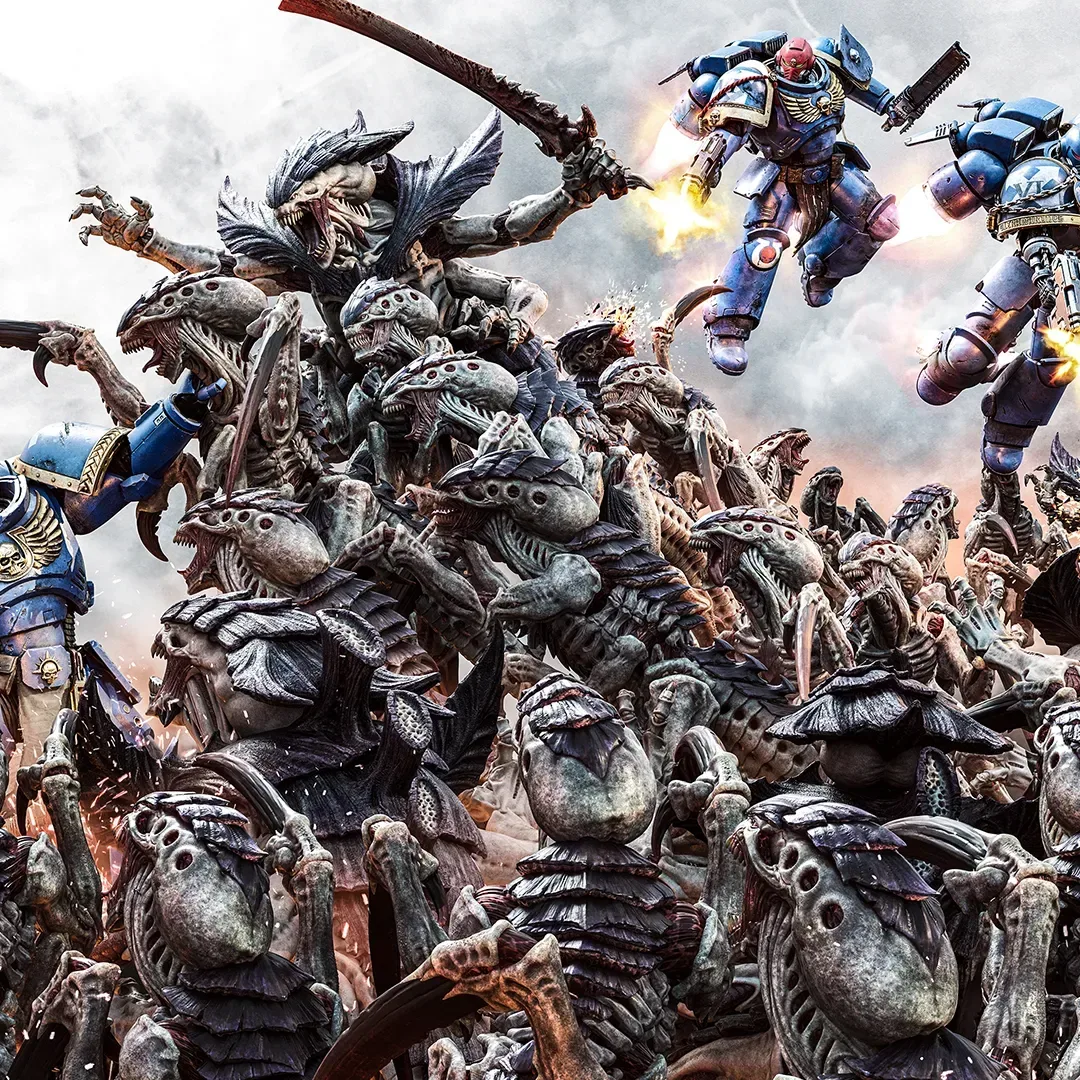
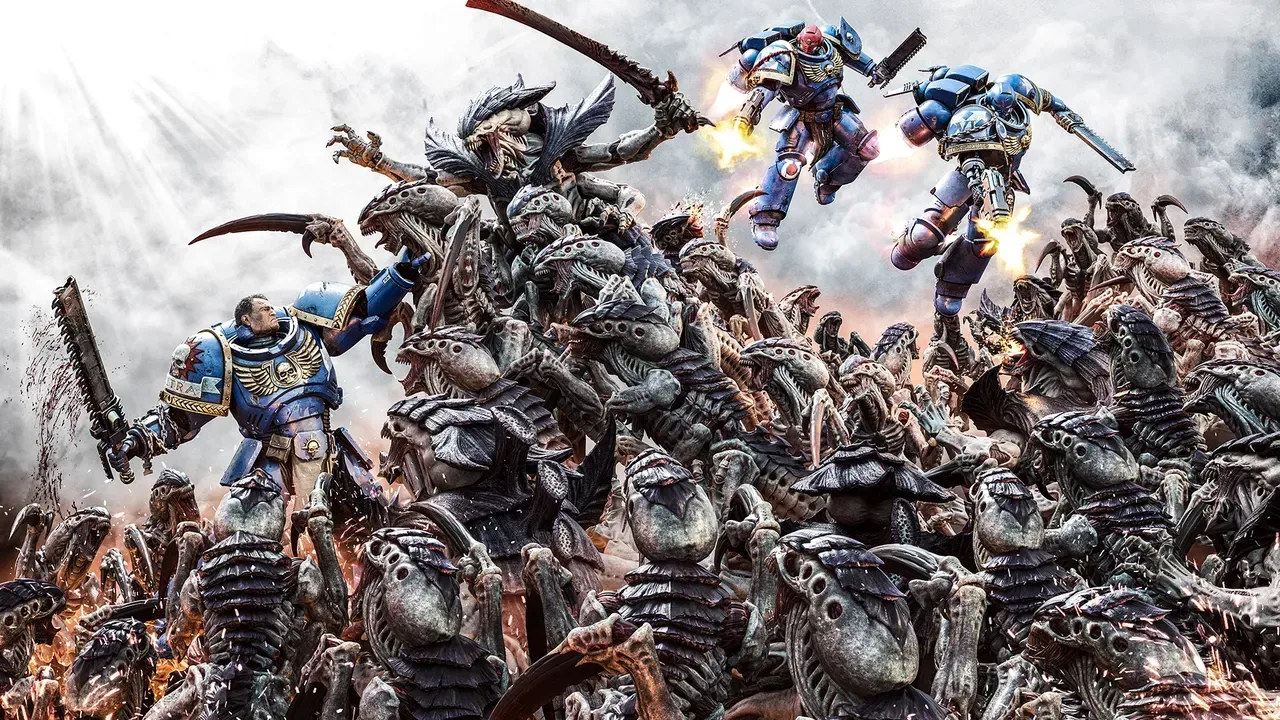
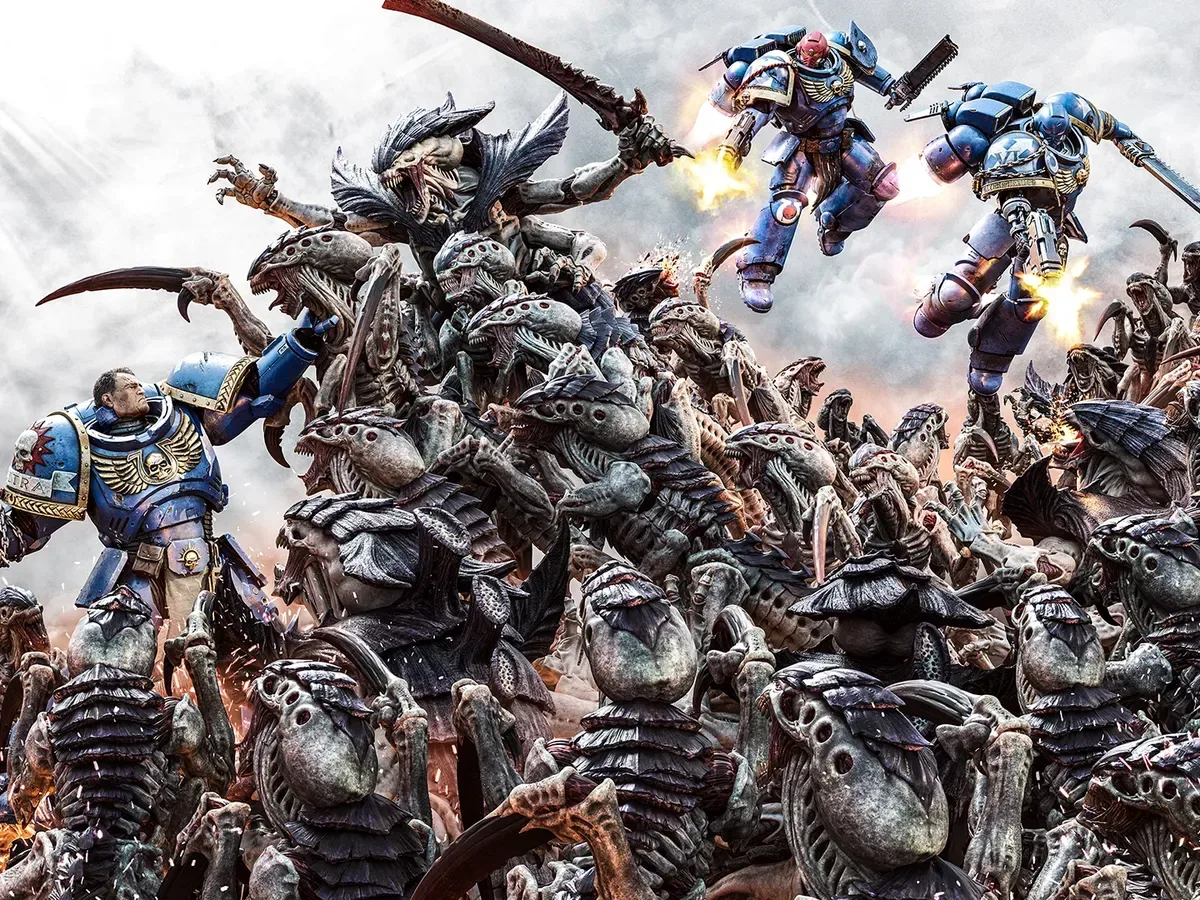
The two factions ask fundamentally different questions of a Space Marine squad. Tyranids are the game’s swarm-style force: a screen can fill with numerous smaller targets while bigger, harder-hitting threats punctuate the mass. That structure supports the power fantasy at the heart of Space Marine 2. Players can mow through enemies with bolter fire, cut a path with a Power Sword, answer an attack with a parry, or meet the swarm at close range with weapons such as the Power Fist.
That does not make Tyranid missions effortless. Large enemies and sustained pressure still demand positioning and timing. But the swarm often gives players frequent opportunities to regain momentum by clearing targets aggressively. A player who reads the flow correctly can turn being surrounded into an advantage: enemies become resources for space, damage and the dramatic rhythm of the combat.
Chaos, represented by the Thousand Sons and daemonic forces, creates a more deliberate and punishing encounter pattern. These are not merely creatures pouring toward a Space Marine; they are formidable opponents with the thematic stature of fellow Space Marines. Their presence naturally changes the pace. Instead of constantly converting a mob into a chain of satisfying eliminations, players may need to prioritize threats, manage incoming fire, wait for safe windows and resist overextending.
One especially frustrating pressure point is the arrival of Terminators capable of unleashing missile barrages. A barrage is an area-saturating volley rather than a single attack that can simply be sidestepped and forgotten. When it overlaps with other hostile units, players can lose room to maneuver very quickly. In a game built around forceful melee and decisive responses, that can make Chaos combat feel less like controlled aggression and more like damage control.
Related coverage includes Space Marine 2 Will Revisit Chaos Balance After Director Admits Faction Is Harder Than Tyranids.
The gap reportedly widens at higher difficulties
The distinction is most important at elevated difficulty levels. On easier settings, the Tyranids and Chaos can feel comparatively close in overall challenge. As difficulty rises, however, Chaos encounters have been seen as escalating more sharply, while Tyranid missions can remain comparatively manageable.
This is a balance issue rather than proof that Chaos should become trivial. Asymmetry between enemy factions can be valuable. A swarm faction should not feel identical to an elite, heavily armed faction, and Chaos being dangerous fits the fiction. The challenge for the developers is ensuring that difference remains legible and rewarding rather than causing players to feel that one faction is disproportionately punishing for the same kind of progression goal.
In practical terms, balance can involve several moving parts. Enemy durability is how much damage an opponent can withstand. Damage output is how severely enemy attacks punish mistakes. Spawn intensity concerns how many threats arrive and how frequently they do so. Even without changing an individual enemy’s core identity, adjustments to any of those variables can change the feel of a mission considerably.
The director did not specify which lever, or combination of levers, will be used. That uncertainty is important. There is no confirmation of a blanket Chaos nerf, no timetable for the changes, and no detailed list of affected enemy types. Players should treat the commitment as confirmation that the issue is on the team’s radar—not as a preview of exact patch notes.
What the solo-bot clarification means
Grigorenko’s comment about bots narrows the conversation in a useful way. Some players had proposed improving AI teammates in Chaos Operations as a targeted answer for solo players. The stated plan does not appear to be that kind of faction-specific bot adjustment.
That does not mean solo play is being ignored, nor does it establish that bots are performing perfectly. It only means the prospective Chaos pass should not be assumed to hinge on companion AI suddenly becoming tailored to this enemy faction. The resulting changes may instead affect the encounters themselves, and thus potentially alter the experience for both squads and solo players.
For teams, that could matter because a faction-wide tuning change affects shared priorities. If less pressure comes from a particular barrage, an elite unit’s durability, or the rate at which threats stack together, squads may have more freedom to execute their preferred roles rather than concentrating entirely on survival. For solo players, the same adjustment could reduce situations where AI limitations feel magnified—without the developers having to create Chaos-only bot behavior.
Balance should preserve the distinction, not erase it
The strongest outcome would preserve what makes Chaos distinct. Tyranids should remain the faction that rewards carving through a mass of xenos, with intermittent larger targets breaking up the wave. Chaos should still feel disciplined, resilient and dangerous. Removing all friction would erase the very contrast that gives the game’s encounters texture.
But there is a meaningful difference between a faction that makes a squad change tactics and a faction that makes players dread a required mission category. When players consistently describe one opponent as less enjoyable, especially in the high-difficulty content tied to progression, that is useful feedback about the relationship between challenge and satisfaction.
There is also an emotional design question at work. Fighting a huge Tyranid surge tends to visibly demonstrate a Space Marine’s power: the enemy mass reacts to the player’s actions and the battlefield changes rapidly. Chaos fights can carry a different emotional rhythm, one based on caution and attrition. Both can work, but the latter needs to offer clear counterplay—actions players can recognize, execute and trust—so defeats do not feel inevitable or opaque.
What players can reasonably watch for
- Threat overlap: Whether dangerous Chaos attacks are less likely to combine into situations with little safe movement.
- Elite pressure: Whether Terminators or other high-priority enemies receive adjustments to their resilience, damage or attack patterns.
- Mission pacing: Whether Chaos encounters allow more opportunities to re-establish control after a difficult exchange.
- Difficulty scaling: Whether the gap becomes less severe in the upper ranges while Chaos remains tactically different from Tyranids.
- Progression experience: Whether players feel less compelled to favor Tyranid missions when pursuing difficulty-linked advancement.
Until concrete details arrive, the sensible expectation is modest: Chaos is being looked at, but its fundamental role as an elite and daemonic adversary is unlikely to disappear. The game’s director explicitly acknowledged the comparative difficulty, which is a more useful starting point than dismissing years of player feedback as a misunderstanding.
A broader question for Space Marine 3
The discussion also raises an interesting design question for Space Marine 3, which is in development. If a future sequel again pairs an overwhelming “swarm” force with a more elite opponent, it will face the same delicate job of making both factions memorable without making one consistently feel like the preferable mission type.
Necrons are widely speculated about because of hints in Space Marine 2, but that remains speculation rather than a confirmed faction lineup. Other possibilities discussed by fans include a return of the Orks from the first Space Marine, or forces associated with the Death Guard and Plaguebearers. The Orks are also identified as the primary antagonists of Warhammer 40,000’s 11th-edition tabletop game.
For now, though, Space Marine 2 is the immediate concern. A Chaos balance pass could make the toughest Operations feel fairer without compromising their identity—and give players fewer reasons to wince when the Thousand Sons are on the other side of the battlefield.
Players planning future game or hardware purchases can also compare broader deal-tracking options in our guide to Alexa price alerts and Auto Buy for games, headsets and hardware.