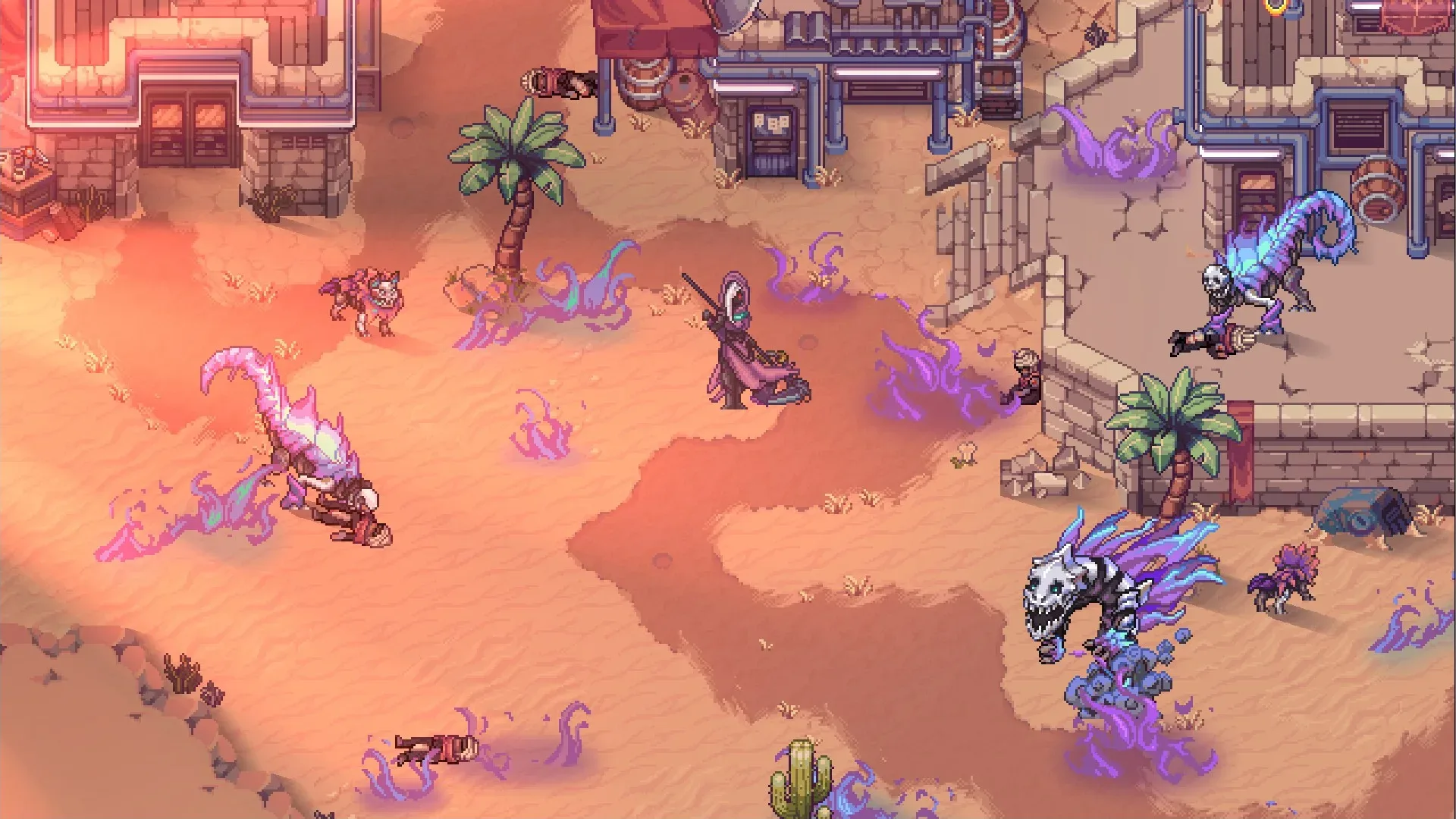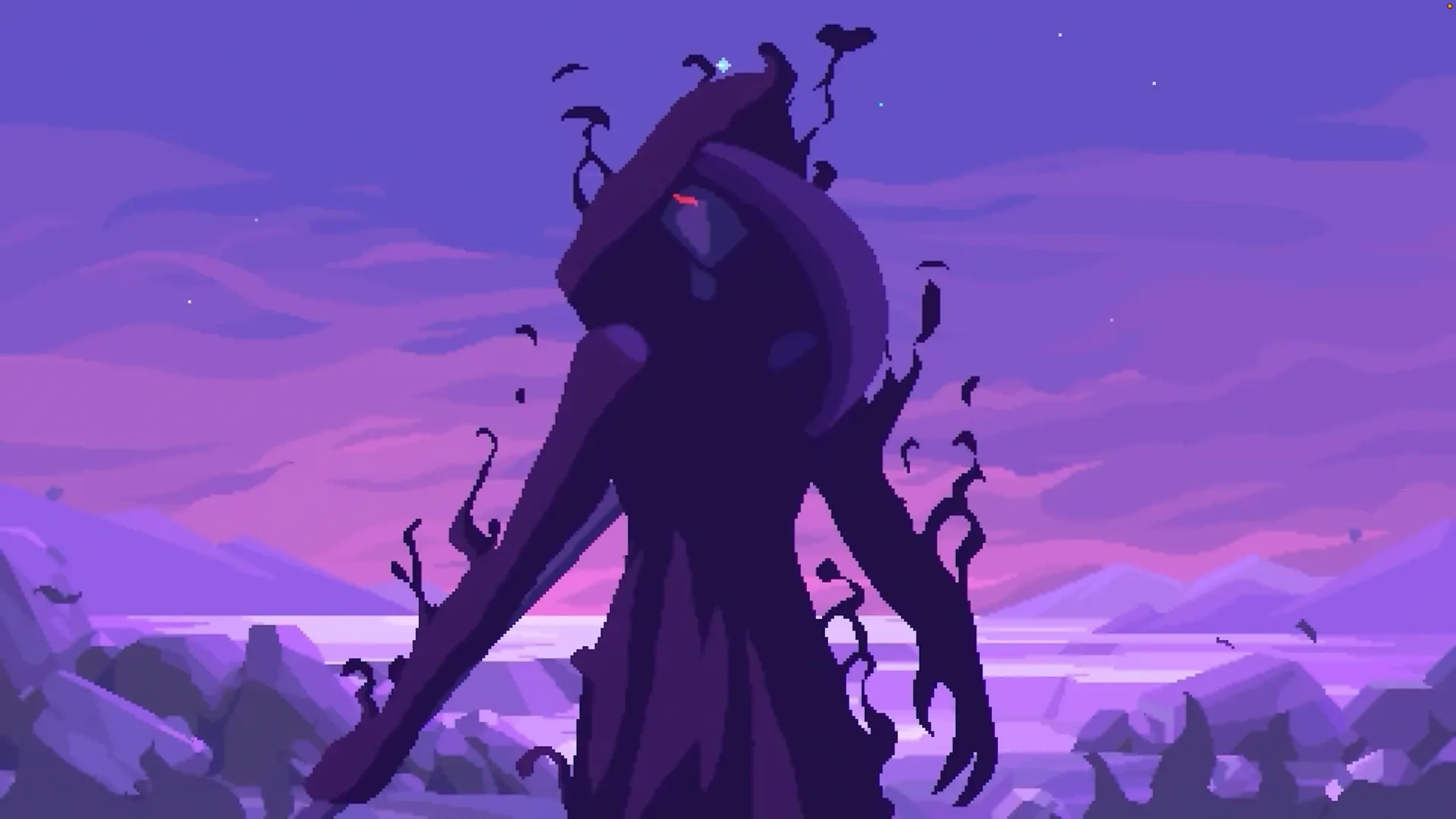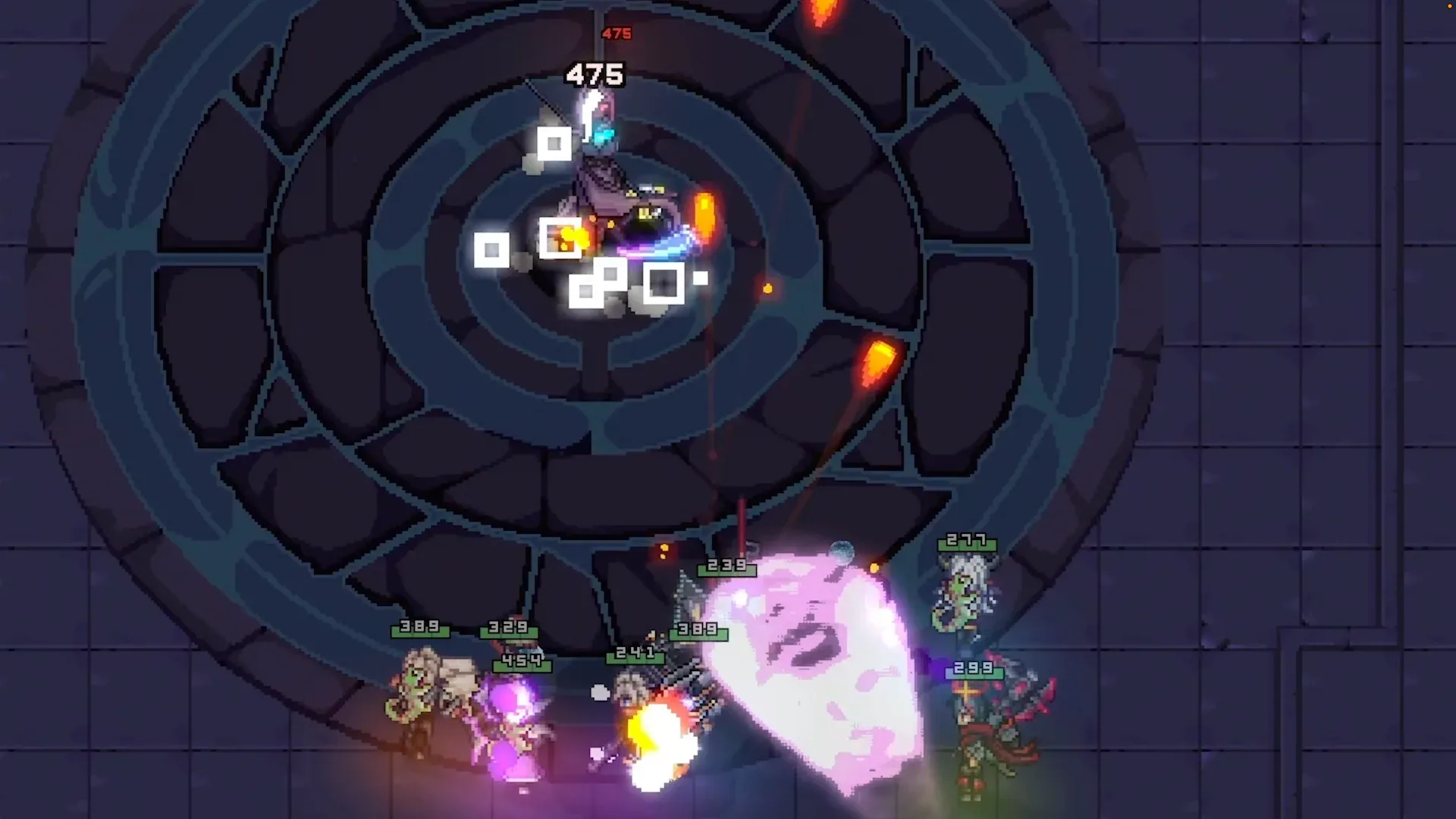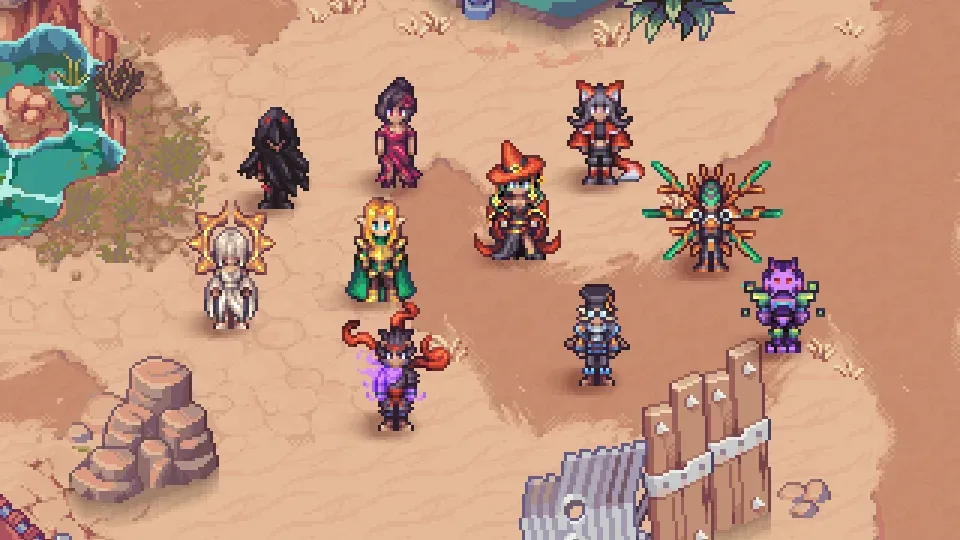
Soulbound: Online has opened Spectra, its first raid built for eight players. The new Early Access encounter puts parties up against Spectra the Necromancer, the first of the Anima: hostile entities emerging from the game’s digital world.
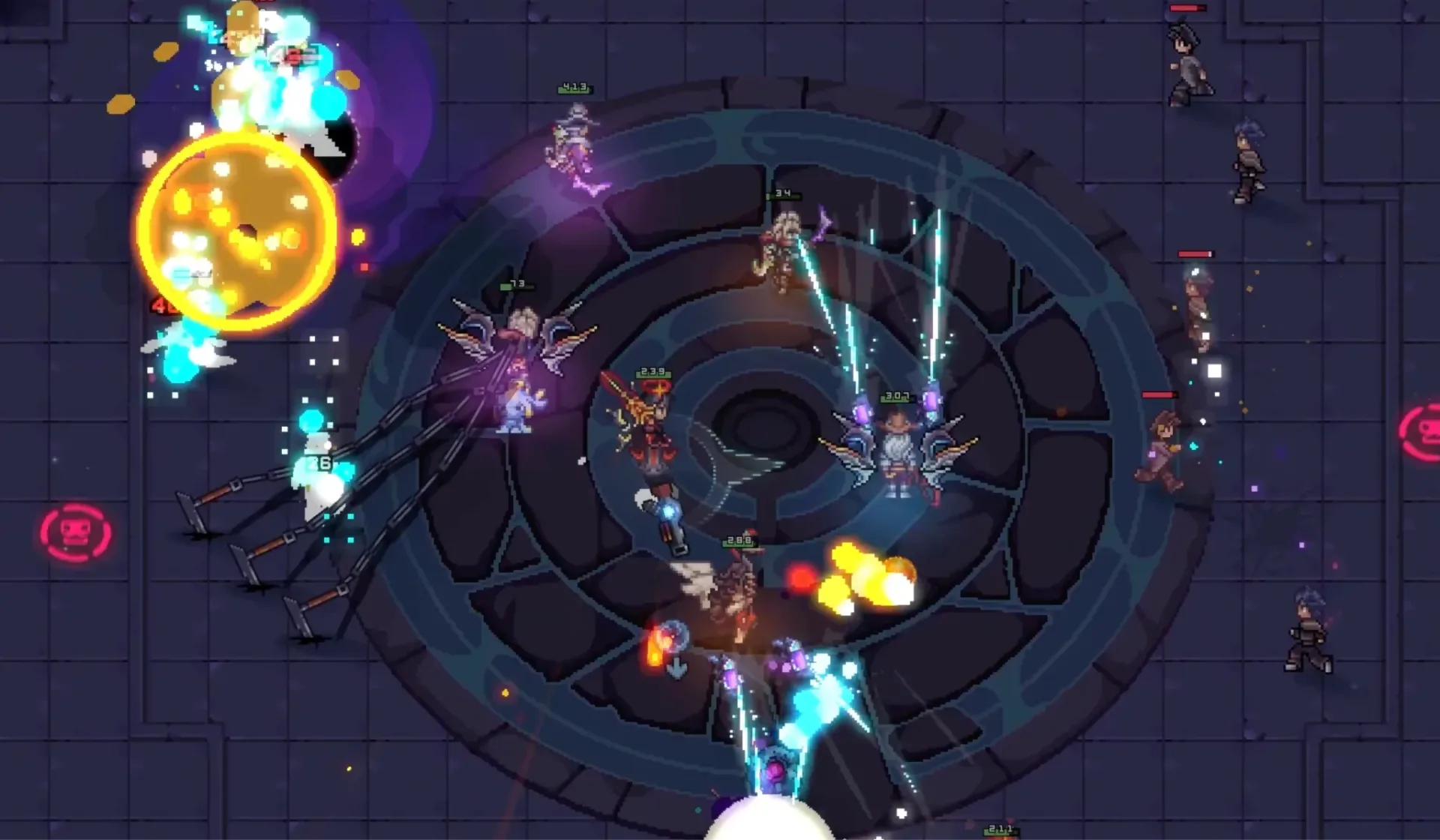
It is a significant step up in intended coordination. Spectra is explicitly designed around mechanics that one player cannot handle alone, requiring a full party to divide responsibilities between tank, healer and damage-dealing roles. Players will also need to use manual casting for carefully timed actions while dealing with what the game describes as complex bullet-heaven-style mechanics.
The raid arrives on September 17, following Soulbound: Online’s July 21 Early Access release and eight weeks of patches and hotfixes. Alongside the headline boss encounter, the update brings a substantial reward set, revisions to a number of legendary effects, and technical changes aimed at making the wider game run more smoothly.
A raid built around eight-player responsibilities
The central idea behind Spectra is group dependency. In practical terms, a tank is the player assigned to absorb or manage enemy pressure, a healer is responsible for keeping the group alive, and DPS—short for damage per second—refers to players focused on reducing the boss’s health. The announcement does not detail every individual mechanic, but it makes clear that success depends on those jobs being coordinated rather than simply having eight players attacking at once.
Manual casting is another notable part of the design. Rather than leaving timing entirely to automated behavior, players are expected to choose when to deploy abilities. That makes the timing of defensive tools, healing and damage windows part of the encounter’s challenge. The “bullet-heaven” label signals that players will be managing a visually busy field of threats in addition to performing their role.
For groups entering Spectra, the useful takeaway is straightforward: party composition and communication matter before the fight starts. A team should establish who is tanking, healing and filling damage roles, then make sure everyone understands the difficulty selected and the time available for attempts.
Raid keys, two doors and a 15-minute attempt window
Access to Spectra is gated by raid keys obtained from earlier dungeons. Players will therefore need to complete that dungeon content before they can enter the raid. At the entrance, two doors lead to the available difficulty settings: Normal and Hard.
Each team receives a 15-minute timer for its attempts. Wiping—when the whole group is defeated—is permitted as long as time is left on the clock. This is an important distinction from a single-attempt format: a group can use an early pull to learn positioning or timing, regroup, and try again without immediately losing its opportunity to clear the raid.
Related coverage includes Soulbound: Online Opens Its First Eight-Player Spectra Raid.
There is also a generous edge case for close finishes. If Spectra reaches its final health as the timer expires, the party can continue the fight and finish the encounter. That rule should reduce frustration when a group has successfully reached the final stretch but crosses the clock threshold moments before the kill.
The timer still makes recovery and preparation valuable. Since wipes consume time, teams benefit from sorting roles and discussing their plan before engaging. During the raid, fast recognition of why an attempt failed could matter more than rushing into another pull without adjusting anything.
Normal is intended as the entry point; Hard raises the coordination check
Spectra has different behavior in its two modes. On Normal, Spectra applies Soul Bolts to two players. The mode is designed to be clearable without voice chat, which should make it the more approachable option for groups using text, pings or a looser level of coordination.
Hard changes that pressure substantially. Spectra marks every player, moves faster and calls for closer teamwork. Marking all eight members means the mechanic is no longer a problem for only a pair of selected players; every person in the raid is involved. The faster movement also implies less room for delayed reactions, which increases the value of precise manual casting and clear role execution.
That split gives parties a reasonable progression path based on the details available. Normal can serve as a place to learn the raid’s basic demands and practice how the group responds to Soul Bolts. Hard is positioned as the version for teams prepared to coordinate more tightly, particularly when every player has a mark to manage.
The difference is not merely a bigger-stat version of the same boss. The marking behavior changes from two affected players to the whole party, while Spectra’s pace increases. Players deciding which door to take should treat Hard as a more demanding coordination environment, not just an option for stronger individual builds.
Necromancer gear, relics and a Hard-exclusive cape
Spectra’s rewards include roughly 65 pieces of Necromancer raid gear. That total comes from 13 gear pieces with five variants each. The raid can also award horizontal ability relics and legendary drops, while Hard Mode has one reward unavailable through Normal: an exclusive legendary cape.
“Horizontal” progression generally describes options that broaden or alter a player’s choices instead of only increasing a raw number. In this case, the update identifies the ability relics as horizontal, though it does not spell out the specific abilities or effects they modify. The practical implication is that players may have new build choices to pursue alongside conventional gear upgrades.
The update also rewrites the effects of 16 legendary items. Named examples include Oathmourne, Ruinchain, Spectra’s Amulet, Ring of Death, Wraith Binding, and the Revenant Priest and Necrotic Warrior sets. Players who already use any of those items should read their updated effects closely before making assumptions about an existing setup. A rewritten effect can change how an item fits into a build even when the item’s name and rarity remain familiar.
The reward structure gives both modes a role. Normal offers the opportunity to engage with the raid’s gear, relics and legendary drops, while Hard adds the legendary cape and its higher coordination requirement. That is a clear incentive for groups to advance beyond the entry setting once they are comfortable with the encounter.
Technical work sits alongside the raid launch
Spectra is not arriving in isolation. The game has received eight weekly patches and hotfixes since entering Early Access, totaling more than 330 changes across quests, dungeons, inventory, achievements, crafting and balance.
Several engineering changes target responsiveness and asset loading. Sprite loading has been rebuilt, while a persistent on-disk sprite cache has been added. A sprite is a 2D visual asset used for characters, objects or effects; a persistent cache stores reused data on a player’s device so it can be retrieved more efficiently later rather than being repeatedly rebuilt or fetched during play.
World updates have also been divided into smaller packets. In networked games, packets are small units of data exchanged between the game client and server. Sending large world changes in smaller pieces can help avoid a single oversized update becoming disruptive. The development work also caps work done per frame to eliminate spikes. A frame is one rendered step of the game image; if too much processing occurs during a frame, players can experience an abrupt hitch or slowdown. Limiting that workload is intended to produce steadier performance.
Other stated improvements include players and NPCs appearing within a second, smoother mount and camera movement, and added V-Sync. NPC stands for non-player character. V-Sync, or vertical synchronization, coordinates frame presentation with a display’s refresh behavior and is commonly used to address visual tearing. The update does not make broader performance promises beyond the listed changes, but the technical focus is especially relevant to an encounter that asks eight players to respond accurately amid dense mechanics.
For more game-release coverage from the same date, see Games releasing today: September 17, 2026.
What players can do now
- Earn raid keys through the earlier dungeon content required for entry.
- Organize an eight-player group with tank, healer and DPS responsibilities defined before starting.
- Use Normal to become familiar with the two-player Soul Bolt behavior and the encounter’s timing demands.
- Move to Hard when the full group is ready to manage marks on all players and Spectra’s faster movement.
- Review the changed effects on relevant legendary gear, especially the named weapons, accessories and sets.
- Keep the 15-minute raid clock in mind, while remembering that wipes are allowed before time runs out and a boss at final health can still be finished after expiry.
Spectra is available now in Soulbound: Online Early Access. Its arrival establishes the game’s first eight-player endgame-style challenge while pairing new cooperative demands with a large Necromancer-themed loot pool and a broad set of underlying technical updates.