The Sonos Era 100 smart speaker is currently listed at $179, an 18% reduction from its stated regular price of $219. The offer applies to black and white versions, bringing the cost down by $40 for shoppers who want a more capable home speaker without paying its usual asking price.
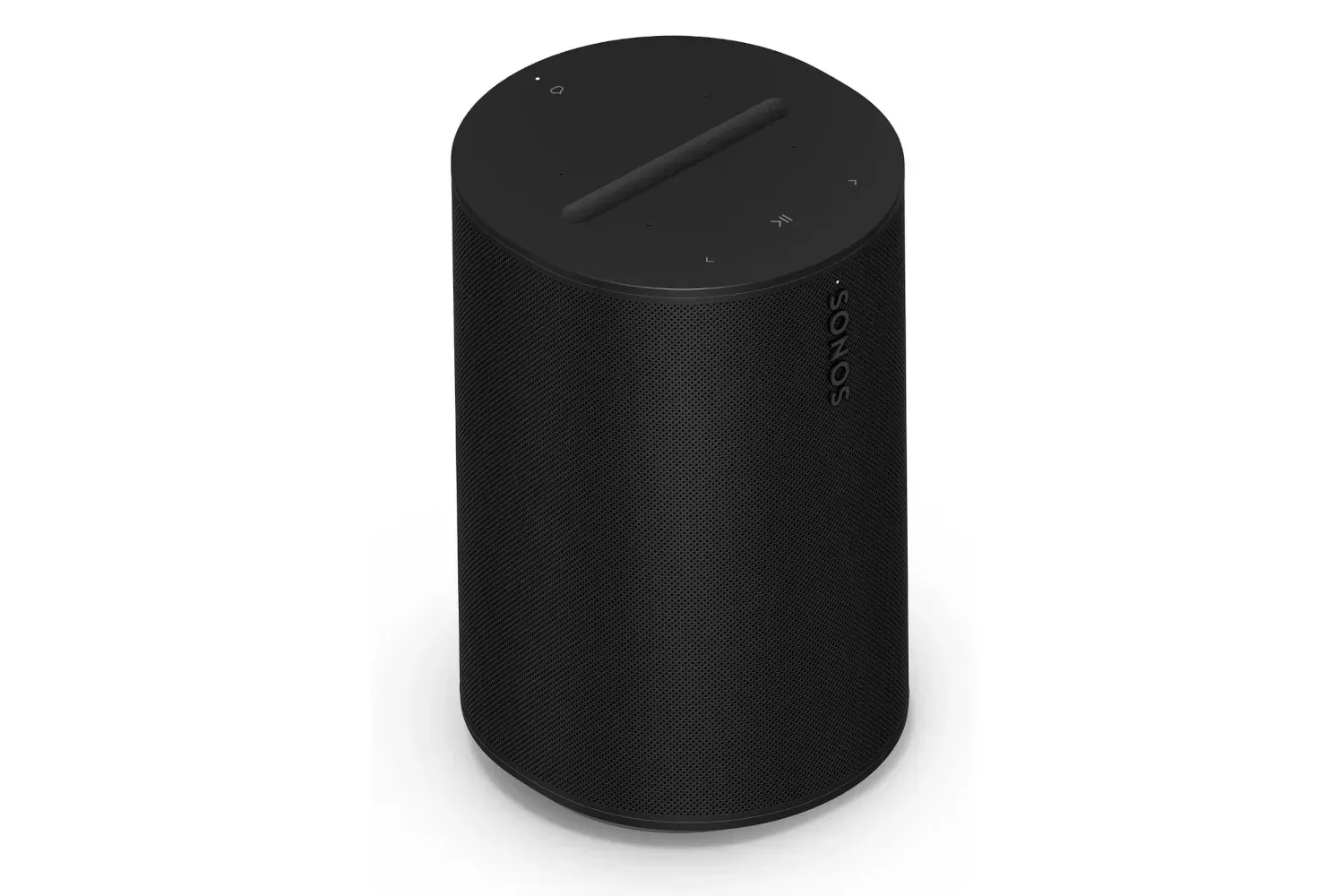
That is the headline, but a sale price only matters when the device fits the job. The Era 100 is positioned as a compact smart speaker with Alexa support, punchy bass, wireless connectivity through Wi-Fi and Bluetooth, and an auxiliary option for wired equipment such as a turntable. It also supports EQ adjustment in the Sonos app and is described as automatically detecting its room to find an appropriate audio balance.
In other words: this is not merely a little voice-assistant cylinder that answers timers while making a podcast sound like it is being broadcast through a potato. Its appeal is the attempt to put fuller music playback, several connection methods and app-based control into a speaker that can still be moved around the home.
The deal in plain numbers
- Current listed price: $179
- Stated standard price: $219
- Difference: $40
- Stated discount: 18%
- Colours mentioned: Black and white
The practical takeaway is straightforward. Anyone already considering an Era 100 can evaluate the $179 price against the speaker’s connection options and their own listening setup, rather than treating the percentage alone as the whole story. A lower price does not magically make an incompatible setup compatible; alas, retail has not yet unlocked that skill tree.
What makes the Era 100 different from a basic smart speaker?
A smart speaker combines audio playback with voice-assistant functions. In this case, Alexa support is part of the proposition, while the speaker is also intended to handle music, audiobooks and other audio. The useful question for a buyer is not whether it can be called smart, but how often the audio side and the connection flexibility will actually be used.
The Era 100 is described as powerful for its compact size, with notably strong bass. Bass is the low-frequency portion of sound: kick drums, bass guitars and the lower body of many voices live there. A speaker with more punch in that range can give music and spoken content greater weight, though personal preference and room placement remain important. The supplied information does not establish measurements, a particular driver layout or comparisons with named competing models, so the sensible claim is simply that robust bass is a highlighted feature.
Compact dimensions also have a mundane but meaningful benefit: placement. A speaker that can fit on a shelf, desk or side table is easier to use where people actually spend time. It is also described as light enough to move around the home. That makes sense for someone who wants one speaker to serve different rooms, although buyers should think about whether they prefer portability or a fixed spot with a consistent listening setup.
Connections: Wi-Fi, Bluetooth and auxiliary explained
The Era 100 supports three broad ways of getting sound to the speaker: Wi-Fi, Bluetooth and an auxiliary connection for certain physical devices. Each option answers a different need.
Wi-Fi
Wi-Fi is the home-network route. For a speaker intended to live in a room and play audio as part of a connected setup, this is likely to be the default approach. The speaker can be managed through the Sonos app, which is also where EQ changes are available. Wi-Fi is therefore the path most associated with the Era 100’s smart-speaker identity and app-controlled settings.
Bluetooth
Bluetooth is the direct wireless option useful for connecting a phone or another compatible device without making every listening session feel like it needs a committee meeting with the home network. It broadens the range of devices that can send audio to the speaker and can be especially convenient for guests or quick playback.
Auxiliary input
An auxiliary connection is a wired audio route. The supplied details specifically identify a turntable as an example of equipment that can be connected this way. That matters because it gives the Era 100 a place in a mixed setup containing both modern wireless devices and older or more traditional audio hardware.
Buyers should still verify the exact accessories and connection requirements for their own equipment before purchasing. The available information establishes that an auxiliary option is part of the speaker’s connectivity, but it does not provide a complete compatibility list or installation details.
EQ and room-aware tuning: what those controls are for
EQ, short for equalization, is the adjustment of different frequency ranges in audio. In plain English, it is how listeners can alter the tonal balance: more emphasis on bass, for example, or changes that make certain parts of music and dialogue more prominent. The Era 100 allows EQ adjustments through the Sonos app.
For people who like to tailor playback, app-based EQ is useful because different content benefits from different balances. A music listener may value extra low-end impact, while someone focused on audiobooks may prefer a presentation that keeps speech comfortable and clear. There is no universal “best” EQ setting; room acoustics, placement and listening habits all shape the result.
The speaker is also described as detecting the space it occupies and choosing a balance automatically. This is room-aware tuning: an attempt to account for how a speaker’s surroundings affect sound. A hard surface, shelf location or the size and openness of a room can all change how audio is perceived. Automatic adjustment can be valuable for listeners who do not want to fiddle with settings, while the available EQ controls provide a route for those who do.
That combination is one of the clearer practical advantages in the listing. The automatic process can offer a starting point, and the app leaves room to change the sound afterward. It is a far better arrangement than being forced to choose between an inscrutable automatic mode and a panel of sliders that looks like a spaceship’s airlock controls.
Who the $179 Era 100 listing may suit
The discounted Era 100 makes the most sense for shoppers looking for a compact speaker that emphasizes audio performance as well as smart features. Its mix of Wi-Fi, Bluetooth and auxiliary connectivity means it is relevant to more than one kind of listener:
- People who want a smart speaker for everyday music, audiobooks and voice-assistant use.
- Listeners who want stronger bass from a compact unit.
- Households that may move the speaker between rooms rather than leaving it permanently in one place.
- Users who prefer wireless playback but also want an option to connect physical audio gear, including a turntable.
- Anyone who values the ability to adjust EQ in an app, alongside automatic room-based balancing.
It may be less compelling for a shopper who only needs the lowest-cost way to ask for weather updates or set kitchen timers. The cited strengths are audio power, flexibility and tuning controls, so the best value comes from using those features rather than buying it solely for the word “Alexa.”
How to assess the discount without getting sale-brained
A $40 reduction from the stated $219 regular price is meaningful, but shoppers can still make a calmer decision by checking a few basics. First, choose the intended room. The speaker is compact and movable, but a planned location helps determine whether Wi-Fi reach, shelf space and access to a power outlet work for the setup.
Second, list the devices that will play through it. A phone or other Bluetooth source may make the wireless option the priority. A turntable or similar physical device makes the auxiliary capability more important. If app tuning appeals, make sure the person setting up the speaker is comfortable using the Sonos app.
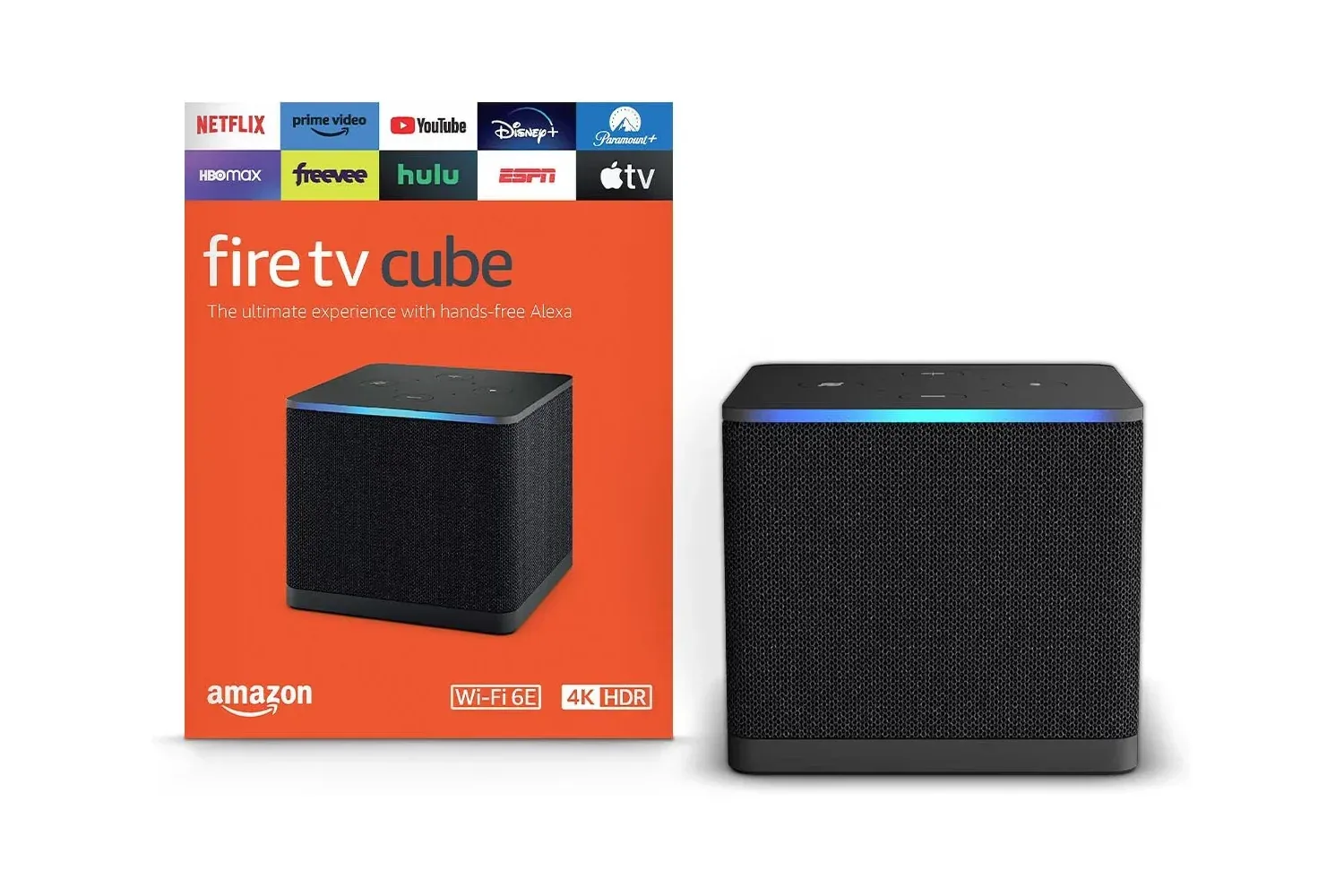
Third, do not confuse a smart speaker with a universal entertainment hub. This listing supports music, audiobooks and other audio, with several inputs and Alexa capability. It does not provide enough information to promise features beyond those areas. For shoppers building a broader living-room setup, a discounted streaming box could be a separate consideration; the Amazon Fire TV Cube’s own Black Friday listing, for example, is a different kind of deal rather than an alternative description of what the Era 100 does.
Availability and price caution
The Era 100 is listed at $179 at the time reflected by the deal information, in either black or white. Retail pricing and stock can change, particularly around major sale periods, so the current product page is the place to confirm the final price, selected colour and any details necessary for a specific wired setup.
At the advertised figure, the appeal is clear: a $40 saving on a compact Sonos smart speaker that combines Alexa support, punchy bass, Wi-Fi, Bluetooth, an auxiliary connection and adjustable or automatically balanced sound. For a buyer who will actually use that flexibility, it is a more substantive proposition than a cheap speaker that only excels at shouting back the wrong answer to a timer.
Shop the products
Check current price, model and availability at the retailer.