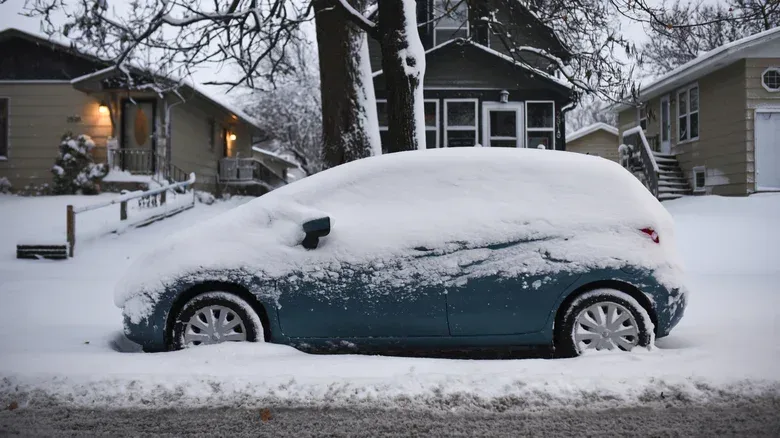
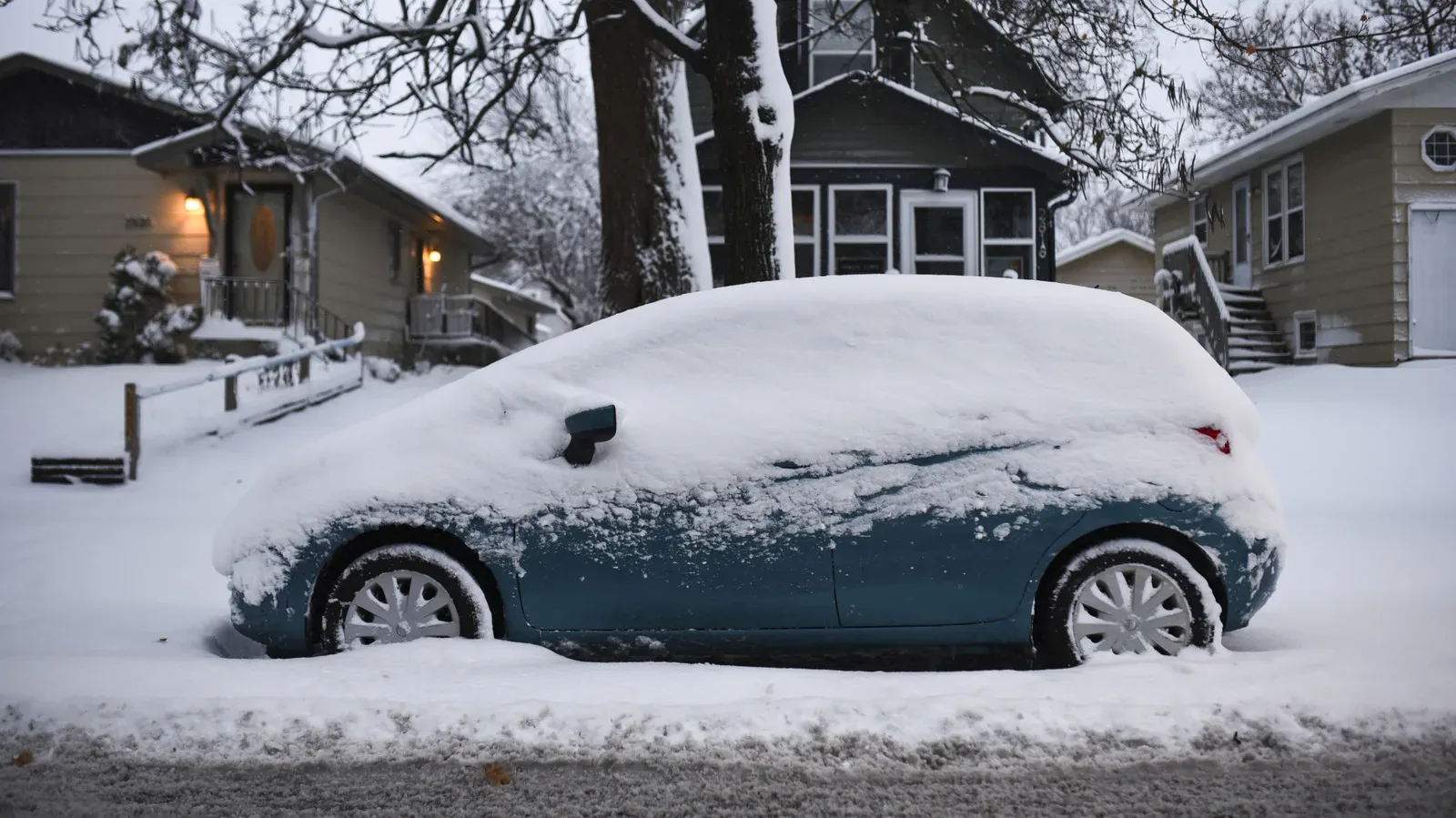
Winter car trouble has a talent for arriving when the useful parts of the day have already logged off. The temperature is down, daylight is limited, a tire appears to have misplaced some of its air, and suddenly every item in the trunk is either exactly what you need or an object of profound disappointment. A sensible emergency kit cannot guarantee an easy fix, but it can reduce the number of problems that pile onto a breakdown.
The most useful approach is not to chase one miracle device. It is to cover several jobs: restoring enough power to start the car, maintaining tire pressure, seeing and being seen in the dark, keeping a phone usable, and staying warmer if the engine is unavailable. The six items below do that work. A few low-tech supplies round out the kit because batteries are helpful, but a shovel remains extremely unconcerned with firmware updates.
1. Portable jump starter: independence when the battery gives up
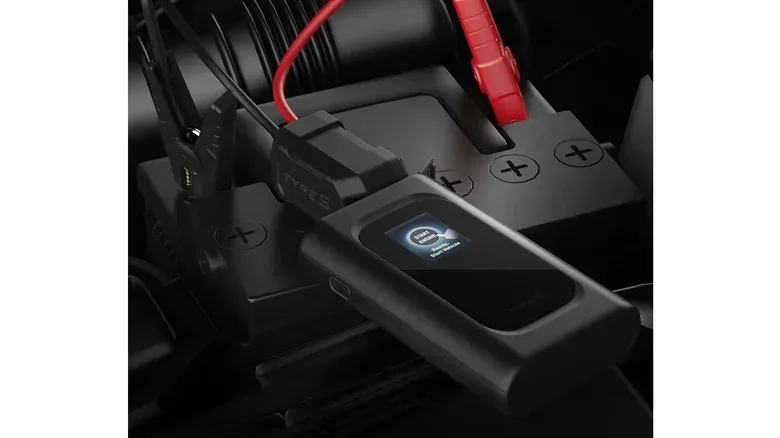
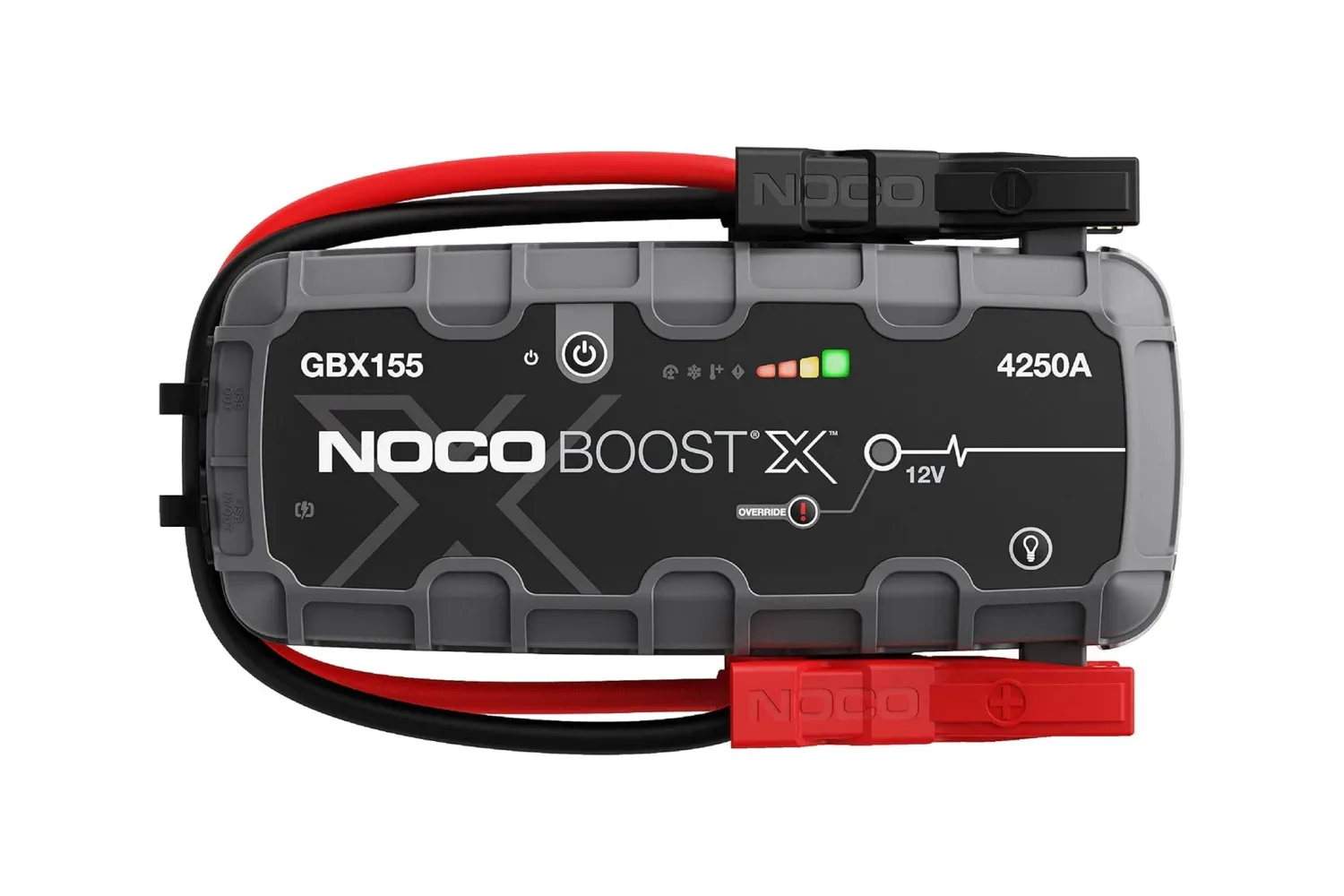
A portable lithium-ion jump starter is one of the clearest upgrades to the traditional pair of jumper cables. Rather than needing another vehicle and another driver, it gives a motorist a self-contained way to address a dead car battery. That is particularly valuable when a breakdown happens somewhere isolated, late, or simply inconvenient enough that asking a stranger for help is not an appealing plan.
What it does: A jump starter supplies the power needed to help start a vehicle with a discharged battery. It is not an all-purpose substitute for maintaining the vehicle battery, and it does not eliminate the need to understand its own limits. The key shopping check is whether a unit is rated for the size of the engine in the vehicle. Its supported temperature range should also suit the conditions where it will live.
Many portable jump starters include reverse-polarity protection. In plain terms, that is a safeguard intended to help prevent trouble if the clamps are connected backward. That is a welcome feature during an already stressful roadside moment, but it should not be treated as a reason to become casual about connections.
Its unavoidable weakness is the same thing that makes it portable: it has a battery of its own. Lithium batteries hold less charge in cold weather. A jump starter stored for months and never checked is less an emergency tool than a small rectangular reminder of administrative failure. Charge it frequently during winter, and include it in a seasonal equipment check.
2. Portable tire inflator: the answer to a slow seasonal pressure loss
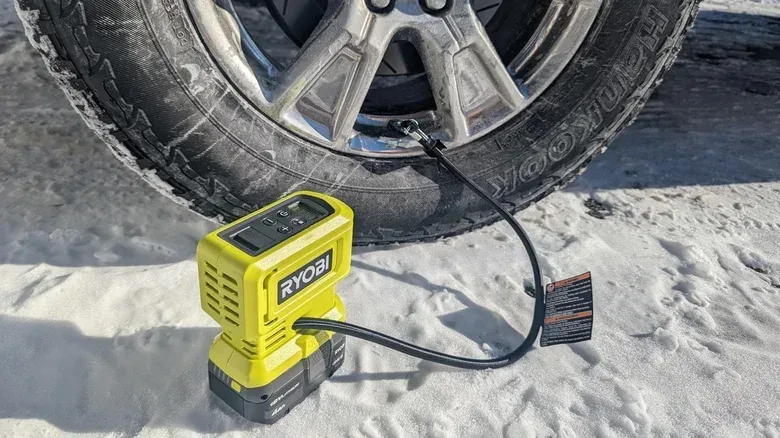
Tire pressure can fall as temperatures drop. Tires may lose roughly 1 to 2 psi for every 10-degree Fahrenheit decline in temperature. PSI means pounds per square inch, the unit used to describe air pressure in a tire. That temperature-driven change can make a previously acceptable tire feel soft at the exact time of year when a stop for air is especially annoying.
A portable inflator means a driver does not have to find a gas station air pump before dealing with low pressure. Models can run from their own battery or from a vehicle's 12-volt outlet. The latter is the familiar power outlet found in many cars, historically associated with cigarette-lighter-style accessories.
Related coverage includes 6 gadgets worth keeping in your car this winter.
Combination units that pair an inflator with a jump starter can make a kit smaller and simpler. There is an obvious tradeoff, however: if the shared battery is drained, both functions are unavailable. Keeping the jump starter and inflator as separate tools offers redundancy. In emergency-preparedness terms, redundancy means avoiding a situation where one depleted component removes multiple capabilities at once.
This is why separate devices are the safer option when the budget allows. It is not about accumulating gadgets for their own sake. It is about not placing both “start the vehicle” and “put air in a tire” behind one charge indicator.
3. Headlamp or neck light: solve the visibility problem without sacrificing both hands
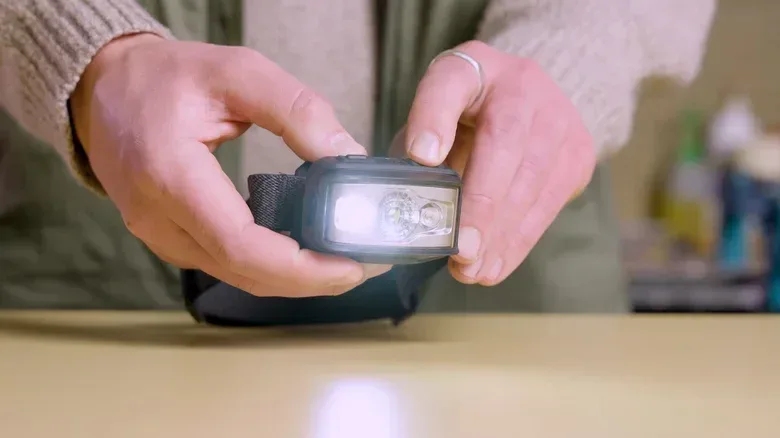
Winter provides fewer daylight hours, and snow can compound the difficulty of working beside a vehicle. A flashlight helps, but it often asks a person to choose between holding the light and doing the repair. A headlamp or neck light avoids that tradeoff by directing illumination while keeping hands available for a tire change or other task.
For this kind of kit, a model using AA or AAA cells has a practical advantage: spare batteries can stay in the glovebox. Lithium cells are especially suitable for cold conditions and can remain stored for years without leaking. That makes the lighting setup less dependent on remembering to recharge yet another device.
There is a broader preparation lesson here. A battery-powered item only works when its power system is supported. A rechargeable light needs regular charging; a replaceable-battery light needs compatible spares. Neither approach is automatically superior. The better choice is the one whose upkeep will actually happen.
4. LED road flares: make the stopped car easier for others to notice
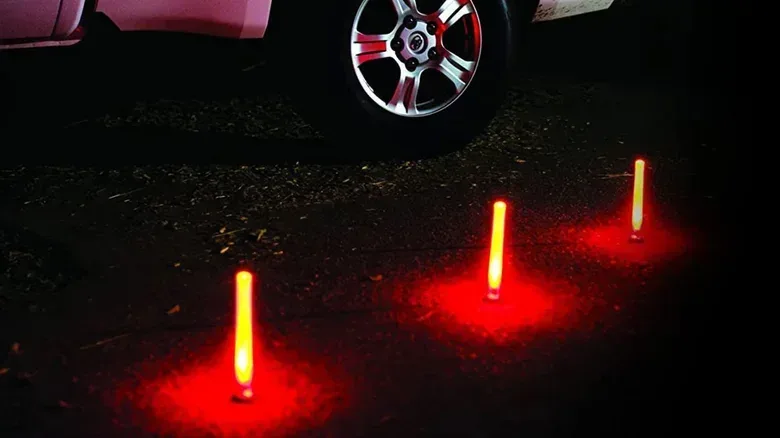
Seeing the tire, the jack or the contents of the trunk is only half the nighttime problem. Other drivers also need to recognize that a vehicle is stopped at the roadside. Hazard lights and a reflective warning triangle are useful starting points. LED road flares add another highly visible signal that can be placed to draw approaching drivers' attention.
The distinction matters: a headlamp improves your ability to work, while a road flare improves the chance that others notice the roadside hazard. These are different jobs, which is why one should not be treated as a substitute for the other.
LED flares also fit the basic logic of a winter kit: they are compact, dedicated and useful in the conditions where visibility is poorest. They need a periodic battery check just like every other powered item. A flare tucked away with dead batteries has made an excellent commitment to being decorative.
5. Power bank: keep the phone from joining the emergency
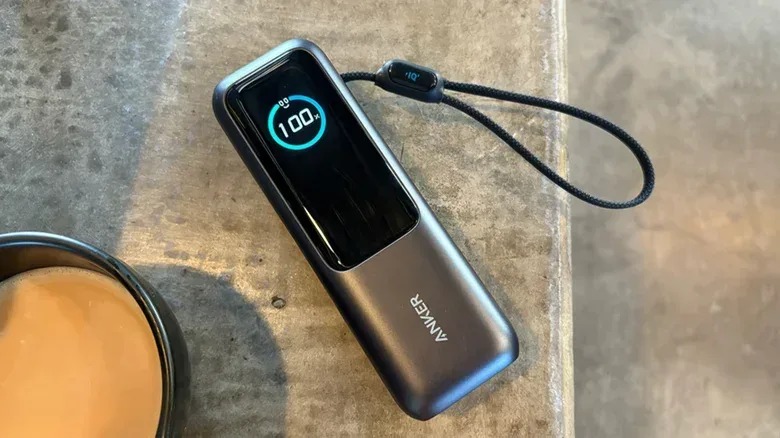
When the car will not start, a phone becomes the connection to help, directions and the outside world. A charged power bank helps prevent the vehicle battery problem from becoming a phone-battery problem as well. It is a simple item, but it earns its place because communication matters most when options are limited.
The requirement is equally simple: keep it charged. A power bank can be part of the same seasonal routine as the jump starter, light and road flares. Check charge status before harsh weather becomes a daily possibility, rather than discovering it after the car has stopped cooperating.
For readers already thinking about the broader category of compact, battery-reliant gear, our guide to Samsung SmartTag3 range, Bluetooth distance and the Galaxy Find Network explains why technical limits and the surrounding network matter as much as a product's headline purpose. The same principle applies here: an emergency gadget is only as useful as its charge, conditions and real-world constraints allow.
6. Heated blanket or disposable heated vest: prioritize warmth without draining the starting battery
Waiting in a disabled vehicle in winter can be miserable. A heated blanket or disposable heated vest can add warmth, while a regular non-heated blanket is a worthwhile fallback that requires no charging and no power outlet at all.
A heated blanket designed for a car's 12-volt outlet should not be used if the engine is already dead. Drawing power from the car battery for an extended period can deplete the battery that may still be needed to start the car. This is a practical distinction between a comfort accessory and an emergency strategy: keeping warm is important, but preserving the remaining chance of getting the vehicle running may be more important.
Air-activated heated vests provide a non-powered alternative. They work on the same broad premise as disposable hand warmers, with warming pads attached to a single-use vest. They are available in different sizes for family members, but they should remain sealed until needed. Opening the package early spends the item before the emergency arrives.
The non-tech supplies that keep the tech honest
A winter kit should not be a shrine to lithium-ion cells. Several ordinary items fill gaps that electronics cannot:
- Folding steel shovel: useful for digging out tires and clearing a blocked tailpipe when stuck.
- Snow brush and ice scraper: straightforward tools for winter conditions.
- Gloves and a hat: basic clothing that can make outdoor work more tolerable.
- Hand warmers: a compact warmth option alongside blankets or vests.
- Small first-aid kit: a sensible part of an all-purpose car kit.
- Reflective warning triangle: an additional way to alert approaching traffic to a stopped vehicle.
The point is resilience rather than novelty. The shovel works when charging has been forgotten. The blanket works when the vehicle's electrical system is unavailable. The ice scraper is ready precisely because it has no app to update and no battery to sulk in the cold.
A practical seasonal check beats buying more gear
The best time to discover that a jump starter is empty or that a power bank will not hold charge is not during a snowy roadside stop. At least once each season, inspect every battery-powered item in the kit. Recharge what needs charging, replace batteries where appropriate and verify that the items are still present rather than gradually migrating indoors.
It is also worth treating storage as part of preparedness. Put the equipment somewhere it can be reached without unpacking the whole car. Keep compatible spare AA or AAA lithium batteries with the headlamp or neck light. Leave disposable warming items sealed. Keep the shovel, brush and scraper where snow or trunk clutter will not make them inaccessible.
None of this makes a breakdown fun, and no device removes the need for sound judgment. What it can do is break a winter emergency into manageable parts: power, pressure, light, visibility, communication and warmth. That is a far better loadout than relying on hope, a nearly empty phone and a glovebox full of old receipts.