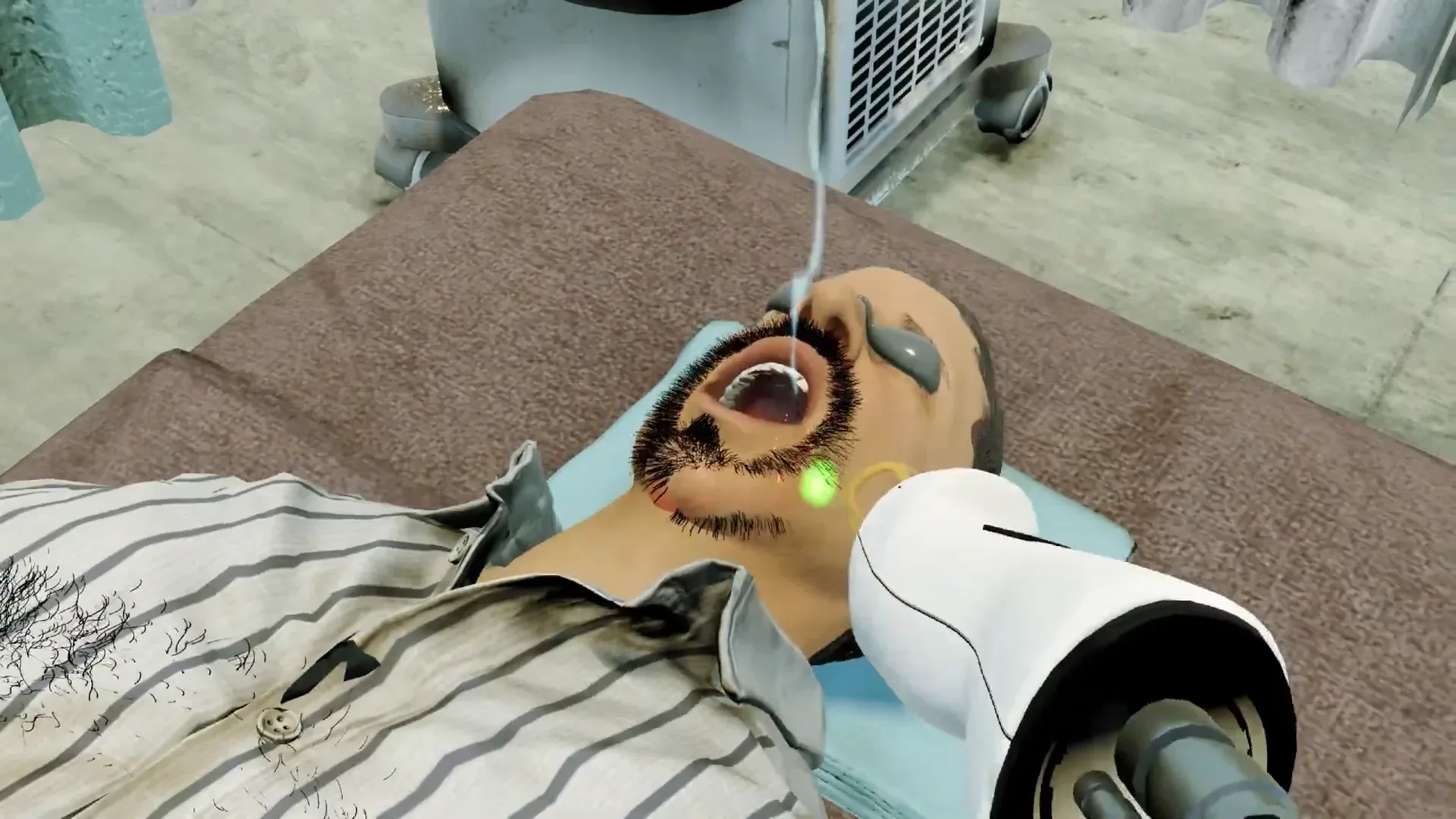
Shuhei Yoshida’s latest Tokyo Game Show recommendations are a useful reminder that an indie-game advocate’s taste does not have to fit neatly into a genre box. His picks range from a Sonic the Hedgehog collaboration and first-person horror to a simulation game whose central activity is removing body hair from a succession of hairy customers.
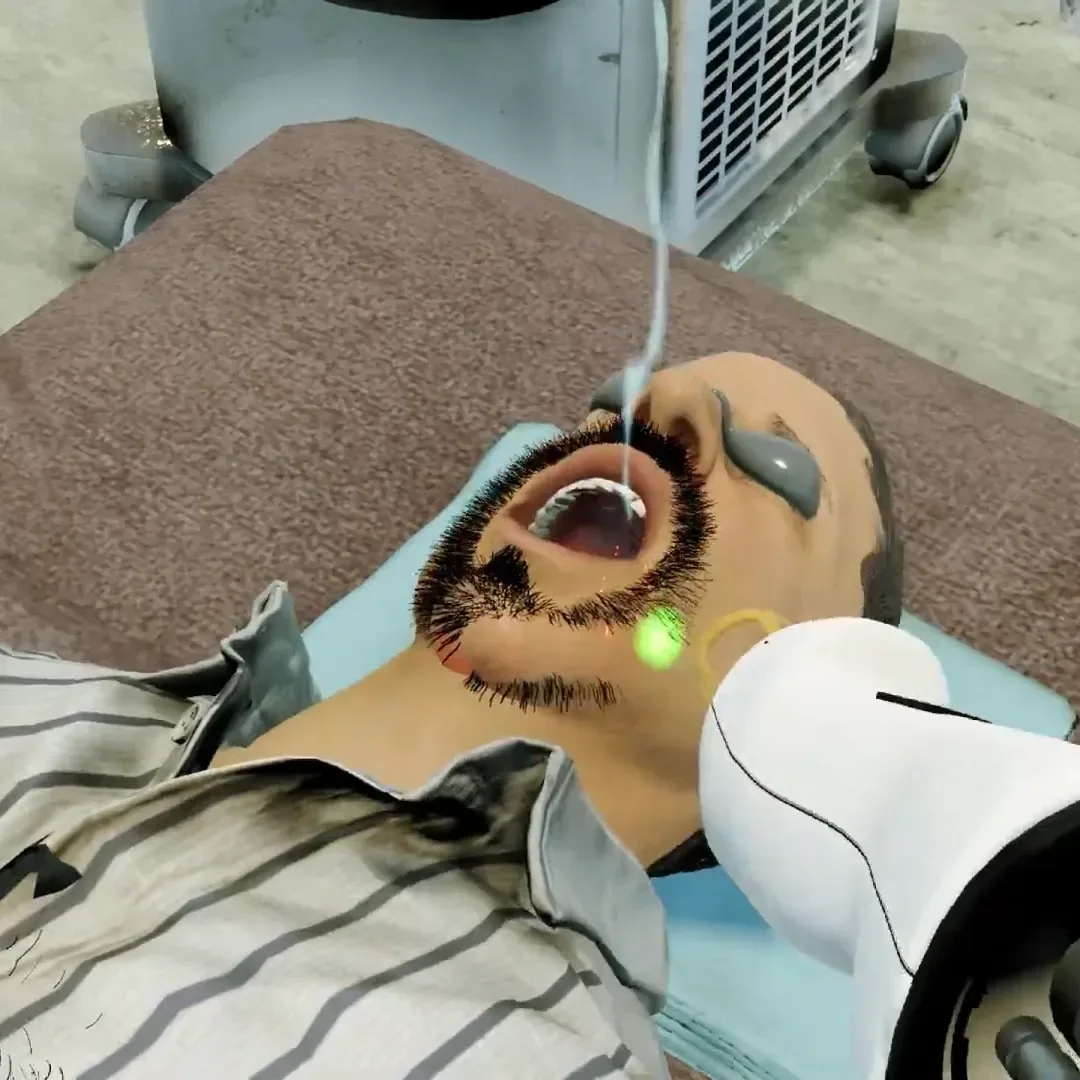
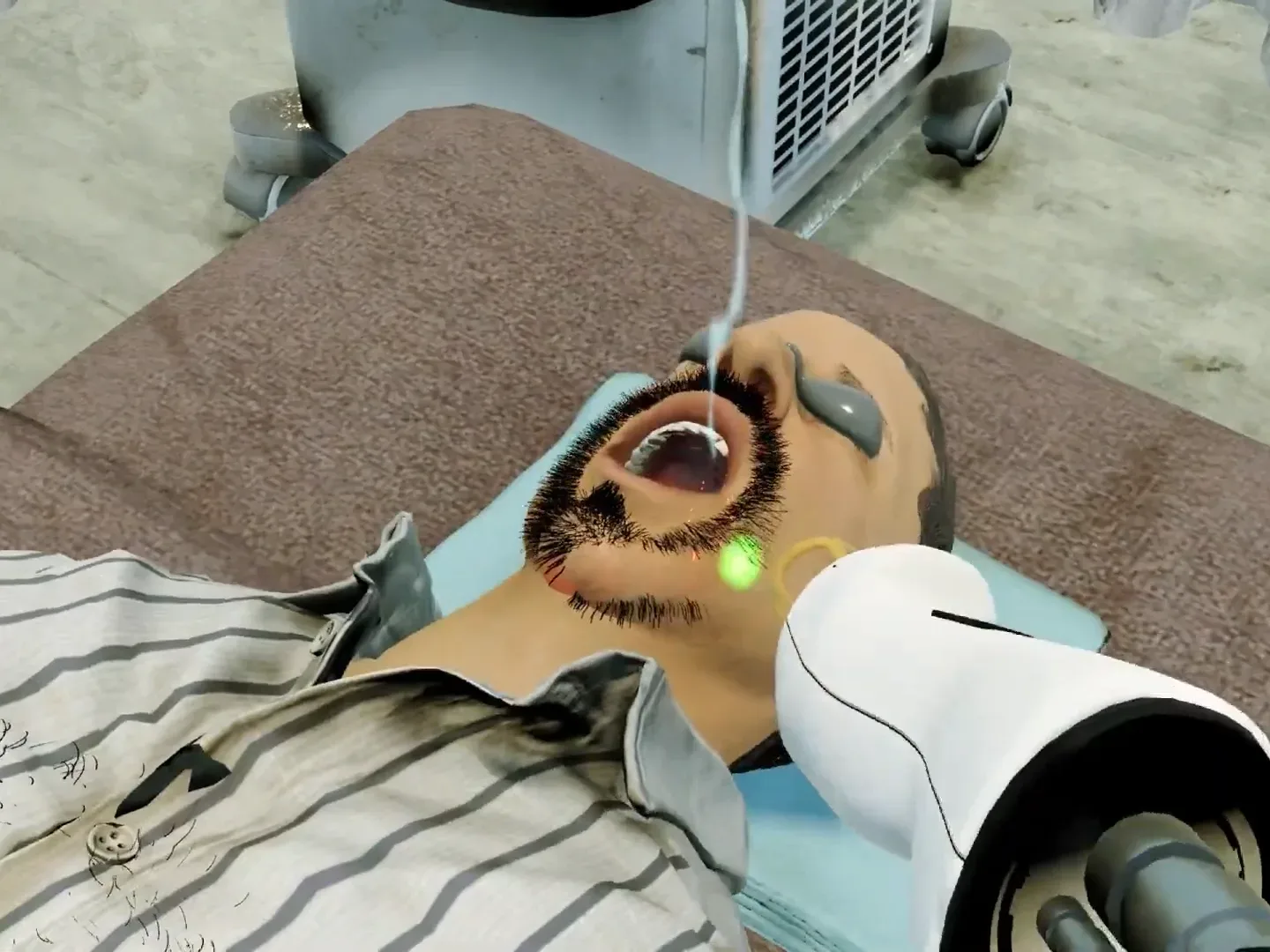
The title that received his most emphatic praise was Hair Removal Salon Simulator, a game with an intentionally strange setup and a plain-spoken name. Players run a salon and remove hair from male clients using methods that reportedly include sticky tape, swords, fire and even a miniature goat. That list is deliberately absurd, but Yoshida’s interest is not only in the gag. He identified the simple satisfaction of cleaning up a messy surface as the game’s essential hook, while appreciating the unsettling, grotesque presentation built around it.
“It’s like Power Wash Simulator except you relentlessly remove hair from hairy men. It’s creepy, but it feels good.”
That is a concise explanation of why the premise may land with players who would otherwise dismiss it as a one-note joke. The act of removing visible clutter is legible immediately: an area begins covered, the player works on it, and the result is cleaner. A simulator can derive much of its appeal from that direct feedback loop, even when its subject is comically mundane—or, in this instance, distinctly uncomfortable.
Why an odd salon game can be satisfying
A feedback loop is the repeating pattern through which a game gives a player an action, shows the outcome and encourages another action. In a cleaning-focused game, the loop may be as simple as spotting grime, applying a tool and seeing a clean patch emerge. It is not necessarily about reproducing a real job with total accuracy. Rather, it makes progress visual, frequent and easy to understand.
Hair Removal Salon Simulator appears to take that approachable loop and push it into surreal territory. Sticky tape suggests an immediately recognizable hair-removal tool, while swords, burning and a tiny goat transform a familiar task into unpredictable comic spectacle. The contrast matters. The game can retain the clarity of a cleaning activity while constantly changing the tone of the action players use to achieve it.
Yoshida’s description also makes an important distinction between something being creepy and something being ineffective. A grotesque visual style may be the point: it creates friction against the otherwise calming premise of restoring order. The basic goal remains clear, but the setting makes that goal feel weird enough to be memorable.
There are no platform, launch-date or pricing details in the material available here, so interested players should treat the recommendation as an invitation to keep the title on their radar rather than as confirmation of release plans. The same restraint applies to the game’s broader structure. Its salon premise and unusual tools are known, but there is no basis to assume progression systems, challenge modes or any particular number of clients.
Related coverage includes Shuhei Yoshida's Tokyo Game Show Picks Put Hair Removal Simulator Alongside Sonic's Indie Collaboration.
Sonic Pico Park joins a deliberately broad list
Hair Removal Salon Simulator was not Yoshida’s only Tokyo Game Show highlight. His selection also included Finding Polka, the first-person horror game Haunted Streamer, and Sonic Pico Park, described as a new Sonic the Hedgehog indie collaboration.
That lineup is notable precisely because its games do not appear to be chasing the same audience. Sonic Pico Park carries the immediate recognition of a major character, while Haunted Streamer signals a horror experience built around a first-person perspective. Finding Polka was singled out as especially charming in appearance. Then there is a salon simulator centered on removing hair by increasingly bizarre means.
For players, this is a better way to read a recommendation list than as a ranking of supposedly universal “best” games. A showcase event can contain polished projects, experiments, oddball comedy, horror and collaborations with large franchises all at once. The value of a prominent curator pointing at several of them is often discovery: a game that might have been skipped because of its screenshot, title or elevator pitch gets a little more attention.
Sonic Pico Park is perhaps the clearest example of an unusual meeting point. Sonic is one of gaming’s most recognizable names, whereas an indie collaboration implies a project shaped outside the usual expectations attached to a big franchise. The available information does not establish gameplay details, participating developers or release plans. Still, its presence beside much smaller-sounding concepts underscores the wide range Yoshida is willing to highlight.
For a broader reminder of how differently PlayStation-era platformers can approach movement and playful design, see our ranking of PlayStation platformers.
Yoshida’s long-running indie focus
Yoshida is closely associated with PlayStation’s history, including work producing landmark games for the original PlayStation. In his later years at Sony, however, he became especially visible as a supporter of independent developers. He regularly shared indie recommendations while at the company, and that enthusiasm was notable enough to lead to his appearance as a playable character in Capybara Games’ Super Time Force Ultra.
He left Sony in 2025, but has continued to advocate for indie development in interviews. His Tokyo Game Show selections fit that established pattern. They are not limited to safe, prestige-coded picks or games whose appeal can be summarized by a familiar blockbuster genre. A bizarre simulator can sit beside a horror game and a new Sonic project without needing to justify the contrast.
That kind of advocacy is practical as well as celebratory. Indie games frequently have to communicate their identity very quickly. A striking concept can help, but it can also lead audiences to write the title off before understanding its play loop. “A game about removing hair” is certainly an attention-grabbing description. Yoshida’s comments add the more useful explanation: beneath the bizarre surface is a cleanup-oriented structure designed to make each completed patch feel rewarding.
What players should take from the recommendation
The most interesting part of this selection is not an instruction to enjoy simulation games, body-hair comedy or horror. It is the suggestion that presentation and mechanics can be evaluated separately before deciding whether a game is worth a closer look.
- Presentation: Hair Removal Salon Simulator is intentionally creepy and grotesque, with tools chosen for absurdity.
- Core activity: Players remove hair from clients in a salon setting.
- Player reward: The act of making a dirty or covered area look clean provides the immediate sense of progress Yoshida compared with Power Wash Simulator.
- Unknowns: Its platforms, price, release timing and full feature set are not established by the available information.
That framework is also useful for the other selections. Haunted Streamer being first-person horror tells potential players something about viewpoint and tone, but not everything about its systems. Sonic Pico Park’s franchise connection and indie-collaboration status make it intriguing, but should not be inflated into unconfirmed claims about how it plays. Finding Polka’s attractive look is a reason to investigate, not proof of a particular genre or structure.
Tokyo Game Show’s role here is as a setting for discovery rather than a guarantee of any one game’s eventual scale. Yoshida’s picks point toward projects with distinct identities, including one that finds an odd balance between revulsion and the very human pleasure of tidying something up. Sometimes the pitch that sounds least dignified is the one that explains its mechanical appeal most clearly.