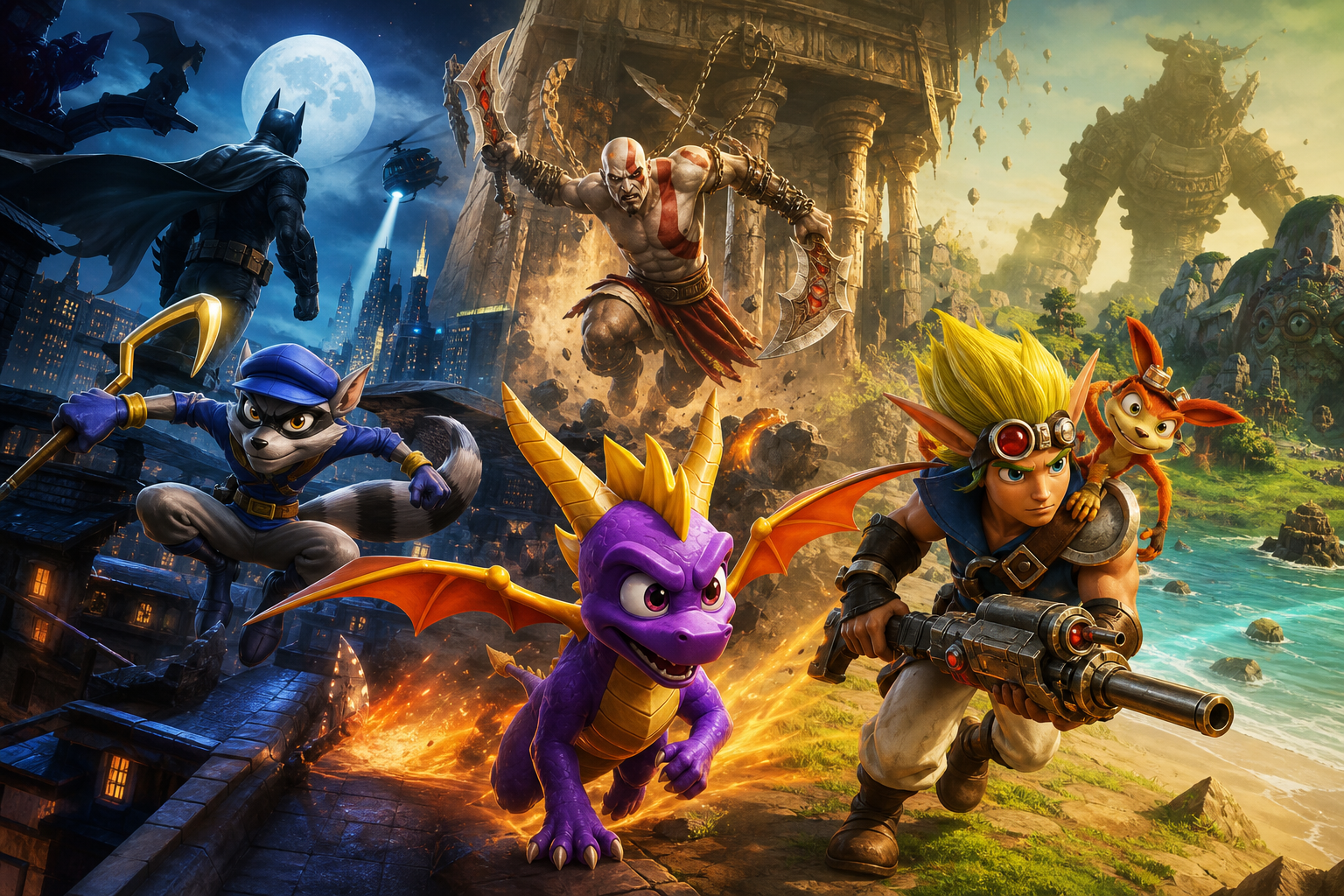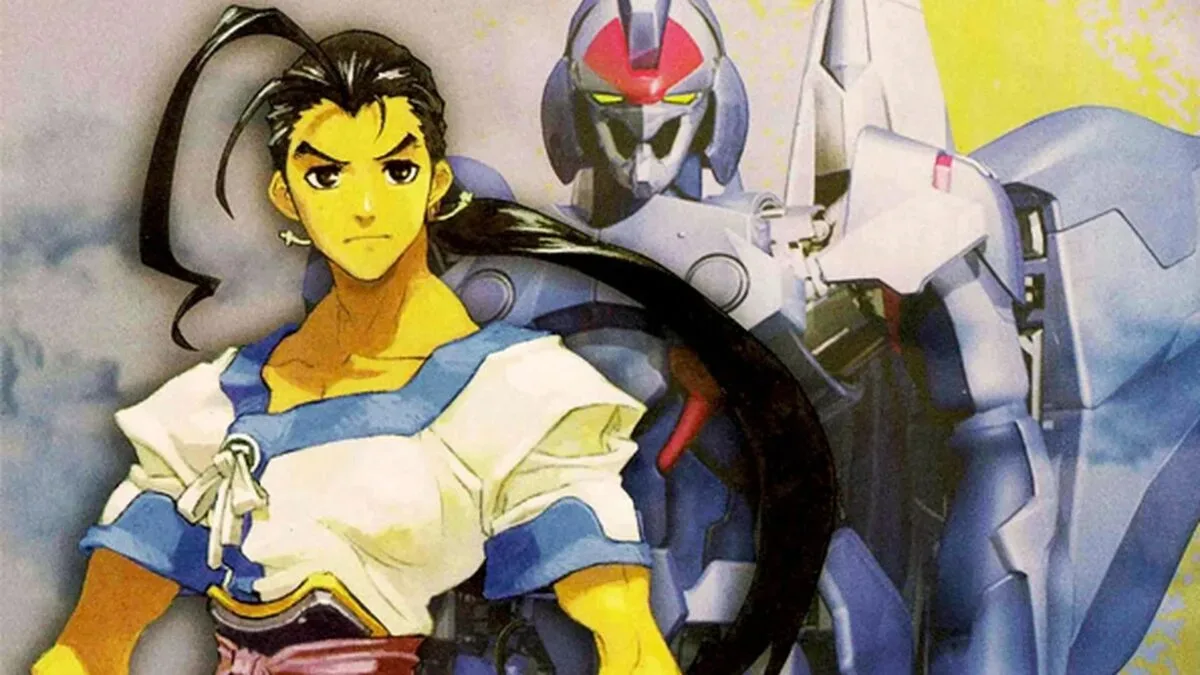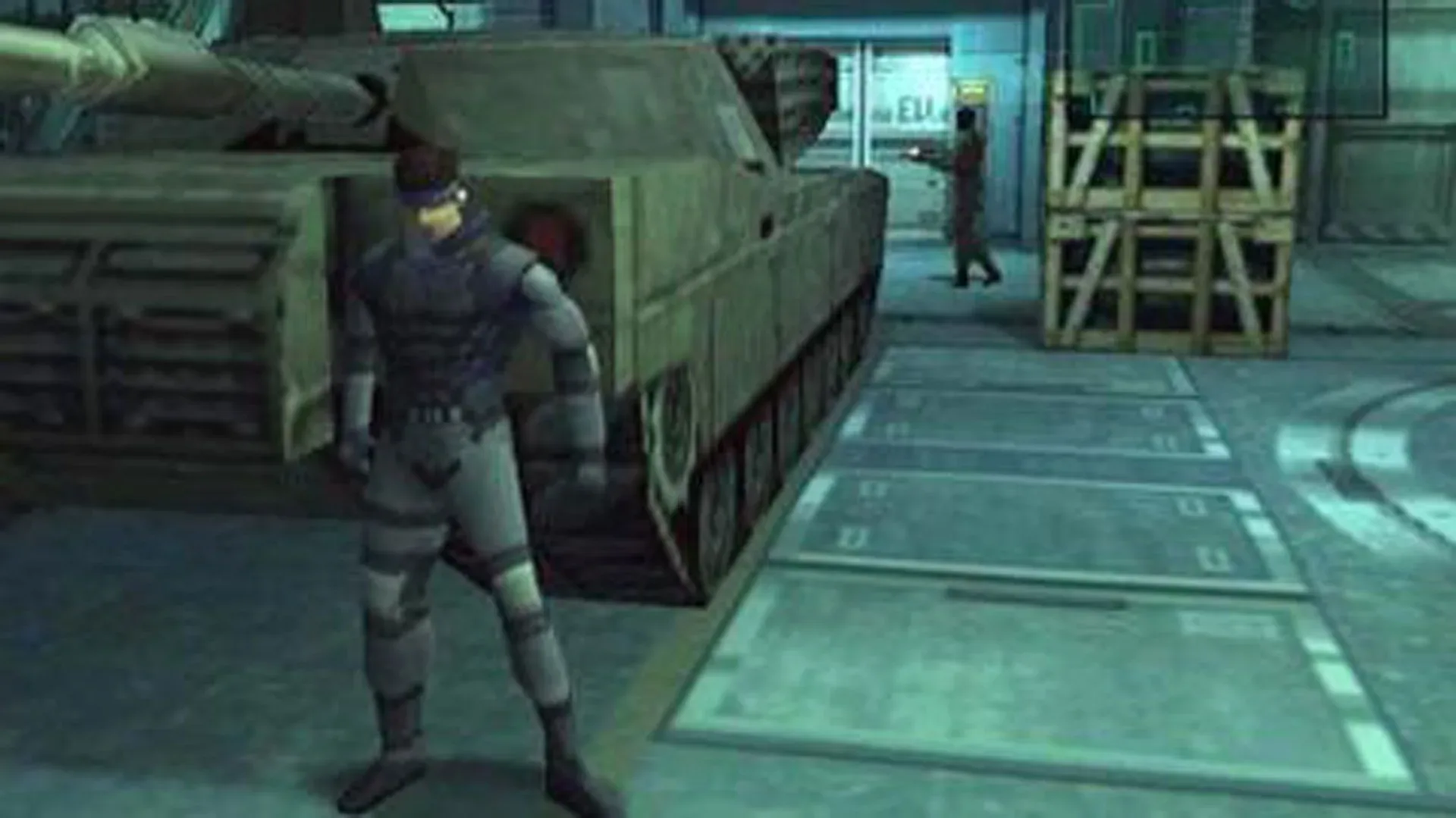
The original PlayStation helped make 3D platforming a mainstream language, but its platformer library was not limited to polygonal mascots. The system also hosted demanding side-scrollers, 2.5D experiments and unusual adventure-platform hybrids. This list treats a platformer as a game where moving across platforms, uneven terrain or vertically arranged spaces is central to play. That leaves room for Rayman, Klonoa and Tomba! alongside Crash, Spyro and Ape Escape.
The ranking considers movement quality, stage structure, mechanical originality, exploration, completion design, replay value, difficulty, camera behavior and historical identity. It ranks the original PlayStation releases, not later remakes or handheld conversions. Regional names and release dates matter too: Tomba! is called Tombi in some territories, while Tomba! 2 arrived at different times in Japan, North America and the United Kingdom. The goal is not to declare one universal winner, but to identify the right starting point for different kinds of platformer fans. Tomba! 2’s staggered PlayStation releases are documented as October 28, 1999 in Japan, January 18, 2000 in the United States and June 30, 2000 in the United Kingdom.
10. Gex: Enter the Gecko
Gex: Enter the Gecko is a 3D platformer built around television-channel and film-parody stages. Players enter themed areas through television screens, collect different remote controls, unlock additional routes and revisit completed stages for remaining goals. Gex’s tail attack, kick, wall-climbing and power-ups give him more options than a basic jump-and-stomp mascot. The stage themes are also unusually memorable, ranging from horror references to spy and cartoon parodies.
The tradeoff is that the game often feels like a promising 3D framework rather than a perfectly tuned movement machine. Camera behavior can make jumps less readable, and some stages do not flow as cleanly as their strongest ideas suggest. Players who enjoy collectible hunting, personality and themed worlds will find plenty to like. Those seeking the precise, compact challenge of Crash should begin elsewhere. Gex earns this place because its presentation, nonlinear goals and stage concepts remain distinct even when its controls show their age.
- Best for players who enjoy themed worlds, collectibles and comedy.
- Watch for camera friction and uneven stage flow.
- The PlayStation version is not interchangeable with the substantially altered Nintendo 64 edition.
9. Pandemonium 2
Pandemonium 2 uses 3D graphics while keeping its fundamental movement primarily side-on. That distinction matters: it is not a free-roaming 3D platformer in the same mold as Spyro. Instead, its stages present a succession of jumps, attacks, power-ups and hazards through a theatrical perspective. Players choose between Nikki and Fargus, whose different movement and attack abilities change how obstacles are approached. The PlayStation release appeared in 1997.
Its best quality is variety. The game can move from conventional platforming to unusual set pieces, vehicles and auto-scrolling sequences without losing its arcade-like momentum. Its limitation is precision. The rendered environments sometimes make depth and distance harder to judge, and the character-specific abilities do not always turn every level into a meaningful strategic choice. Pandemonium 2 suits players curious about how 3D presentation reshaped 2D platforming, especially those who prefer spectacle and experimentation to immaculate controls.
- Best for fans of 2.5D presentation and arcade-style variety.
- Remember that its mechanics remain mainly side-scrolling.
- Expect less consistent precision than the list’s top entries.
8. Tomba! 2: The Evil Swine Return
Tomba! 2 expands the series’ unusual combination of platforming, combat, quests and exploration. Rather than moving through a simple sequence of numbered stages, players encounter events, characters and objectives across a connected world. The result feels closer to a platform adventure than a conventional obstacle course. Progress comes from understanding what the world is asking for, solving environmental problems and returning with the right ability or information.
That openness is also the game’s largest barrier. Objectives can be less obvious than in a linear platformer, and the quest structure may leave action-focused players wondering what to pursue next. Regional details are important: the game released in Japan on October 28, 1999, in North America on January 18, 2000, and in the United Kingdom on June 30, 2000. It is also known as Tombi 2 or Tombi! 2 in some territories. Choose it for curiosity, exploration and a world full of odd events, not for a short sequence of perfectly signposted jumps.
- Best for explorers who enjoy quests and nonlinear progression.
- Search under both Tomba! 2 and Tombi 2 when checking regional editions.
- Do not expect a purely stage-based platformer.
7. Ape Escape
Ape Escape gives the platformer a strong mechanical hook: catching monkeys with a collection of gadgets. Nets, projectiles and other tools turn familiar movement spaces into pursuit puzzles. The game’s design is closely tied to the original DualShock controller’s right analog stick, which makes gadget handling feel central rather than ornamental. Sony’s own PlayStation history describes Ape Escape as the first PlayStation game to require the DualShock controller, while the game’s catalog description identifies the right stick as the input for its capture gadgets.
The same feature narrows its audience. On original PlayStation hardware, Ape Escape requires a DualShock-compatible controller, so it should not be described as a standard digital-pad platformer. Its objectives can also feel more puzzle-oriented than movement-focused, and some encounters are less satisfying once the novelty of the gadget system fades. Still, the capture loop gives every area a purpose beyond reaching the exit. It is the best choice here for players who want platforming built around tools, targets and playful problem-solving.
- Best for gadget-driven platforming and capture puzzles.
- A DualShock-compatible controller is required on original PlayStation hardware.
- Choose it over Crash when interaction matters more than pure precision.
6. Rayman
Rayman is a colorful side-scroller with unusually expressive animation and a broad movement vocabulary. Jumping, hovering, projectile attacks and temporary power-ups let stages change character as the adventure progresses. Its worlds are varied without needing a polygonal camera, and the hand-drawn presentation gives enemies and environments a strong visual rhythm. The game is also willing to demand commitment from the player: hazards are often placed to test recognition, timing and control rather than simply offer a scenic tour.
That difficulty can become a limitation. The PlayStation version has demanding sections and uneven spikes that may feel harsher than its bright presentation suggests. It is also important not to treat the PlayStation release as interchangeable with Game Boy Advance, mobile or compilation editions. Those versions can differ in content and behavior. Rayman belongs above the more experimental 2.5D entries because its core movement is consistently important. It is the pick for players who want a traditional side-scroller with substantial challenge and a memorable visual identity.
- Best for players seeking a classic side-scrolling challenge.
- Distinguish the PlayStation release from later ports and editions.
- Expect difficulty spikes rather than a relaxed mascot adventure.
5. Tomba!
The first Tomba! is one of the PlayStation’s most distinctive platform adventures because its quests are not a distraction from the platforming. They are the structure that gives the world meaning. Tomba moves through side-scrolling spaces, fights enemies and solves environmental problems while pursuing events involving the game’s mischievous pigs. Progress is often about finding the right interaction rather than simply defeating a boss at the end of a stage. Sony’s retrospective platformer survey also identifies Tomba! as a 2.5D PlayStation platformer built around exploration, villagers, food, environmental events and the pursuit of magical pigs.
That design makes Tomba! feel open-ended and occasionally strange in a way few contemporaries match. The drawback is communication: players who prefer obvious objectives and a clean map of progress may find the event system opaque. Its combat and jumping are useful, but neither is as polished in isolation as the specialist systems found in Rayman or Klonoa. Tomba! ranks higher because its structure is genuinely its own. Choose it when you want a platformer that behaves like a whimsical adventure game, with exploration and environmental logic carrying as much weight as reflexes.
- Best for players who enjoy unusual quests and exploratory worlds.
- Expect a hybrid of platforming, combat and event-driven progression.
- The game is known as Tombi in some regions.
4. Crash Bandicoot: Warped
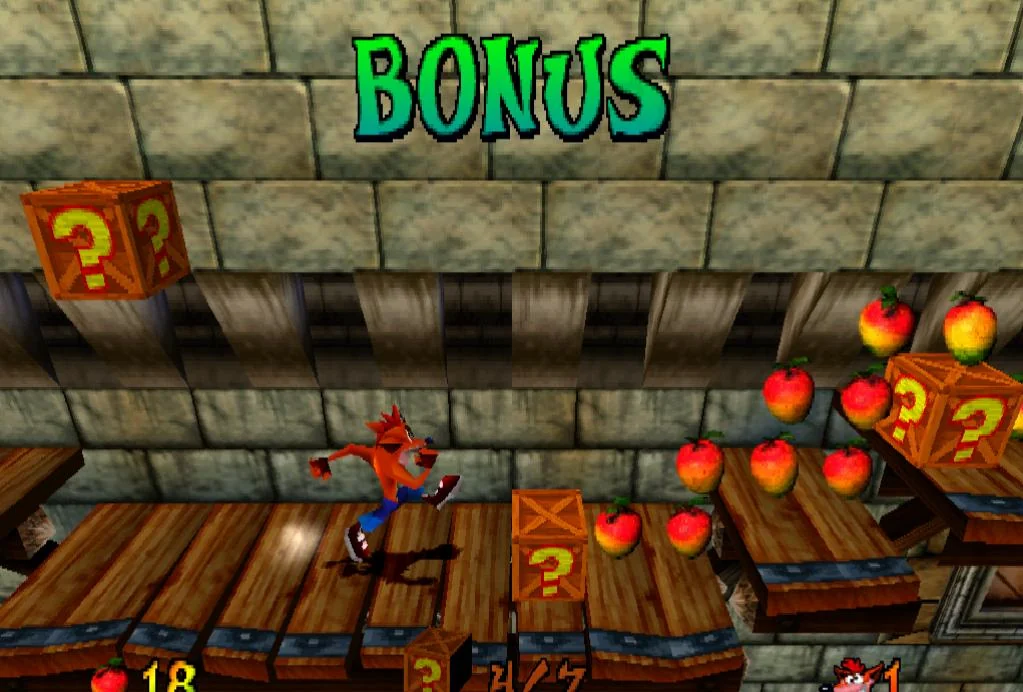
Crash Bandicoot: Warped is the broadest and most varied of Naughty Dog’s original PlayStation trilogy. Its time-travel structure allows stages to shift setting and rhythm, while crystals, bosses and optional completion goals give the adventure a clear long-term shape. Crash’s movement remains easy to understand, but the game adds abilities and formats that let players approach obstacles in new ways. Sony’s PlayStation retrospective describes Crash 3 as the apex of the original series in terms of gameplay variety, a useful historical explanation for why this entry remains such a strong candidate for the list.
The extra variety can interrupt that focus. Vehicle stages and other alternate formats offer useful contrast, but players who want uninterrupted platforming may prefer Crash 2. Completion goals also expose the difference between finishing a level and mastering it. Warped is the best pick for someone who wants a large serving of the series’ ideas in one package, while Crash 2 has the tighter overall rhythm. Its rank reflects breadth, polish and historical importance, not a claim that every stage type is equally strong.
- Best for players who want the most varied original Crash package.
- Choose Crash 2 instead if you prefer uninterrupted platforming.
- Optional completion goals make the game substantially more demanding.
3. Spyro 2: Ripto’s Rage!
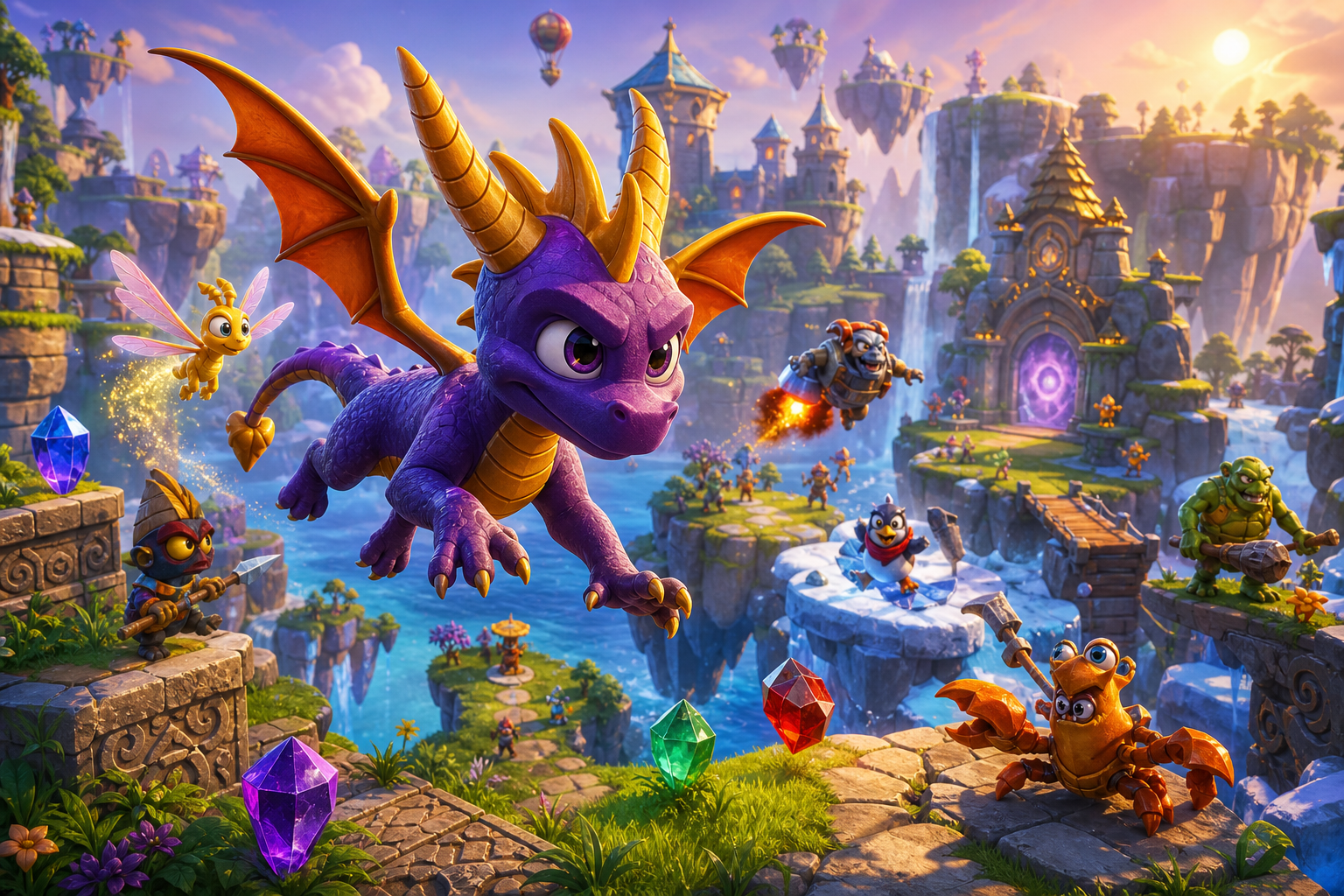
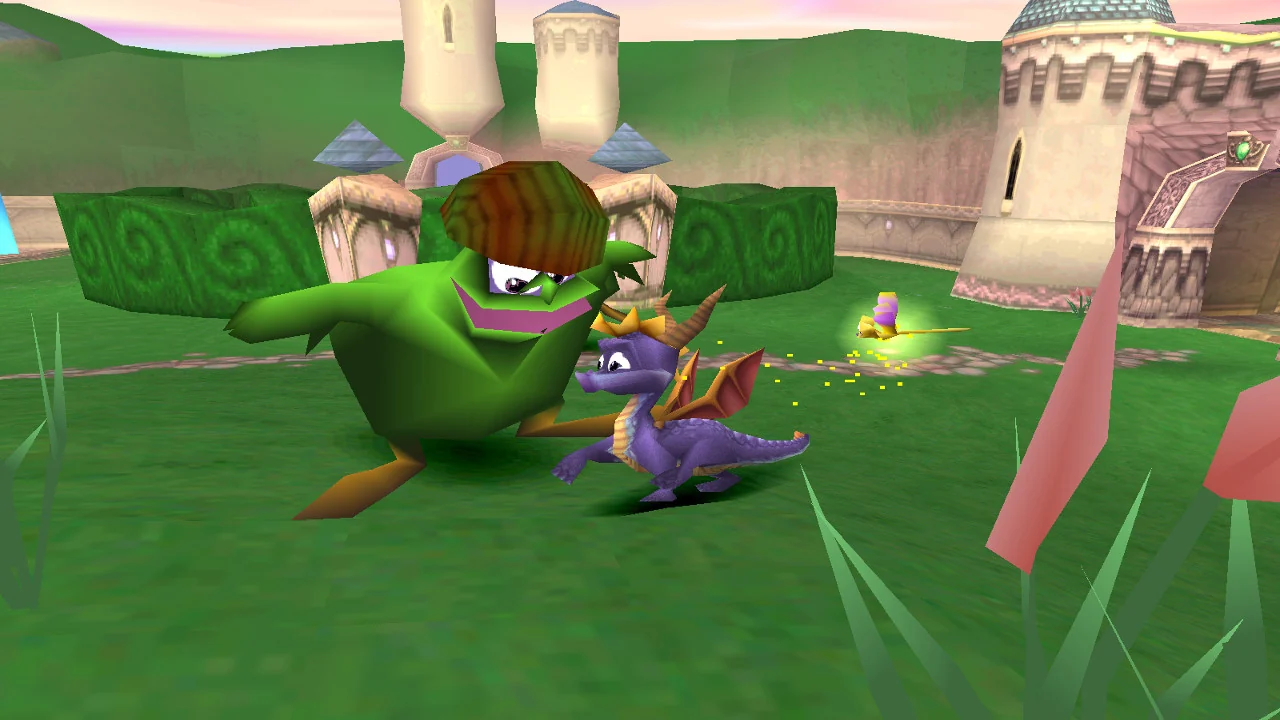
Spyro 2 turns the first game’s collectible-focused 3D platforming into a richer adventure. Its hub worlds lead to larger stages with sub-quests, additional puzzle elements, bonus areas and abilities such as the ground-pound move. The result is a game where movement supports discovery rather than merely carrying Spyro from one portal to another. Gems, rescued characters and optional objectives encourage players to revisit spaces with a clearer understanding of what remains unfinished.
That broader structure changes the kind of challenge on offer. Spyro 2 is less about exact obstacle-course execution than Crash and more about reading a world, locating tasks and using Spyro’s charge, flame and jump in combination. Players who want relentless precision may find some objectives gentler or more repetitive than Crash’s best stages. For explorers, however, the sequel is one of the PlayStation’s most welcoming platform adventures. Its larger worlds, readable goals and expanded activity make it the strongest choice here for players who value discovery over strict linear momentum.
- Best for exploration, collecting and side objectives.
- Choose Crash if precision platforming matters more than world structure.
- Regional versions and later releases may differ in availability and language.
2. Klonoa: Door to Phantomile
Klonoa’s central idea is wonderfully economical: grab enemies, throw them, or use them to gain extra height. That one interaction reshapes combat and traversal at the same time. Enemies are not simply obstacles waiting to be defeated; they are resources that can open routes and extend movement. The original PlayStation release dates to December 11, 1997, and its defining wind-bullet system lets Klonoa capture enemies for attacks, jumps and environmental solutions.
This focus gives Klonoa a coherence that many early 3D platformers lack. Level design repeatedly asks players to understand the relationship between enemy placement, throwing angles and vertical reach. The limitation is that the adventure is more tightly directed than Tomba! or Spyro 2, so players seeking a broad world may find it compact. Its original PlayStation release should also be distinguished from later remakes and the Klonoa Phantasy Reverie Series. Klonoa ranks second because its signature mechanic is not a gimmick around the platforming; it is the platforming.
- Best for inventive 2.5D movement and enemy-based puzzles.
- Choose Spyro 2 for wider exploration and side quests.
- Do not silently substitute a later remake for the original PlayStation edition.
1. Crash Bandicoot 2: Cortex Strikes Back
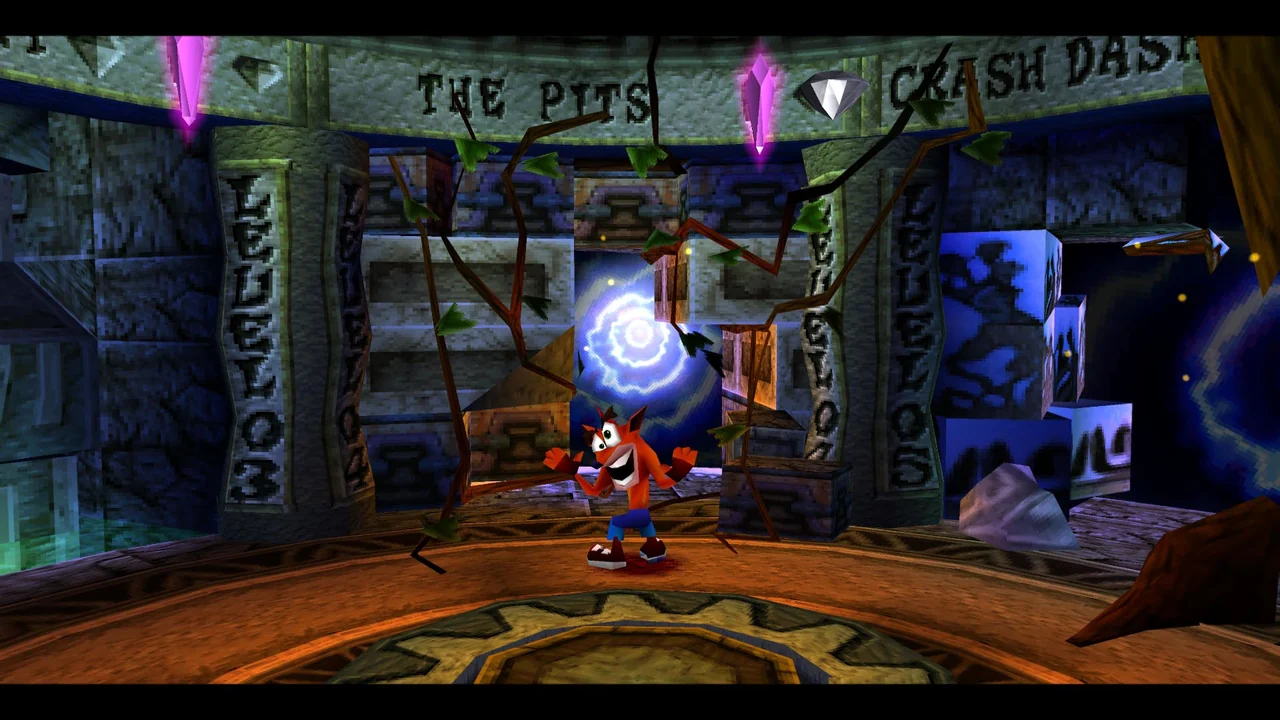
Crash Bandicoot 2: Cortex Strikes Back offers the strongest overall balance of precision, readability and replay value on the original PlayStation. Its movement language is immediate: run, jump, spin, slide and react to the hazard pattern ahead. Levels build around that vocabulary without burying it under excessive systems. Clear stage themes make hazards easy to recognize, while secret paths and completion goals reward players who return with better timing and a deeper understanding of each route. The PlayStation release appeared in North America on November 5, 1997, and the game is cataloged as an action title with platform gameplay.
It is also more approachable than the first Crash without losing its demanding edge. The structure gives players a clear reason to continue, yet the best challenges remain demanding enough to expose careless movement. That balance is why it edges out Warped’s wider variety and Spyro 2’s stronger exploration. Crash 2 does not offer the most unusual design on this list, nor the broadest world, but it consistently communicates what the player needs to do and makes improvement feel worthwhile. It is the best starting point for someone who wants to understand why PlayStation platformers became so influential.
- Best overall for precise movement, readable hazards and replayable mastery.
- Choose Spyro 2 for exploration or Klonoa for mechanical experimentation.
- Its approachable progression still leaves demanding optional goals for experts.
The original PlayStation’s platformer identity is richer than its most famous mascots suggest. Crash Bandicoot 2 is the strongest all-rounder, Spyro 2 is the exploration pick, Klonoa is the mechanical standout, Rayman delivers the classic side-scrolling challenge, and Tomba! offers the most unusual adventure structure. Ape Escape remains the specialist choice for players interested in gadget-based interaction and DualShock control.
Regional editions deserve attention when choosing among these games. Tomba! and Tomba! 2 may appear under different names, while Rayman, Klonoa, Gex and the Spyro games have later ports or remakes that should not be treated as identical to their original PlayStation versions. The best entry depends less on mascot preference than on whether you want precision, discovery, experimentation, quests or a controller-driven gimmick.