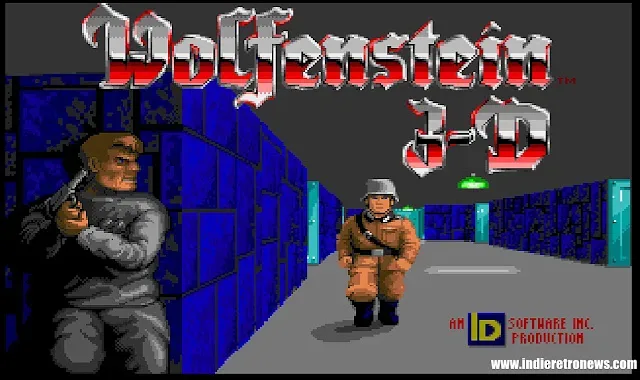
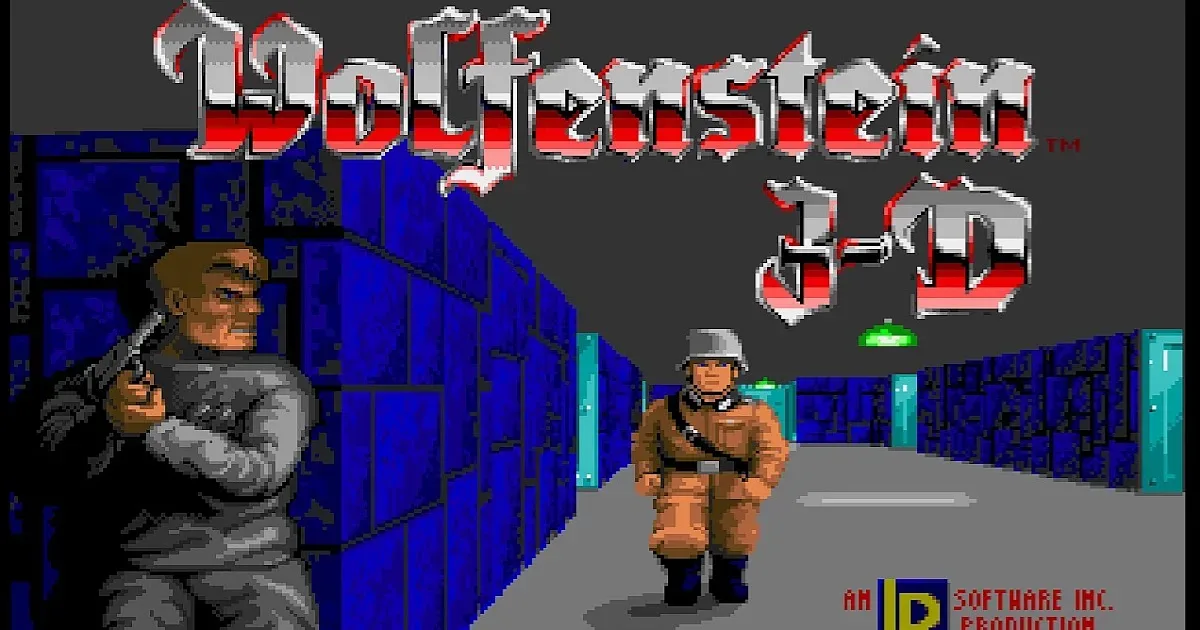
Wolf500 is a new Amiga-focused project from serpentchain that aims to bring Wolfenstein 3D to the original Amiga 500 without making owners chase an expanded setup. Its headline claim is unusually clear: the game is designed to run on an Amiga 500 OCS with 512 KB of RAM, fitting and saving from a single 880 KB floppy disk.
That makes Wolf500 a retro-computing story as much as a game-port story. Modern revivals and homebrew projects often benefit from extra memory, accelerators, newer storage, or emulation. Wolf500 instead puts the baseline machine at the center of the effort. The intended audience is not only players with upgraded hardware, but also people with a stock Amiga 500 configuration.
An escape from Castle Wolfenstein, built around modest hardware
The project follows the familiar Wolfenstein 3D escape setup. The player is an infiltrator who is captured while trying to steal plans for Operation Eisenfaust. Imprisoned in a Nazi dungeon and awaiting execution, the protagonist overpowers a guard, takes a knife and pistol, then fights through nine dense floors of Castle Wolfenstein in pursuit of freedom.
That premise is important because it explains why the original game’s structure remains such a strong fit for a constrained machine. Rather than presenting one continuous world, the action is arranged around individual floors. Each floor can function as a contained combat space with routes, enemies, doors, supplies, and an exit. For players, that means short-term objectives are easy to understand: survive the current floor, find the route forward, and continue the escape.
It also gives a port project a practical framework. Discrete levels are naturally suited to loading and saving progress in manageable chunks. Wolf500 is stated to include direct saving from its single floppy disk, so finishing a session need not mean starting the whole prison break again later. That is a particularly meaningful feature for a game built around repeated danger-filled floors rather than a quick arcade-style run.
What the Amiga 500 OCS and 512 KB requirement means
The compatibility target is the central technical detail here. OCS refers to the Amiga’s Original Chip Set, while 512 KB identifies the base amount of memory required by Wolf500. In straightforward terms, serpentchain is targeting an entry-level Amiga 500 arrangement instead of setting extra memory as the minimum ticket for entry.
That does not mean the project ignores upgraded systems. Wolf500 includes support for both unexpanded and expanded modes. The distinction matters because an expanded Amiga has more available memory than the baseline specification, while an unexpanded machine remains limited to the stated 512 KB target. Supporting both approaches broadens the project’s reach without turning the stock machine into an afterthought.
The claim is notable because a first-person shooter must keep several moving parts working together: the player’s view, floor layout, enemy behavior, controls, weapons, sound, and game-state information. On any system, that is a balancing act. On a base Amiga 500 configuration, it becomes an especially strict exercise in managing memory and storage. Wolf500’s appeal is therefore not merely that it revisits a famous shooter, but that it aims to do so within a sharply defined hardware envelope.
Related coverage includes Wolf500 Brings Wolfenstein 3D's Escape to an Unexpanded Amiga 500.
There is a useful difference between “runs on Amiga hardware” and “runs on the Amiga hardware many people actually have.” Wolf500 is specifically pitched toward the latter. Owners of an unchanged Amiga 500 OCS should not need to interpret the project’s core requirement as an invitation to first obtain a memory upgrade. For retro users maintaining period-appropriate systems, that is the point of the release.
One 880 KB disk, plus saving
Wolf500 is designed to play directly from one 880 KB floppy disk. The capacity figure deserves attention because it establishes a hard limit for the whole package: game data, program code, level information, audio, and the capacity needed for saving all have to coexist within that single-disk plan.
In practical terms, a single-disk design keeps the setup simple. A player working with original-style floppy hardware has one disk to prepare and use, rather than a stack to swap between during play. The project also states that saves are handled directly from that disk. That combination is convenient for sessions on real hardware and preserves the appropriately tactile routine of loading a game from floppy media without turning disk management into an extra challenge.
There is also a preservation-minded angle. Software designed around a defined minimum configuration and one disk has a plainly stated operating target. For anyone documenting a retro setup, the relevant checklist is concise: an Amiga 500 OCS, 512 KB of RAM, and compatible floppy use. Expanded-memory support remains available, but the basic route into the game is not vague.
PAL and NTSC support removes a regional question
Wolf500 lists both PAL and NTSC support. These are television and display standards associated with different regions and hardware configurations. For a retro release, providing both means potential players are not immediately divided by which video standard their Amiga setup uses.
It is an easy detail to overlook beside the 512 KB and single-floppy claims, but it has real practical value. Hardware projects can be frustrating when the headline compatibility sounds broad but regional video support is left unanswered. Here, PAL and NTSC are explicitly included from the outset. Alongside the unexpanded and expanded modes, that gives Wolf500 a compatibility brief that is broader than its strict base-hardware target might first suggest.
Why projects like Wolf500 matter
Wolf500 is part of the enduring appeal of retro development: revisiting a known game format while treating older hardware not as a museum piece but as an active platform with its own design boundaries. The relevant achievement is not about asking an Amiga 500 to behave like a newer computer. It is about making a recognisable first-person escape game work within the limits of the original machine’s storage and memory profile.
That kind of work has a different appeal from simply playing an older game through modern convenience. The limitations are not incidental; they inform the project’s identity. A single 880 KB disk, support for 512 KB RAM, and attention to PAL and NTSC systems are all technical decisions that shape who can use Wolf500 and how they will use it.
It also makes the project approachable for people who enjoy hardware-focused retro gaming but do not necessarily want to build an extensively modified machine. An owner can keep an Amiga 500 close to its base configuration and still be within the intended audience. Meanwhile, users with additional memory are not excluded, since expanded mode support is also part of the plan.
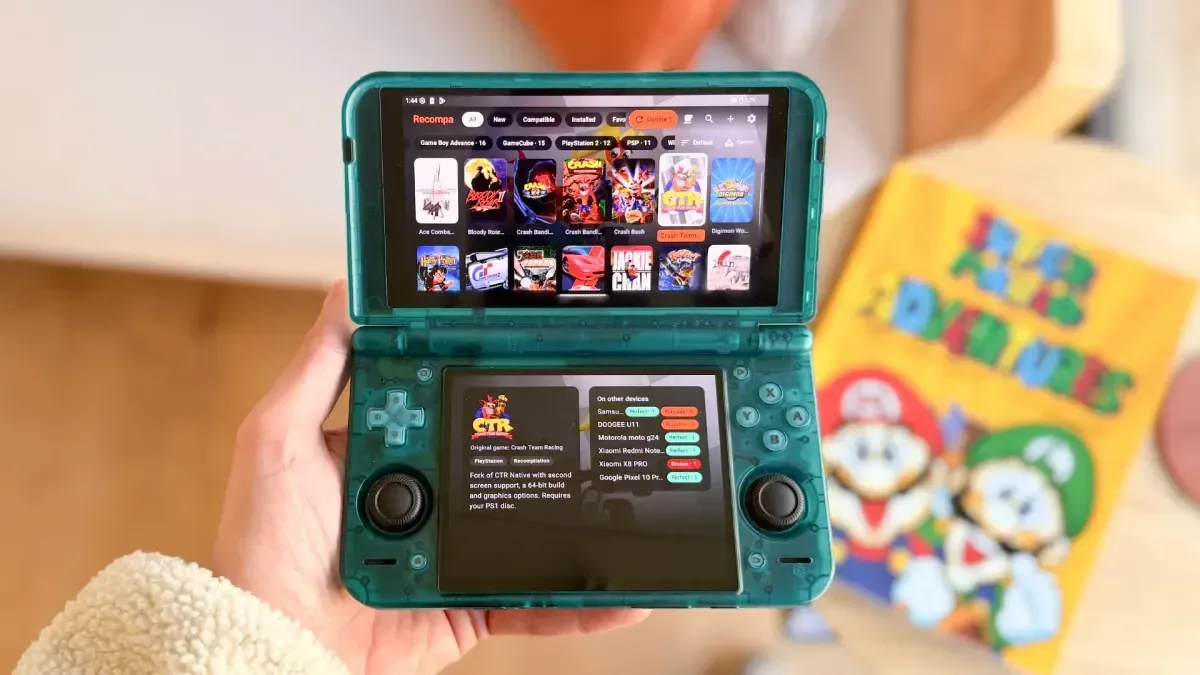
The same spirit can be seen in other projects looking for practical ways to run games on unconventional or older devices, such as efforts to simplify native Android game ports for handhelds. The technical targets are very different, but both approaches focus on reducing barriers between a game and the hardware people want to play it on.
What prospective players should take from the specification
- Minimum target: Amiga 500 OCS with 512 KB of RAM.
- Storage format: the game and its saves are intended to work from one 880 KB floppy disk.
- Memory configurations: both unexpanded and expanded modes are supported.
- Video standards: PAL and NTSC support are included.
- Game structure: the escape runs through nine floors of Castle Wolfenstein.
Those details set appropriate expectations. Wolf500 is not presented as a new interpretation that abandons the classic prison-break scenario. Its purpose is to bring that scenario to a low-spec Amiga 500 target while retaining the practical features—most notably saving—that make a multi-floor action game easier to return to.
For Amiga enthusiasts, the strongest reason to watch Wolf500 is the combination rather than any single specification. A classic first-person shooter on a stock-oriented Amiga 500 is one thing; a version built for 512 KB, one floppy disk, direct saves, PAL and NTSC displays, and expanded systems as well is a more ambitious compatibility promise. If that target holds, serpentchain’s project offers a very direct route from an original-style Amiga setup to a nine-floor Castle Wolfenstein escape.