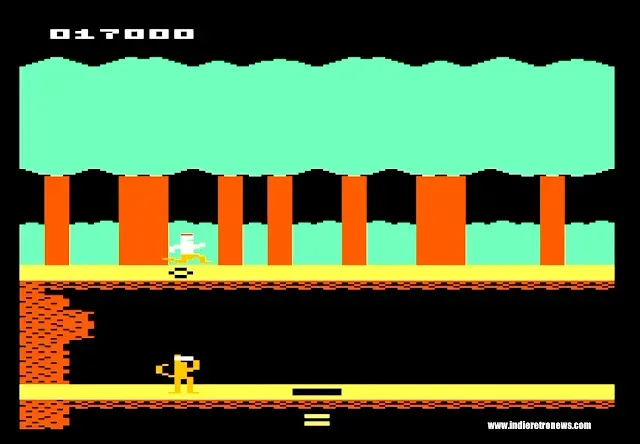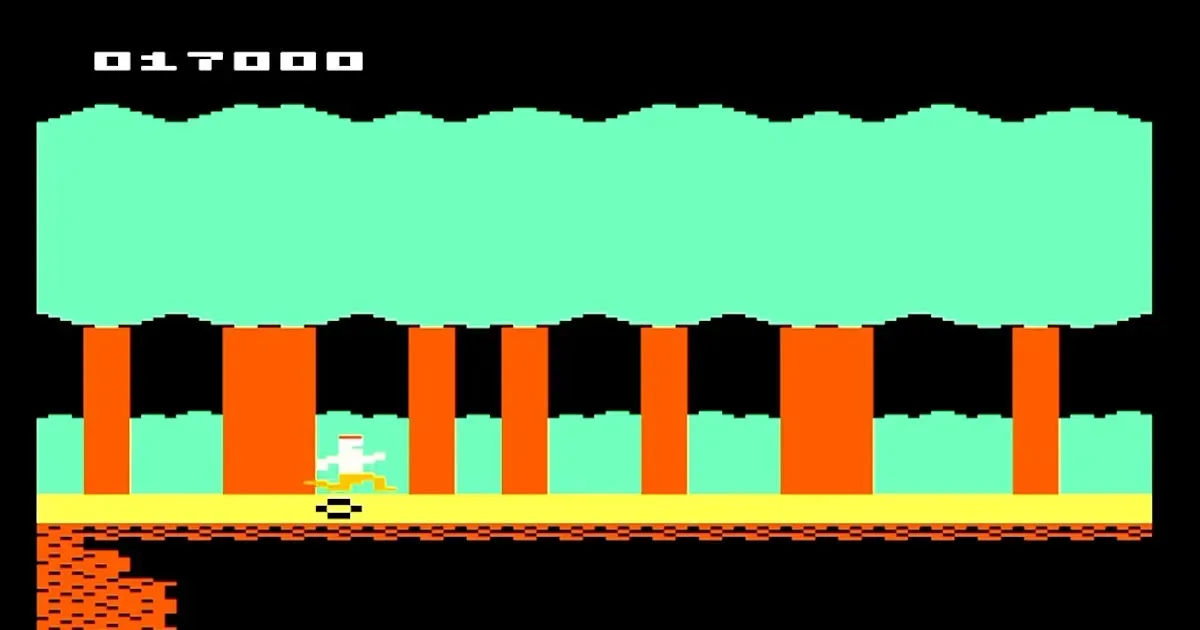
The Commodore VIC-20 has received an ambitious new homebrew destination: Pitfall II: Lost Caverns. Programmer gekka has created a fan port of the underground Pitfall Harry adventure for the VIC-20 equipped with a 35K memory expansion, with the project described as having been coded entirely in 6502 Assembly.
For a machine often remembered for making a small amount of RAM go a remarkably long way, a version of Pitfall II built around a broader subterranean expedition is a particularly intriguing fit. The release gives retro players a new reason to put a VIC-20 on the desk, connect the necessary expansion, and send Harry back below ground in search of treasure and a route through dangerous caverns.
Its most notable feature is the inclusion of Level 2 from the Atari 5200 edition. That material expands the territory available to explore, and it was not present in many other versions of the game. For people who know Pitfall II primarily through alternate releases, that makes this more than a straightforward change of hardware. It is an attempt to bring a specific piece of the game’s history to a computer where it had not previously been part of the experience.
A larger cave system for Pitfall Harry
Pitfall II: Lost Caverns moves its hero away from a simple above-ground jungle run and into an interconnected subterranean setting. Players guide Pitfall Harry through winding passages where hidden valuables and hostile underground threats compete for attention. The appeal is not merely reaching the next screen; it is keeping track of where a tunnel leads, noticing what remains unexplored, and surviving the hazards placed between Harry and the next find.
That structure matters because a cavern game benefits greatly from a sense of scale. A larger environment can turn navigation into part of the challenge. A player may need to remember an earlier fork, recognize a route that loops back around, or decide whether a promising path is worth the danger it presents. The Atari 5200’s Level 2 gives this VIC-20 port additional room to develop that exploratory side of the adventure.
It is also the sort of addition that is meaningful to preservation-minded retro fans. Different contemporary versions of the same game could vary in content, and the version a person remembers can depend entirely on the platform that was in their home. Restoring an area associated with the 5200 release on the VIC-20 does not erase those differences; instead, it makes one of them newly accessible in a different vintage-computing context.
What the VIC-20 version requires
The hardware requirement is specific. This release needs either a PAL or NTSC Commodore VIC-20 and a 35K memory expansion. A stock VIC-20 alone is not the stated target configuration. Anyone planning to run the port should therefore confirm their setup before treating it as a plug-in-and-go cartridge-era diversion.
- A PAL or NTSC Commodore VIC-20 is supported.
- The system needs a 35K memory expansion.
- The program is written entirely in 6502 Assembly.
- Keyboard control is supported.
- Joystick control is supported.
The mention of both video standards is welcome for a hobby that spans multiple regional hardware collections. PAL and NTSC systems are not interchangeable assumptions in retro computing, so support for both makes the project relevant to a wider range of VIC-20 owners. It also means the discussion can stay focused on the practical requirement that truly matters here: having the needed 35K expansion attached.
That memory requirement also tells a story about the project’s goals. The VIC-20 is a famously constrained platform, and expanded-memory configurations open the door to work that would not fit within its base limitations. In this case, the extra memory is part of what makes room for a more expansive take on Lost Caverns. It should be regarded as fundamental to the release, not as an optional enhancement for players seeking a marginally fuller edition.
Why 6502 Assembly remains part of the appeal
Stating that the game was coded entirely in 6502 Assembly is more than a line for a technical credits screen. The 6502 processor family is central to a large portion of early home-computing and console history, and the VIC-20 belongs firmly to that lineage. Building a project directly in Assembly reflects an approach tailored to working close to the hardware.
For retro-development enthusiasts, projects like this are valuable for two related reasons. First, they create something new to run on an old system. Second, they keep attention on the craft involved in developing for that system’s actual architecture rather than treating the original machine solely as a decorative shell for modern software. The result here is a fan-made adaptation aimed at the VIC-20’s expanded configuration, while retaining a direct technical connection to the era in which both the computer and the Pitfall series first made their mark.
There is a useful distinction to keep in mind, though. This is a fan port, not a newly announced official edition or a replacement for every historical version of Pitfall II. Its significance lies in the combination of its chosen platform, its stated memory target, its 6502 Assembly implementation, and the Atari 5200 Level 2 content that gekka has integrated.
Keyboard or joystick: two sensible ways into the caverns
The port supports both keyboard and joystick input. That flexibility is especially helpful in VIC-20 circles, where one player may be using an original-style arrangement while another has built a more modern retro-computing station around the machine. There is no need to frame one control method as the definitive option: the important point is that the game accommodates either route.
A joystick has obvious historical appeal for an action-adventure starring Pitfall Harry, while keyboard input makes the title approachable for a setup that is already centered on the VIC-20 itself. Providing both options is a practical feature rather than a flashy one, but practical features often decide whether a homebrew release can be easily enjoyed across varied enthusiast hardware.
It also reflects the VIC-20’s identity as a home computer. A game on the platform does not have to choose exclusively between the computer’s built-in keyboard and the arcade-adjacent familiarity of a joystick. This port makes room for both, letting owners choose based on the equipment they have connected and the way they prefer to play.
A welcome addition to the 2026 retro slate
The arrival of a VIC-20 + 35K Pitfall II: Lost Caverns port is a reminder that retro releases are not limited to reissues of familiar packages. Homebrew work can revisit a known game, focus on a particular historical variant, and make that version’s content part of a new platform-specific project. Here, the standout is the merger of Pitfall Harry’s cavern adventure with Level 2 from the Atari 5200 edition.
For anyone tracking what is landing on September 8, the site’s games releasing today roundup offers broader context for the date. This VIC-20 release occupies a very different corner of gaming from most current-platform launches, but that difference is precisely the point. It speaks to an audience that still values original hardware, expansion modules, period-appropriate programming, and the possibility that a decades-old computer can receive another worthwhile adventure.
Owners with a compatible PAL or NTSC VIC-20, the required 35K memory expansion, and a preference for either keyboard or joystick controls now have a new route into the Lost Caverns. The tunnels are full of treasures, the underground enemies remain a threat, and Pitfall Harry’s next trip below the surface has found an unlikely but fitting home.