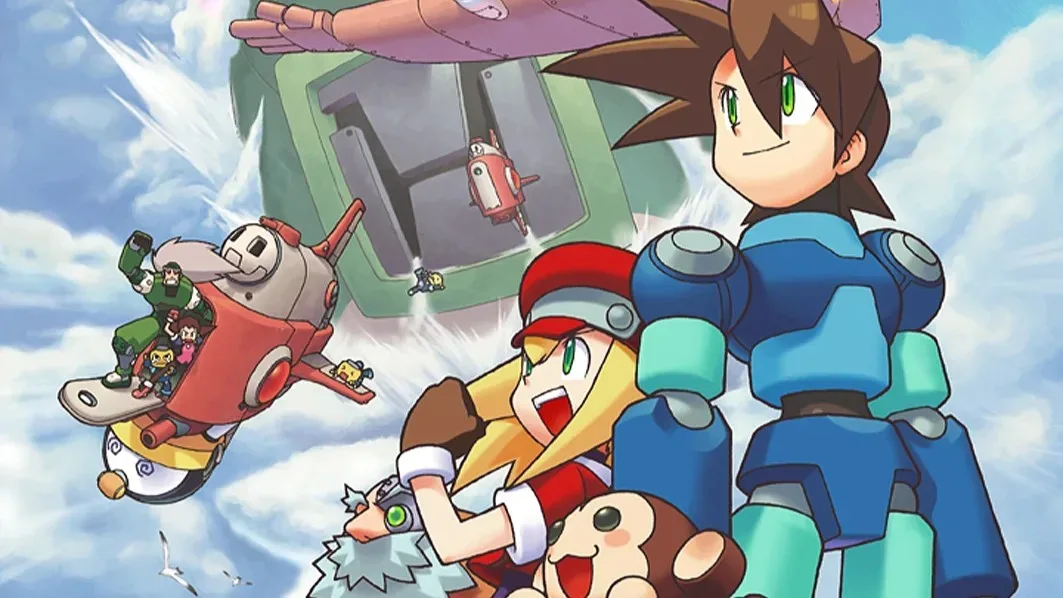
A brief online listing has given Mega Man Legends fans a reason to cautiously look toward the series’ future. A project named “MEGA MAN LEGENDS – NEW MEDIA” appeared on the website of ACTRA Toronto, the Canadian performers’ union representing work across film, television and video games. The entry was light on specifics and was subsequently removed, leaving its precise purpose unresolved.
That sparse paper trail is enough to invite theories, but not enough to settle them. The title could point to a remaster or remake of Mega Man Legends, yet it could also apply to a different kind of production using the property. Until Capcom identifies the project itself, its format, platforms and timing remain unconfirmed.
What the listing does—and does not—tell us
The useful fact is limited but notable: an ACTRA Toronto listing existed for a project carrying the Mega Man Legends name and the phrase “New Media.” Listings connected to performers can surface during casting, voice recording, localization or related production work. In plain terms, its presence implies that some kind of project may have required union-performer involvement.
That implication should not be stretched into a formal announcement. The listing did not establish whether the work was a game, a remaster, a full remake, a television project, a film, an advertisement or another media production. Nor did it publicly identify a release date, developer, publisher plan, supported hardware or returning cast.
The removal is similarly suggestive without being conclusive. A disappeared entry can mean information was published prematurely or that details were meant to stay private, but it does not reveal what the project ultimately is. Fans captured a screenshot before the page vanished, preserving the project name but not supplying the missing context.
Why a Legends remaster is an understandable theory
Of the possibilities, a modern re-release is a reasonable one to consider. Mega Man Legends is a distinctly different branch of the larger Mega Man franchise, and a project centered specifically on its name naturally raises questions about bringing that material to a newer audience. A remaster generally means an existing game is updated for contemporary platforms or presentation while retaining its core structure. A remake, by contrast, usually involves rebuilding more substantially, potentially changing art, technology, systems or content.
Neither label can responsibly be attached to “New Media” on the available evidence. Still, performance-related work would make sense for a re-release if new voice recording, altered localization, additional dialogue or replacement performances were required. It would also make sense for an adaptation. The listing alone cannot distinguish between those paths.
There is another contextual reason the possibility has attracted attention: Mega Man’s 40th anniversary falls in 2027. Capcom has demonstrated awareness of that milestone, with Mega Man: Dual Override arriving in connection with the character’s anniversary period. Anniversary planning often renews attention around older series entries, although that broader timing is not proof that this particular listing belongs to a game remaster campaign.
Toronto’s connection makes the union listing more interesting
ACTRA Toronto is not a random geographic detail in this case. The original English-language dubbing for Mega Man Legends was recorded in Ontario, Canada. That history gives a Toronto performer-union listing an understandable connection to the game’s past English voice work.
There are several possible explanations for that connection. A new project could seek performers covered by the union. It could record fresh English dialogue in the same region as the original production. It could recast some or all roles, or potentially approach previous performers where appropriate. These are possibilities rather than confirmed production facts, but they show why the listing has generated more attention than an unexplained project title ordinarily might.
A refreshed release would not necessarily preserve every original recording. Reissues can require new audio for practical, technical, contractual or creative reasons. One original performer associated with Teisel Bonne is no longer available, meaning that character would require a replacement performance if the project calls for newly recorded English dialogue. That alone does not tell us how large a prospective project might be; it simply illustrates why a Legends-related production could involve casting activity.
How to read “new media” without overreading it
“New media” is a broad production label rather than a consumer-facing product description. It does not automatically mean a new game, and it is not a reliable shorthand for a remaster. In an entertainment-work context, broad project naming can be used before marketing names, formats and release details are ready to be public.
That ambiguity leaves several broad scenarios open:
- A remaster: an older Legends game could be updated and brought forward, potentially with changed or newly recorded audio.
- A remake: the property could be revisited through a more extensive new production, which would make voice work especially plausible.
- An adaptation: the project name could concern film, television or another non-game format.
- Ancillary production: it could be work tied to the brand without representing a major retail release.
Only the first two options align with the current remaster excitement, and neither has been confirmed. The cautious reading is therefore not “Mega Man Legends is definitely returning,” but “there appears to have been performer-related activity under a Legends-branded project name.”
What players should wait to see next
For now, fans should treat the listing as an early clue rather than a promise. The details that would turn speculation into a real product story are straightforward: an official Capcom statement, a title with a defined format, platform information, a release window, footage, or an identified development team. Casting information could also narrow the picture, though voice credits alone would still not establish whether the project is a remaster, remake or adaptation.
The absence of those details matters. There is no confirmed announcement, and there is no basis yet to plan a purchase, assume a particular platform, or expect either Mega Man Legends game to be included in a package. The best immediate outcome for interested players is simply renewed visibility for a long-discussed corner of the Mega Man catalog.
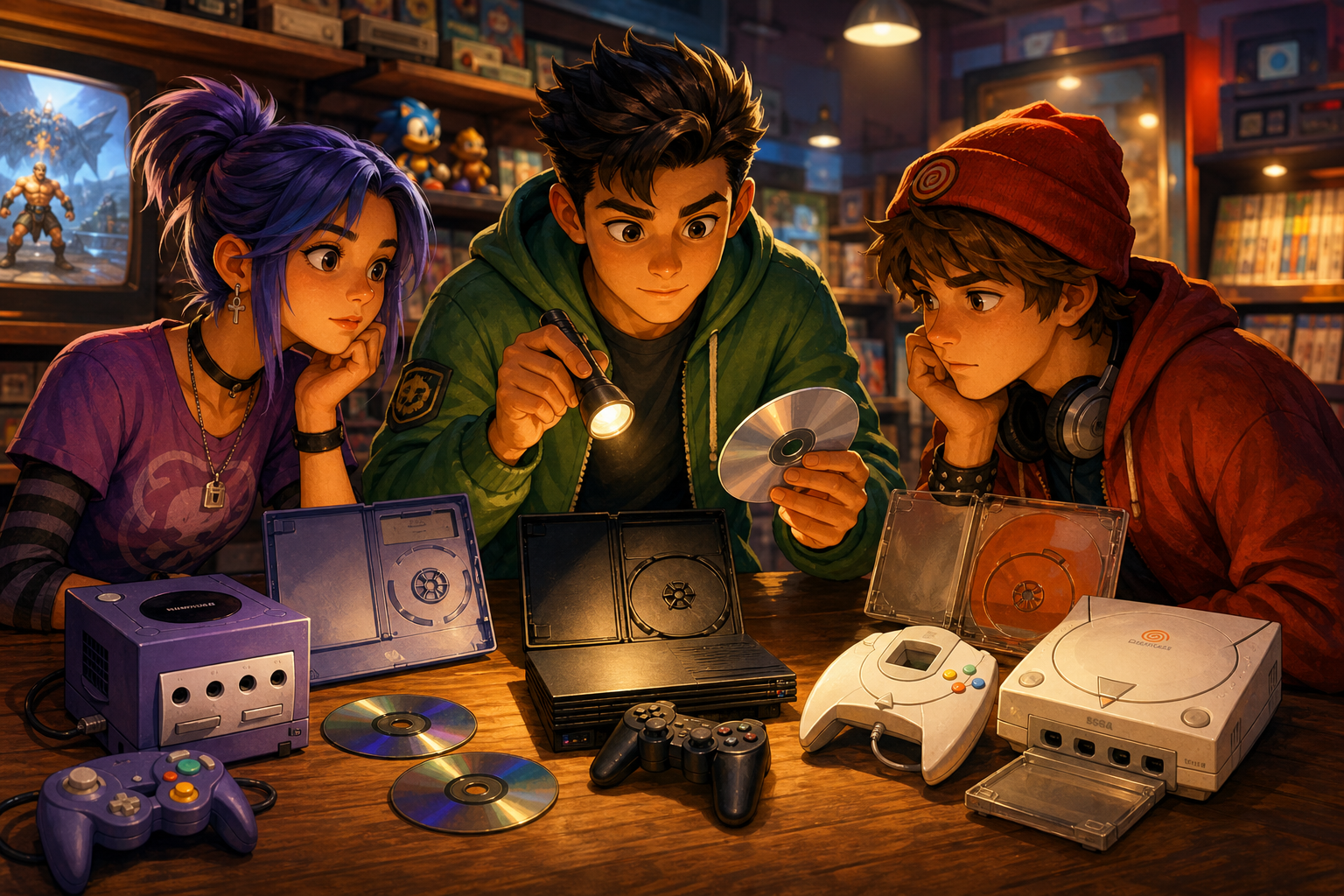
A future remaster could also offer a practical route into an older title without depending on original hardware and discs. Players who do revisit older console libraries on their original machines still need dependable ways to verify systems and software; our guide on choosing a test disc for used consoles covers the basic idea for several legacy platforms.
Why the rumor has staying power
Speculation persists because the listing has two things rumors often lack: a specific project name and a connection to an organization involved with professional performers. The original English dub’s Ontario roots add a further piece of context. At the same time, the most important pieces are still absent, and the listing’s removal has not supplied answers.
For Mega Man Legends fans, that makes this a credible lead worth watching—not confirmation of a remaster or remake. “MEGA MAN LEGENDS – NEW MEDIA” may eventually prove to be a return for the games, something adjacent to them, or an entirely different kind of project. Until Capcom says more, the distinction is the story.