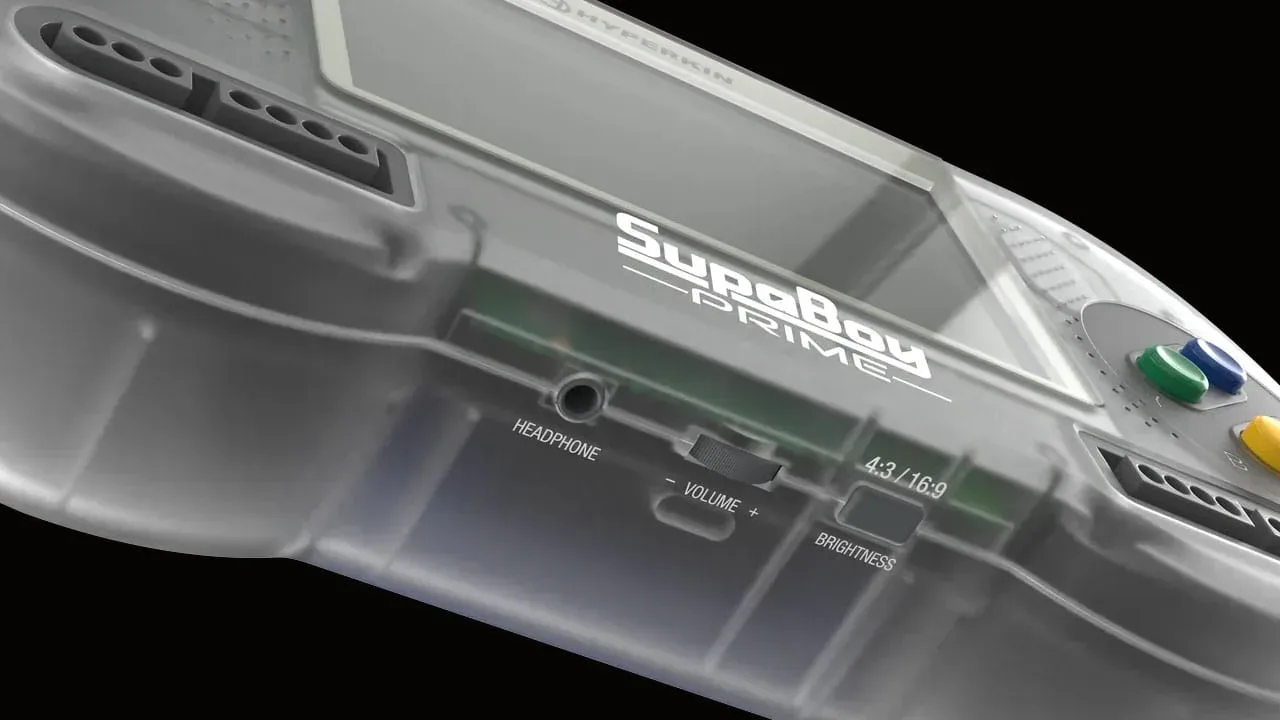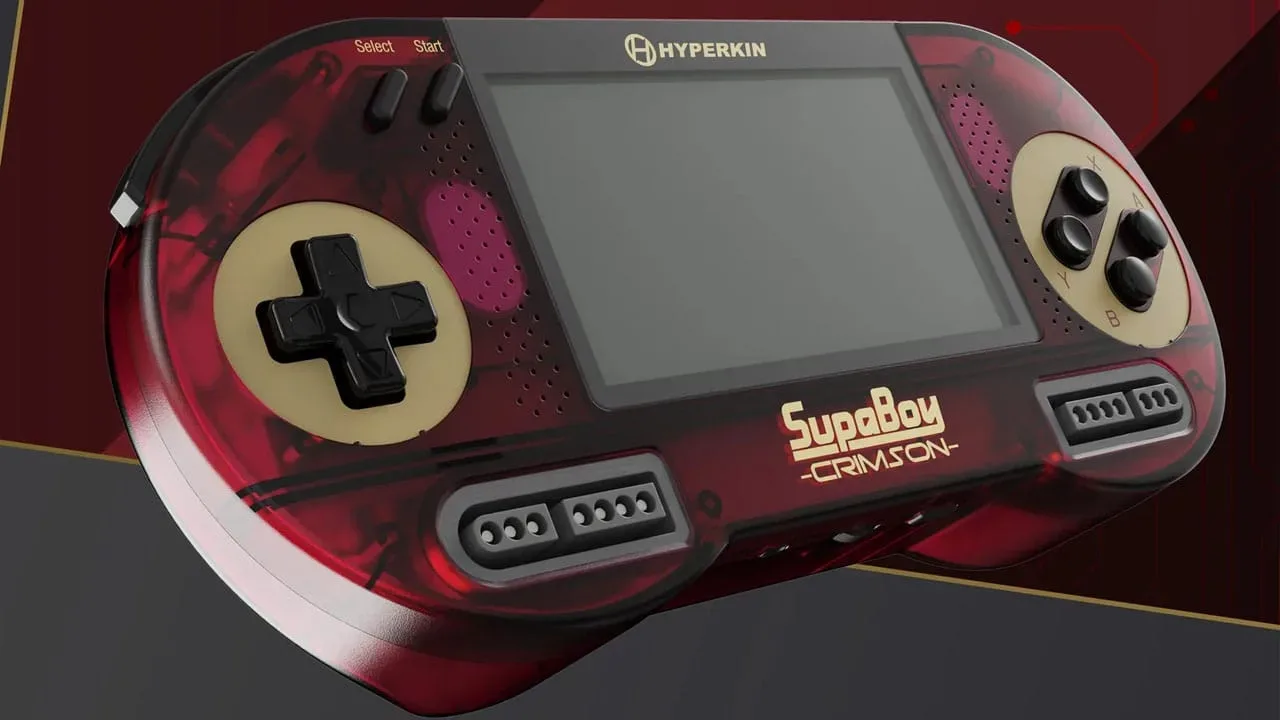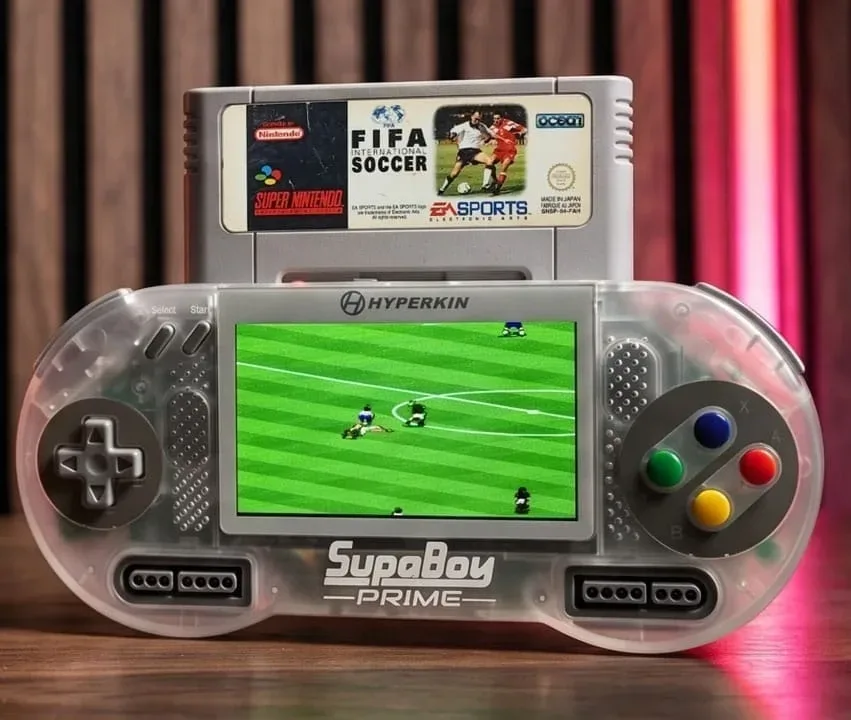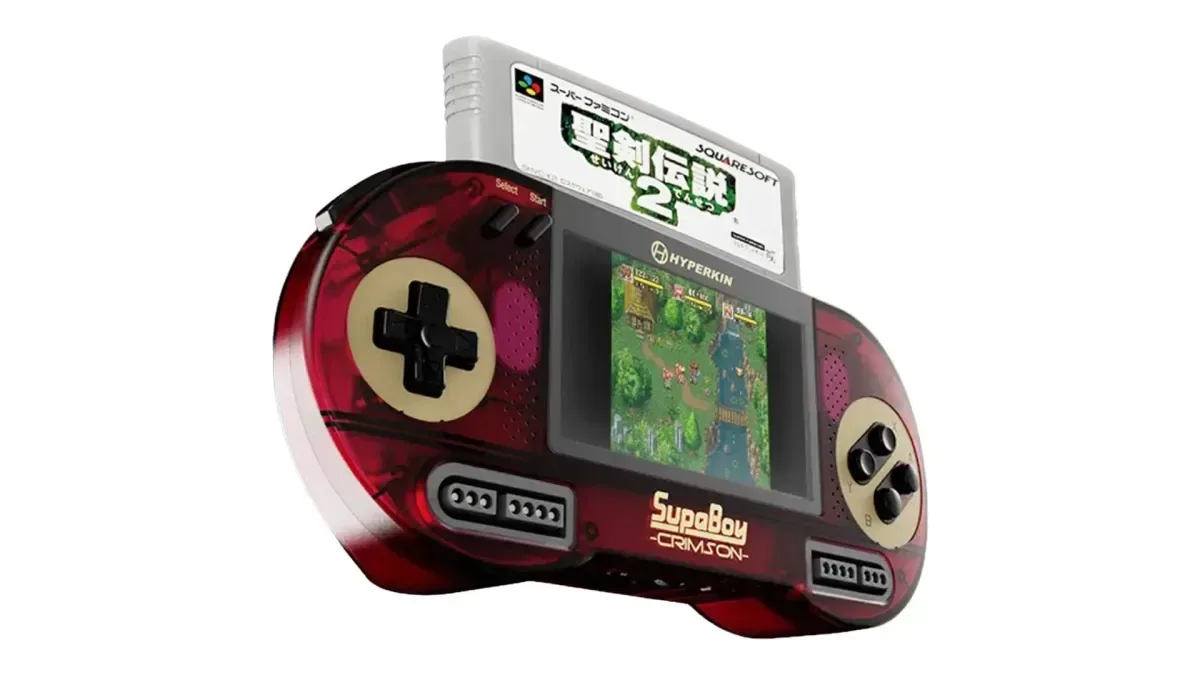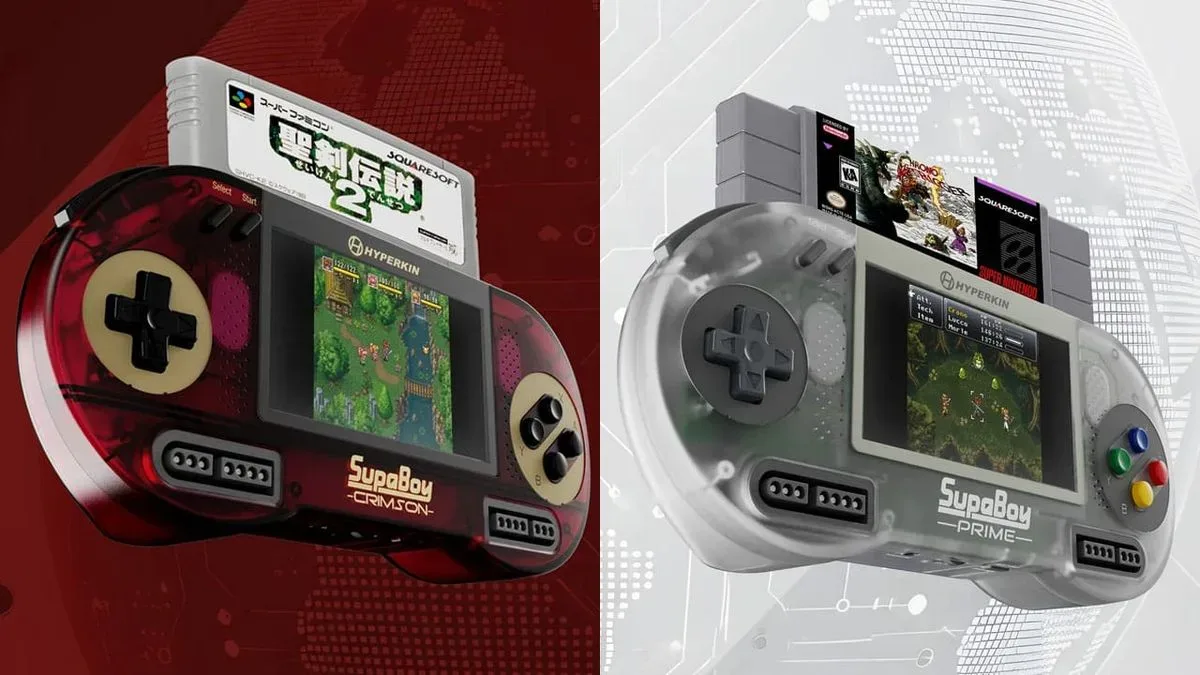
Hyperkin’s long-running SupaBoy portable is now available in two fresh finishes: Crimson and Prime (Transparent). The new versions retain the central appeal of the device: they are handheld hardware built to play SNES cartridges directly, while also offering a way to use that same cartridge library on a television.
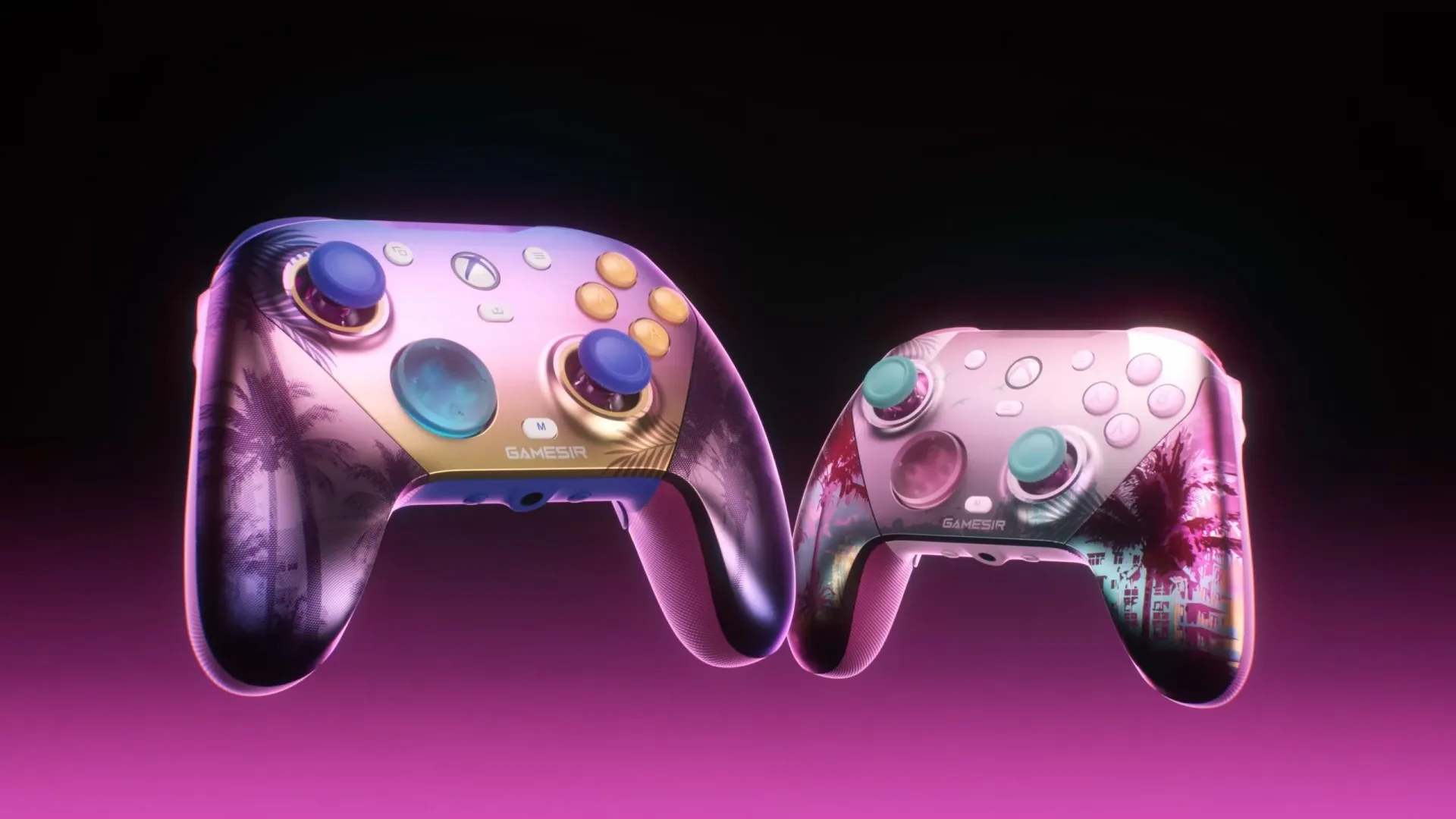
Both color variants are listed at $129.99 on Amazon. For retro players with original cartridges, the update is less about a new software ecosystem and more about another choice of shell for an all-in-one SNES-compatible machine. Crimson goes for a solid red presentation, while Prime exposes the hardware beneath a clear casing—a style that fits naturally alongside the colorful accessory designs still appearing in modern gaming hardware, such as the recent GameSir G7 Pro color editions.
A portable built around original SNES cartridges
The SupaBoy’s defining feature is its cartridge slot. Rather than asking owners to repurchase games digitally, it is designed for people who already have compatible physical SNES software and want a self-contained way to play it away from a TV. The line dates back to 2011, when the original model arrived with a 3.5-inch screen; these new finishes continue that established format with an IPS display.
IPS, short for in-plane switching, refers to a type of LCD panel generally associated with a clearer image when viewed from off-centre angles than older display technologies. That matters more on a handheld than it might on a fixed television setup: the screen moves with the player, lighting changes from room to room, and a small shift in posture can change the viewing angle. It is also a welcome match for games whose artwork and menus were designed around the bright, sharply colored 16-bit look of SNES-era releases.
Hyperkin quotes up to 10 hours of battery life from the SupaBoy’s rechargeable lithium-ion battery. Battery estimates are best read as a manufacturer-stated maximum rather than a guarantee for every game or usage pattern, but the stated figure makes the intended role clear. This is hardware meant to make a cartridge collection more flexible, not merely sit beside an original console as a display piece.
The unit can also connect to a television and serve in place of an SNES console. That creates a useful split between two play styles: handheld sessions when a television is unavailable, and TV play when users want to bring a cartridge back to a larger screen. Importantly, the cartridge itself remains the game medium in either case, so saves stored on compatible cartridges stay with that cartridge when it is moved between setups.
PAL and NTSC support broadens the cartridge options
The Crimson and Prime models are described as supporting both NTSC and PAL games through a switch. Those labels refer to historical regional television standards and, in practical retro-gaming terms, often signal the regional version of a cartridge. North American and Japanese releases are commonly associated with NTSC, while many European releases are associated with PAL.
For a player who owns cartridges from more than one region, a selectable compatibility mode is a meaningful convenience. It avoids framing a collection entirely around one territory’s releases. That does not mean every cartridge-related question disappears—physical cartridge shapes, game-specific behavior and the condition of old media can all still matter—but it gives the SupaBoy a wider intended reach than a device limited to one regional standard.
Related coverage includes Hyperkin's SupaBoy SNES Handheld Arrives in Crimson and Transparent Prime Colors.
The handheld also uses what Hyperkin calls Perfect Pin technology, marked as patent pending. The supplied details do not explain the engineering behind that term, so it is best understood as a product-specific claim concerning the connection between console and cartridge, rather than a separate format or accessory standard. For buyers, the practical point is simply that it is part of the manufacturer’s pitch for the cartridge-playing experience.
Accessory compatibility is a major part of the proposition
The SupaBoy is not positioned solely around handheld buttons and a built-in screen. It is also compatible with standard Nintendo accessories, official and third-party controllers, and the SNES Multi-Tap. That distinction gives it potential utility beyond a one-person portable device.
- SNES Mouse support: The SNES Mouse can be connected for compatible software, including Mario Paint. This is particularly notable because mouse-led games do not map neatly to ordinary handheld controls.
- SNES Multi-Tap support: A Multi-Tap expands controller connectivity for games designed around multiple players. Its compatibility makes the television-connected side of the SupaBoy more relevant for group sessions.
- Controller support: The system works with official and third-party controllers and accessories, offering options for players who prefer a conventional pad when playing on a TV.
- Super Game Boy compatibility: The SupaBoy works with the Super Game Boy accessory, which is designed for playing compatible Game Boy cartridges through SNES hardware.
- Game Genie compatibility: It also supports the Game Genie, the cartridge add-on historically used to alter game behavior through entered codes.
- EverDrive compatibility: The device works with EverDrive hardware, a category of flash cartridge commonly used to load supported game files from storage media.
That accessory list is important because it preserves some of the unusual edges of the original platform. SNES play is not limited to a standard controller and a single-player television setup. Some games use a mouse; some are structured around additional controllers; and the Super Game Boy gives the SNES a particular connection to Game Boy software. A handheld that can also participate in those setups has a broader purpose than one that only runs a cartridge in isolation.
What the new colors change—and what they do not
Based on the available details, Crimson and transparent Prime are color refreshes rather than a newly outlined hardware revision. The listed features—IPS display, rechargeable battery, television use, regional switching and accessory compatibility—are the core reason to consider the system. The finish is the deciding factor for someone who already knows that style of cartridge-based handheld suits their library.
That is not a criticism. Retro hardware aesthetics are part of how people choose devices, especially when the machine is likely to live alongside original cartridges, controllers and consoles. A transparent enclosure makes the internal layout visible, while Crimson offers a more immediate, solid-color alternative to the older black-and-gold look associated with the SupaBoy line.
For prospective buyers, the sensible question is not whether a color alone transforms SNES games, but whether the SupaBoy’s combination of features matches how they want to use physical cartridges. Someone focused exclusively on a TV setup may weigh it differently from someone who wants to take a cartridge game away from the main console. Players interested in Mario Paint or Multi-Tap-supported games should also account for the relevant accessories, since compatibility does not mean those peripherals are included.
Who these versions are for
The new SupaBoy finishes are most straightforwardly aimed at SNES cartridge owners who value flexibility. The ability to play without a television, then connect the same unit to one later, is the core convenience. The quoted 10-hour rechargeable battery, IPS screen and support for PAL and NTSC cartridges reinforce that role, while the accessory support makes the device more adaptable than a basic portable player.
They may be especially appealing to owners with region-spanning collections, to players who want to keep using cartridge saves across different play locations, and to those who enjoy the less conventional corners of SNES hardware: the mouse, the Multi-Tap, the Super Game Boy and code-enhancing accessories. The availability of both first-party and third-party controller support also means a television setup need not be restricted to the handheld’s built-in controls.
At $129.99, the decision ultimately rests on the value placed on playing original cartridges in more places. The Crimson and Prime editions do not change the basic mission of the SupaBoy. They give that mission two more looks: one bold and opaque, the other transparently retro.