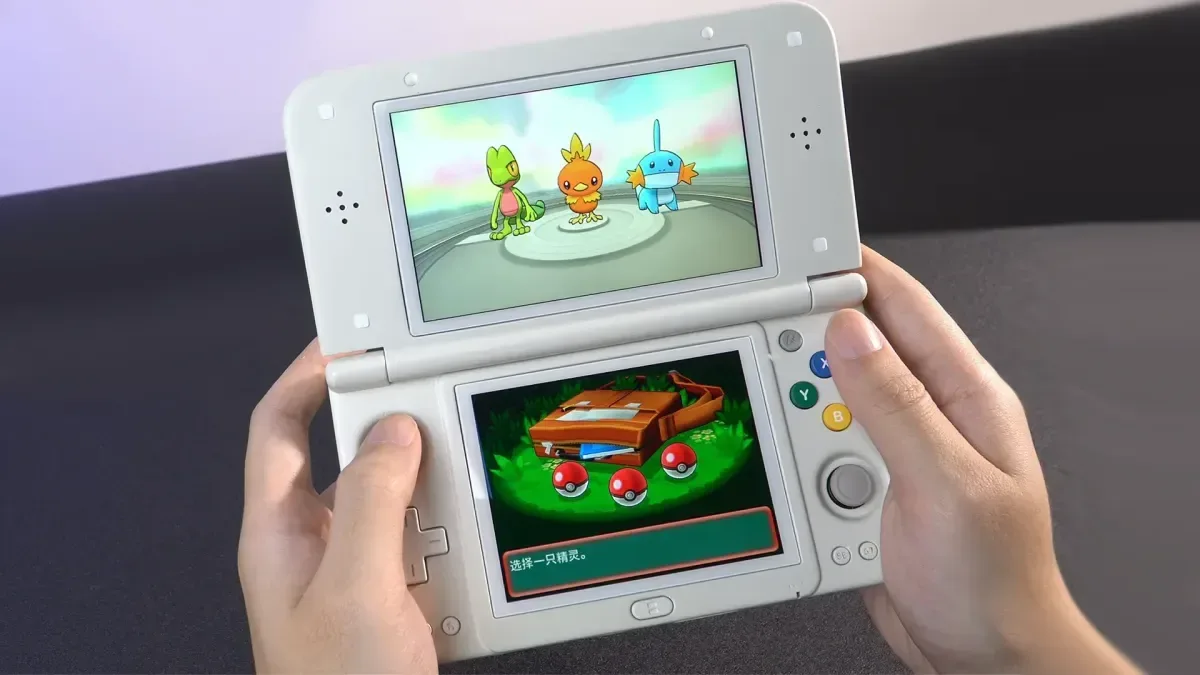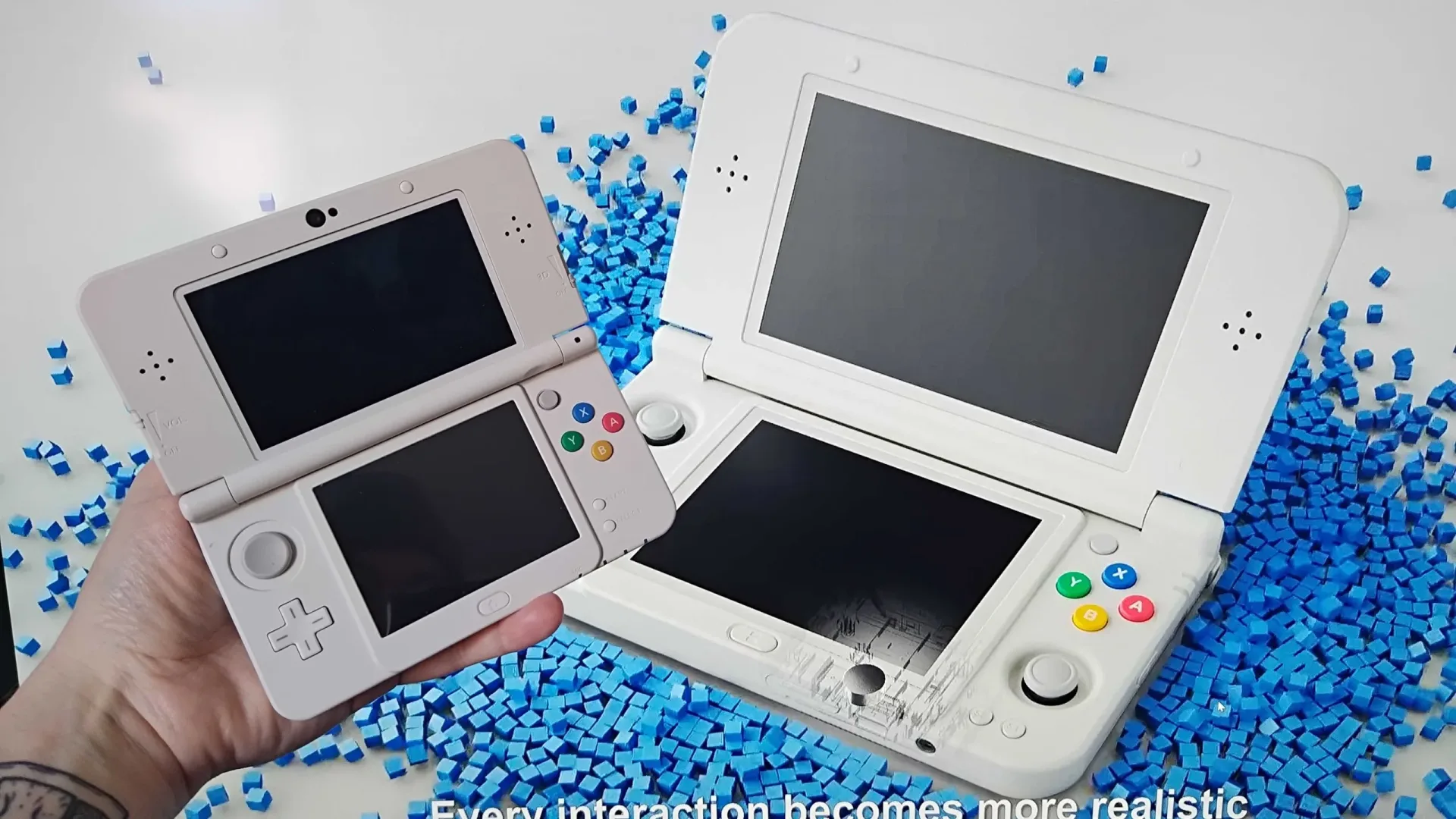
The retro-handheld scene has a new warning label, and it is not printed on a screen protector: Azahar says Anbernic’s RG DDS will no longer receive official support from the Nintendo 3DS emulator project.
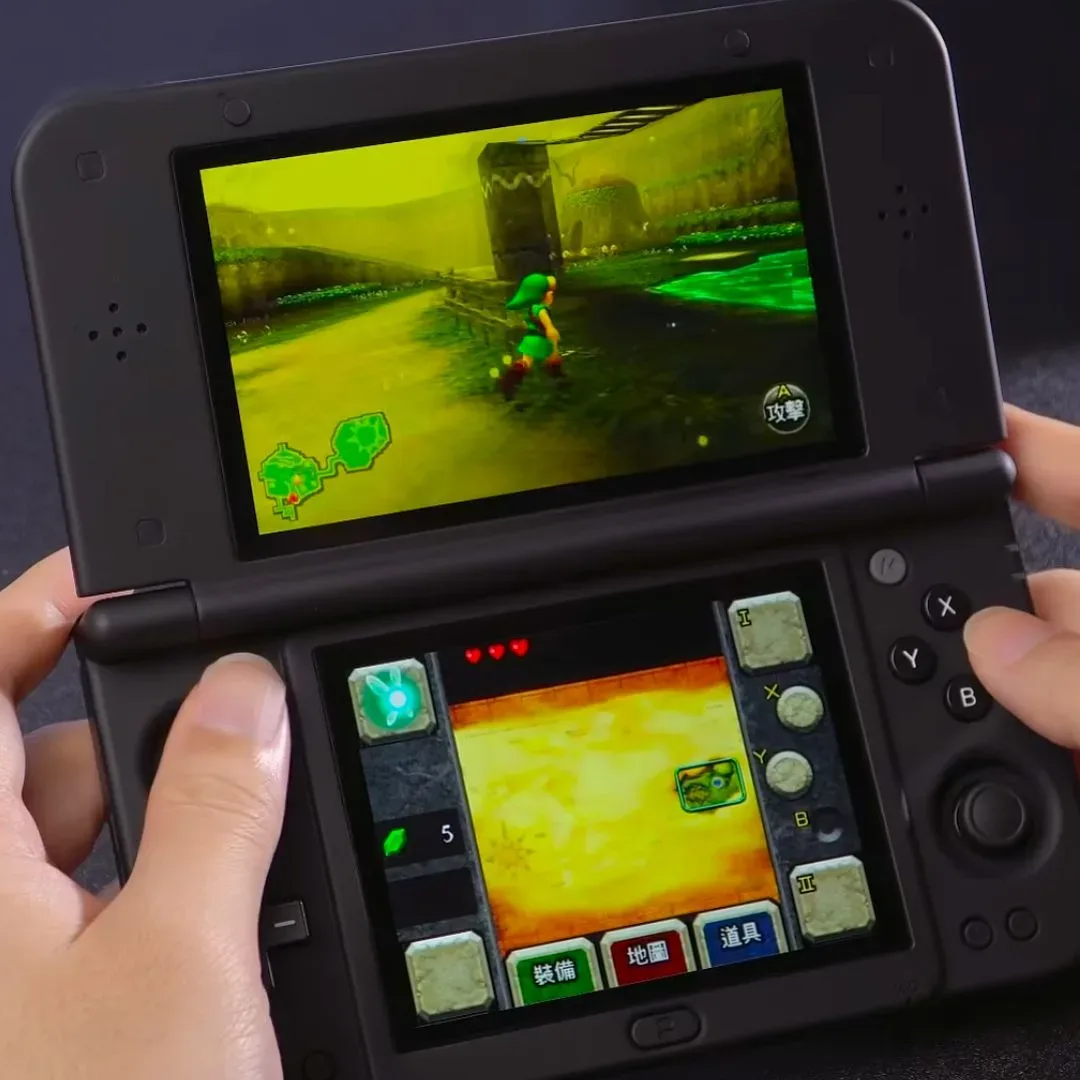
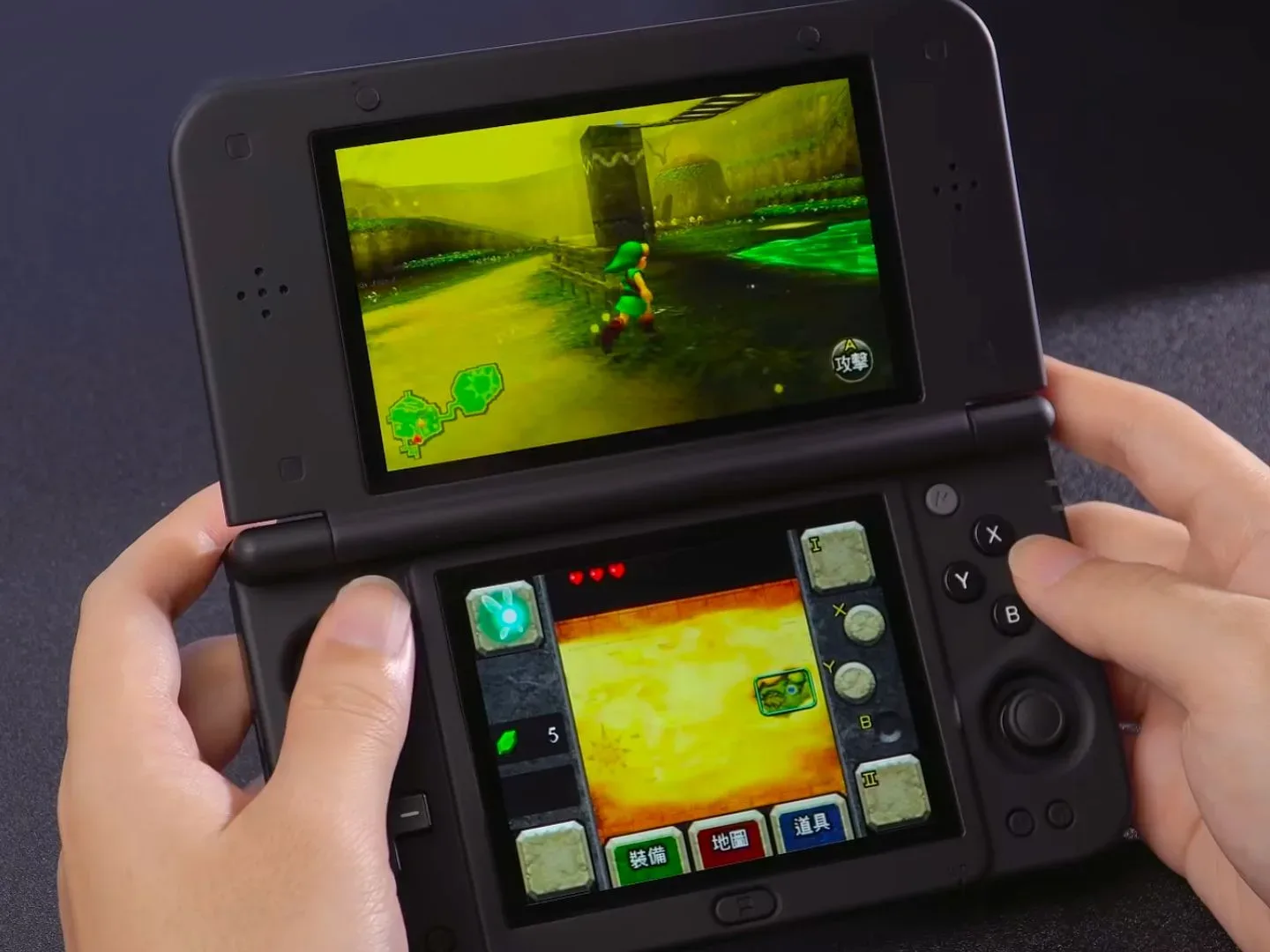
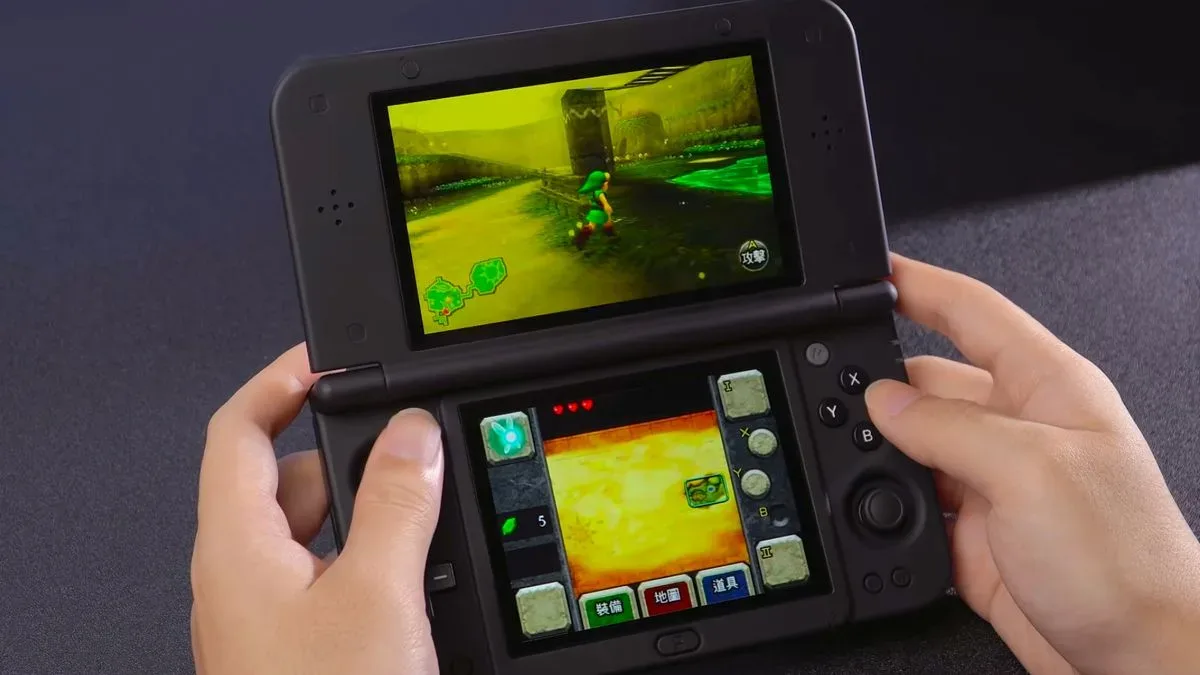
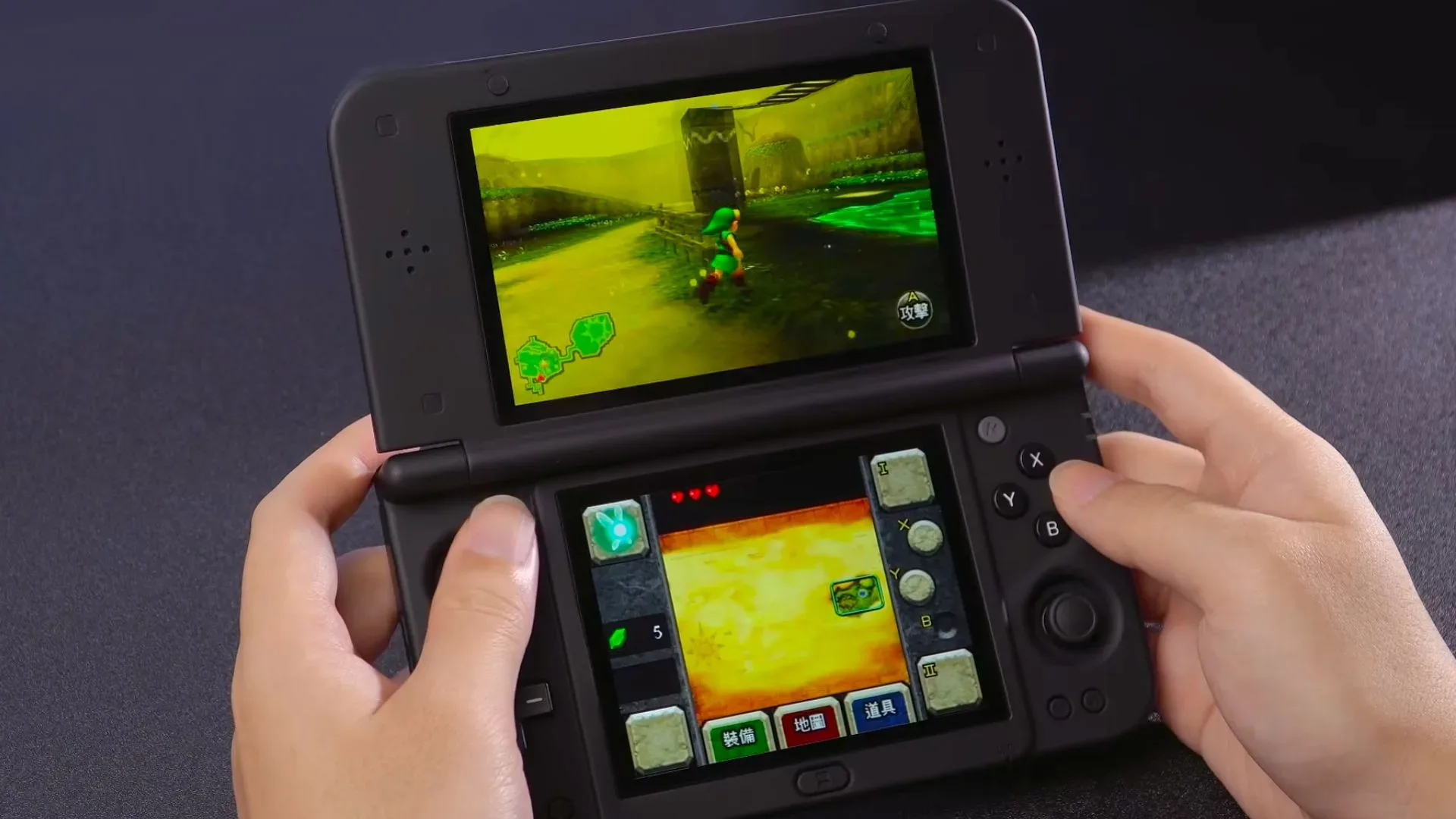
The decision follows promotional material for Anbernic’s clamshell RG DDS that featured Azahar Plus, described by the Azahar team as an unofficial, piracy-focused fork of its software. The footage showed several Nintendo 3DS titles running on the handheld, including Pokémon Ultra Sun, Resident Evil Revelations, Monster Hunter Generations Ultimate, The Legend of Zelda: Ocarina of Time 3D, and Kirby’s Blowout Blast.
Azahar’s position is unusually direct for a compatibility dispute. The project said it will not officially support the RG DDS or other hardware from Anbernic. In practical terms, that means bug reports and issues specific to those devices will not be investigated or fixed by the Azahar team.
It also advised users seeking a device with assured official support to consider alternatives, naming the Retroid Pocket Duo as an example. The message is not merely that a setting may need adjustment; it is that Anbernic hardware sits outside the project’s support boundary.
What Azahar is objecting to
The point at issue is not simply that a handheld ran a 3DS emulator. It is the combination of an unofficial fork, Nintendo game footage, and the use of both in commercial device advertising.
A fork is a separately maintained version of an existing software project. Forks can serve entirely legitimate purposes: developers may experiment with different features, maintenance plans, or technical directions. But they are independent from the original project, and the original maintainers do not automatically endorse their priorities, code changes, or distribution choices.
Azahar’s objection specifically characterizes the fork in the marketing as piracy-focused. That characterization matters because it separates the emulator project’s stated intent and support policy from the particular version shown in the trailer. The team is drawing a conspicuous line: it does not want its name, development work, or bug-triage capacity attached to promotion it believes can be read as encouraging piracy.
That distinction can sound abstract until it affects ownership. A consumer may see an RG DDS advertised running recognizable games and reasonably assume the underlying emulator will work the same way with official assistance. Azahar is saying that assumption should not be made. Its developers will not take responsibility for resolving device-specific problems on Anbernic hardware.
Related coverage includes Azahar Ends Official Support for Anbernic RG DDS Over Piracy-Focused Fork Promotion.
Why the RG DDS marketing has raised the stakes
Retro handhelds routinely market screen quality, controls, processing capability, and support for old game systems. Demonstrating those capabilities with famous game footage is a much more delicate choice, particularly when the games belong to an active platform holder with a forceful record of defending its intellectual property.
The RG DDS is a clamshell device, a design that naturally evokes the portable hardware era associated with the Nintendo DS family. Resemblance alone does not establish a legal conclusion, nor does a handheld’s ability to run an emulator establish that it ships with unauthorized games. The available information makes an important distinction here: unauthorized ROMs are often supplied by third-party sellers rather than necessarily by the hardware maker itself.
Still, marketing is a separate question from what may be inside a retail box. Footage that openly pairs a handheld with recognizable Nintendo 3DS games and an unofficial fork can create an impression that the device is being sold for that use. Azahar’s response reflects concern over precisely that association.
The timing is especially uncomfortable because the footage included Ocarina of Time 3D while an Ocarina of Time remake is approaching. Whether or not any individual owner uses a personal backup, showing Nintendo’s game in hardware advertising invites more scrutiny than a clean technical demonstration would.
Official support is more than a download link
For buyers, “official support” should be read as a maintenance and accountability question. An emulator may install and launch on a device, but problems can emerge from the interaction between the program and the hardware: controller mapping, display behavior, operating-system differences, performance quirks, audio issues, or crashes.
When a project officially supports a device, users have some reason to expect that reports involving that device are within the maintainers’ scope. That is not a promise that every game works perfectly or that every report results in a patch. It does mean the hardware is not categorically excluded from investigation.
Azahar has now made that exclusion categorical for Anbernic devices. Someone who buys an RG DDS should therefore not interpret advertisements using Azahar-derived software as a commitment from Azahar itself. The emulator project has expressly declined that relationship.
- For prospective RG DDS owners: compatibility claims in promotional footage are not the same as ongoing upstream support.
- For existing Anbernic users: Azahar says device-specific problems will not be handled by its official project.
- For software fork users: a fork can differ materially from the original project in features, policies, and support expectations.
- For manufacturers: emulator demonstrations can create consequences even when the hardware is marketed as a general-purpose device.
Azahar’s caution has a clear backdrop
Azahar emerged in the aftermath of Citra, the well-known Nintendo 3DS emulator. Citra and the Yuzu Switch emulator were shut down following a $2.4 million settlement with Nintendo. That history makes the current reaction easier to understand: teams working on emulation software have a tangible reason to avoid links to messaging that could be interpreted as soliciting or normalizing unauthorized game access.
Emulation itself and copyright infringement are often treated as if they are the same subject. They are not identical concepts. An emulator is software that reproduces the behavior of one computing system on another device, allowing software made for the original system to run elsewhere. A ROM, in common game-preservation and emulation language, refers to a copy of game data. The legal and policy questions become more contentious around how a copy was obtained, distributed, or marketed, as well as whether protective systems were bypassed.
Older legal disputes, including the Bleem! case involving Sony, have helped shape the conversation around compatibility software. But those precedents do not turn every present-day setup, game copy, distribution model, or advertisement into the same case. The legal landscape is not a one-button menu where a past decision selects “everything is fine.” It depends on facts, jurisdiction, claims, and conduct.
That is why the distinction Azahar is making is so pointed. Rather than litigating every possible use of emulation, it is controlling the thing it can control: whether its project will support a manufacturer whose promotional choices it considers too closely associated with piracy-focused software.
Hardware and software face different pressures
A general-purpose handheld can potentially be used for many tasks and many software platforms. Anbernic could argue that a clamshell handheld is not made exclusively for Nintendo 3DS games. An emulator, by contrast, is purpose-built to reproduce a particular system’s environment. That difference does not settle legal questions by itself, but it helps explain why emulator developers may see themselves as more exposed when their work appears in high-profile advertising built around copyrighted games.
The wider pressure is not hypothetical in a business sense. The Entertainment Software Association has already called out Anbernic specifically, and concerns have been raised that the company could be associated with the United States’ Notorious Markets process alongside sellers of ROM-loaded handhelds. No such result is established here, and it is important not to collapse allegations, policy debates, third-party seller practices, and formal findings into one claim. But the risk of renewed attention is enough to affect how projects choose their partners—or, in this case, choose not to have a relationship at all.
For the broader portable market, the episode illustrates a blunt reality: powerful retro hardware depends on software communities, and those communities are not obligated to absorb reputational or legal risk created by product marketing. A flashy trailer may demonstrate performance, but it can also make volunteer maintenance less likely.
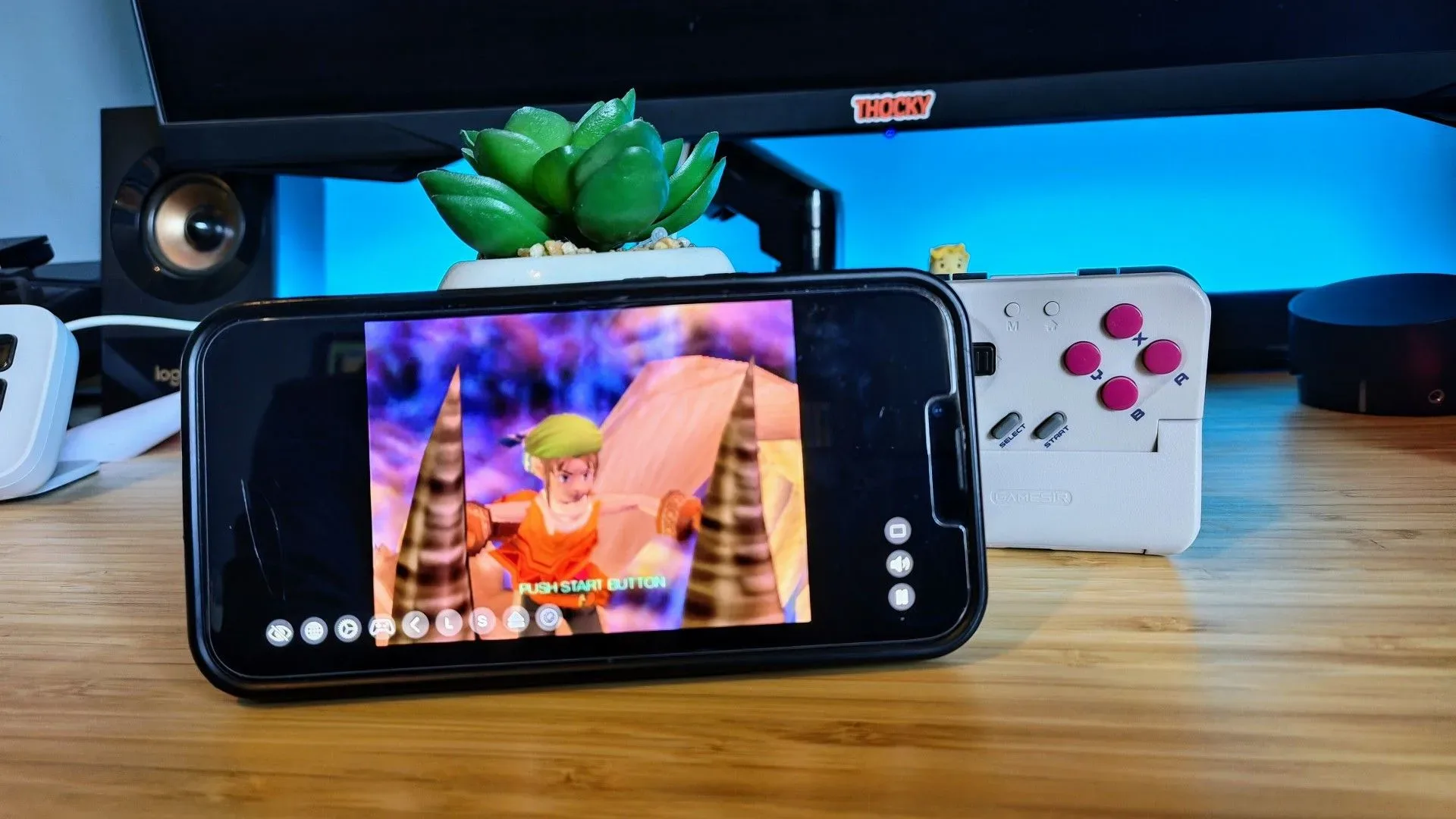
That tension will be familiar to anyone following the expanding handheld space. Devices are becoming more capable, while the software that makes them useful often comes from independent projects operating with limited resources and heightened caution. For another view of the portable-hardware design conversation, see the debate around mobile controllers and portable play.
A support decision, not a verdict on every owner
Azahar’s announcement should not be read as a claim that every Anbernic owner is using unauthorized software or games. It is a support-policy decision responding to the way the RG DDS was promoted and the fork featured in that promotion. Individual use cases can vary, and the available details do not establish what every retailer, buyer, or device owner has done.
But the practical result remains simple. Anyone choosing an Anbernic device for 3DS emulation now has a less certain path to help from Azahar’s official developers. The team has said where it stands, and it has advised users who prioritize guaranteed official support to look elsewhere.
In an ecosystem powered by open development, that is a meaningful withdrawal. The RG DDS may still be a handheld with technical capabilities, and users may still pursue their own software setups. Yet its manufacturer no longer has the backing of the emulator project most visibly connected to its advertising. For a device built to fold shut, that is one door that has closed very publicly.