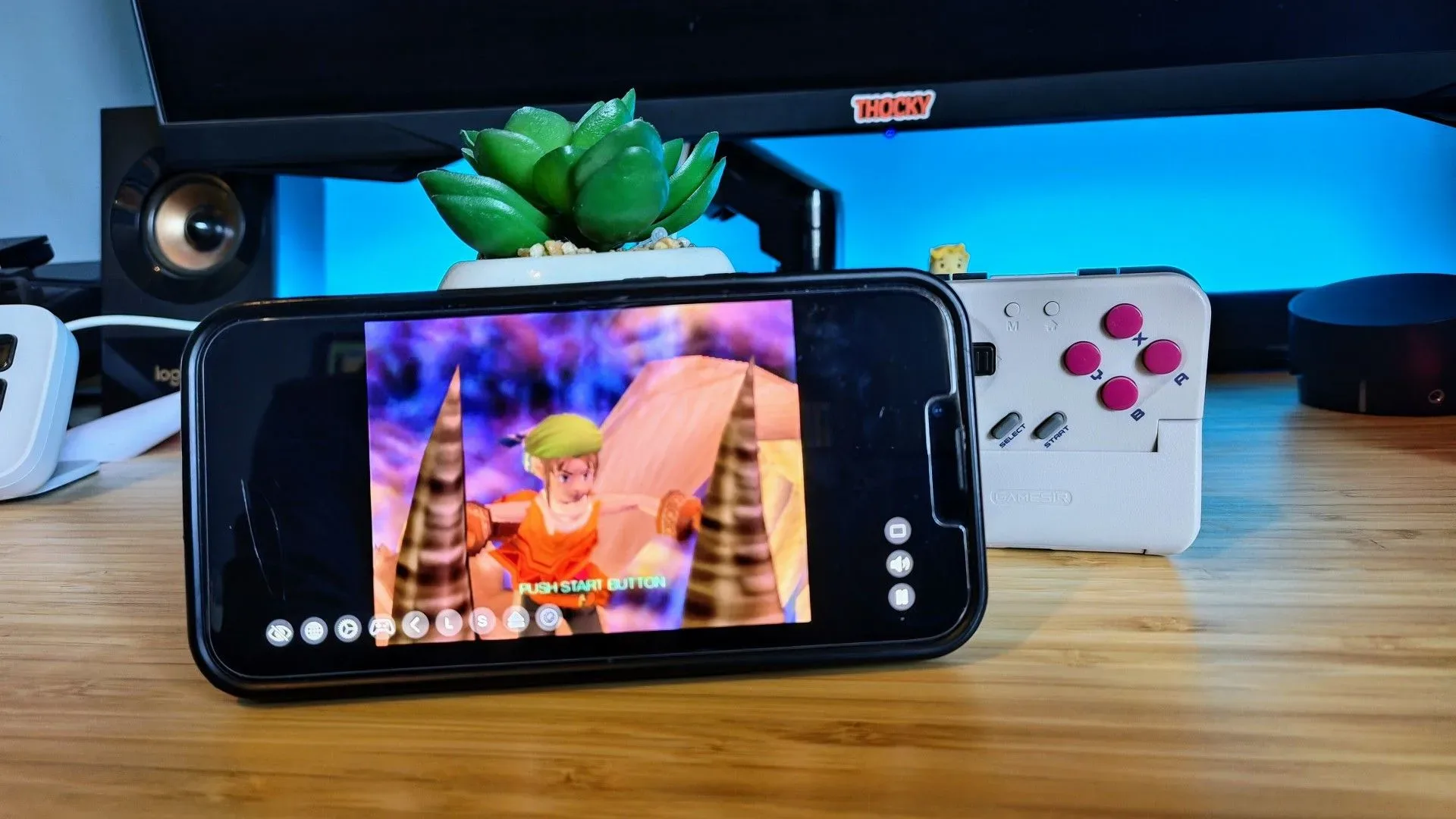
Mobile controllers have largely solved a technical problem: touchscreens are a poor substitute for physical controls. The remaining problem is behavioral. A full-size controller can make a phone feel like a capable handheld, but it can also become one more accessory that lives in a bag, a drawer, or on the desk beside the device it was supposed to liberate.
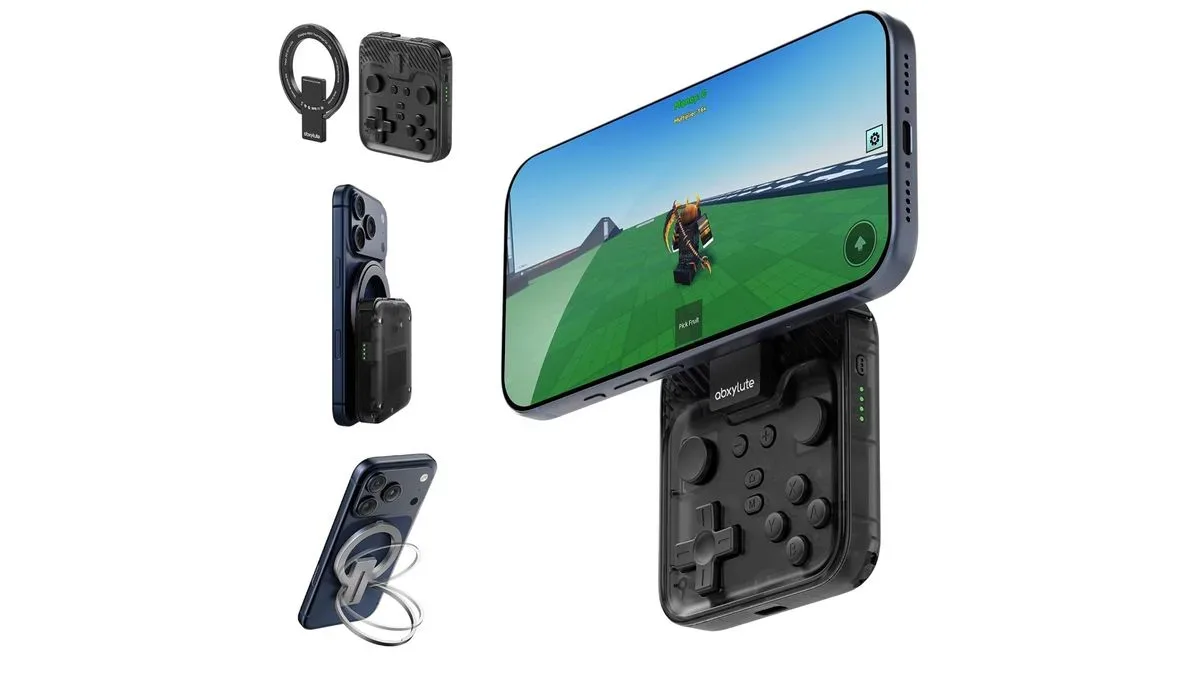
That is why Abxylute’s M5 and M6 pop-up controllers are interesting. They are not promising an unprecedented button count—many mobile gamepads already provide twin sticks, a d-pad, face buttons, shoulder buttons and triggers. Instead, their defining pitch is physical proximity: a magnetic attachment and slide-up layout intended to let the controller remain on the phone rather than travel separately from it.
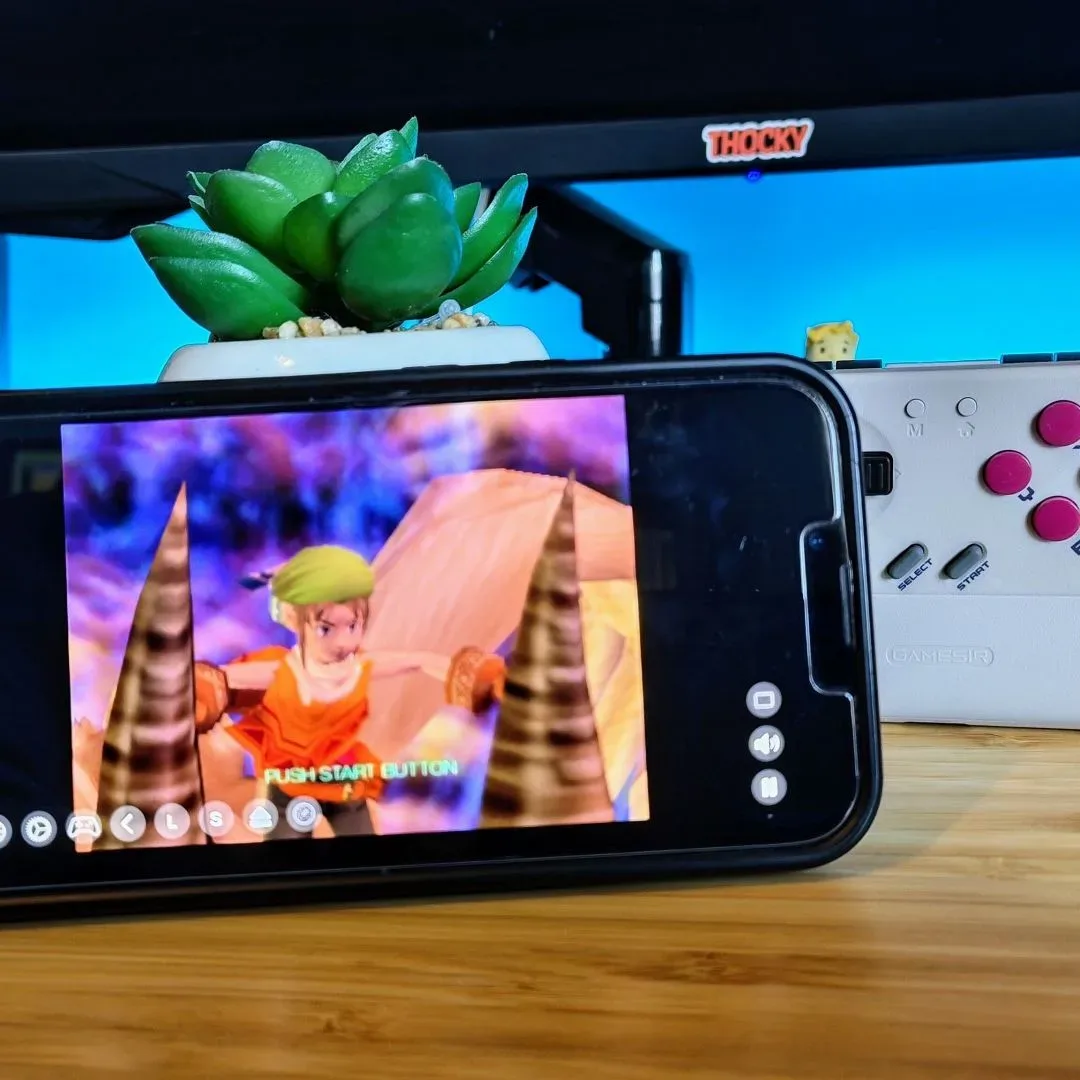
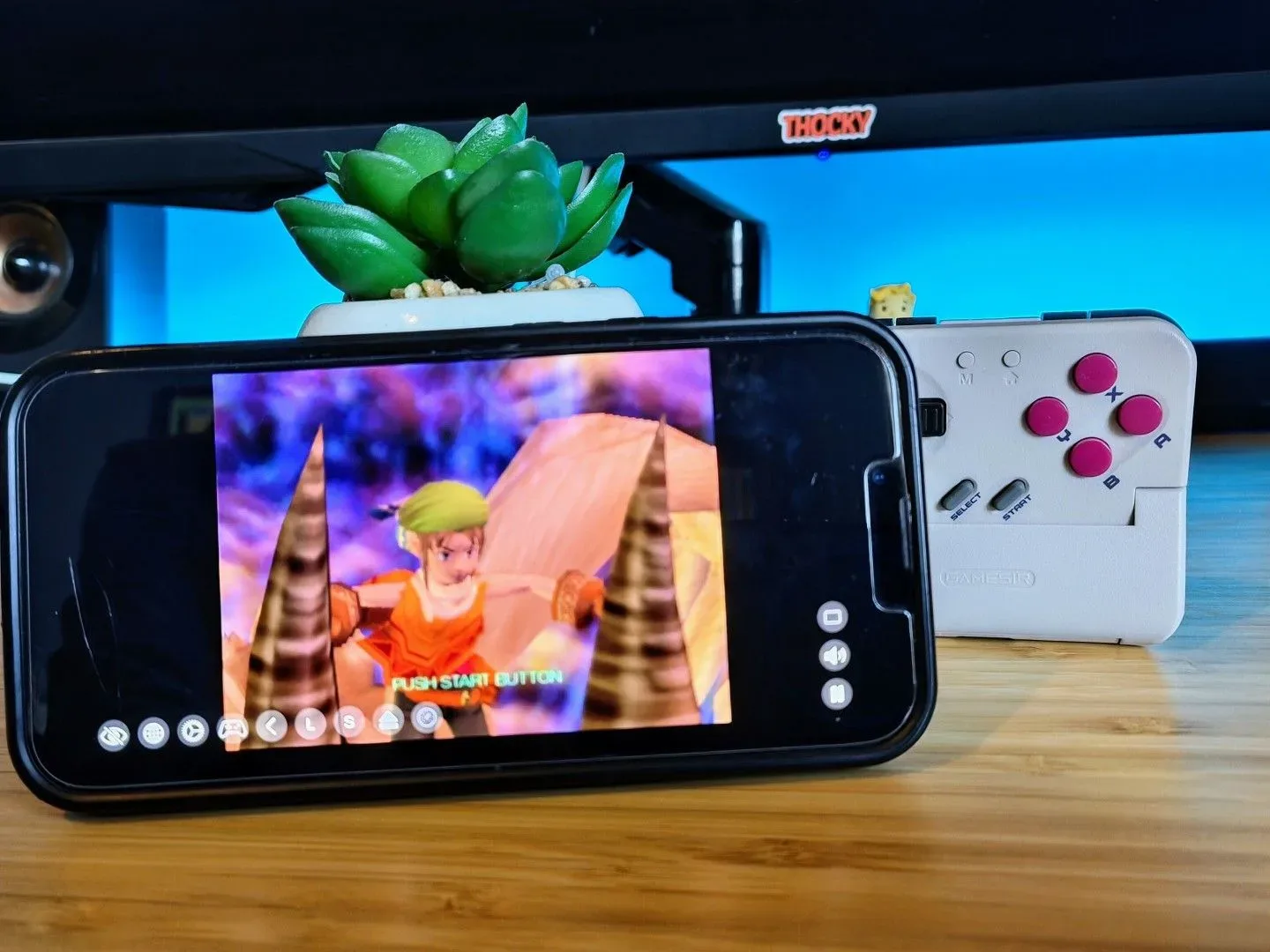
For players who use a phone to revisit older games, that distinction could matter far more than another specification-sheet arms race. A Game Boy Advance game may work beautifully with a compact controller that omits analogue sticks. PlayStation 2-era games, however, often need the full control vocabulary: two sticks, a d-pad, face buttons, shoulders and triggers. If the M5 or M6 can supply those inputs without making a phone unbearable to carry, they could turn occasional retro sessions into an everyday habit.
The inconvenient truth about mobile gaming: the controller has to be present
There is no shortage of mobile controller choices with conventional, gamepad-like layouts. The ELO Vagabond, GameSir G8 Galileo and Razer Kishi V3 Pro are all positioned as more substantial options. The challenge is that substantial hardware is, by definition, another thing to remember. A controller that needs a pouch is easy to leave behind. A foldable design may reduce its footprint, but still requires a deliberate decision to pack it. Even a smaller gamepad is not useful if it stays in a drawer.
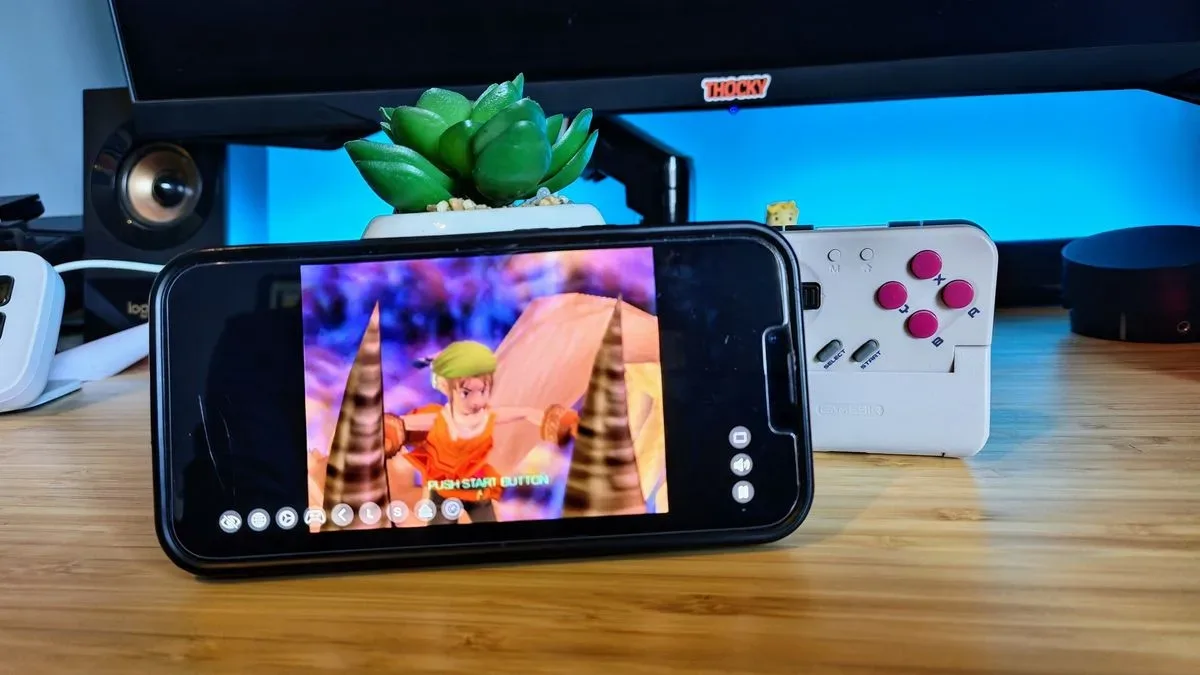
That friction is especially important for older games. The appeal of emulation on a phone is not simply that a game can run away from a TV or a desktop. It is that an idle moment can become a meaningful play session: a dungeon run while waiting for transport, a few minutes of progress during a break, or a return to a long-paused RPG without setting up a larger device.
Games built around short, repeatable progress loops benefit most. Dark Cloud, the Level-5 dungeon-crawling village-builder, is a useful example because its dungeons and rebuilding systems lend themselves to returning in small increments. But the same principle applies broadly to games that are easier to resume than to schedule. A phone is already in hand. The controller is the missing link only if it is there too.
What the M5 and M6 are trying to do
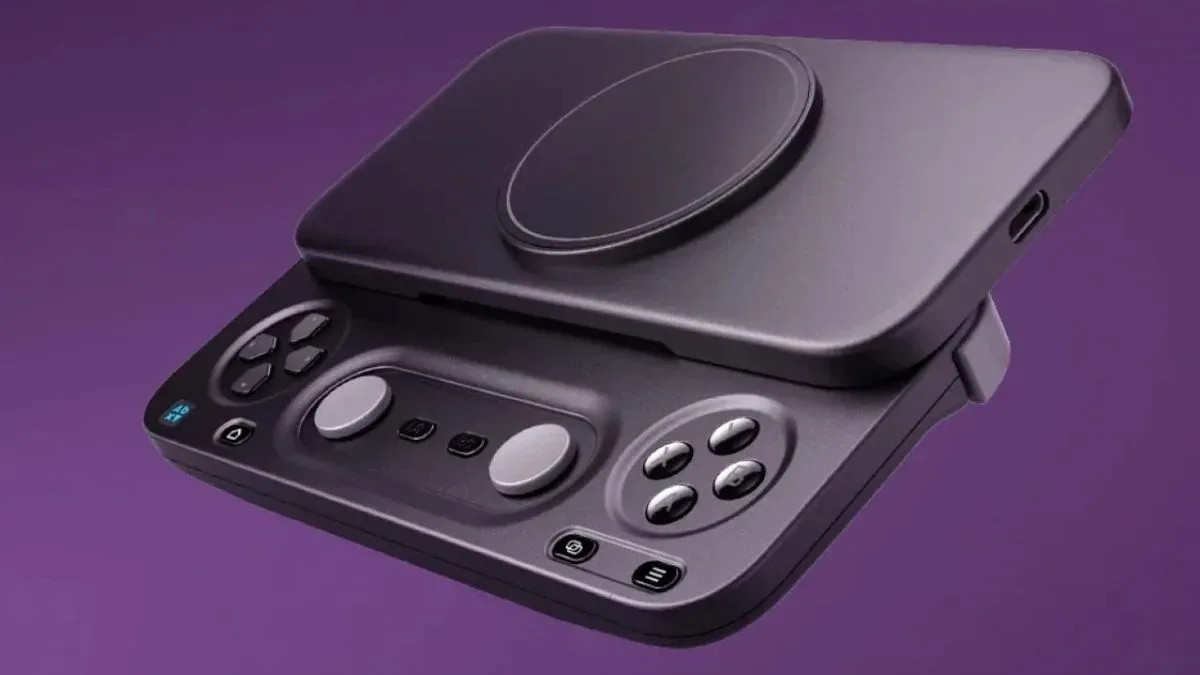
Abxylute’s M5 and M6 use a magnetic attachment and a controller section that slides up when needed. With the controls concealed, the concept is meant to preserve something closer to ordinary phone carry. Slide the display upward and the full arrangement becomes available.
Both models are described as including:
Related coverage includes Abxylute M5 and M6 Aim to Put Full Mobile Controls in Your Pocket.
- Two thumbsticks
- A d-pad and face buttons
- Shoulder buttons and triggers
- A magnetic attachment system
- A slide-up control design
The two models diverge in the stick and trigger details. The M5 uses low-profile carbon-film thumbsticks. The M6 uses capacitive thumbsticks and Hall effect triggers.
Technical terms, without the marketing fog
Carbon-film thumbsticks are a familiar analogue-stick approach, named for the resistive material involved in sensing movement. Abxylute describes the M5 sticks as low profile, which is significant for a controller designed around pocketability: less protrusion may make the device easier to carry, though it can also affect the feel of fine directional movement. Whether that compromise works cannot be established from the specification alone.
Capacitive thumbsticks, used on the M6, rely on capacitive sensing rather than the carbon-film approach named for the M5. The supplied details identify the technology but do not establish how it will compare in precision, resistance, longevity or feel. Players should avoid treating a different sensing method as an automatic quality ranking before independent use confirms how it behaves.
Hall effect triggers use magnetic field sensing. In practical controller discussion, Hall effect components are often valued because they avoid some of the physical contact associated with conventional sensing designs. Here, the confirmed point is simple: the M6, not the M5, is described as having Hall effect triggers. It is a meaningful differentiator, but it does not answer every real-world question about a controller’s build quality.
The broader lesson is that technical terms can identify design choices without guaranteeing the experience. Stick height, trigger travel, button firmness, attachment stability, device fit and long-term durability could all determine whether this format succeeds. The hardware has to make sense not only during a session, but while squeezed into pockets day after day.
Why twin sticks change the retro equation
A compact controller such as the GameSir Pocket Taco can be a strong match for Game Boy Advance games, where the input demands are suited to a smaller, stick-free setup. That category proves the value of turning a phone into an instantly available retro machine. Yet it also illustrates the line between generations of design.
PlayStation 2 games occupy a more demanding side of that line. Their controls can call for analogue movement, camera manipulation, the d-pad, face buttons, shoulder inputs and triggers in combinations that are difficult to reproduce comfortably with a minimalist pad or touch controls. A controller with two sticks is not a luxury in that context; it is much closer to a baseline expectation for preserving the intended control scheme.
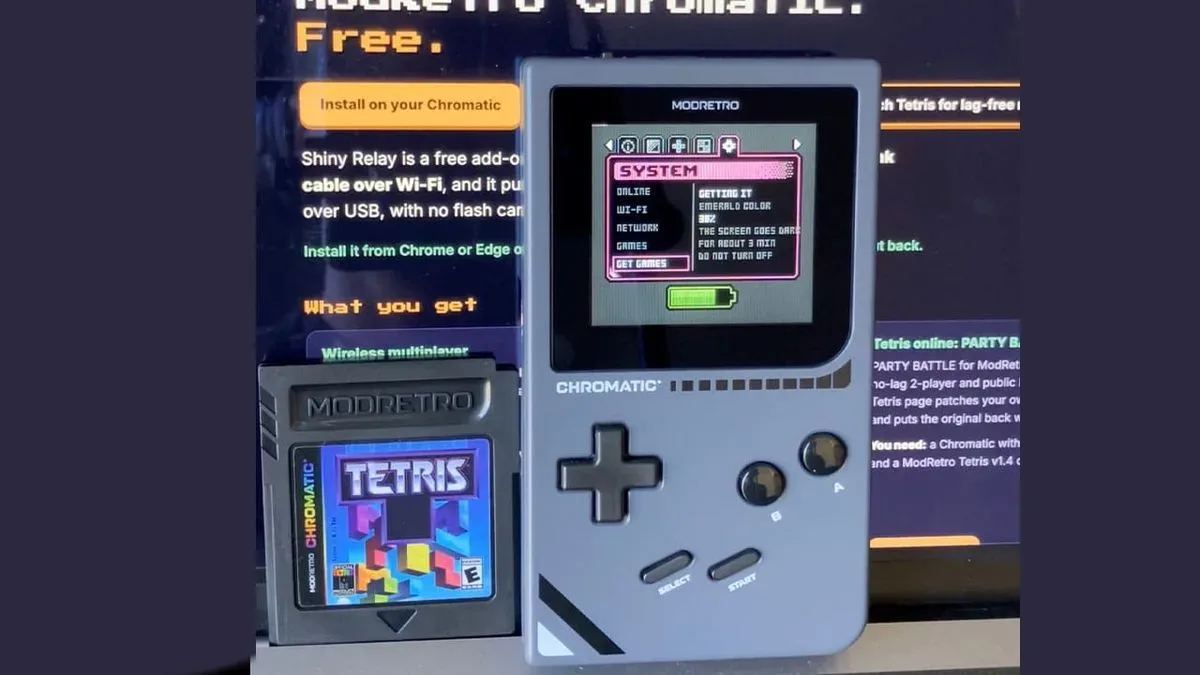
This does not mean every PS2 game will be ideal for a phone, nor does it settle the broader question of what device is best for emulation. An Asus ROG Ally and a gaming laptop offer their own advantages, while a dedicated retro handheld remains attractive for people who want a device built expressly around older libraries. Recent portable developments, including the ModRetro Chromatic’s community update with Wi-Fi game downloads and wireless firmware updates, also show that purpose-built hardware can prioritize a different kind of retro convenience.
The M5 and M6 proposition is narrower and potentially more practical: the best device may be the one already carried every day. That convenience becomes much more credible when the attached controls are complete enough for the games a player actually wants to revisit.
A clever form factor still has to survive real pockets
The appeal of permanent attachment is also the M5 and M6’s largest unanswered risk. A phone spends much of its life getting pulled from a pocket, placed on tables, carried in bags and handled without much ceremony. A controller designed to stay attached must be thin enough not to become annoying, light enough not to make a phone feel unwieldy, and robust enough to withstand that routine.
The magnetic connection is central here. It needs to be secure enough that using the controller does not feel precarious, yet convenient enough that the phone is not transformed into a permanently awkward object. The slide mechanism has an equally difficult assignment. It is supposed to make controls instantly accessible, but it introduces a moving part into a product defined by frequent carrying.
None of those concerns is a verdict against the design. They are precisely the questions that distinguish an appealing product render from a controller that earns a permanent place on a phone. The M5 and M6 will need to demonstrate their slimness, weight and durability outside a product page before their most ambitious promise can be judged.
Kickstarter status means expectations should stay measured
The M5 and M6 remain in the Kickstarter phase, and their Early Bird pricing has ended. That status matters. It means the concepts are not yet the same thing as widely available retail products, and prospective buyers should be careful not to treat projected design details as a substitute for mature availability or long-term reliability.
Abxylute does have products at broader retailers, including Amazon. The smaller Abxylute M4 is listed there at $44.99 and was noted as 10% off. It also fits two thumbsticks along with L1/L2 and R1/R2 controls, though its smaller form is a different answer to the portability question than the M5 and M6’s slide-up concept.
For the moment, the M4 is an option for someone seeking a more compact dual-stick arrangement now. The M5 and M6 are better understood as a potentially important test of a particular idea: whether a capable controller can become part of the phone rather than another peripheral to manage.
The real prize is reduced friction, not more hardware
It is easy to focus on the M6’s Hall effect triggers or the two models’ differing stick technologies. Those details matter, and they may ultimately separate the models for buyers. But the more consequential feature is the possibility of eliminating setup friction.
Retro backlogs are rarely defeated because a player lacks enough devices. They remain unfinished because starting a game can feel like a project: locate the controller, charge a handheld, open a laptop, connect a pad, choose a title, and then decide whether there is enough time to justify the effort. A controller that is already connected could turn that chain into one movement.
Abxylute’s M5 and M6 may not be the first mobile gamepads with a full control complement, and they will not replace larger controllers for everyone. Still, their form factor targets a real weakness in the category. If the final hardware proves sufficiently slim, stable and durable, a phone with permanently available twin-stick controls could be more effective at getting older games played than a technically superior controller left at home.
Shop the products
Check current price, model and availability at the retailer.