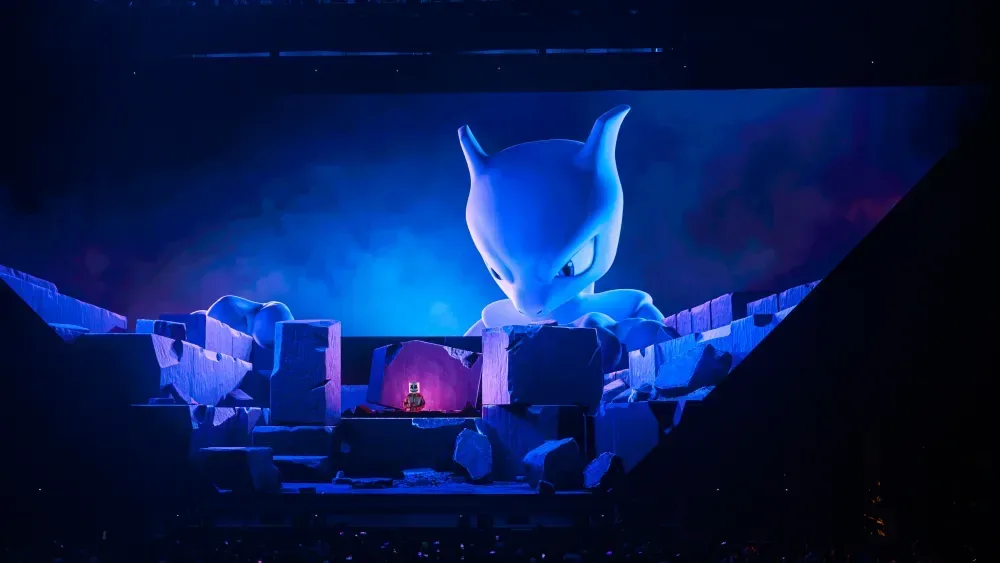
BALLS: The Monster-Catchin’ Musical Comédy, a stage parody built around monster-catching-game logic and its many wonderfully strange assumptions, has made the leap to YouTube. But its online edition is not presented as a simple archival recording of one night in a theatre. Director and co-writer Brandon Zelman has assembled what the production calls a “bootleg” from 10 separate performances filmed over six months, combining more than a dozen hours of footage into one deliberately unruly version of the show.
That approach matters. The live production depends partly on audience interaction, a quality that does not translate neatly to a fixed recording. Rather than attempt to reproduce every variable of an in-room performance, the team used the edit to make something with a different set of strengths: an expanded audiovisual parody that adds hand-made animation, cartoons, visual effects, VHS-style artifacts and low-poly pixel creatures. The result is designed as a home-viewing counterpart, not merely a substitute for sitting in the theatre.
A parody with 151 legally distinct creatures
BALLS is plainly built for people who know the original monster-catching phenomenon inside out, even while its online version carefully avoids naming that franchise directly. The musical includes 151 legally distinct monsters and pokes at foundational genre ideas that can seem increasingly absurd when examined closely: a world where children undertake major journeys, collect creatures and navigate systems adults apparently accept without question.
That specificity is central to how parody works. A spoof can imitate a recognizable surface—catchphrases, creature battles, colorful mascots—but the sharper jokes tend to come from understanding the rules fans have internalized for years. BALLS’ premise gives it room to play with both nostalgia and the oddities embedded in the material that inspired it. The show does not need a direct name-check for viewers to understand the target; its framework, creature count and familiar roles do much of the work.
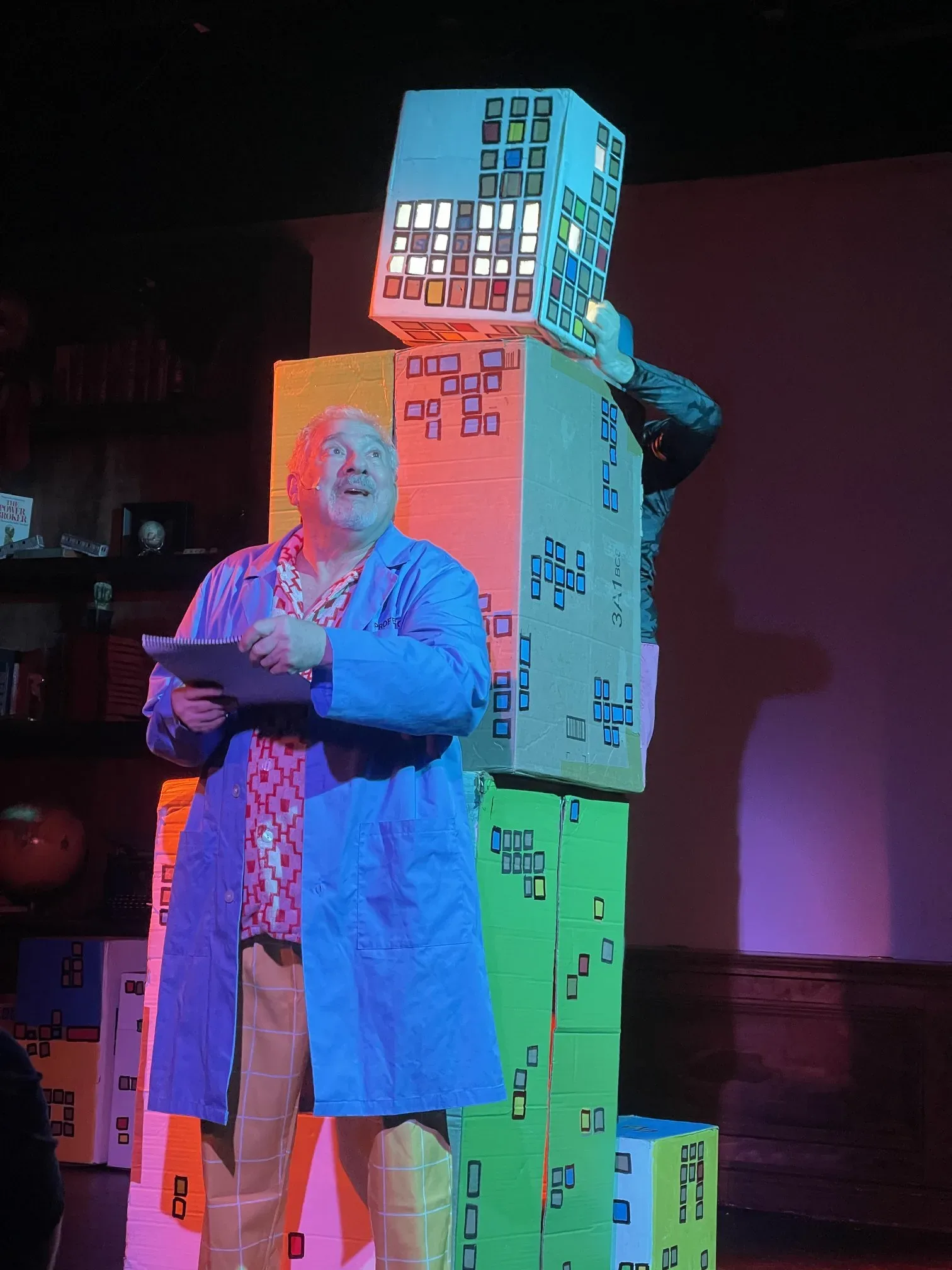
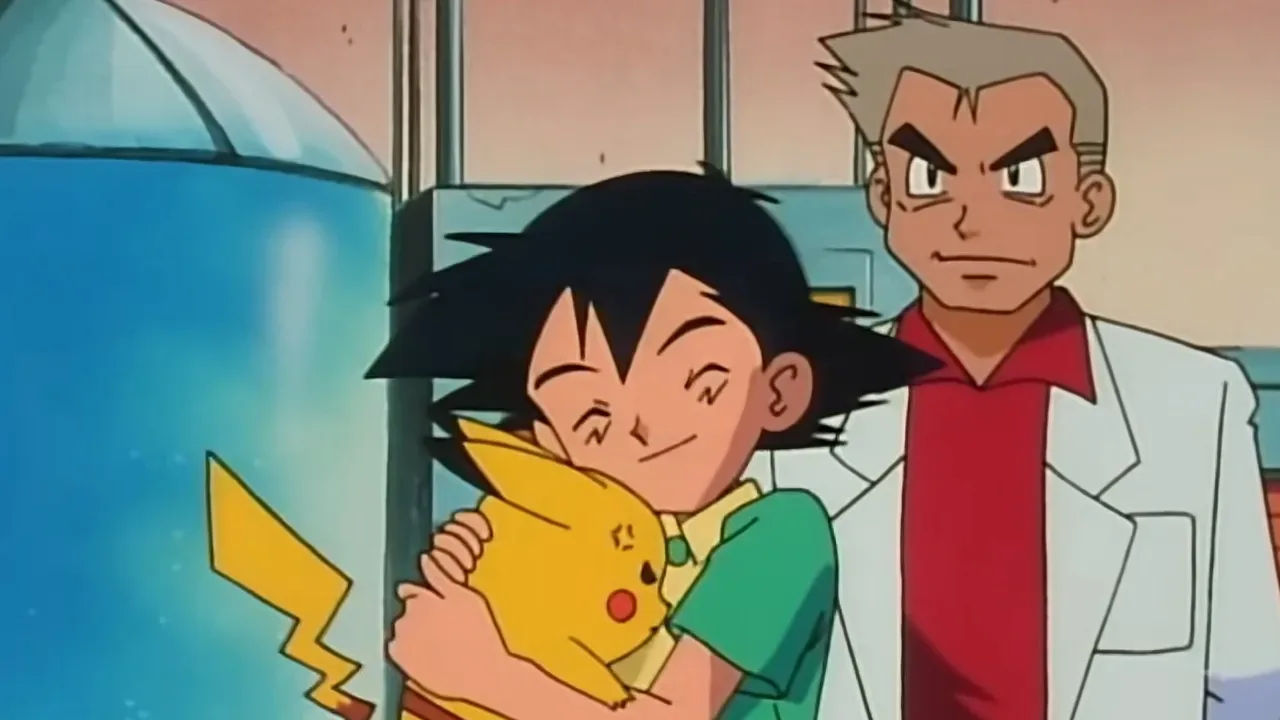
The production also has a meaningful connection to the English-language Pokémon anime legacy. Stuart Zagnit, the original voice actor for Professor Oak, appears in a starring role as the Professor, an homage to the character associated with him. The YouTube cut additionally features Veronica Taylor, the original voice actor for Ash Ketchum, as the audience-participant “10-year-old kid” character. Those performers do not turn the musical into an official franchise work, but their presence gives the show an unusually direct connection to the era it is skewering and celebrating.
Why the online version uses bleeps
The streaming edition’s conspicuous omissions are part legal precaution and part comic device. Zelman explained that the team wanted to avoid naming monster-catching franchises outright. References are redacted with bleeps, leaving viewers to fill in the missing names themselves.
That decision has a practical effect beyond the gag. The bleeped language makes it easier to combine scenes from different performances. A moment from one night can sit beside footage from another without the edit being constrained by every exact spoken detail. In a conventional filmed stage production, continuity usually means ensuring costumes, actor positions, props and dialogue match from shot to shot. BALLS instead treats discontinuity as a feature of its comic identity.
It is also a useful reminder of what “parody” means in this context. Parody is a creative work that imitates or comments on another work or cultural form, typically for comedy or critique. It does not automatically mean a production is official, affiliated or licensed. BALLS’ refusal to say particular names in the YouTube edit helps emphasize the distinction while letting the show preserve its broader monster-catching setup.
Related coverage includes Pokémon Parody Musical BALLS Is Now Streaming in a Wildly Reworked YouTube Cut.
Ten performances become one intentionally patched-together show
The recorded version incorporates footage from every performance of BALLS, with favorite moments selected and stitched into a single program. Zelman’s description of the edit as “Frankensteined” is apt: this is a constructed composite, not a document of a single audience’s experience from curtain-up to curtain-call.
For theatre fans, that distinction sets sensible expectations. Viewers may notice changes between shots because the material was captured across multiple nights. Yet those shifts are not being hidden as mistakes in an attempt to mimic a pristine television special. The production embraces a collage-like texture that aligns with its chaotic, bootleg presentation.
The team worked without the budget for a full production crew. It used the Caveat theatre’s built-in camera system and also gave cameras to audience members, whose material was incorporated into the final cut. Audience-shot footage can bring unstable framing, unconventional angles and a first-person sense of proximity—qualities normally avoided in polished stage filming, but potentially well suited to a project that is deliberately trying to retain the sensation of being in the room.
There was a substantial post-production burden behind that rough-edged aesthetic. Zelman and Kurt Cruz, who plays Pocket Pedia in the show and served as sound editor on the bootleg, had to synchronize and mix audio from the many cameras. Audio synchronization is the process of aligning sound recordings with the corresponding visual moments, particularly important when footage comes from different devices and positions in a venue. The work becomes more difficult when material spans multiple performances rather than a single shoot.
New visuals make the digital cut its own adaptation
The largest creative departure from the stage version is the amount of newly created imagery layered into the edit. Zelman says the bootleg contains hundreds of hand-drawn, sketched, rendered and doodled animations, along with cartoons and special effects. The added material includes visualizations of monster attacks, low-poly pixel monsters intended to evoke 1990s nostalgia, and frame-by-frame rotoscoped transformations.
Rotoscoping is an animation technique in which artists trace or draw over filmed movement frame by frame. In this case, it is used to turn transformations into a more overtly animated event than a theatre audience would see onstage. That makes the filmed version an adaptation in the fullest sense: it takes a live performance as its base but uses editing and animation tools unavailable in the physical venue.
The VHS artifacts work similarly. They are visual touches that imitate the glitches, tracking noise and worn-media character associated with videotape. Combined with deliberately low-detail digital creatures, they position the bootleg in a nostalgic visual space without requiring the live show itself to carry all of that imagery through sets and props.
For viewers, this means the online cut is likely best approached as its own object rather than as a definitive replacement for a future theatre visit. Live interaction remains hard to capture because it changes with the crowd and with the participant chosen on a given night. The recording answers that limitation by offering animation and post-production spectacle that could not exist in exactly the same way onstage.
What is next for BALLS
Making the show viewable outside New York City appears to be the immediate priority achieved by the YouTube release. The production had previously been limited by the practical reality of a location-specific run, while the online cut can reach people who could not attend in person.
The team also plans to release a live album in the new year. A professional studio recording remains a possibility rather than a confirmed project; Zelman indicated that it would depend on receiving the necessary support and resources. That distinction is worth keeping clear: a live album is planned, while a studio version is only an aspiration at this stage.
For now, the YouTube bootleg is the significant development. It is a resourceful response to the limits of recording an interactive off-Broadway parody on a modest production budget, and its imperfections are part of the premise rather than something the team has tried to erase. Fans of game-derived theatre, deeply referential comedy and the peculiar logic of monster-collecting worlds now have a way to see what the BALLS team built without needing to be in the room.
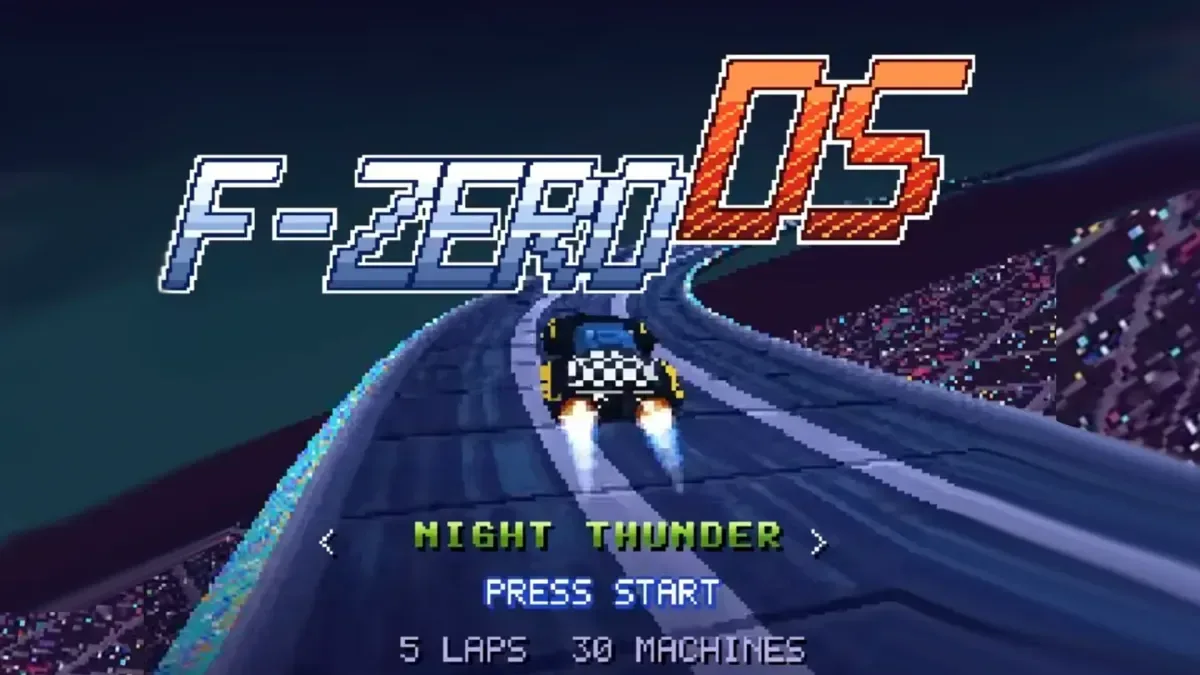
For more fan-project imagination rooted in Nintendo history, see our look at a fan-made F-Zero DS prototype.