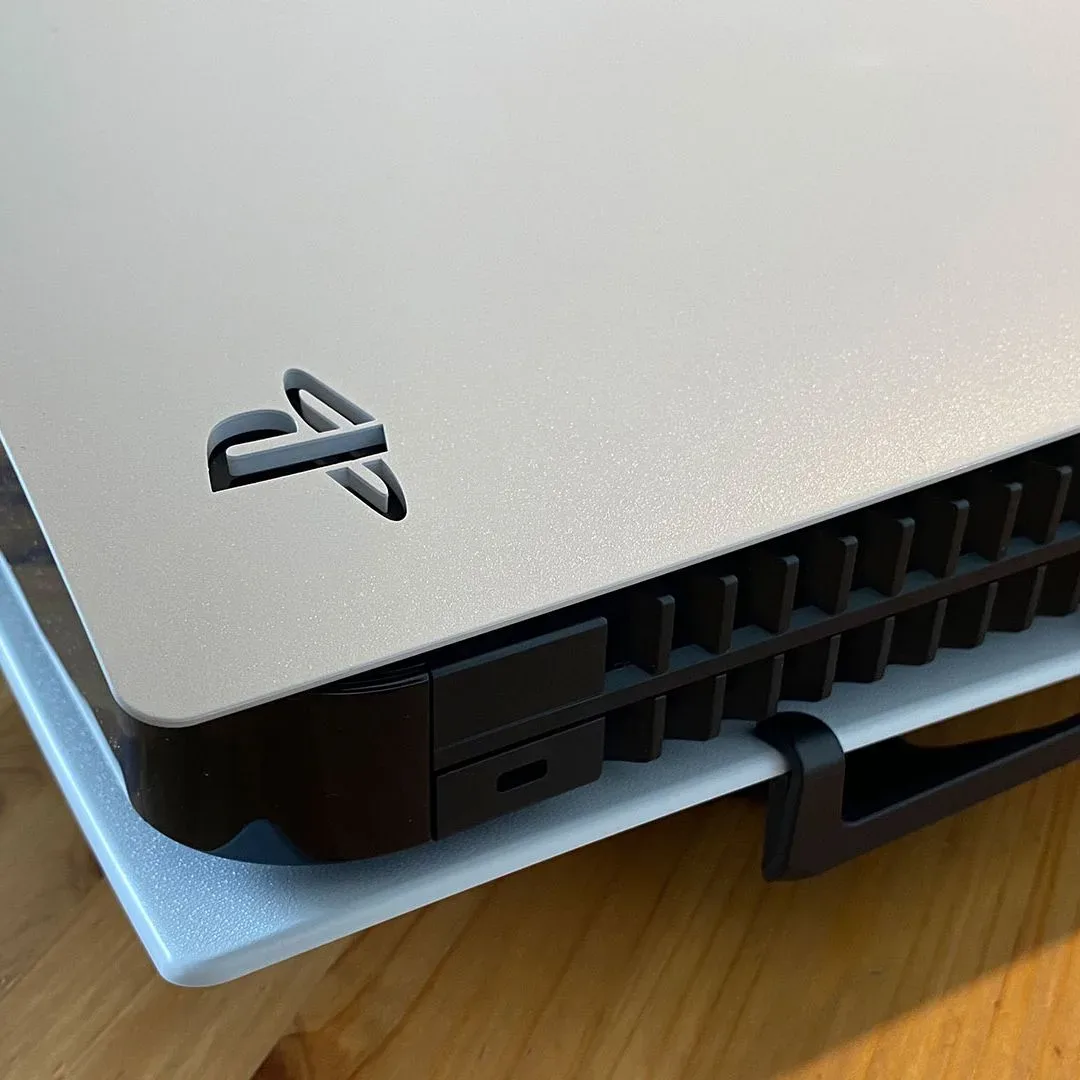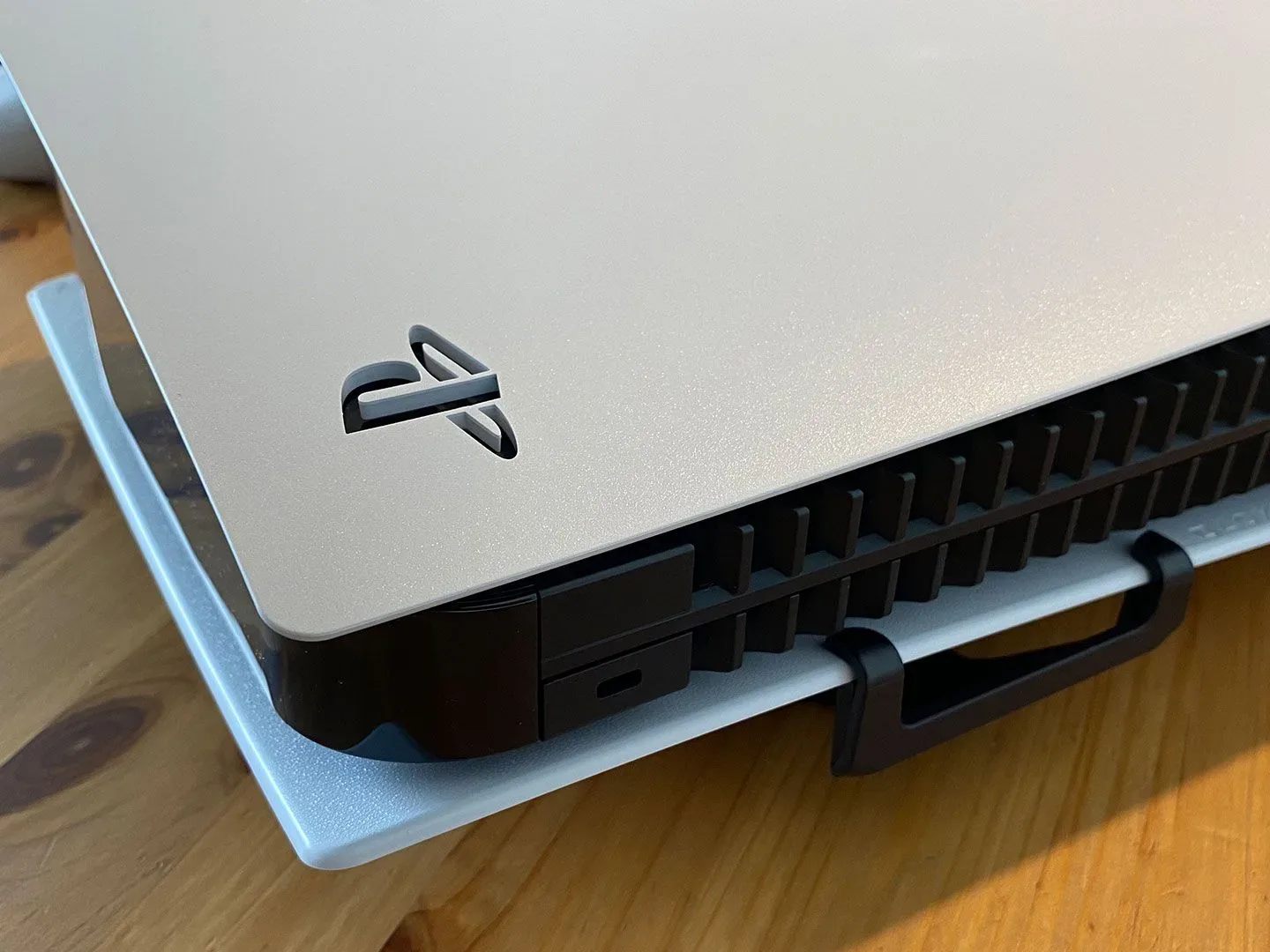
PS5 Linux work has suffered a major setback after developer Andy Nguyen said he is stepping away from the PlayStation 5 scene and ending his involvement in the project. Nguyen had spent months working toward a PS5-compatible Linux setup that could effectively turn the console into a Linux PC, but says a combination of low-quality AI-assisted homebrew work and the handling of a reported hypervisor bug has made continuing untenable.
Nguyen’s statement is not a declaration that every piece of PS5 Linux work has disappeared, nor does it establish the future of every related effort by other contributors. It is, however, a significant loss for a project closely associated with his research and development. His comments also put a sharp spotlight on a growing tension across technical communities: tools that make it easier to produce code can also make it easier to submit code that has not been understood, tested, or responsibly maintained.
What the PS5 Linux effort was trying to do
In March 2026, Nguyen shared footage of Grand Theft Auto V running in an unusual configuration and described having ported Linux to the PS5 and made the console function as a Steam Machine. The broader aim was not simply to get one game or one demonstration running. The work was intended to expand, test, and polish a Linux version compatible with the PS5, creating a route for the hardware to operate more like a Linux PC.
That goal matters because Linux is an operating system used across PCs, servers, development environments, and hobbyist projects. A console is ordinarily built around a tightly managed operating environment designed by its manufacturer. Porting Linux to such hardware is therefore a technical project involving much more than installing familiar desktop software: developers need a reliable way to start the operating system, account for the console’s hardware, and make the overall setup stable enough to be useful.
The available information does not establish a finished, consumer-ready PS5 Linux distribution, a broad compatibility list, or a release timetable. What it does show is that the project was being actively expanded and refined after the March demonstration. Nguyen now says his own work on it is stopping.
Nguyen’s complaint: code without comprehension
In his post, Nguyen said the homebrew scene had changed from one led by highly skilled researchers into an environment where people use large language models, or LLMs, to produce hacks they do not understand. He used the phrase “slop kiddies” to describe contributors he believes are generating and circulating untested work through AI tools.
LLM is a broad term for a system that generates or transforms language, including programming code, from patterns in its training data and a user’s prompt. An LLM can help explain a concept, draft a routine, spot obvious mistakes, or speed up repetitive tasks. But output that looks technically convincing is not automatically correct. This is especially important in low-level console and operating-system work, where a small incorrect assumption can cause crashes, break compatibility, create security problems, or leave other volunteers to untangle the result.
“Vibe coding” is often used as shorthand for prompting an AI to generate code and accepting the result largely on the basis that it appears plausible or seems to work in a narrow case. The term does not mean that every use of AI in programming is careless. The issue raised here is the absence of understanding and validation: whether a contributor can debug the result, explain what it changes, test it across relevant conditions, and maintain it when problems appear.
Related coverage includes PS5 Linux Project Halted as Developer Cites AI-Generated Homebrew Code Concerns.
Open-source projects are particularly exposed to this distinction. Their collaborative model can welcome useful patches from many people, but maintainers still need to review changes, reproduce bugs, compare code paths, and reject submissions that are risky or incomplete. If a flood of AI-generated material creates more review work than value, the supposed time-saving tool becomes a burden borne by the people with the deepest technical knowledge.
Why untested contributions can drain a volunteer project
Software contribution is not limited to writing lines of code. A sound contribution should identify the problem it addresses, describe the intended behavior, make changes that fit the surrounding project, and allow someone else to reproduce the results. When that chain is missing, maintainers may have to spend their time proving that a proposed fix does not work rather than moving the project forward.
In homebrew and console research, the stakes can be still higher. A change may touch boot behavior, hardware communication, memory handling, or security-sensitive areas. The supplied information does not detail the PS5 Linux codebase or any individual submission, so it would be wrong to assign a specific technical failure to a particular AI-generated patch. Nguyen’s point is broader: he considers the volume and quality of such work exhausting enough to contribute to his departure.
There is a practical lesson for anyone who wants to help a technical project, whether AI is involved or not:
- Understand the portion of code being changed before submitting it.
- Test the change in the relevant environment rather than relying only on generated output.
- Describe what was tested, what remains uncertain, and how another person can reproduce the result.
- Be prepared to debug or revise the work after review feedback.
- Treat maintainers’ time as a limited resource, not as a free validation service.
Those principles do not require every contributor to be an expert from day one. They do require contributors to learn and take responsibility for what they submit.
The reported hypervisor bug raises the pressure
Nguyen also pointed to what he described as the only remaining hypervisor bug, saying that people he criticized had found it, despite him having found it earlier, and chose to report it to Sony. He suggested the vulnerability was already known and would be addressed.
A hypervisor is software that manages or separates operating environments. In a modern device, it can provide an important layer of control between software and system resources. A bug in that layer can be security-sensitive because of the authority a hypervisor may have over other parts of the system. The supplied information does not provide technical details of the reported issue, its severity, affected PS5 software versions, exploitability, or any remedy. Those gaps are important: describing it as a vulnerability is not the same thing as confirming a public exploit or a working method for users.
Nguyen’s frustration centers on timing as well as disclosure. He said he asked the people involved to wait until Grand Theft Auto VI was out, so players could legally purchase the game and also use Linux, but claimed that they did not wait even a day after agreeing to do so. That is his account of the exchange and motivation; no further technical or legal detail is established here.
The larger concern is easy to understand without speculating beyond the facts. Reporting a security issue to a platform holder can lead to a patch. For ordinary users, patches are generally intended to improve security. For a homebrew project dependent on a particular weakness or access path, a patch can remove an avenue the project was using or expected to use. That creates a fundamental clash between preserving a research or homebrew opportunity and reporting a vulnerability for remediation.
Nguyen framed the reported bug as one part of a double pressure: the likelihood of attracting Sony’s attention and the frustration of sorting through AI-generated material. He said that, after putting his heart and months of his life into the work, he was finished with the project.
This is not an isolated argument in emulation and homebrew
The complaint about AI-generated code is not limited to PS5 Linux. In May, leaders of the PS3 emulator RPCS3 publicly told people to stop submitting AI-generated “slop” code. Their message emphasized learning to code and debug, then leaving behind something useful.
That parallel does not mean the two projects have identical technical needs or governance. A PS3 emulator and a PS5 Linux port are different kinds of projects. But both depend on people who can assess difficult behavior, identify why something fails, and make changes that survive review. In that context, AI output is only as helpful as the contributor’s ability to evaluate it.
The disagreement also illustrates why open development is not automatically frictionless. Public collaboration can gather knowledge from a wide range of participants, yet it relies on shared standards of evidence and restraint. The ability to generate an apparent solution quickly does not replace the slower work of verification. A patch that compiles is not necessarily correct. A demonstration that works once is not necessarily stable. And a security finding is not automatically ready for public handling without considering timing, impact, and the wishes of the people relying on it.
What happens next for PS5 Linux?
The immediate, confirmed change is Nguyen’s own exit: he says he is stepping away from the PS5 scene and stopping all his PS5 Linux work. There is no supplied evidence of a replacement maintainer, a new roadmap, a final release, or a definitive end to all PS5 Linux experimentation. It is therefore too early to characterize the entire idea as permanently dead.
For interested users, the sensible takeaway is caution. Do not assume a viral clip or an AI-generated guide represents a stable public method. Do not treat discussion of a reported vulnerability as an invitation to seek or circulate unverified tools. And do not confuse a technically impressive proof of concept with a supported product.
For potential contributors, the episode is a reminder that useful assistance begins with competence and accountability. AI can be part of a learning or development workflow, but it cannot shoulder responsibility for a contributor’s patch, testing, or security judgment. The burden of understanding remains with the person pressing submit.
Console homebrew has always required patience, careful research, and a willingness to work within uncertainty. Readers looking for broader background on how those communities develop around older hardware can explore Sega Genesis and Mega Drive modding history, cartridge copiers and homebrew. In the PS5 case, the most concrete news is more sobering: a prominent developer says the surrounding conditions have driven him away from a project that was attempting to make the console substantially more flexible.