PS5 emulation has reached an intriguing, extremely early stage: a small number of games can now run in-game, a handful are being described as fully playable at 60 frames per second, and prominent PS5 releases are beginning to appear in public progress demonstrations. That is a meaningful technical milestone. It is not, however, evidence that PS5 emulation is ready to become an ordinary way to play a PS5 library on PC.
The distinction matters because the most eye-catching numbers tell only part of the story. SharpEmu developer Scarecrow says that, from 55 tested games, 12 can now reach gameplay and six are fully playable at 60 FPS. Meanwhile, KytyPS5 has shown increasingly capable results with the Demon's Souls remake, moving from a reported 30 FPS several weeks earlier to user-posted videos that appear to reach roughly 40 to 50 FPS. Those results show genuine momentum, but the projects’ compatibility lists and demonstrations should be read as development snapshots rather than a purchasing guide or a guarantee of a smooth experience.
A small playable list is still a major step
Emulation is software that reproduces the behavior of one hardware platform on another. In this case, the goal is for a PC to behave closely enough like a PS5 that PS5 software can boot, render correctly, process input, load assets and continue through gameplay without fatal errors. Every one of those jobs can expose a different compatibility problem. A game reaching its title screen, for example, is not the same thing as loading a level; loading a level is not the same as finishing one reliably.
That makes SharpEmu’s categories useful context. Of 55 tested titles, 12 reportedly get as far as in-game operation. Only six are said to be fully playable at 60 FPS. Even without a complete definition of every test condition, the gap between those figures illustrates why the word “playable” needs care in emulator reporting. A game may boot but have broken graphics. It may reach gameplay but crash later. It may run correctly but do so too slowly for the intended experience. It may run at a strong average frame rate yet still hitch, stutter or display visual problems.
The games currently benefiting most from SharpEmu’s progress are largely smaller indie releases and retro collections, including Tomb Raider 4-6 Remastered. That does not diminish the accomplishment. Rather, it identifies the present boundary: the projects are demonstrating increasing functional coverage, while broad compatibility across technically demanding PS5 releases remains a much larger task.
Players following PC performance stories will recognize why headline frame-rate figures deserve qualification. Even modern native PC releases can place enormous demands on high-end hardware; recent testing of a demanding 4K path-tracing workload is a useful reminder that a GPU tier alone never explains the whole result. Emulation adds another layer of translation and compatibility work on top of rendering a game.
Demon's Souls is promising, not a 60 FPS breakthrough
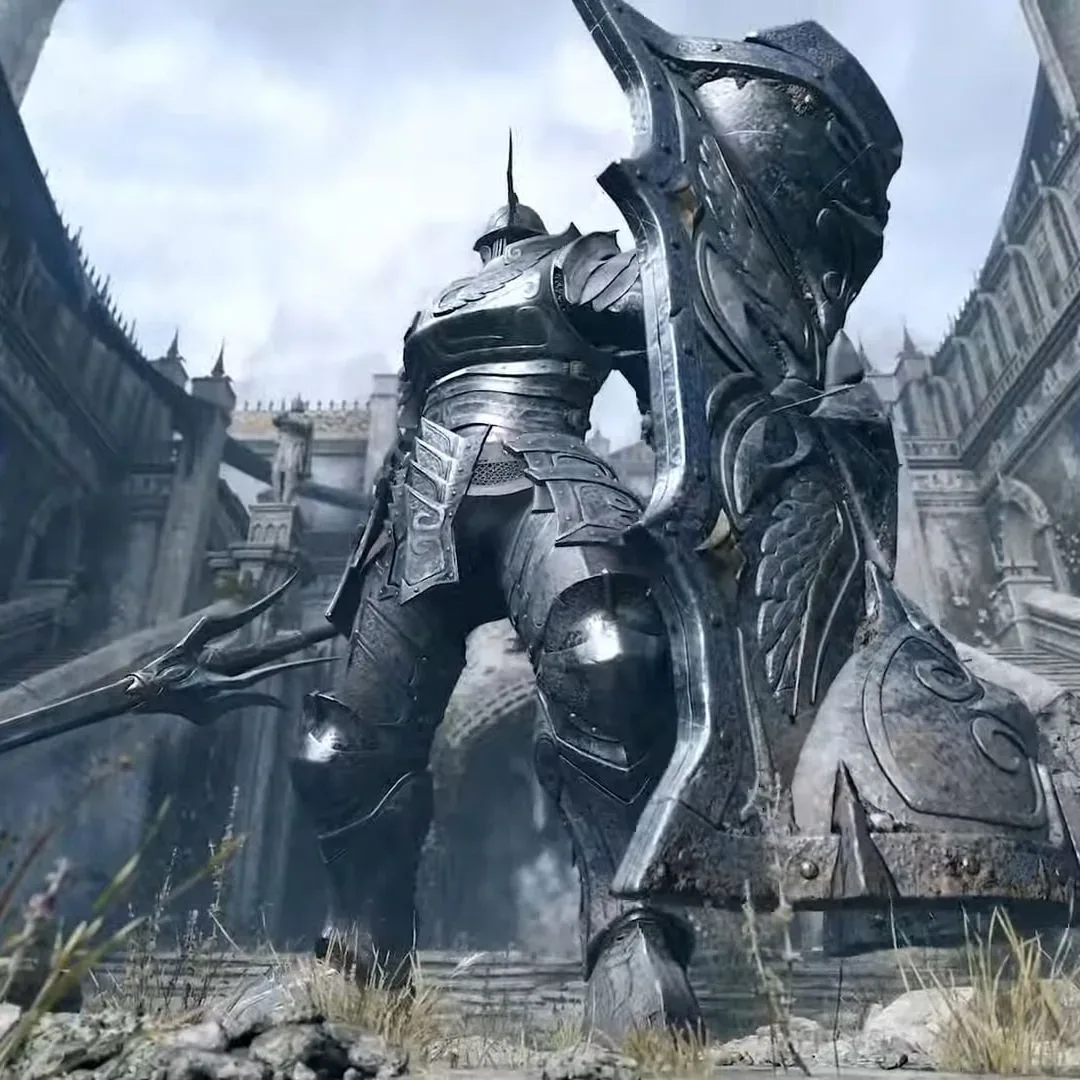
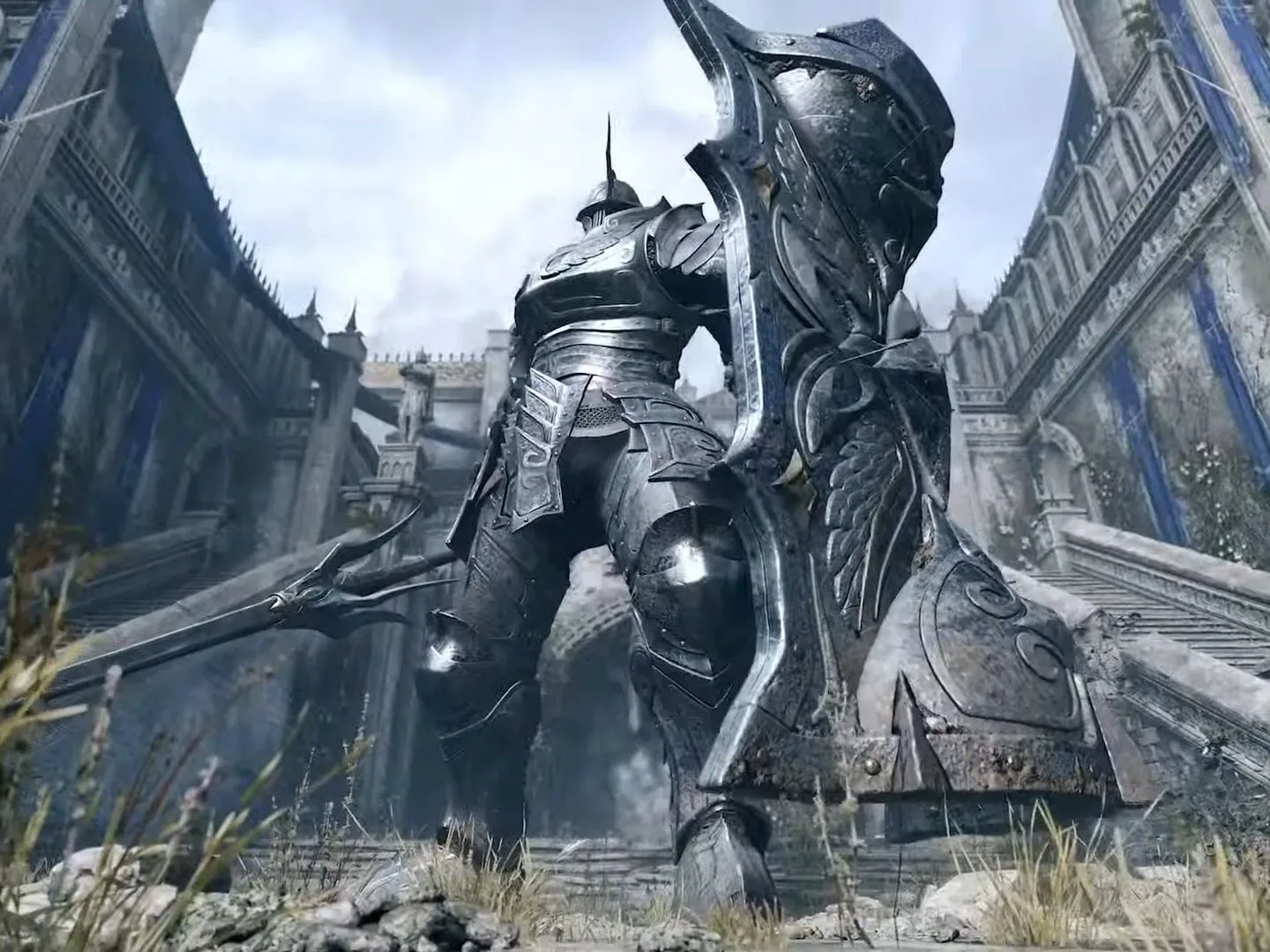
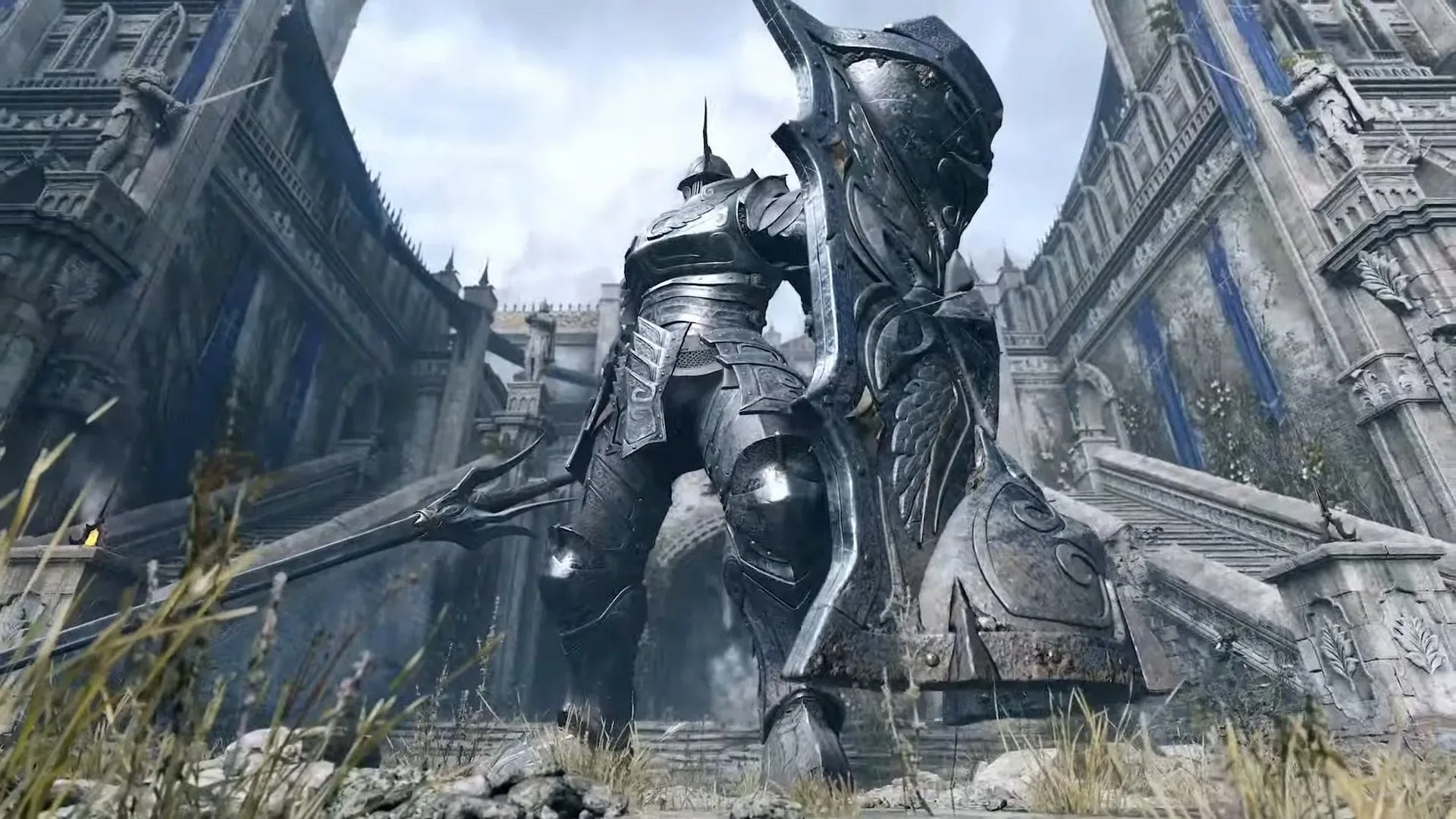
Demon's Souls is the clearest example of why these developments have attracted attention. KytyPS5 was reported to be running the remake at 30 FPS only weeks ago. More recent videos posted by users have shown performance in the 40-to-50-FPS range. That is a notable increase in an especially visible PS5 game, and it suggests that the emulator’s behavior is improving quickly enough for difficult titles to become useful diagnostic targets rather than instant failures.
There are substantial caveats. The reported 40-to-50-FPS results require an RTX 5090 graphics card paired with an Intel Core i9-14900K processor. That is an exceptionally powerful PC configuration. The demonstrated range also remains below the game’s PS5 performance-mode target of 60 FPS. Most importantly, frame rate cannot by itself establish that a game is fully playable: visual correctness, stability and the absence of gameplay-affecting bugs are equally important.
Related coverage includes PS5 Emulation Takes Early Steps Forward as Demon's Souls and Astro Bot Show Progress.
Scarecrow’s response to the earlier KytyPS5 result captures the competitive-but-respectful reality of open emulator development. The developer described Demon's Souls as a personal milestone that SharpEmu had pursued for a long time, while calling the other project’s performance impressive. Milestone games matter because they can reveal which parts of an emulator are working well enough to handle real-world workloads, but they should not be mistaken for proof that every PS5 game will behave similarly.
Another high-profile signpost is Astro Bot. A video demonstration has shown it running at up to 30 FPS. Again, the operative phrase is “up to.” It establishes that the game can be made to run under certain circumstances; it does not establish a locked rate, complete compatibility or a polished experience. For prospective users, the honest current expectation remains bugs, graphical glitches and performance trouble, including among the limited set of games that boot.
What FPS and compatibility actually tell players
FPS, or frames per second, measures how many complete images are displayed each second. A 60-FPS result is often associated with smoother motion and more responsive input than a 30-FPS result, but it is only one performance metric. A game can report high frame rates while suffering uneven frame delivery, where individual frames arrive at inconsistent intervals. It can also move quickly while rendering effects incorrectly or encountering failures that do not appear during a short demonstration.
Compatibility is broader than performance. In emulator work, it encompasses whether a title starts, reaches menus, loads into gameplay, behaves correctly over extended sessions, handles its graphics and audio properly, accepts controls and avoids crashes. Compatibility lists are valuable maps of progress, but they are inherently provisional: updates can improve a title, expose a new issue or change the circumstances in which it works.
That is why a sensible reading of the SharpEmu and KytyPS5 reports is not “PS5 games are now playable on PC” in the general sense. A more accurate reading is that PS5 emulation has produced enough visible successes to show it is no longer purely hypothetical, while still being too limited and unstable to serve as a dependable replacement for the console experience.
AI assistance is permitted, but the boundaries matter
Part of the discussion around this apparent acceleration concerns artificial-intelligence tools. A video examining the recent progress argues that AI is an important part of the process. Neither project’s disclosed policies establish exactly how much AI-generated work is present in its codebase, so it would be inaccurate to assign a specific share of the advances to AI. What is clear is that both projects allow some forms of AI-assisted work while setting expectations for contributors.
KytyPS5 permits AI tools for research, reverse engineering and development assistance. SharpEmu permits them for research, reverse engineering, code generation and documentation. Reverse engineering here means studying how a system or software behaves in order to understand the technical behavior that must be replicated. It is foundational to emulator development, where developers must accurately reproduce complex platform functions without simply treating a game’s output as a black box.
Both projects say that a contributor must understand and be able to explain AI-assisted code they submit. That requirement is more than a formality. Generated code can look plausible while making incorrect assumptions, introducing subtle bugs or conflicting with the architecture around it. If the submitter cannot explain why a change exists or how it works, maintainers have a much harder time reviewing, debugging and safely extending it.
The issue has surfaced elsewhere in emulator development as well. Developers behind the PS3 emulator RPCS3 have pushed back against submissions characterized as low-quality AI-generated code. The practical distinction is not simply between “AI” and “no AI.” It is between using a tool to assist knowledgeable work and using a tool to create opaque changes that no one involved can properly evaluate.
Why fast progress should still be treated cautiously
There is a temptation to measure an emulator project solely by its most dramatic footage: a beloved exclusive booting, a counter rising past 30 FPS, or a game reaching a scene once assumed to be far away. Those moments are worth recognizing. They can confirm that difficult systems are being implemented and that the project’s direction is productive.
But early emulation progress is uneven by nature. Six games fully playable at 60 FPS out of 55 tested is an encouraging data point precisely because it is specific, not because it represents a broad PS5 catalogue. Demon's Souls reaching around 40 to 50 FPS on an RTX 5090 and i9-14900K is technically striking, but the hardware requirement and sub-60 result prevent it from being a practical recommendation for ordinary players. Astro Bot reaching up to 30 FPS is a sign of compatibility work advancing, not a declaration of finished support.
The most useful takeaway is therefore a measured one. SharpEmu and KytyPS5 are now producing results that were recently much harder to imagine, including in recognizable PS5 games. Their work deserves attention as technical progress. For now, though, prospective users should expect a tinkering-focused, inconsistent experimental environment—not a stable alternative platform for playing PS5 games.