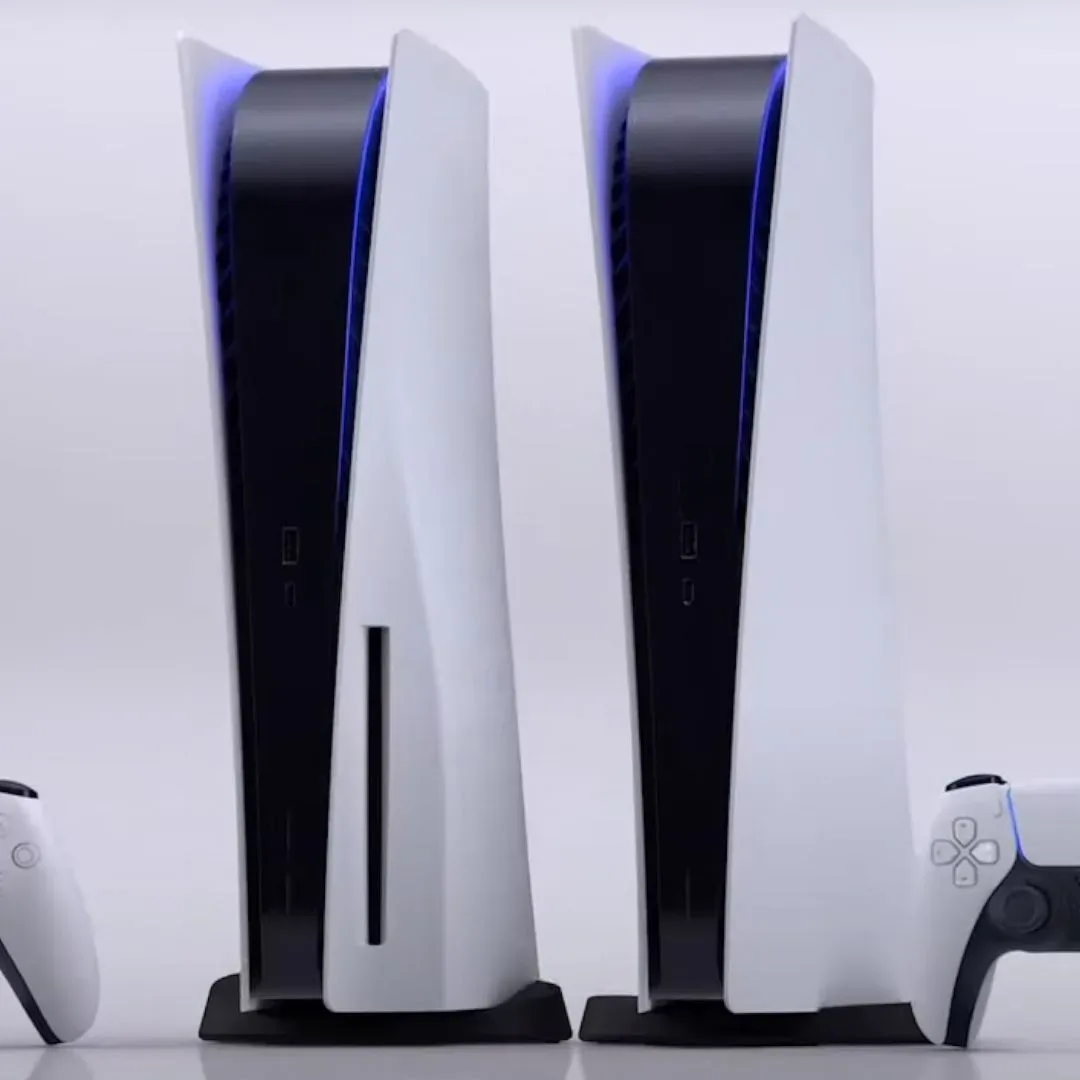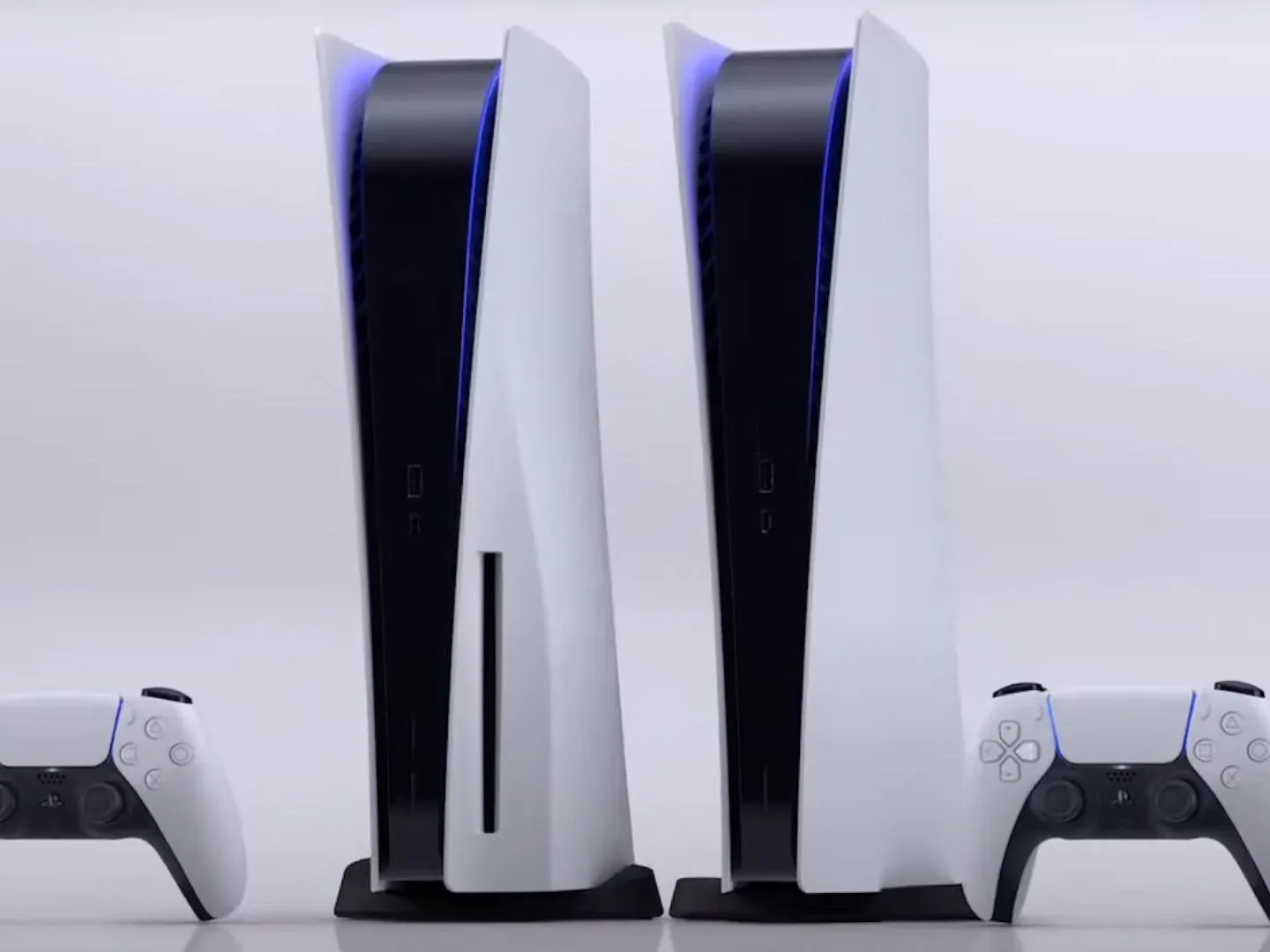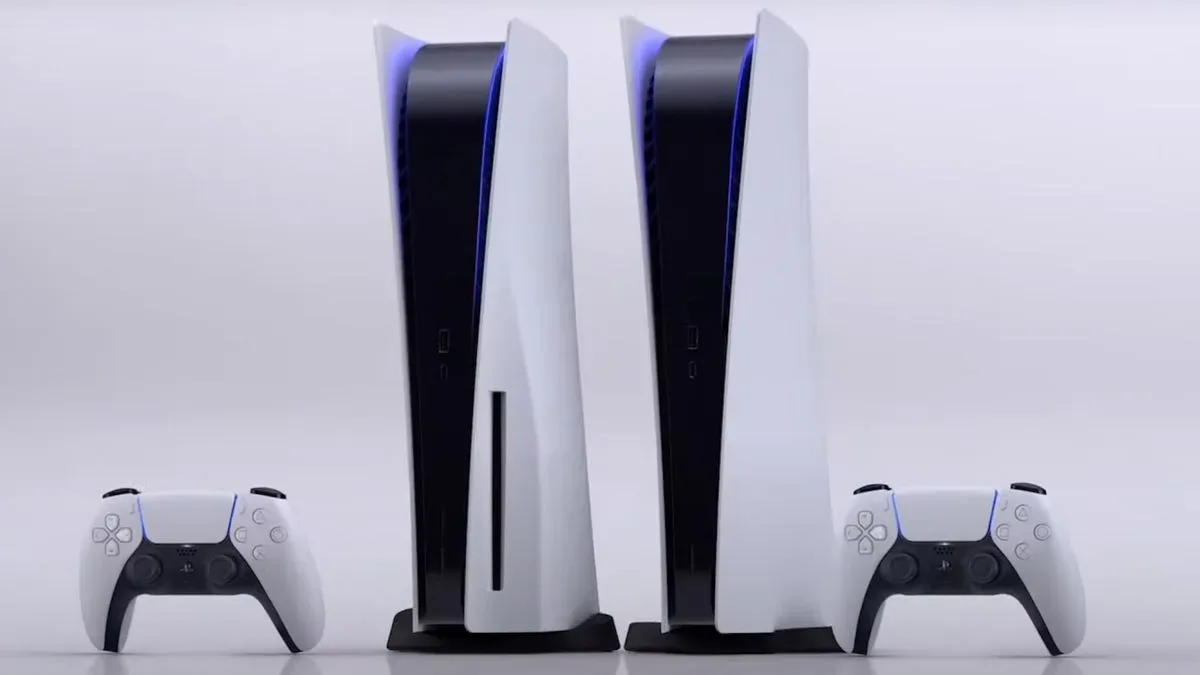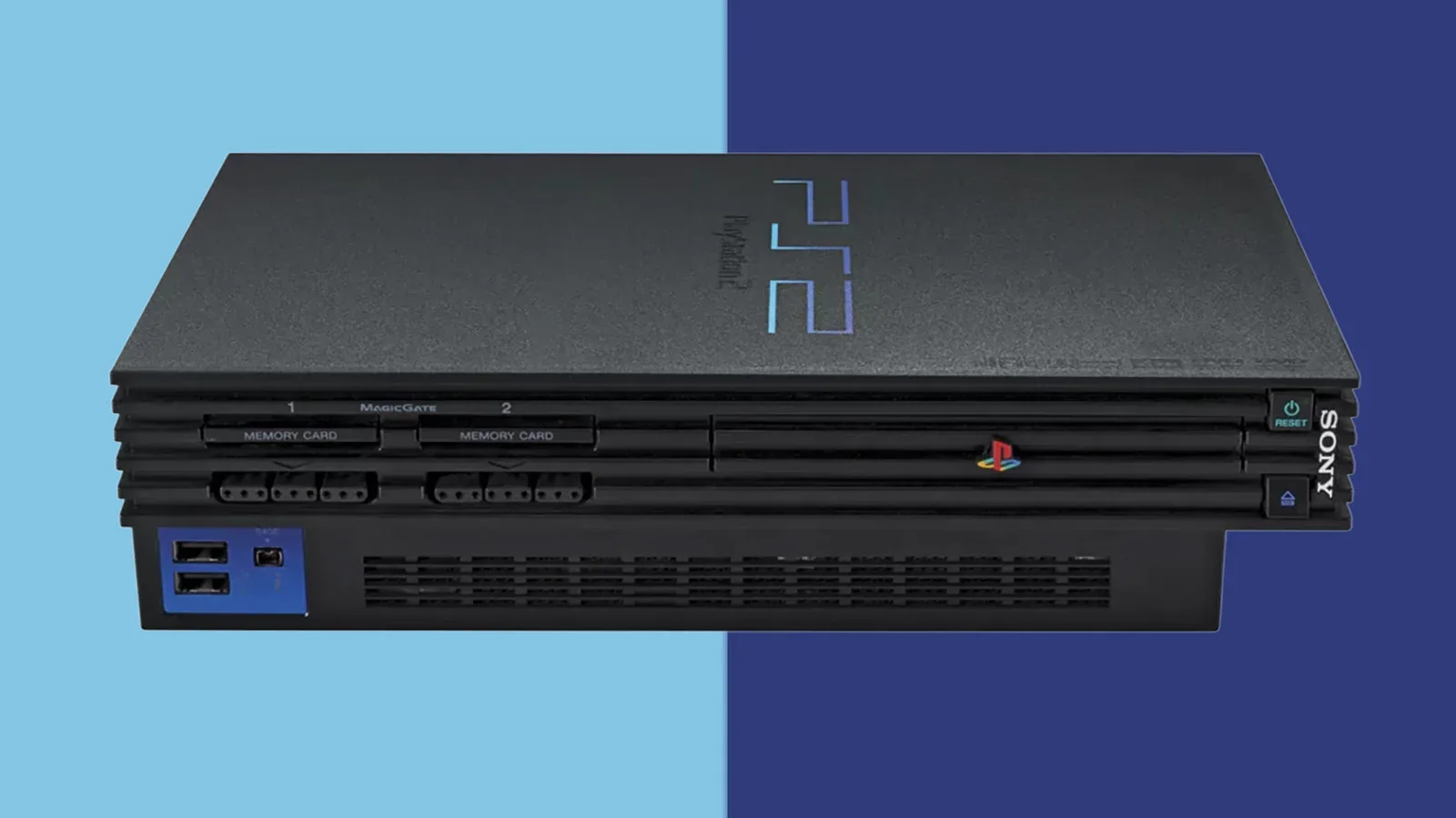
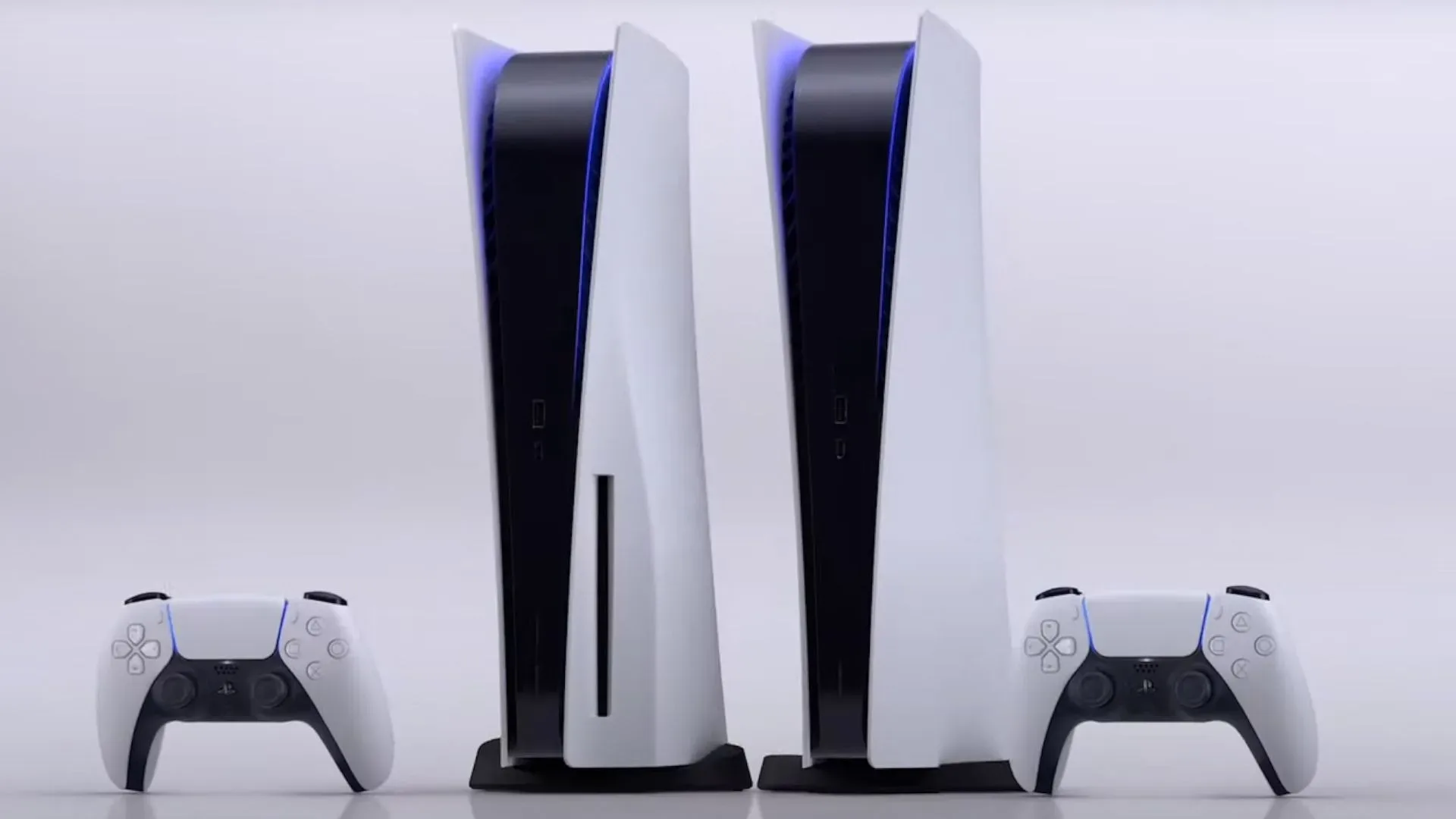
The PlayStation 5 has passed 100 million units sold over its six years on the market, a landmark that places Sony’s current console in rare company even before the pricing context is considered. The PS5 did not reach the number as quickly as either the PS2 or PS4, but it got there under a notably different retail story: Sony has not issued a permanent price cut for the system.
That distinction matters because the standard console-life-cycle playbook has generally been straightforward. Hardware begins at a premium price, then eventually becomes less expensive as manufacturing matures, component costs improve, and platform holders pursue a wider audience. The PS5’s path has moved against that familiar direction. Rather than a durable official reduction, its pricing has risen over time amid supply-chain disruption, a memory shortage and wider economic pressure on hardware.
Temporary promotions do not change that record. A retailer discount during Black Friday or another sales event may lower what a buyer pays on a particular day, but it is not the same thing as an official permanent reduction to a console’s regular price. The 100 million result is therefore significant not simply as a sales total, but as evidence that PlayStation has sustained enormous demand without one of the industry’s traditional growth levers.
What the 100 million figure does—and does not—say
“Units sold” is the key metric here: it refers to the number of PS5 systems sold, not the number of active players, game downloads, or PlayStation Network accounts. It is a measure of hardware adoption. Reaching 100 million means the console has established an exceptionally large installed base—an important term for the population of systems that game makers and publishers can potentially sell to.
That installed base has practical consequences. A larger audience can make games for the platform more commercially attractive, whether they are exclusives, multiplatform releases or physical editions. It also makes the hardware ecosystem more consequential for accessory makers, subscription services and retailers. None of that means every PS5 owner buys the same games or participates in the same services, but the size of the addressable console audience is unmistakable.
At the same time, 100 million sales should not be turned into a simplistic claim that the PS5 has beaten every earlier PlayStation on every measure. The PS2 and PS4 reached this threshold faster. Speed to a milestone and the circumstances of reaching it are separate comparisons. The PS5 has not taken the quickest route among Sony systems, but its no-permanent-cut route is the unusual part of this story.
A console generation shaped by unusually difficult conditions
The PS5 launched during the global pandemic, when supply-chain issues made it difficult for many people to find one. Those problems are central to interpreting the early portion of its commercial life. Strong demand does not automatically equal ready availability; a console can be sought after while constrained by the ability to produce and distribute it.
The pressure did not simply disappear and give way to the familiar “older hardware gets cheaper” phase. The present environment includes an unprecedented memory shortage and economic headwinds that have pushed hardware costs higher. The PS5 is not alone in that dynamic: Xbox Series X/S and Nintendo Switch 2 pricing have also moved upward alongside the broader cost pressures described here.
Related coverage includes PS5 Reaches 100 Million Sales Without a Permanent Price Cut.
That backdrop makes a permanent price cut more complicated than it sounds. A permanent cut is a long-term decision by the manufacturer to lower the official cost of entry. It is different from a short-lived promotion because the company must be able to support the lower price across markets and over time. Where component availability and costs are difficult, the usual rationale for cutting hardware prices becomes harder to apply.
For consumers, the distinction is tangible. A sale can create a narrow buying opportunity, while a permanent official reduction changes expectations for anyone considering the system months later. The PS5’s result suggests many buyers have been willing to enter the platform despite the absence of that broader, lasting price relief.
Why the price-cut qualifier is so important
Saying the PS5 is the first Sony console to hit 100 million without a permanent price cut is deliberately narrower than saying it is the first console of any kind to do it. The qualifier is not wordplay; it avoids overlooking Nintendo Switch.
Nintendo Switch reached 100 million units in December 2021 without a global price reduction. There was, however, a European price cut in September 2021, shortly before the system crossed the 100 million mark. That regional reduction makes a sweeping “first console ever” claim debatable. Treating the Switch as disqualified altogether would also flatten an important difference between a worldwide, permanent pricing strategy and a limited regional move.
The fairest reading is that PlayStation can claim this specific Sony milestone, while the Switch remains a major exception to the broader historical pattern. Console pricing rarely fits neatly into one universal comparison: regions, models, retailer deals and official manufacturer changes all matter. The useful question is not whether a buyer somewhere once found a deal, but whether the platform holder permanently reset the standard price.
Nintendo’s continued relevance to the conversation also reflects how different platform strategies can reach enormous audiences. The Switch comparison sits alongside ongoing attention around Nintendo’s newer hardware and software ecosystem, including discussion of an Ocarina of Time remake on Switch 2. For the PS5, though, the notable point is more restrained: its own 100 million mark came without Sony making the permanent-price-cut move associated with prior console generations.
Reading the sales milestone carefully
The PS5’s achievement should be understood as a combination of scale and resilience. The scale is easy to see: 100 million systems is a vast hardware footprint. The resilience lies in reaching that number after an opening period marked by pandemic-era supply constraints and during a period when the cost environment has not favored traditional price reductions.
It does not establish that price is irrelevant to console buyers. Price plainly remains important, particularly when economic conditions are difficult. Instead, it shows that the relationship between price and demand is not limited to one lever. Availability, consumer interest in the platform and the appeal of its broader game ecosystem can all affect buying decisions, even though this sales milestone alone cannot assign a precise weight to each factor.
It also should not be confused with a promise about what comes next. A 100 million-sales benchmark does not tell consumers whether Sony will change PS5 pricing later, introduce further promotions, or follow a particular strategy for the rest of the generation. The available fact is narrower and more durable: as of this milestone, Sony has not permanently lowered the PS5’s official price.
What it means for buyers and the industry
For people weighing a PS5 purchase, the clearest practical lesson is to separate a temporary offer from a lasting market shift. A retailer sale can still be valuable, but it does not signal that Sony has formally reduced the console’s baseline price. Buyers comparing prices should therefore consider the regular official price and the terms of any specific promotion rather than assuming a discount reflects a permanent change.
For the industry, the milestone is a reminder that the traditional console curve is not guaranteed. The old expectation that hardware naturally becomes cheaper as a generation progresses depends on manufacturing and economic conditions that cannot be taken for granted. The PS5 has reached one of gaming’s biggest sales thresholds while that expectation has been disrupted.
There is no need to overstate the result. PS2 and PS4 still arrived at 100 million faster, and Nintendo Switch complicates any attempt to frame this as an across-the-board first. Yet the precise achievement stands on its own: the PS5 has sold 100 million units in six years, despite pandemic-era supply problems and a period of rising hardware costs, without a permanent Sony-led price reduction. In a business built around the assumption that older consoles eventually get cheaper, that is an unusually durable win.