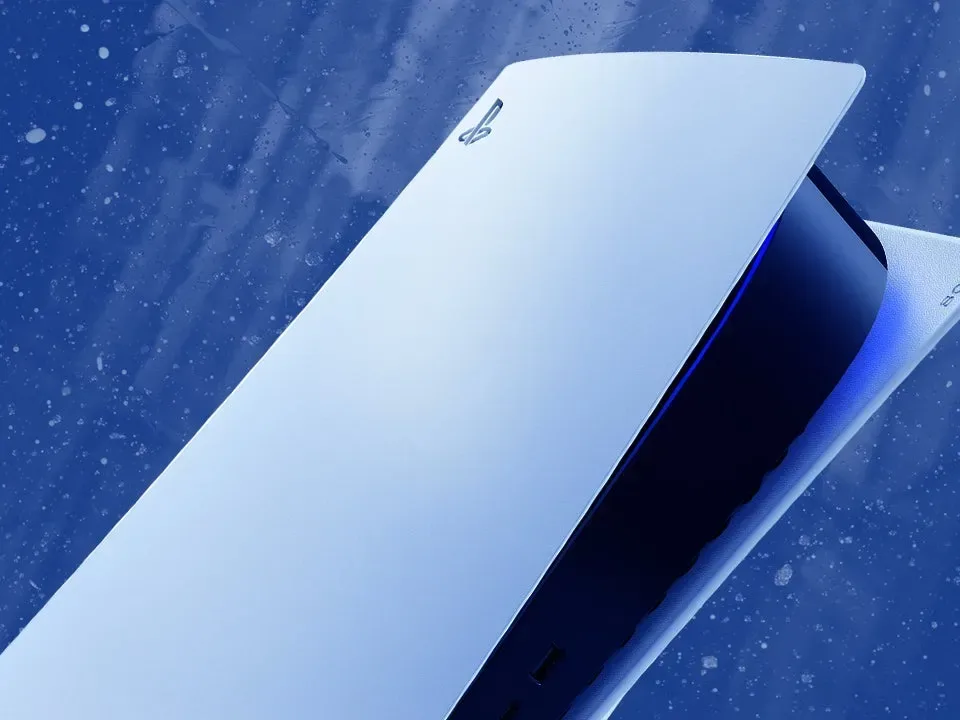
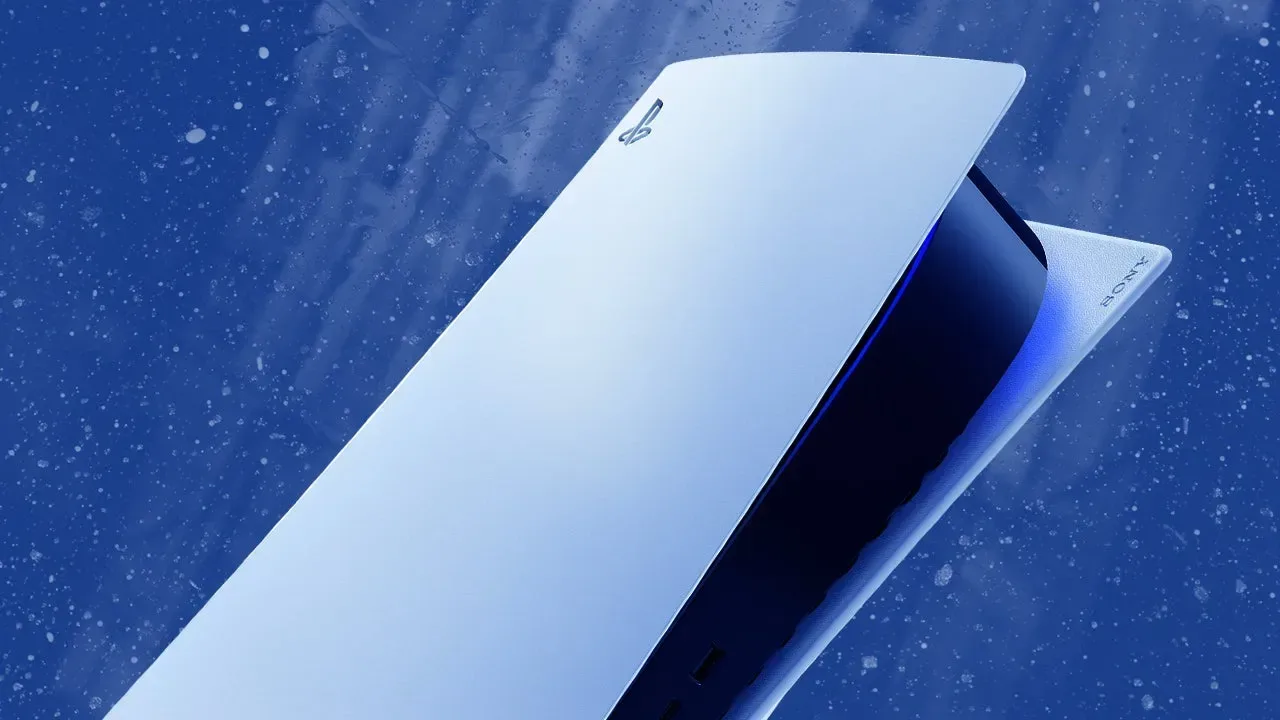
The PlayStation 5 has passed 100 million cumulative worldwide hardware unit sales, a major landmark for Sony’s current console generation. The figure is a shipment number rather than a count of consoles already bought by end users, but it still puts PS5 in rare company within PlayStation’s own hardware history.
Sony’s terminology matters here. It calls the total “sell-in,” meaning units shipped into the retail channel. Sell-through, by contrast, refers to units purchased by customers. The two measures are related, but they answer different questions: sell-in shows how much hardware a platform holder has supplied to retailers and distribution partners, while sell-through tracks final consumer purchases. A 100 million sell-in milestone is therefore not a direct statement that 100 million individual PS5 consoles have reached players’ homes.
Even with that distinction, the scale is hard to understate. PS5 launched in selected markets on November 12, 2020, before its wider release on November 19, 2020. It reached the mark six years after that launch period, following a generation that began amid COVID-era disruption and lockdowns. Sony’s latest total is dated November 10, 2026.
How fast did PS5 reach 100 million shipments?
The latest update implies a notable recent increase. At the end of September, Sony had reported a lower PS5 total; in the 40 days since then, the hardware added 2.1 million shipped units to clear 100 million.
That creates an important piece of context for discussions about the console’s health. Hardware sales may not tell the full story of a gaming business, but consoles remain the gateway to platform software, online services and digital storefront spending. Sony also recently raised its full-year forecast for PlayStation after reporting stronger net sales and operating income in its second quarter.
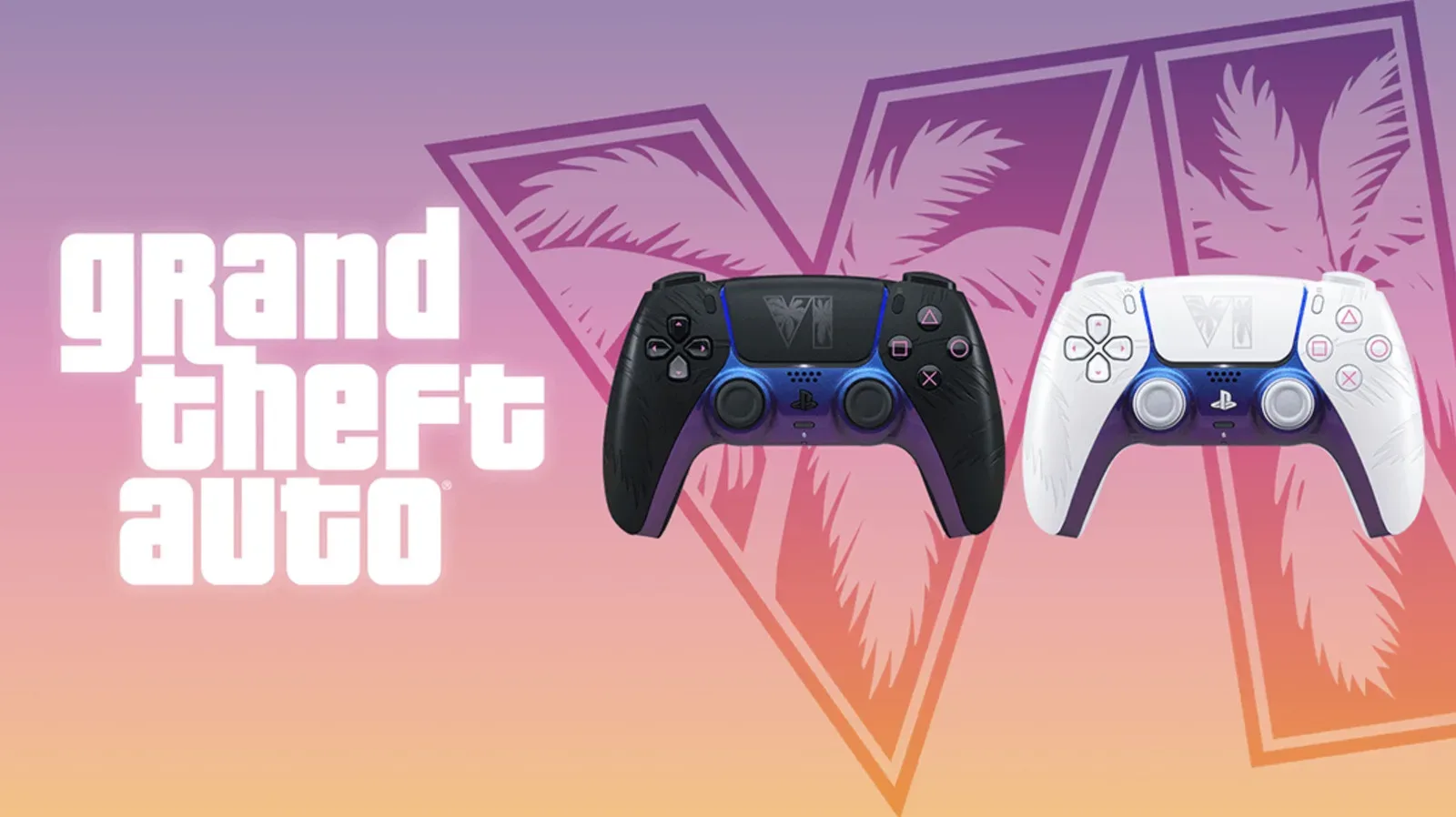
The next major variable is Grand Theft Auto 6. Its launch is expected to provide a substantial lift to console demand, and PS5 is arriving at the milestone immediately before that potentially significant release. It is sensible to treat any exact impact as uncertain: a blockbuster can motivate upgrades or first-time purchases, but the size of that effect will only be clear after sales data arrives.
Where PS5 sits in PlayStation history
At more than 100 million shipped, PS5 has already moved past several landmark PlayStation systems using the latest figures provided for each machine. It has exceeded the PlayStation 3’s 87.4 million total and the PSP’s 76.4 million. Its next obvious internal target is the original PlayStation, reported at more than 102.4 million units.
- PlayStation 5: more than 100 million, as of November 10, 2026
- PlayStation 4: more than 117 million, as of June 30, 2022
- PlayStation 3: more than 87.4 million, as of March 31, 2017
- PSP: more than 76.4 million, as of March 31, 2012
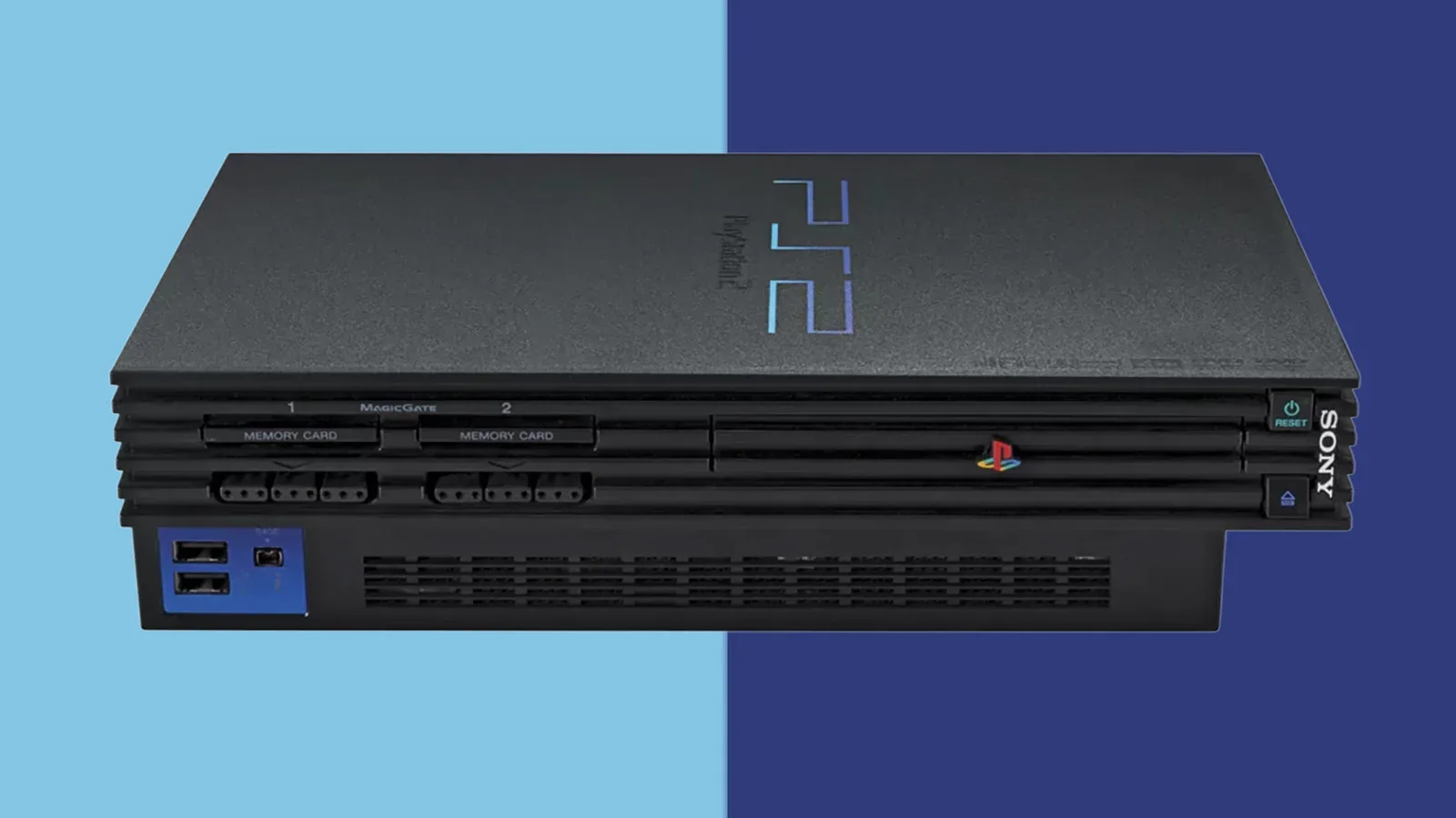
- PlayStation 2: more than 160 million, as of March 31, 2012
- PlayStation: more than 102.4 million, as of March 31, 2012
Those dates are crucial. They are not a synchronized leaderboard compiled at one moment in time; they are the most recently available reported totals attached to each machine. The PS4 number, for instance, is from June 2022, so it should be read as a floor of “more than 117 million,” not necessarily a final lifetime count.
Related coverage includes PS5 Shipments Pass 100 Million as Sony Nears PS4's Pace.
PS5 now needs only a little more than 2.4 million units to pass the original PlayStation’s reported 102.4 million. Reaching PS4’s last reported threshold requires a much larger gain of around 17 million units. The PlayStation 2 is on an altogether different level: its more than 160 million total leaves PS5 at least 60 million behind.
That gap also illustrates why passing 100 million is both a huge achievement and not a guarantee of becoming a record-holder. PS2 remains the best-selling dedicated console cited here, while Nintendo Switch stood at 157.2 million as of September 30, 2026. Against those totals, the PS5’s milestone looks formidable but also emphasizes how unusual the very top end of console sales really is.
The PS4 comparison is more complicated than a single gap
Launch-aligned comparisons are arguably more useful than placing every PlayStation system on one all-time list. At an equivalent stage of their lifecycles, PS5 is said to be roughly five million units behind PS4. That is close enough to make the comparison meaningful, but it should not be treated as a simple verdict that one platform is succeeding and the other is failing.
PS5 and PS4 have faced different market conditions. A traditional console cycle often benefits from prices gradually falling as hardware ages. Lower prices can expand the potential audience later in a generation, including players who were happy to wait through the launch period. The current cycle has instead been marked by rising console prices and softening sales.
A cited pressure point is higher memory pricing connected to AI demand, described as a “RAMpocalypse.” RAM, or random-access memory, is a type of fast temporary memory used by computing devices. The available information does not provide a component-by-component breakdown of PS5 costs, but the broader practical point is clear: an environment of rising component costs makes the usual expectation of cheaper mature consoles harder to meet.
For shoppers, this changes the familiar calculation. In previous cycles, waiting could reasonably be associated with a lower entry price. If hardware instead costs more later, holding off does not necessarily bring the expected saving. For platform owners, it complicates the route to the mass-market growth that often arrives in a console’s second half.
It also helps explain why the prospect of future hardware is being viewed cautiously. Reports have suggested that next-generation consoles could launch above $1,000. That is not an announced price for a PS6 or any other product, and it should not be read as one. It does, however, frame the concern: if the price of entry rises sharply, a successor matching PS5’s 100 million-plus scale becomes a more difficult proposition.
A strong hardware number does not erase PlayStation’s other challenges
The 100 million milestone lands alongside a mixed picture for Sony’s games operation. On one hand, the company raised its full-year PlayStation forecast after improved second-quarter net sales and operating income. On the other, Marvel’s Wolverine has sold 2.4 million units and is characterized as a disappointment, while Haven’s Fairgames was cancelled as Sony continued to step back from a costly live-service push.
Those developments show why console totals should not be used as a catch-all score for every part of a platform business. A broad installed base can create a potentially enormous audience, but it does not ensure that each release meets expectations or that every publishing strategy pays off. Hardware momentum, individual game performance and the risk attached to different development models are connected, yet they remain distinct measures.
The absence of comparable public figures from Microsoft adds another limit to conventional “console war” arithmetic. Xbox Series X and Series S launched alongside PS5, but Microsoft does not report their sales totals. There is no precise, sourced unit-for-unit comparison available from the figures at hand.
Within Sony’s own catalogue, the PlayStation Vita also sits outside the clean numerical table because Sony did not disclose a hardware sales total for it. That missing figure is a reminder that public hardware rankings depend as much on what companies choose to disclose as on the underlying market results.
What the milestone means now
PS5 has reached a historic internal benchmark despite a less conventional price environment than prior generations. It has passed PS3 and PSP, is poised to move ahead of the original PlayStation, and has a credible—though still substantial—distance to travel before matching PS4’s last reported total.
The near-term question is less about whether 100 million is meaningful—it plainly is—and more about what follows. Grand Theft Auto 6 could become a major demand catalyst. Pricing pressures could continue to restrain the late-cycle expansion that older console generations often enjoyed. Sony’s software slate and business decisions will matter alongside the hardware count.
For now, the cleanest reading is also the most accurate: PS5 has crossed 100 million shipped units, not confirmed end-user sales; it has entered the upper tier of PlayStation hardware; and its eventual place between the original PlayStation, PS4 and PS2 remains unresolved. For more on how a major upcoming release may shape the wider market conversation, see our latest industry coverage.