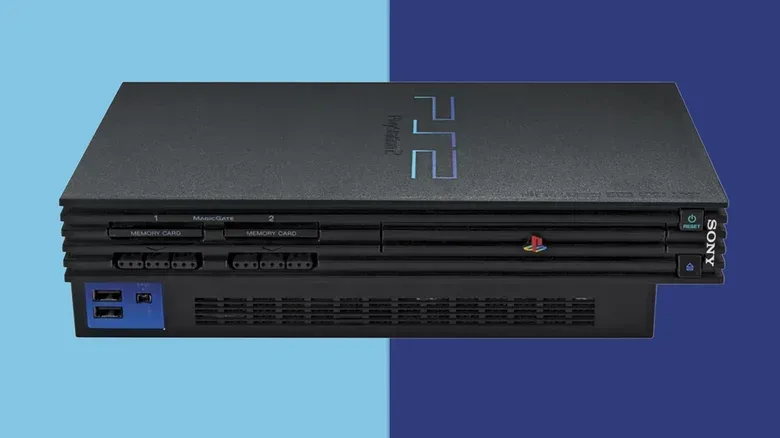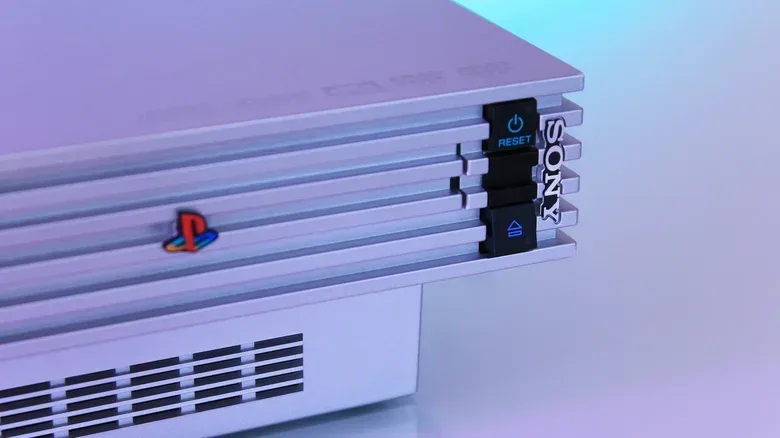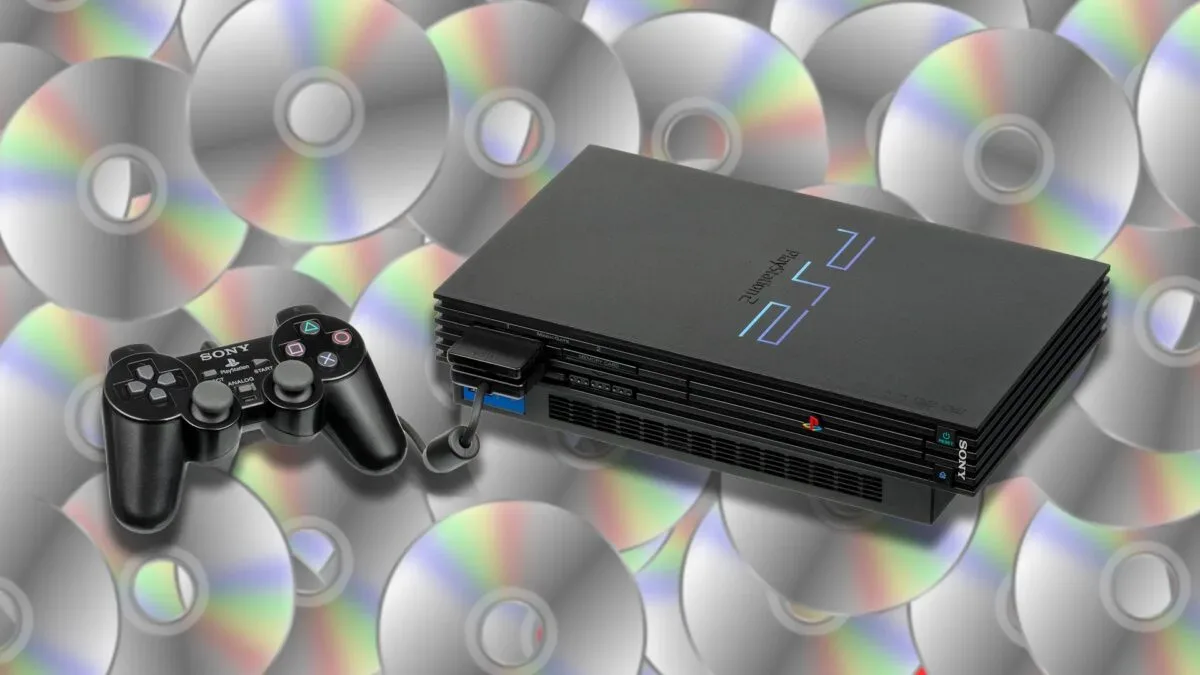
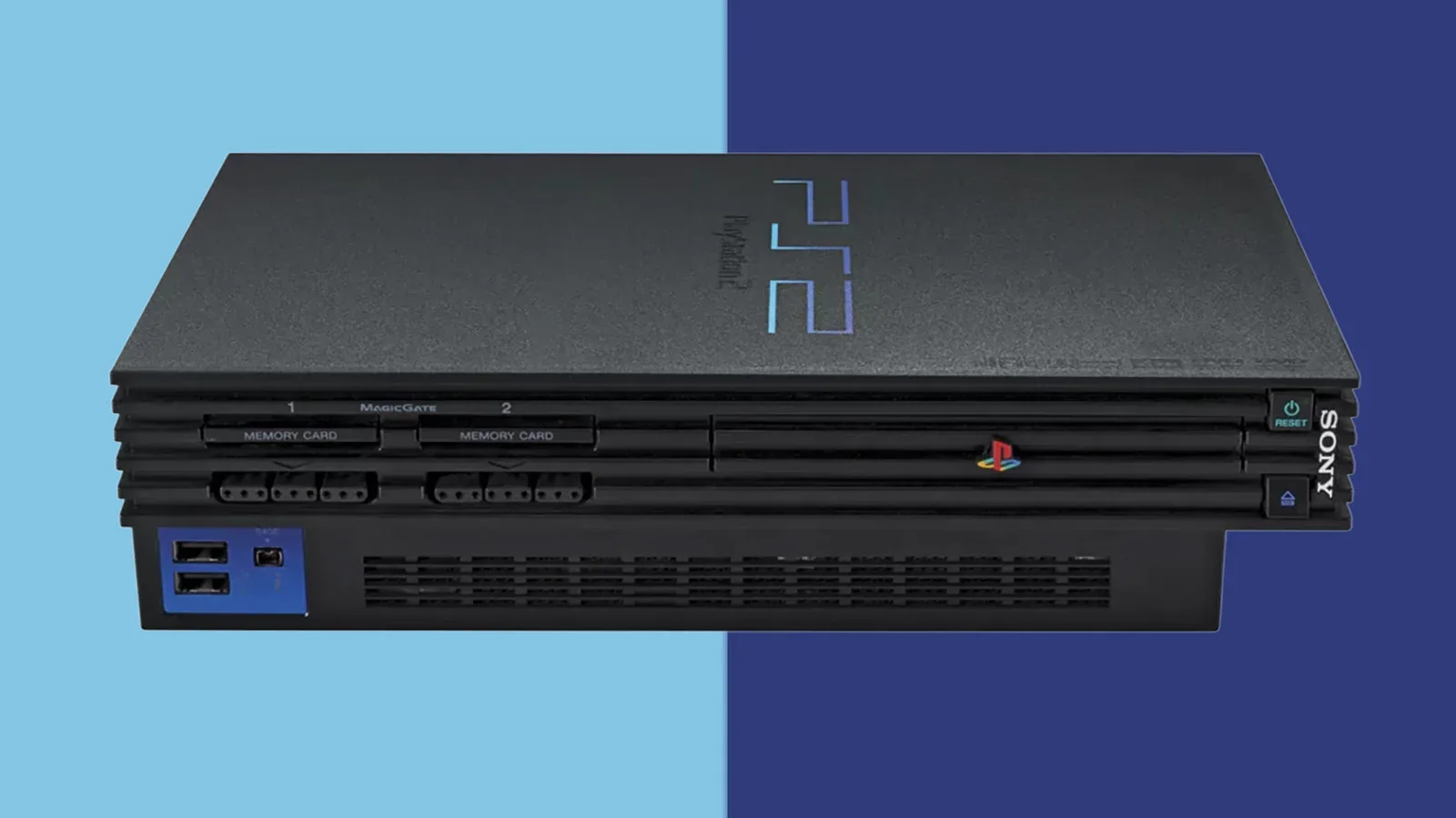
The PlayStation 2 is still the best-selling video game console ever measured by lifetime hardware shipments, with Sony reporting more than 160 million units across a production run that lasted until 2013. That total has survived enormous changes in how people buy games, play games and even define a console.
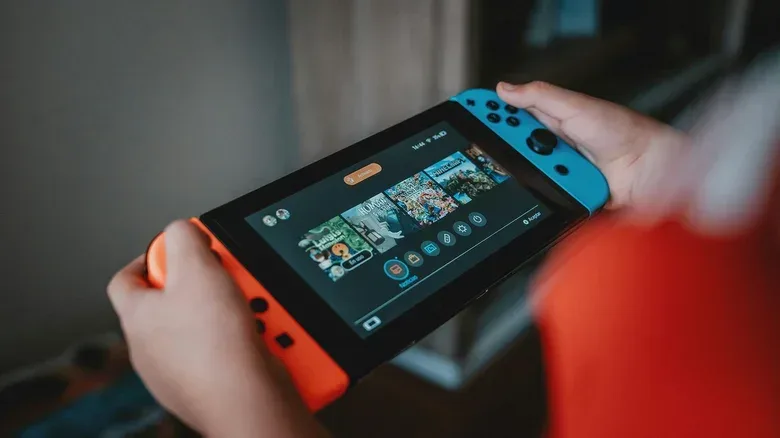
But the gap is no longer a comfortable one. Nintendo had shipped more than 156 million units of the original Switch family by June 2026, encompassing the standard Switch, handheld-only Switch Lite and Switch OLED. The hybrid system remains in circulation, while PS2 manufacturing ended long ago. Nintendo expects to ship roughly another 2 million original Switch systems during its fiscal year ending in March 2027, making a change at the top plausible—though far from guaranteed.
There is one essential piece of scoreboard housekeeping before anyone starts carving “GOAT” into a memory card: these are primarily shipments, not a precise count of machines purchased by end users. A shipment is hardware sent by a manufacturer into the retail channel. It is an important business measure, but it is not exactly the same thing as a console leaving a shop with a player. Sony and Nintendo publicly report shipment totals; Microsoft does not routinely publish equivalent lifetime totals, so Xbox figures in such comparisons rely on analyst estimates.
The current lifetime-sales order
On the available figures, the upper end of the list is a striking mix of home systems, handhelds and Nintendo’s category-blurring hybrid.
- PlayStation 2: more than 160 million shipped
- Nintendo Switch family: more than 156 million shipped as of June 2026
- Nintendo DS family: more than 154 million shipped
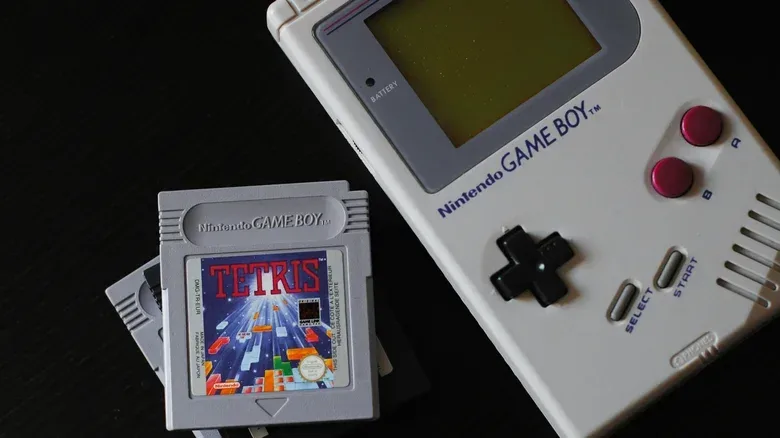
- Game Boy and Game Boy Color: more than 118 million combined
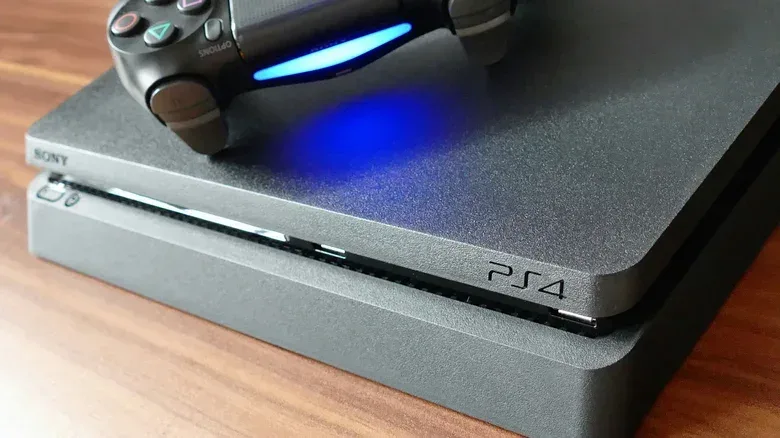
- PlayStation 4: 117 million shipped
- Original PlayStation: 102.4 million shipped
- Nintendo Wii: 101.6 million shipped
- PlayStation 5: more than 95 million and still growing
- PlayStation 3: 87.4 million shipped
- Xbox 360: an estimated 84 million
The biggest immediate story is therefore simple: the Switch needs only a comparatively small number of additional shipments to move past the PS2. Still, “could” is doing real work here. A forecast of about 2 million Switch shipments for the current fiscal year does not itself settle what happens after March 2027, and the record depends on the original Switch continuing long enough to cross the line.
Why the PS2 record became so difficult to beat
The PS2 had an unusually effective combination of timing, function, longevity and pricing. It arrived when DVD was becoming a major format and included a DVD player. That made it more than a dedicated games box for households considering a new way to watch films; the system could plausibly pull double duty in the living room.
Its competitive window also mattered. Sega’s Dreamcast was the only other new home console on the market around the PS2’s arrival, and Sony’s upcoming machine had already become a major point of anticipation while Dreamcast was trying to establish itself in the United States in 1999. Nintendo’s GameCube and Microsoft’s original Xbox did not arrive until late 2001. That gave the PS2 time to establish momentum before those competing platforms were available.
Long-term availability turned that momentum into something much larger. Sony kept producing the PS2 through 2013—the same year the PS4 launched. Over that lifespan, the US price moved from $299 at launch to $199 in 2002 and then to $99 in 2009. A lower entry price late in a console’s life can expand its audience beyond early adopters, particularly for players seeking an inexpensive machine with a huge established library.
The software numbers show how thoroughly the system converted hardware reach into game sales. More than 1.5 billion PS2 games were sold. Grand Theft Auto: San Andreas led the platform at 17.3 million units, followed by Gran Turismo 3: A-Spec at 14.9 million and Grand Theft Auto: Vice City at 14.2 million.
That mix is meaningful. A platform’s best sellers do not explain every purchase, but they demonstrate a broad proposition: PS2 owners could find blockbuster open-world games, driving games and much else in an enormous catalogue. The DVD player may have opened a door, but sustained software demand helped keep the machine useful over many years.
The Switch’s different route toward the crown
Nintendo’s Switch did not repeat the PS2 formula. Instead, it built its appeal around a hybrid design: a system that can be used as a portable device and connected to a television. That flexibility was central to the platform’s identity from its 2017 launch, especially following the disappointing commercial performance of Wii U.
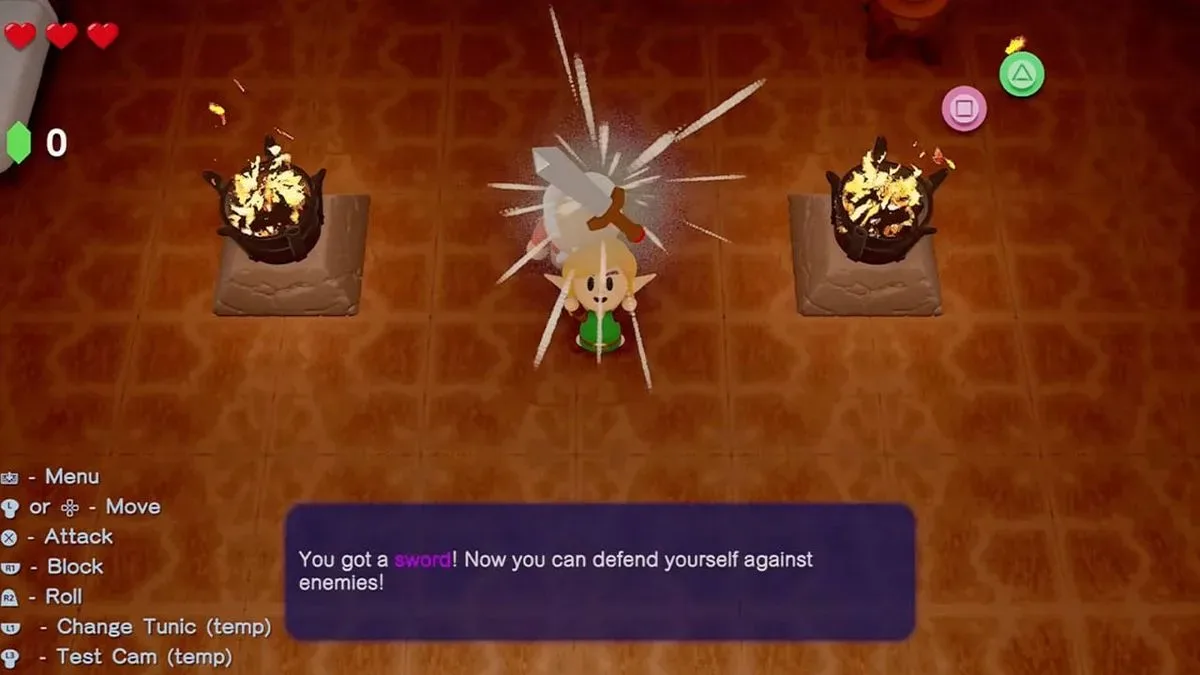
The Legend of Zelda: Breath of the Wild, its flagship launch game, made the concept easy to understand. It was a major open-world release available in both handheld and TV play. Nintendo later widened the hardware range without abandoning the same core ecosystem: Switch Lite offered a lower-cost portable-only option, while Switch OLED added a larger, improved screen.
The Switch has already surpassed the PS2 on reported software volume, reaching nearly 1.6 billion games. That distinction is worth separating from the hardware race. It does not mean Switch hardware has overtaken PS2 hardware; it means its game sales have edged ahead despite the console count still trailing.
Its leading games underline the scale of its audience. Mario Kart 8 Deluxe stands at 71.5 million units, while Animal Crossing: New Horizons has sold 50.3 million and Super Smash Bros. Ultimate has reached 38.1 million. Those are extraordinary totals for individual releases, and they help explain how the platform has accumulated almost 1.6 billion software sales.
If the Switch moves past 160 million, it will not erase the conditions that made the PS2 exceptional. It will establish that a different model—one machine serving both portable and television play—can reach an even bigger hardware audience. For Nintendo, the achievement would also place the Switch ahead of the company’s DS family, which remains the best-selling fully portable console at more than 154 million units.
Handheld history is all over this leaderboard
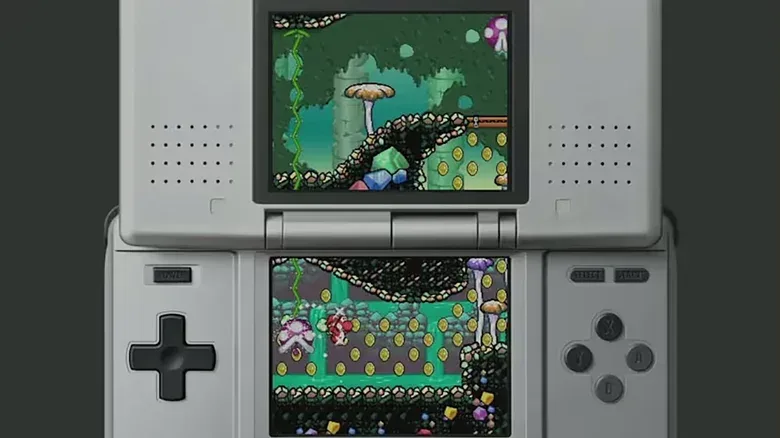
The DS and Game Boy family show that the all-time list has never been solely a contest between living-room systems. Nintendo shipped more than 154 million DS systems after the handheld arrived in 2004. Its two screens, stylus, microphone and wireless play offered developers tools that were unusual for the time, while early models also supported Game Boy Advance games through backward compatibility.
Backward compatibility means newer hardware can run software made for an older platform. In the DS’s case, that capability allowed owners to retain access to Game Boy Advance libraries rather than starting entirely from scratch. The DS family later diversified through the smaller DS Lite, the DSi—with cameras, an SD card slot and a digital shop—and the larger DSi XL.
About 949 million DS games were sold. New Super Mario Bros. was the leading title at 30.8 million units, followed by Nintendogs at 24 million and Mario Kart DS at 23.6 million. The spread reflects the platform’s identity: big franchise releases shared space with games designed around its unconventional inputs and accessible form factor.
The Game Boy and Game Boy Color total is also a combined family number, much as Switch totals include its variants. Together they exceeded 118 million systems. The original Game Boy’s advantages were practical rather than flashy: it was comparatively affordable, durable and could run for hours on four AA batteries, even as rivals such as Atari Lynx and Sega Game Gear pursued color screens.
Revisions extended that family’s life. Game Boy Pocket brought a smaller and lighter design with a sharper black-and-white display in 1996, while the Japan-only Game Boy Light added a backlight. Game Boy Color followed in 1998, adding color and retaining compatibility with most existing Game Boy games. Its arrival shortly after Pokémon’s takeoff proved especially timely.
The software leaders remain instantly recognizable: Pokémon Red, Green and Blue at 31.4 million units, Tetris at 30.3 million, and Pokémon Gold and Silver at 23.1 million. These results reinforce a recurring lesson of the list: convenient hardware and enduring games are a powerful pairing.
PlayStation’s other giants—and a caveat for comparisons
Sony has two more systems above the 100-million mark. The original PlayStation reached 102.4 million units, and PS4 reached 117 million. PS4 benefited from a simpler development environment than PS3, using an AMD architecture described as more PC-like, and it built upon PlayStation’s first-party catalogue with games including Uncharted 4: A Thief’s End and The Last of Us Part II. Its slimmer revision and PS4 Pro, which added 4K support, extended the range.
PS4’s leading sellers were Grand Theft Auto V, estimated at 24.7 million units; Marvel’s Spider-Man, at 22.7 million; and God of War (2018), at 21 million. The estimate attached to Grand Theft Auto V is another reminder that not every statistic in console history has the same reporting basis.
PS5 has surpassed 95 million systems and is still adding to its total, but it remains well behind the leaders. The broader market is also more fragmented than the market PS2 entered. Mobile games, PCs and subscription services all compete for players’ time and spending. A growing game business does not automatically mean any one piece of console hardware will sell more units.
Pricing is another major contrast. The PS2 ultimately reached $99 in the US, a figure that was roughly $150 after inflation adjustment. Modern consoles have generally not followed that late-life path toward dramatically cheaper mass-market hardware. That does not determine sales by itself, but it helps explain why a 13-year production run with repeated price reductions remains such a formidable benchmark.
What to watch next
The PS2 remains the record holder for now, and its position is not ceremonial: the reported lead is still real. Yet the Switch is close enough that every further Nintendo hardware update will attract attention. The practical question is not whether its library has enough momentum—it has already delivered more game sales than the PS2—but whether enough original Switch hardware will continue to ship before the platform is discontinued.
For the moment, the historical picture is unusually clear. The PS2 is the lifetime hardware leader. The Switch is the immediate challenger. And the fact that a more-than-quarter-century-old PlayStation is still atop the table says less about a frozen industry than about how rare it is for timing, price, longevity, utility and software demand to align so completely. For a look at how PlayStation’s current strategy is shifting beyond its hardware legacy, see the recent PlayStation Plus PC app change.