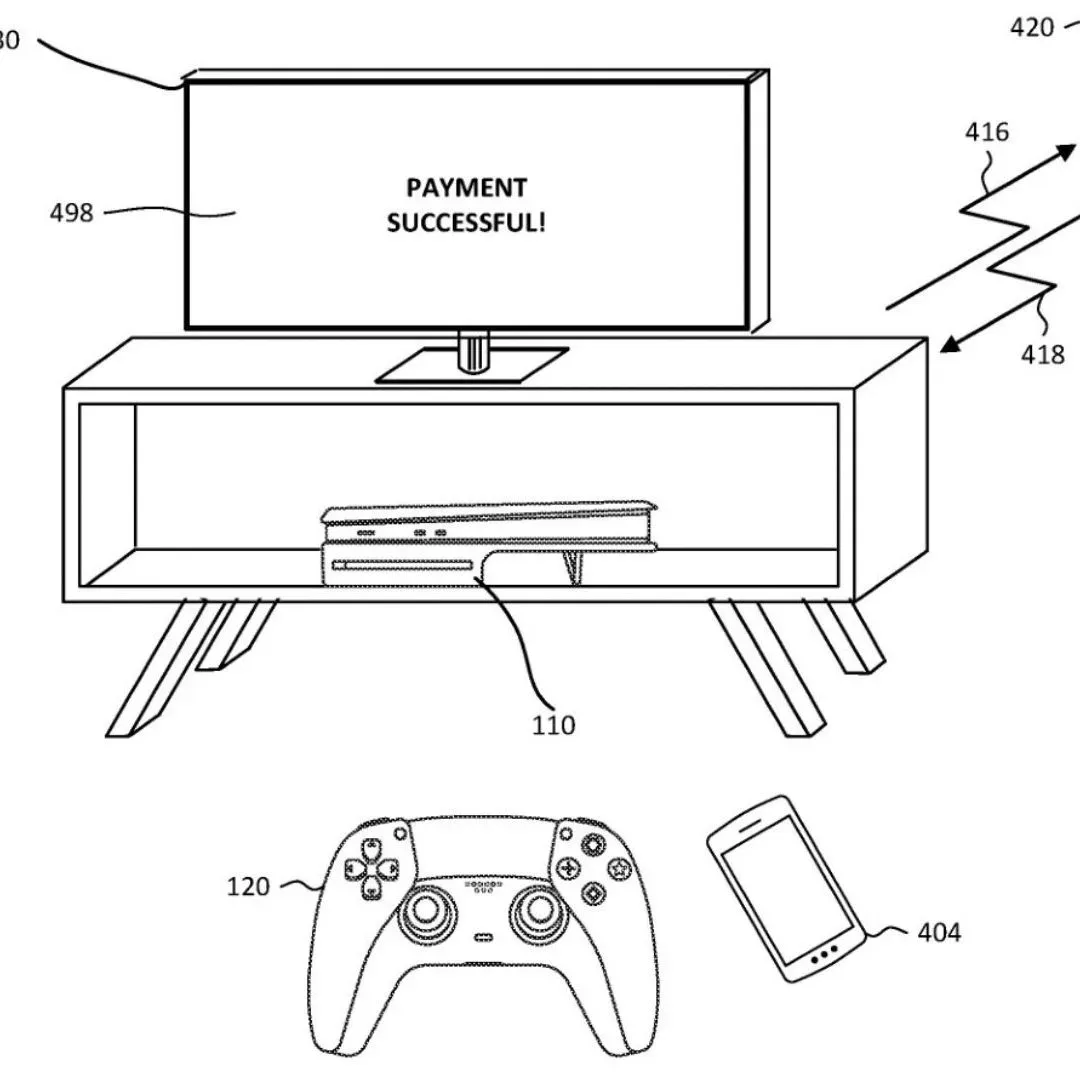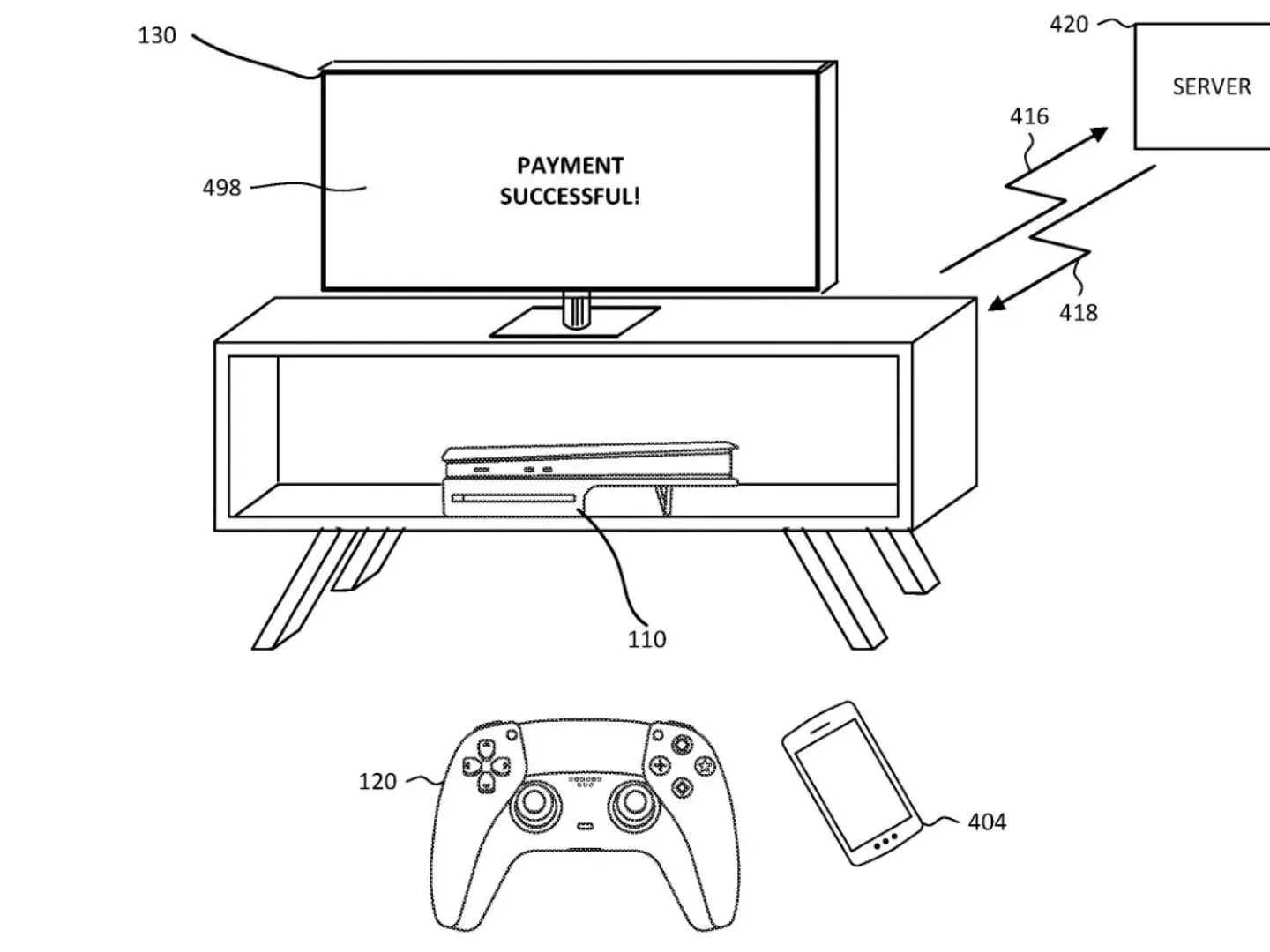
A PlayStation patent application is exploring a simple but potentially consequential idea: use the controller as the point where a player brings a phone or another electronic device close to transfer information to the console. The application, numbered 19082121 and titled VIDEO GAME CONTROLLER-DRIVEN INFORMATION TRANSFER, describes detecting a nearby device through Near Field Communication (NFC), Bluetooth, or physical contact, then passing relevant details to the game system.
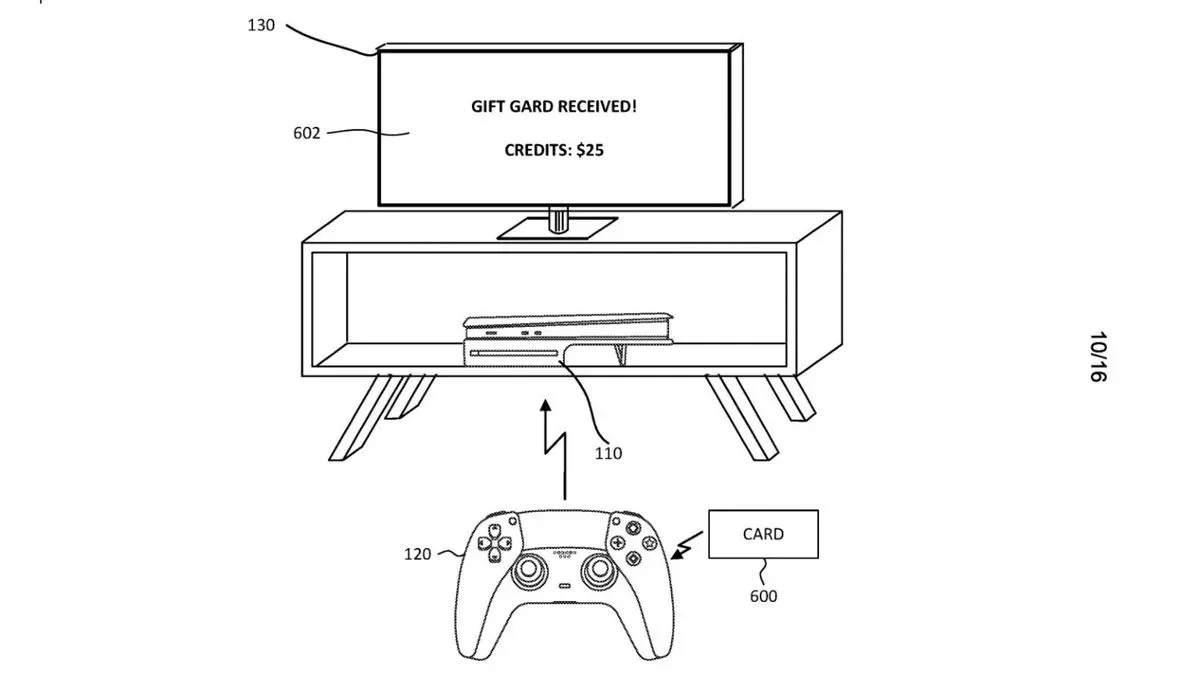
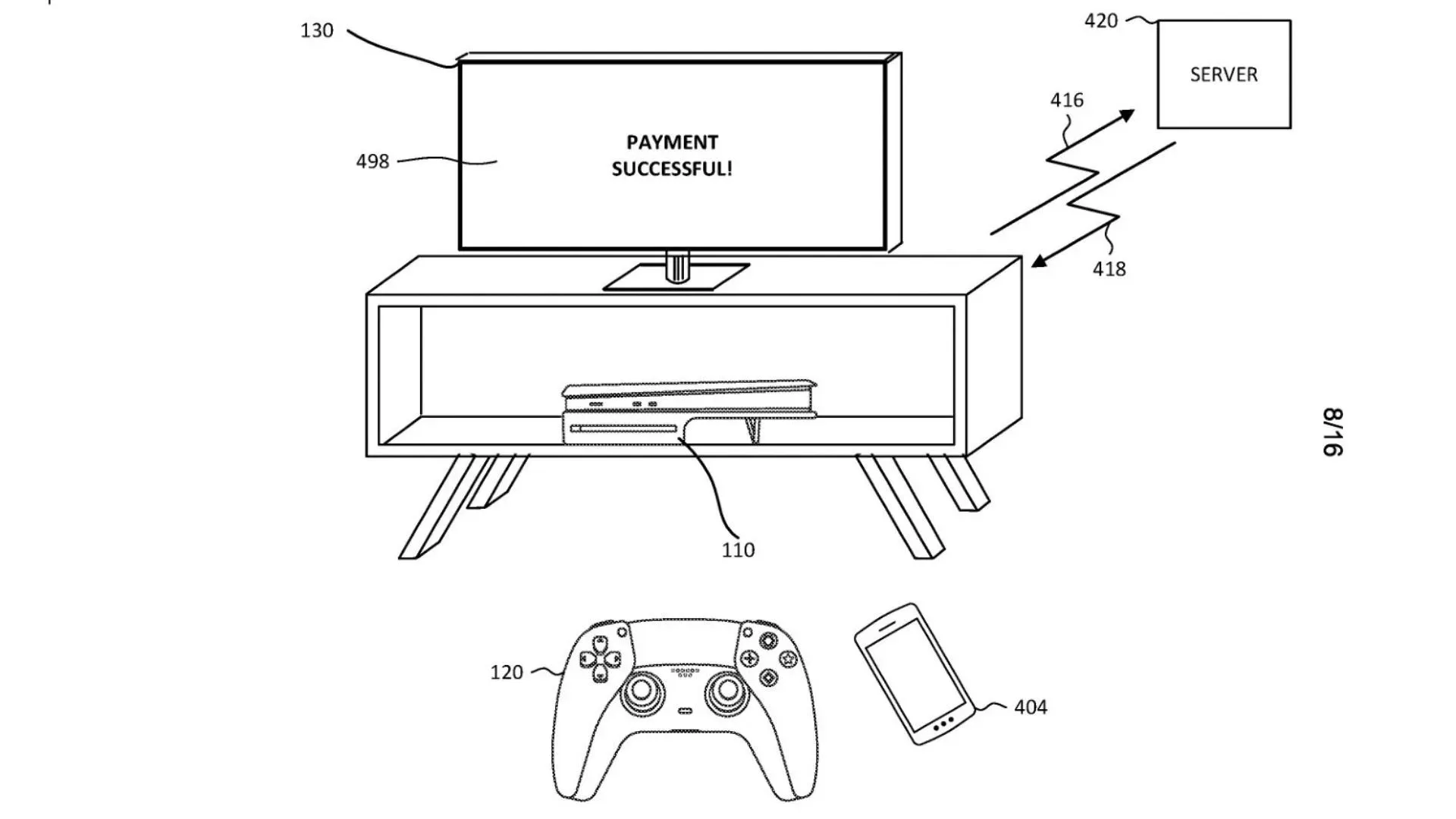
That could include payment-method information, account credentials, gift-card information, and other data associated with a player account. In the most straightforward scenario, a player could hold a phone near a controller rather than painstakingly enter a card number, expiration date, and security code through an on-screen keyboard. The controller could provide a vibration to indicate that it detected the device and completed the transfer step.
It is important to draw a firm line between a patent application and a product plan. The filing lays claim to a concept and describes possible implementations; it does not confirm that Sony will add NFC to a current DualSense controller, that a future PlayStation console will use it, or that a controller will literally process a bank-card payment. The text refers to “electronic devices,” while an illustration involving a gift card leaves room for payment-related uses without specifically establishing a bank-card feature.
What the controller-driven transfer idea describes
The central proposal is that a controller acts as a nearby-device detector and a bridge to the console. Rather than making the console itself the object a player must tap with a phone, the controller could identify that an electronic device is within a predetermined range. The application names NFC and Bluetooth as example communications protocols, and also contemplates a device physically contacting the controller.
NFC is the short-range technology familiar from tap-to-pay cards and phones. It is also used by Nintendo’s Amiibo ecosystem: a compatible accessory can be scanned by an NFC reader to exchange relevant data with a game or system. Bluetooth, by contrast, is a wireless connection technology already used by the DualSense for controller communication. The patent’s inclusion of both terms matters because it describes more than one possible way for a controller and phone to recognize each other.
The proposed interaction is deliberately physical and legible. Bring the phone close, or touch it to the controller, and receive haptic confirmation. In design terms, that could be more understandable than asking players to hunt through account menus, pair an additional device, or complete a lengthy typed form with a directional pad. It places the action in the object already in the player’s hands.
The filing frames its premise around information that players may want stored with their accounts to help manage purchases. Its examples encompass credit accounts, bank accounts, gift cards, and associated credentials. The intended result appears to be a less cumbersome route into a payment or account-management flow, not a replacement for the console storefront itself.
Why a tap could be useful beyond checkout
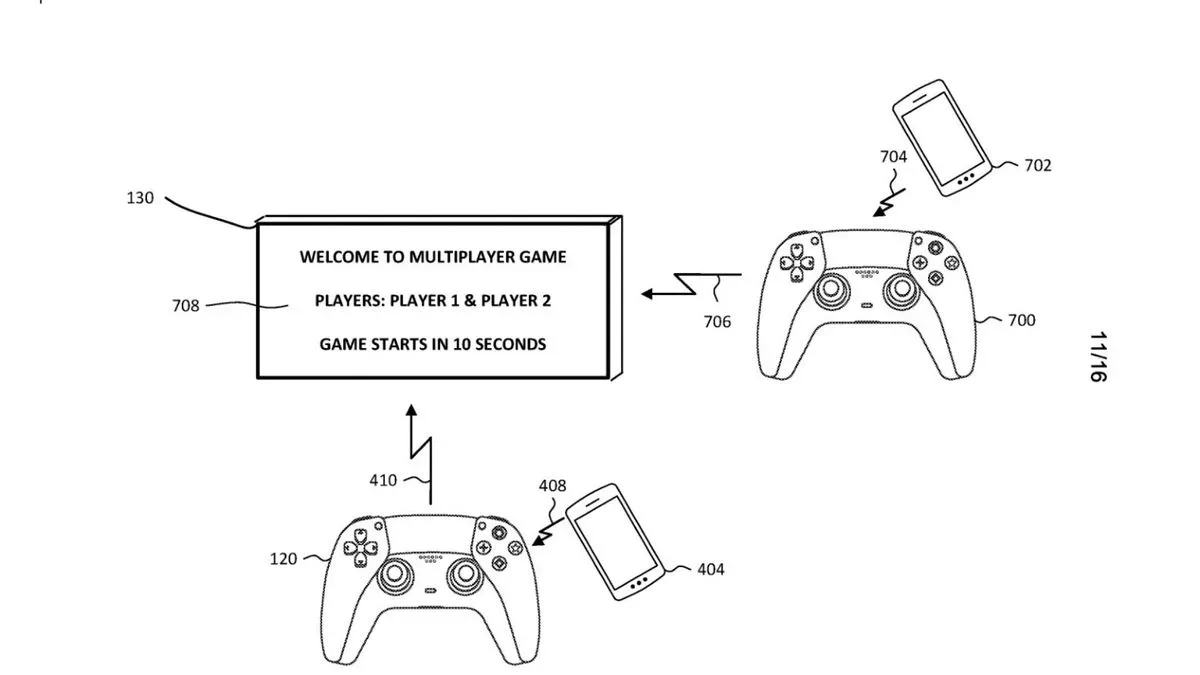
Payment entry is the obvious use case, especially for anyone who has ever typed a long string of digits using a console interface. Yet the more intriguing possibility is temporary access for another person’s account. The patent’s illustrations include the concept of a phone tapping a controller in connection with sending and receiving messages, and the broader description allows account information to move from an electronic device to the console.
Related coverage includes PlayStation Patent Explores NFC Controller Transfers for Payments and Sign-Ins.
That opens a plausible guest-play scenario. A visitor arriving for local multiplayer could potentially use their phone and controller interaction to identify their account on a non-home console, avoiding a full manual sign-in process. That is an interpretation of the patent’s broad account-transfer concept, rather than a confirmed feature, but it shows why Sony may be considering the controller as an identity handoff tool rather than merely a checkout shortcut.
There is a practical distinction here. A controller is personal and already associated with a person during play, whereas a television screen and console menu are shared surfaces. A tap at the controller could make the start of a session feel more direct: pick up a pad, present the relevant device, and let the console know whose information it should use. Whether that would be appropriate for every account action would depend on the final security and consent design, neither of which is established by the filing.
The controller could also be a useful location for a brief acknowledgement. A vibration is private, immediate, and does not demand that everyone in the room watch a screen. The application specifically describes vibration as feedback after detection. That does not tell us what transaction approvals or account-verification screens would look like, but it does suggest the envisioned experience is meant to be tactile as well as visual.
The patent’s unusual emphasis on console performance
Convenience is easy to understand. The application, however, also argues that coordinating multiple steps across multiple devices can harm console performance or lead one or more console operations to fail. It presents controller-driven transfer operations as an improvement to the console and its performance.
That language should not be read as proof that entering payment information normally makes a PlayStation struggle. Patent documents are written to define a technical problem and articulate a proposed solution. Here, the stated problem is the coordination of multi-device operations, and the proposed solution routes the detection and transfer process through a controller. The filing’s framing is significant chiefly because it positions the controller as an active participant in a system process, not simply a collection of buttons.
In ordinary terms, the concept is to reduce friction in a task that can involve the console, controller, phone, account system, and payment or gift-card details. A nearby-device gesture may consolidate the player-facing part of that process. The patent does not provide a performance comparison, a consumer-facing workflow, or evidence that this system has been implemented in hardware.
Could this arrive on DualSense—or point to later hardware?
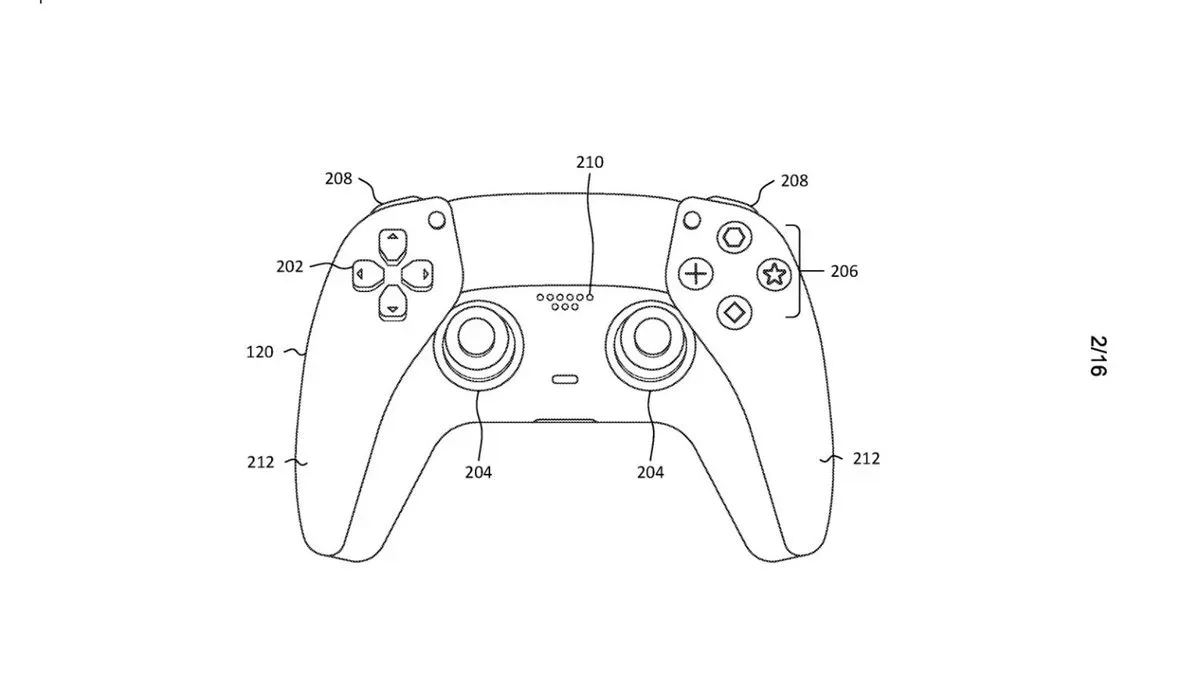
The application’s illustrations resemble a DualSense controller, but appearances in patent art are not a release schedule. The current DualSense uses Bluetooth, while it does not currently include an NFC protocol. Adding NFC capability would therefore require a hardware change rather than a simple software update to existing controllers.
That makes any connection to a future PlayStation controller speculative. It is reasonable to see the filing as relevant to a possible next-generation pad because a new controller design is when a company could alter internal components and add a new interaction method. But the patent itself does not name PlayStation 6, announce a new controller, or commit Sony to placing an NFC reader in any retail product.
Nor does it establish that a user could tap a physical bank card against a controller. Phones are the clearest fit for the described “electronic device” language, and the application’s examples and illustrations provide support for phone-based transfers and gift-card-related information. A contactless bank-card use remains an inference, not a documented feature.
Nintendo provides a useful NFC comparison, not a roadmap
Nintendo has included an NFC communicator in its Pro Controller since the original Nintendo Switch in 2017, where it is used to scan Amiibo figures. That existing example demonstrates that NFC can have a place in a game controller, but the purpose described in PlayStation’s application is notably different. Amiibo scanning connects a physical figure to compatible games; this filing concentrates on account, credential, payment-method, and device-transfer ideas.
That difference is worth keeping in mind when considering headlines about “contactless payments.” The notable part is not simply that a controller could sense an NFC-capable object. That hardware concept has a clear gaming precedent. The more distinctive proposal is making a controller part of the path for moving sensitive or account-linked information between a nearby device and a console.
It also raises design questions that the patent does not answer. Players would need a clear indication of exactly what data is being offered, what the console is asking permission to save or use, and whether the interaction is a one-time sign-in, a payment setup step, or something else. A reassuring vibration can confirm detection, but a good account experience would still need to make the consequences of that detection understandable. Those are product-design implications, not promises contained in the application.
What players should take from the filing
For now, the most useful takeaway is modest: Sony has publicly explored a controller-based mechanism for recognizing nearby devices and transferring information to a console. The proposed technologies are NFC and Bluetooth, the potential information includes payment and account details, and haptic feedback could signal recognition. The illustrations suggest a modern PlayStation-style controller, while the absence of any announced hardware means no platform commitment can be inferred.
Patents frequently cover options that never become retail features, and this one is especially broad enough to support several possible directions. It might inform a future onboarding flow, a guest sign-in tool, a gift-card redemption interaction, a payment-detail shortcut, or none of those things. Until Sony formally presents a product, it should be treated as an interesting view into a design avenue—not a feature list for the current DualSense or an unannounced console.
The broader lesson is that controllers may increasingly be considered identity and interface devices, not only input devices. Whether that produces a genuinely smoother console experience will depend less on the novelty of tapping a phone and more on whether the resulting flow is clear, optional, and meaningfully quicker than the menus it aims to simplify. For a different look at how game systems can reshape a player’s experience, see our analysis of Total War: Warhammer 3’s End Times campaign structure.