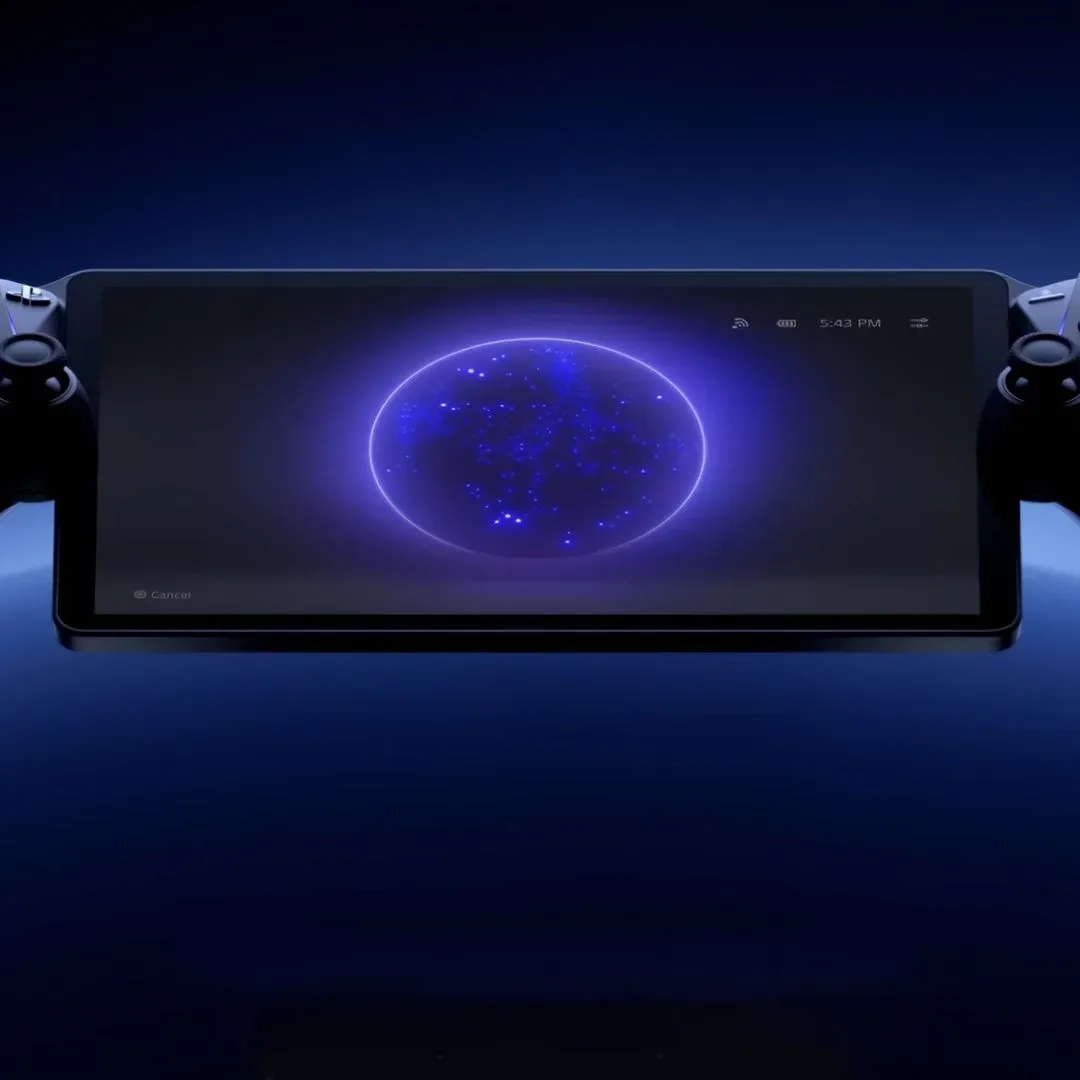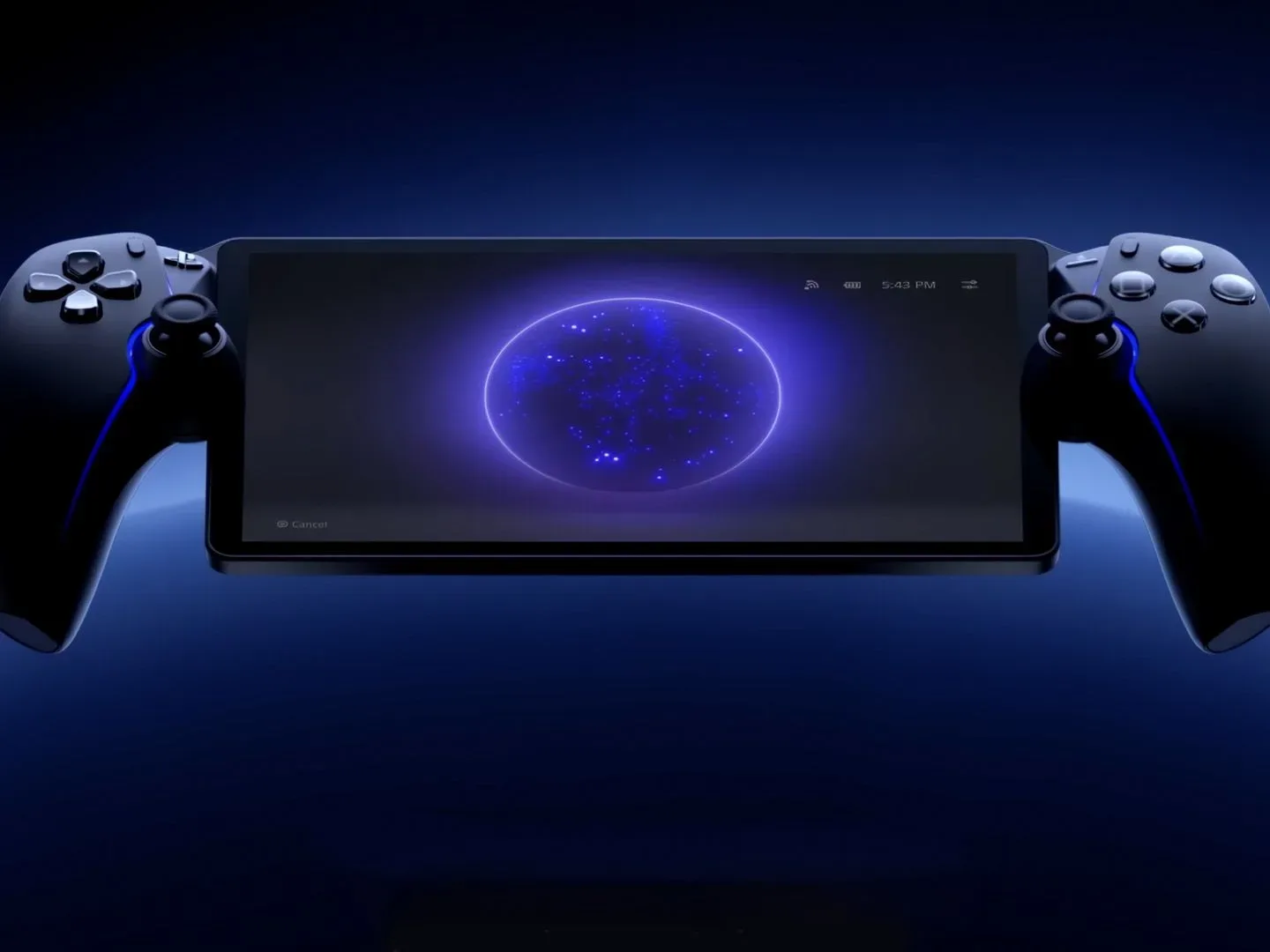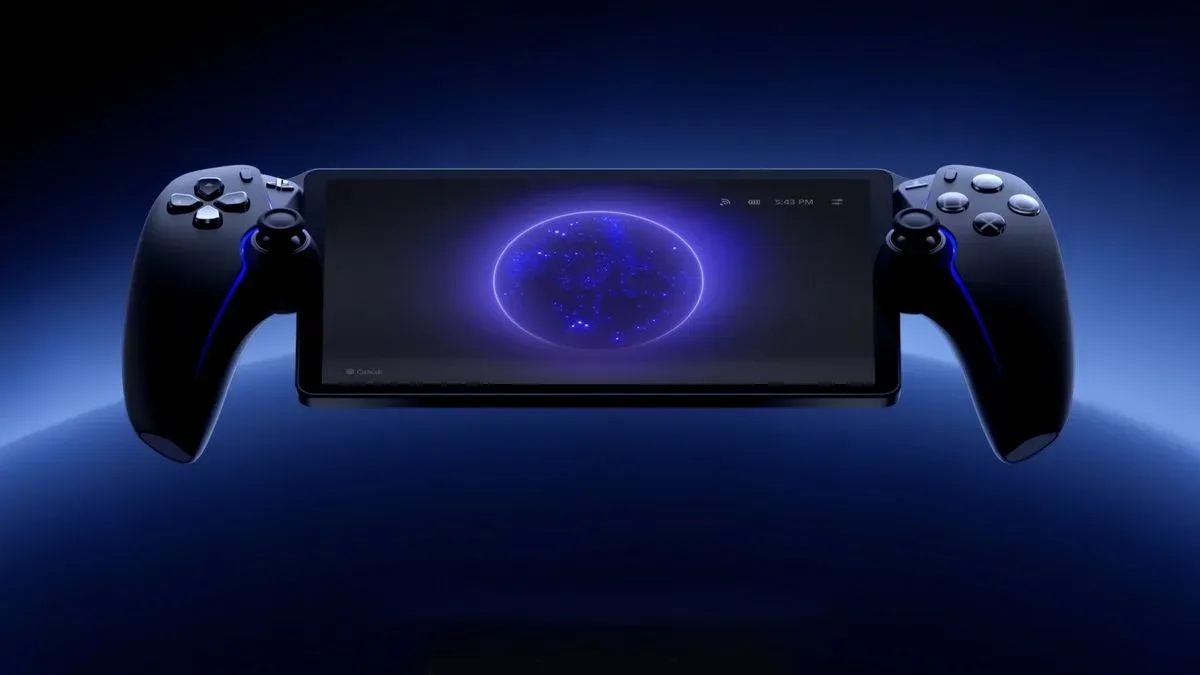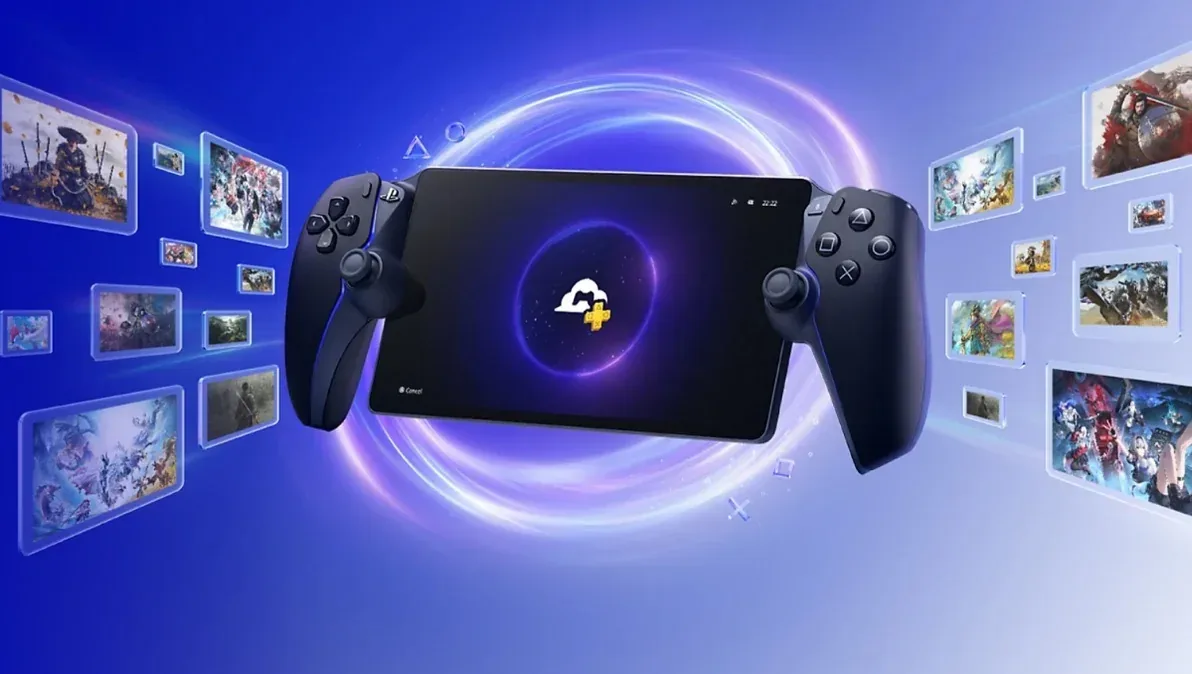
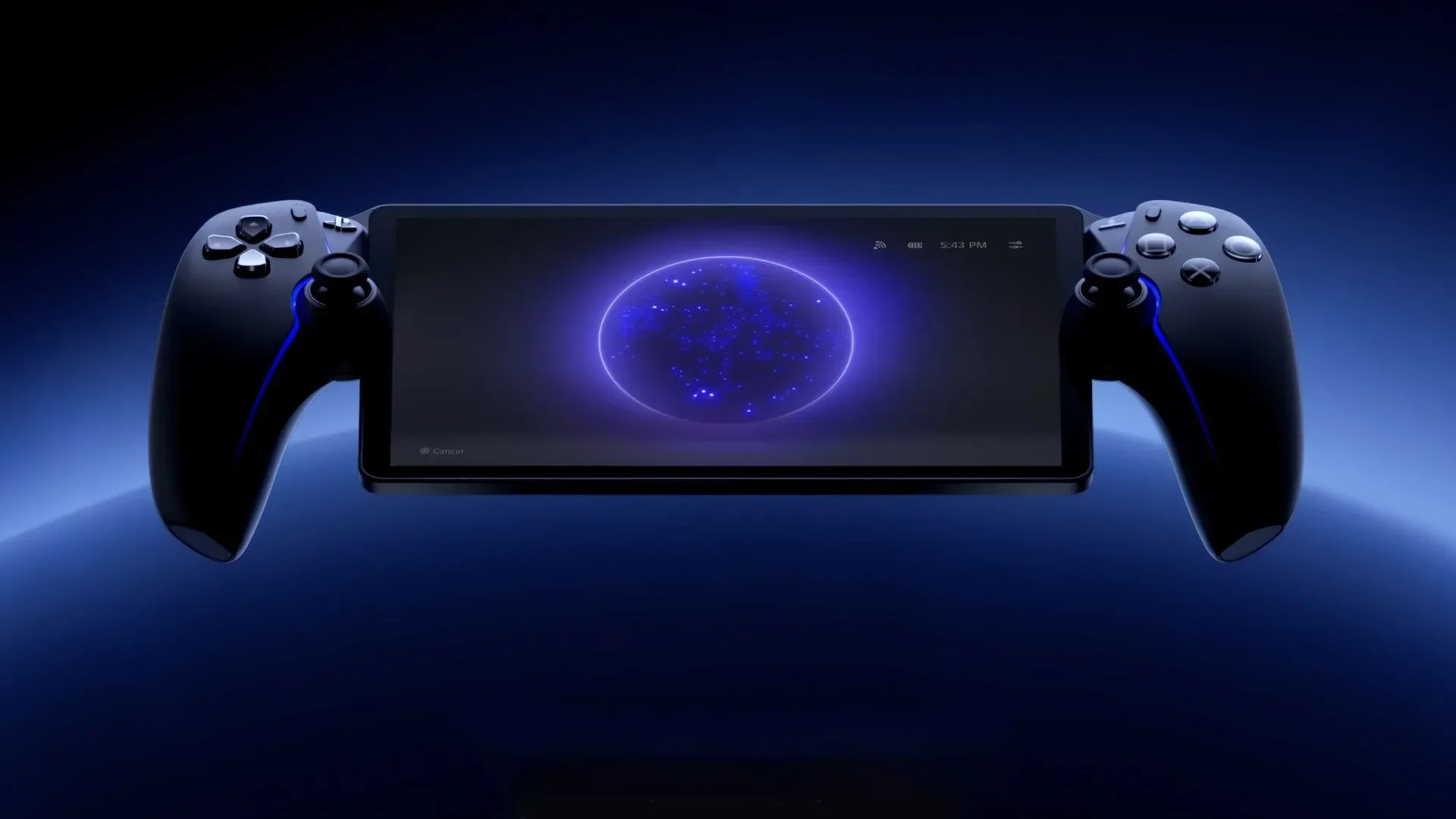
Sony is preparing a revised PlayStation Portal model for Japan, and its most notable change is also its least explained: additional internal storage. The company has tied that storage to unspecified “future functionality,” but has not yet confirmed the capacity, the eventual feature set, or whether any of it will reach the existing Portal hardware.
That makes this a small hardware revision with potentially large implications—though it is important not to get ahead of what has actually been confirmed. The Portal is principally a remote-play device: it displays and controls games being run remotely rather than functioning as a conventional handheld console that installs and runs PS5 games on its own. Extra onboard storage therefore raises obvious questions, but does not answer them.
What is confirmed about the revised Portal
The new model is being released in Japan only. Pre-orders in the region are due to begin on November 13, and the listed price is ¥39,980, the same as the standard model there.
There are important regional restrictions attached to this release. The new Portal can only be set to Japanese, and it requires a Japanese PlayStation Network account. That means it is not simply an interchangeable global revision for players importing one from abroad. Anyone outside Japan considering an import should treat those limitations as central to the product, not minor setup inconveniences.
The defining hardware addition is internal storage. Sony has said the change is intended with future functionality in mind, while stressing that details are still being finalized. No storage capacity has been disclosed, and there is no stated upgrade to the Portal’s wider internal hardware.
- Confirmed: a Japan-only revised Portal includes additional internal storage.
- Confirmed: Sony associates the storage with future functionality, with further details pending.
- Confirmed: the Japanese model is language- and account-restricted to Japan.
- Not confirmed: storage size, feature timing, whether current Portals will receive the feature, or local PS5 game installation and execution.
Why storage is notable on a remote-play device
Internal storage usually matters most on hardware that stores games, patches, captures, applications, or downloaded media. On a remote-play device, the immediate need is less clear. The Portal’s defining job is to receive a video stream from a game running elsewhere and send controller inputs back across a network connection. The demanding game assets and the core game processing are not ordinarily being handled by the handheld itself.
That distinction is worth making because “storage” and “performance” are different parts of a device. Storage determines how much data can be retained locally. Processing hardware—such as the main processor and graphics hardware—determines what software can be executed and how quickly. Adding a larger drive, by itself, does not establish that a device can suddenly run PS5 games locally.
There is also no announced broader internal specification change that would make a leap to native game execution an obvious conclusion. As a result, claims that this Portal will definitely become a self-contained PlayStation handheld go beyond the available evidence. It is a possibility people will naturally discuss, but it is not a feature Sony has announced.
Related coverage includes New PlayStation Portal Model in Japan Adds Internal Storage for Unspecified Future Features.
The most accurate reading at present is narrower: Sony is reserving room for something that requires more local space than the current setup provides. What that “something” is remains open.
What “future functionality” could mean—and what it does not mean
The wording leaves room for several categories of feature without validating any single one. A future system update could require more locally stored software components. A device may need additional capacity for a larger operating-system footprint, new applications, cached data, offline resources, diagnostics, or other platform-level changes. None of those possibilities requires native PS5 game support.
Conversely, a substantial storage increase could be meaningful if Sony has plans involving locally retained content. But the company has not said that the Portal will download games, preserve large game files, offer a new cloud-related cache, or gain any particular application. The capacity matters here: a small increase and a large increase would point to very different practical uses, yet that number is currently absent.
Early inspection of the original Portal hardware had indicated roughly 6GB of free space. That finding helps explain why an explicitly advertised storage addition has attracted attention. If the revised model contains significantly more capacity, it would be a more purposeful change than merely leaving a little extra headroom for routine software maintenance. Still, there is no confirmed figure, so the scale of the difference cannot yet be assessed.
Storage questions have a habit of sounding more exciting than they are until an update arrives and explains the exact use case. The useful comparison is not whether a device has storage in the abstract, but whether it has enough storage for the function being proposed. That basic distinction has been especially visible in software installs, including cases where an update caused a game’s required space to grow unexpectedly, such as the NieR: Automata Steam storage issue that was later fixed.
Cloud streaming and Remote Play are not the same thing
The Portal’s current role can be confusing because streaming can describe more than one arrangement. Remote Play means a player’s own PS5 is running the game and transmitting it to the Portal over a network. The console does the game processing; the Portal acts as the screen and controller interface at a distance.
Cloud streaming, by contrast, means a game is processed on remote servers and sent over the internet to the player’s device. The supplied information indicates that Portal use can also be tied to a PlayStation Plus Premium account separately from streaming from a console. In both arrangements, however, the handheld is receiving a stream rather than necessarily holding a complete, locally playable copy of a game.
This is why an internal-storage revision is intriguing rather than self-explanatory. It may support a new relationship between the Portal and streamed content, or it may support a system feature that players never directly think of as “game storage.” Until Sony specifies the change, both the technical role and the player-facing benefit are unknown.
What current Portal owners should do
For existing Portal owners, there is no confirmed reason to assume their unit is being replaced in practical terms. Sony has not announced an international launch for this revision, a trade-in path, a storage expansion option, or a feature list exclusive to the Japanese model. It also has not confirmed whether the eventual future functionality will depend on the added storage at all.
The sensible approach is to wait for three missing pieces of information:
- Capacity: How much internal storage does the revised Portal have?
- Purpose: What exact feature requires or benefits from that space?
- Compatibility: Is that feature limited to the new Japanese unit, or can current Portal owners access some or all of it through software?
Those answers will determine whether this is a regional maintenance revision, a meaningful preparation for a broader service feature, or the first visible sign of a changed direction for the product. At the moment, the hardware’s confirmed purpose remains remote play and supported streaming access—not locally running a PS5 library.
A quiet change that deserves cautious attention
Sony has chosen unusually forward-looking language for a change as basic as storage, which is why the Japanese Portal revision has become a point of interest. The company is clearly signaling that the extra space is not accidental. But signaling an intention is not the same as revealing a roadmap.
There is plenty that remains unresolved: the amount of storage, the timeline for the feature, the extent of any benefit to current Portal owners, and whether the Japan-only hardware will remain a regional curiosity. The confirmed facts are modest but meaningful: a new model is coming to Japan at ¥39,980, it has extra internal storage, and Sony intends to explain its future use later.
Until that explanation arrives, the best takeaway is simple. The Portal is gaining capacity, not a confirmed new identity.
Shop the products
Check current price, model and availability at the retailer.