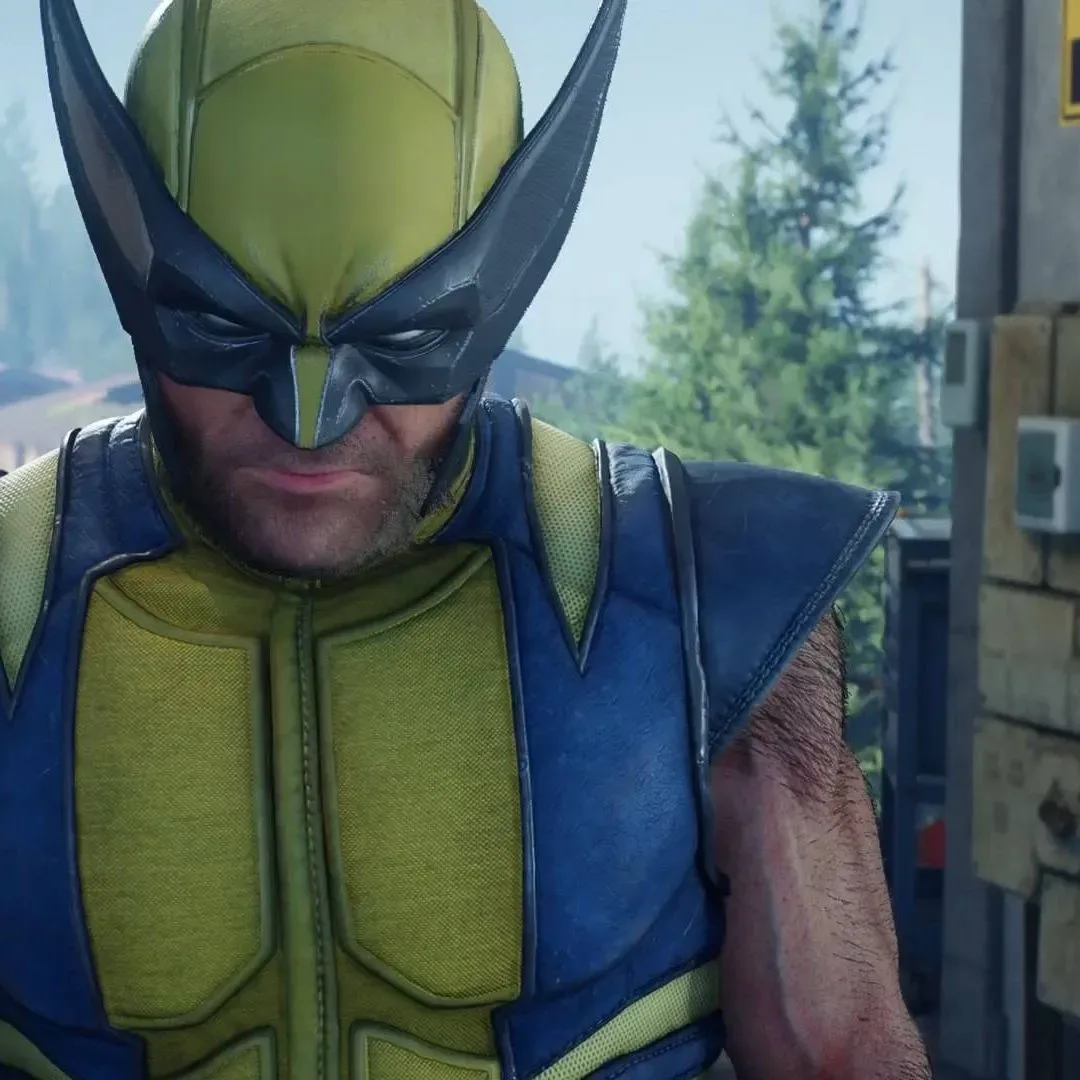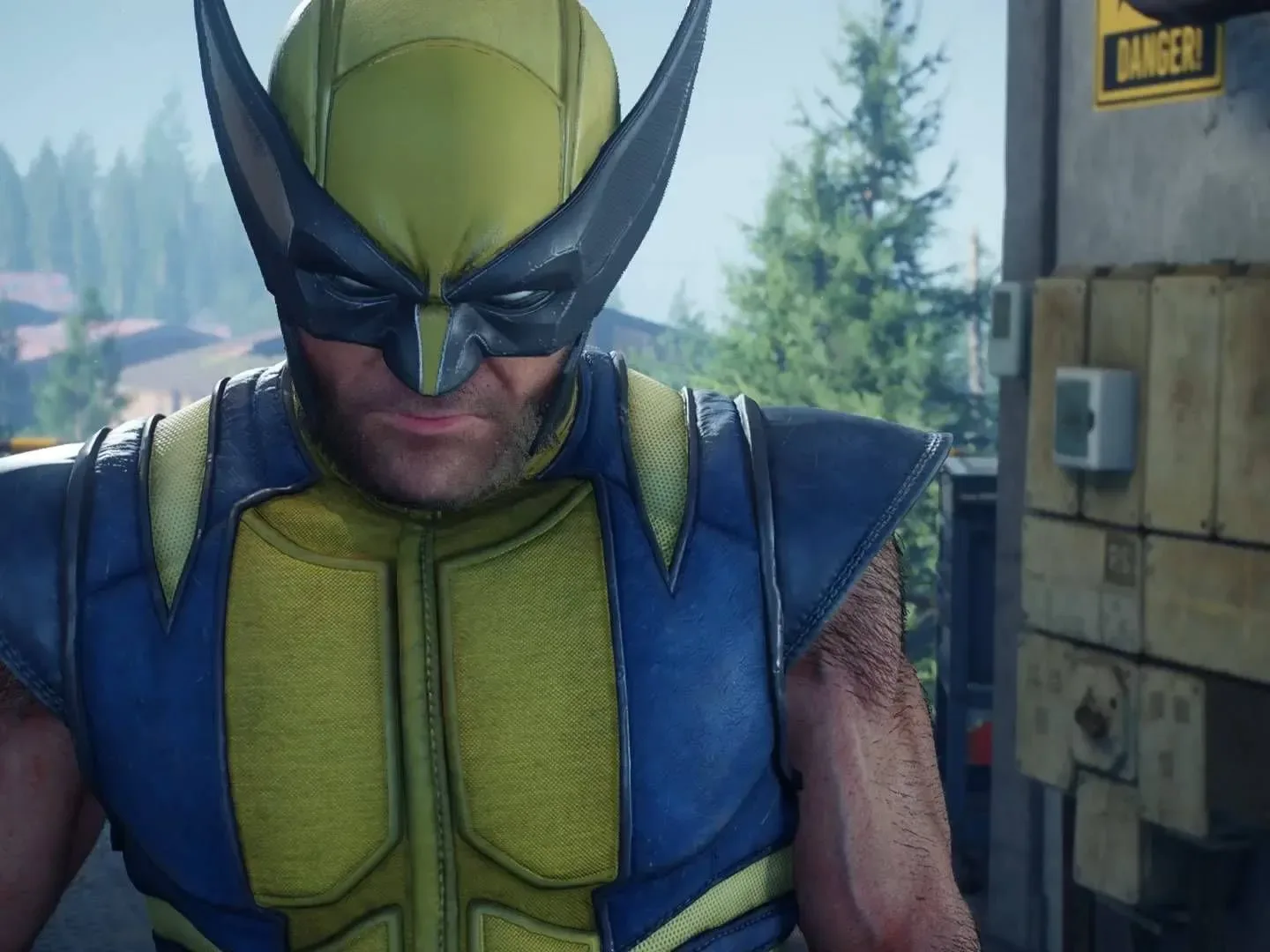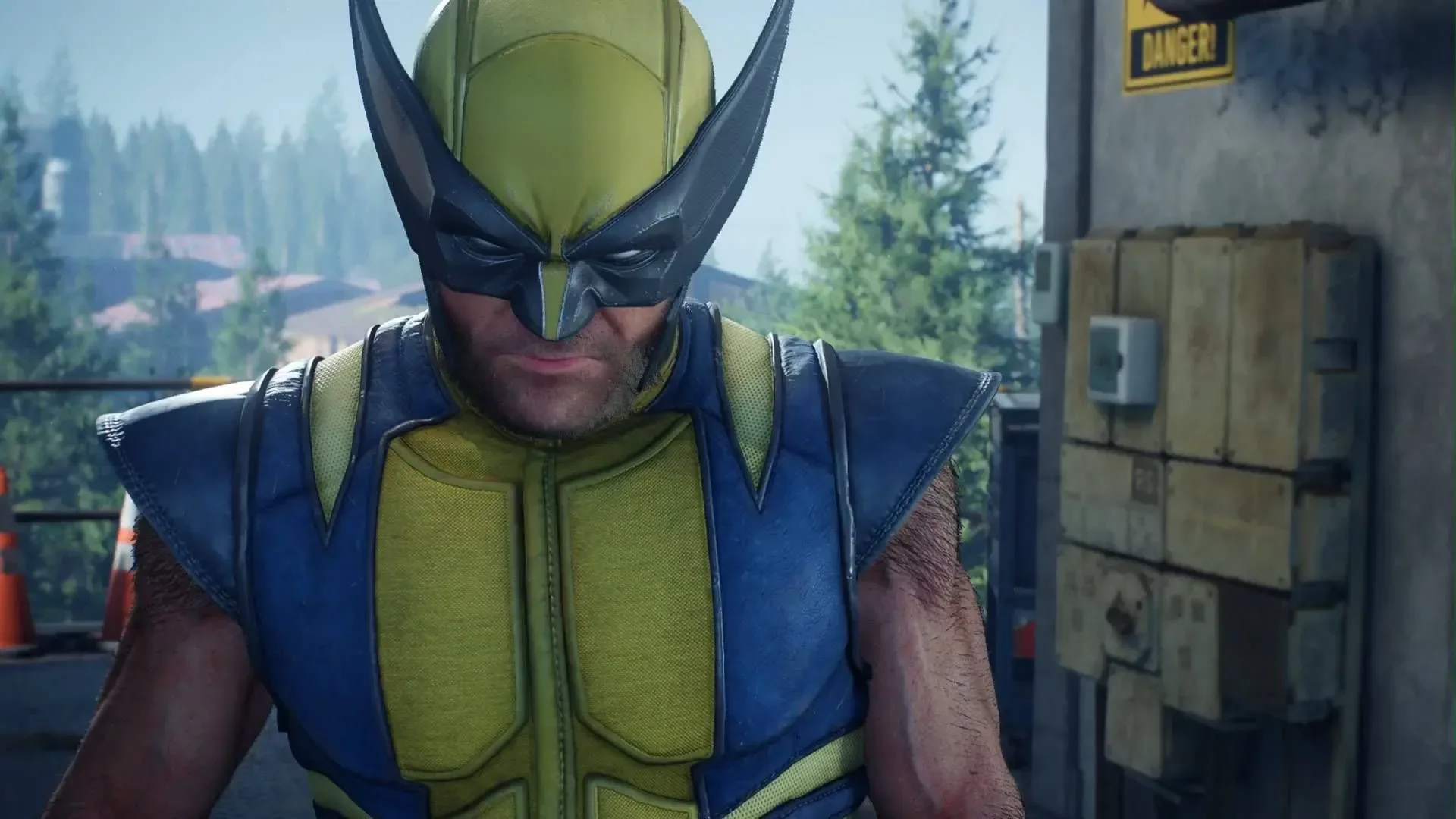
Insomniac Games has acknowledged the early response to Marvel’s Wolverine, with community director James Stevenson saying the studio has been paying close attention to comments from players and critics.
In a post on X, Stevenson wrote that the team had been “100% listening over the last few days,” adding that it had “been cooking hard today in response to some of the feedback.” The remarks are a meaningful public signal from the studio, but they are not a patch-note announcement: no particular problems, fixes, timing, platforms, or update plans were identified.
That distinction matters. A developer saying it is listening is an acknowledgement that feedback has reached the team. It does not, by itself, confirm that every complaint will be addressed, that a change has passed testing, or that an update is imminent. For now, the concrete news is the studio’s stated intent to react to the conversation around the game.
What Insomniac has actually said
Stevenson’s comments arrive after several days of discussion around Marvel’s Wolverine. The game has drawn a mixed reception relative to Insomniac’s recent history, with criticism from both players and reviewers pointing to issues significant enough for the studio to publicly address the overall feedback.
The wording is broad. “Listening” can cover many types of response: bug reports, concerns about performance or controls, criticism of mission structure, pacing, combat balance, accessibility, or broader creative choices. None of those categories has been confirmed in Stevenson’s statement, so it would be premature to treat any one commonly raised concern as the specific target of the team’s work.
Likewise, “cooking” is informal developer-community language rather than a technical commitment. In this context, it suggests active work or discussion in response to feedback. It does not reveal whether the team is investigating an issue, adjusting a design, preparing a patch, or deciding that a requested change is impractical. Players looking for firm information will need to wait for a more detailed communication, ideally one that identifies changes and when they can be expected.
“We have been 100% listening over the last few days.”
The concise nature of the statement may be frustrating for people seeking a checklist of fixes, but it also avoids promising changes before they are ready. In game development, a public pledge can quickly become a deadline in the eyes of the audience. A studio may need to reproduce a problem, determine its cause, make a change, test that change across affected areas, and prepare the update for release before providing a reliable schedule.
Related coverage includes Insomniac Says It Is Listening to Marvel's Wolverine Feedback After Launch.
Why post-launch feedback can lead to changes
Post-launch support is not limited to multiplayer or live-service games. A single-player release can receive updates for technical problems, quality-of-life improvements, balancing adjustments, accessibility options, and occasionally more substantial revisions. The scale of an update depends on the problem and on how deeply it is tied to a game’s systems.
A patch is a software update delivered after release. Patches can be very small, such as corrections for isolated errors, or much larger when they touch multiple systems. A hotfix generally refers to a faster, narrower correction for a pressing issue. Neither term has been used by Insomniac in relation to Marvel’s Wolverine so far, and players should not infer either one from Stevenson’s post.
Then there is balance: the process of tuning how powerful, difficult, rewarding, or forgiving game systems feel. Balance is often more subjective than a crash or a broken objective. Feedback may be widespread yet conflicting, particularly when players arrive with different skill levels, play styles, and expectations for a character as famous as Wolverine. A change that makes one group happier can make another feel the game has moved away from its intended challenge.
Technical feedback presents a different challenge. A reproducible bug can sometimes be tracked to a specific condition, whereas a broad complaint about feel, flow, or story may require a more involved design decision. That is why the most useful eventual studio update would separate confirmed fixes from subjects still being reviewed, rather than treating all criticism as one single task.
What players should reasonably watch for next
The next useful development would be a concrete follow-up from Insomniac. That could take the form of release notes, a message outlining areas under investigation, or a detailed explanation of what feedback is being prioritized. Until that happens, it is more accurate to say that the team has acknowledged the response than to claim a turnaround is underway.
When a patch is eventually detailed, readers can evaluate it with a few simple questions:
- What does it change? Specific descriptions are more informative than broad assurances.
- Which issues are confirmed? A named fix indicates the team has moved beyond general monitoring.
- Is there a timeline? A date or release window establishes expectations, though it can still change.
- Does it address technical faults, design feedback, or both? These require different kinds of work and have different practical effects.
- Are there limitations? Good patch notes explain known issues or changes that need further testing.
It is also worth separating a game’s current state from its potential future state. A player deciding whether to play now has only the current build and current information to assess. A promise to listen may be encouraging, but it is not the same thing as an available update. Conversely, people already playing should avoid assuming that silence about a particular complaint means it has been dismissed; Stevenson’s post does not say which feedback has or has not been acted upon.
Analysis: an acknowledgment is valuable, but details are the real test
There is a clear difference between defensive messaging and a straightforward admission that feedback is being heard. Insomniac’s public response is brief, but it places the studio on the side of continued engagement rather than pretending the early conversation does not exist. For a major character-driven release, that matters: expectations are high, and a studio’s willingness to communicate can influence whether disappointed players remain open to revisiting the game later.
Still, the practical measure will be what follows. The early reception being discussed is broad enough that a vague response cannot settle questions about the game’s direction. Only specific changes can show whether the feedback results in a better experience, and only time will show whether those changes address the concerns that matter most to the audience.
There is precedent for developers supporting games after release, including single-player titles, but precedent is not a guarantee. Every game has different technology, production constraints, and design goals. It would be inaccurate to assume that because another title made extensive revisions, Marvel’s Wolverine will receive the same kind of treatment. The responsible reading of Stevenson’s statement is narrower: Insomniac says it has heard the feedback and is actively responding to it.
The wider PlayStation conversation adds pressure to that response. The game has launched amid scrutiny of Sony’s decisions and an especially busy release period, leaving little room for a major first-party title to be judged merely adequate. That backdrop helps explain why the studio’s acknowledgement has drawn attention, but it does not tell us what changes are coming.
For comparison, post-release communication can be useful even when it concerns a smaller, sharply defined issue. Valheim’s restoration option for achievements illustrates how a developer can identify a particular problem and explain a direct remedy. Insomniac has not reached that level of detail here yet. Its message is instead the opening stage: confirmation that the team is listening.
What this means for Marvel’s Wolverine right now
Marvel’s Wolverine has not received a promised roadmap or a list of imminent corrections. It has received a public assurance from Insomniac’s community director that the studio has listened over recent days and has been working in response to some feedback.
That leaves room for cautious optimism, not certainty. Players who have concerns now have confirmation that those concerns are being monitored. Players waiting for a particular fix should wait for official details before changing their expectations. And anyone evaluating the game should distinguish between the version available today and any improvements the team may announce later.
For Insomniac, the next communication will carry more weight than the first. A transparent account of what is changing—and what is not—would give the community something solid to judge. Until then, the message is simple: the conversation around Marvel’s Wolverine has been heard inside the studio.