Bloodborne’s long afterlife on PlayStation looks remarkably healthy. Analytics estimates indicate that FromSoftware’s 2015 PS4 action RPG has sold more than 251,000 copies during 2026, more than a decade after its March 2015 launch. The same estimates place lifetime sales at roughly 10.4 million copies and lifetime revenue near $317 million.
Those are estimates, rather than platform-holder-confirmed sales figures, so they should be read as a useful measurement of momentum—not an official final tally. Even with that caveat, the scale is telling. Bloodborne is still attracting a substantial number of buyers despite being officially limited to its original PS4 version, with no PS5-native update and no announced remake or remaster.
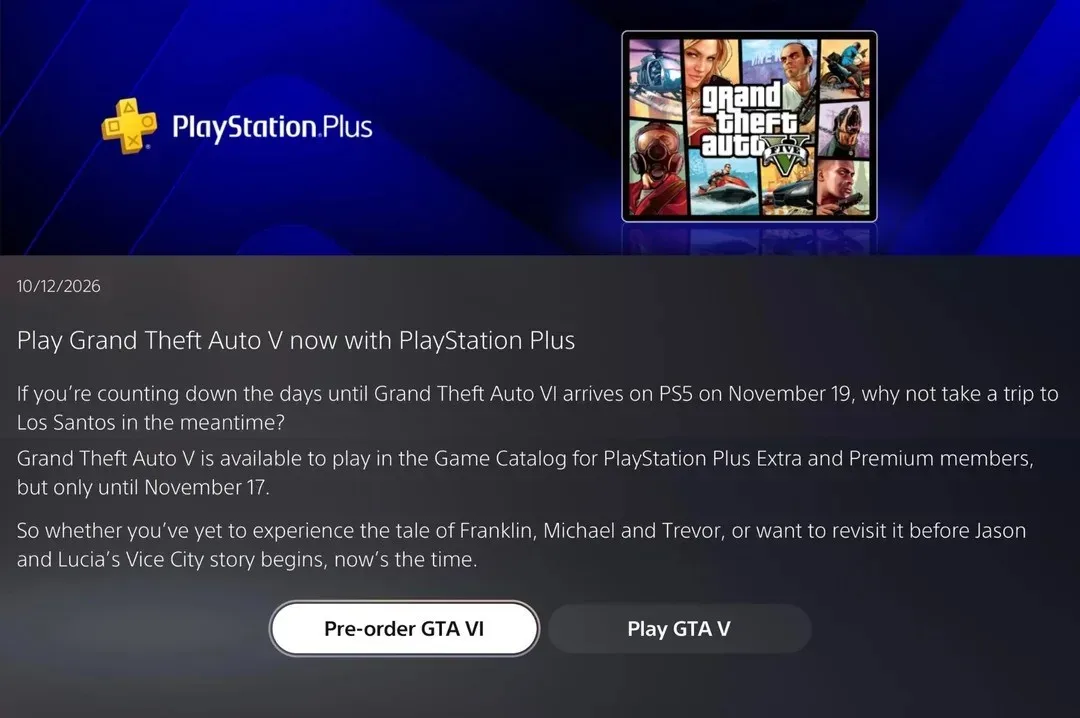
Its continuing appeal is also visible in player activity. An estimated half-million people played Bloodborne through PlayStation Plus in October. That does not equal half a million new purchasers, and subscription play should not be confused with unit sales. But it does show that the game remains highly visible in the PlayStation ecosystem, even as its technical limitations have become one of the most persistent talking points around the title.
A durable audience for a PS4-era exclusive
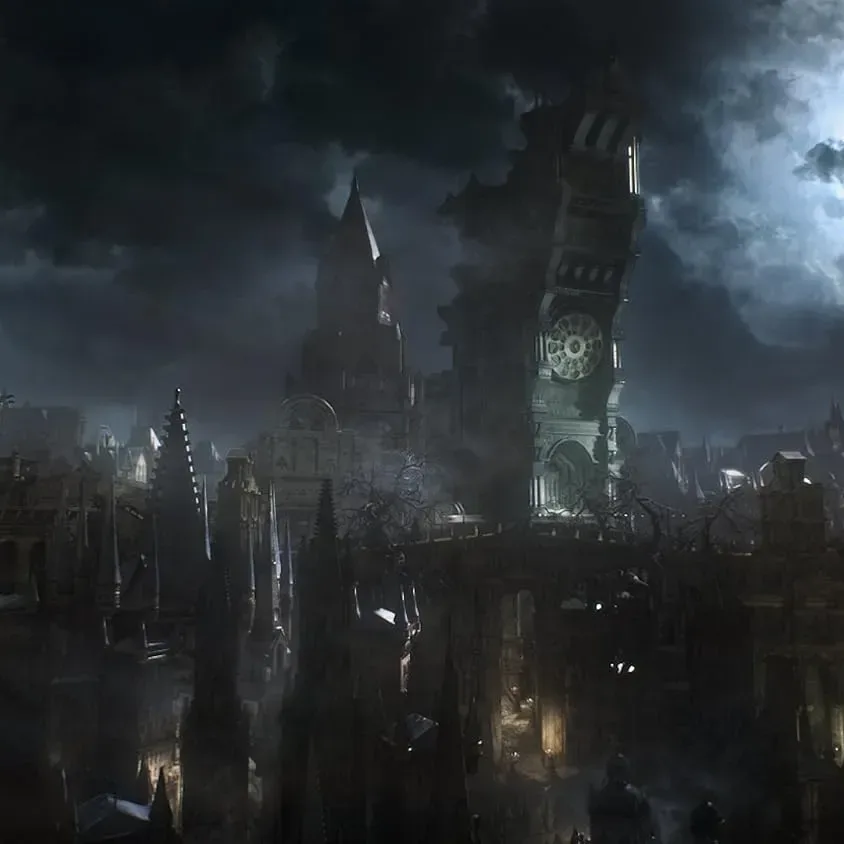
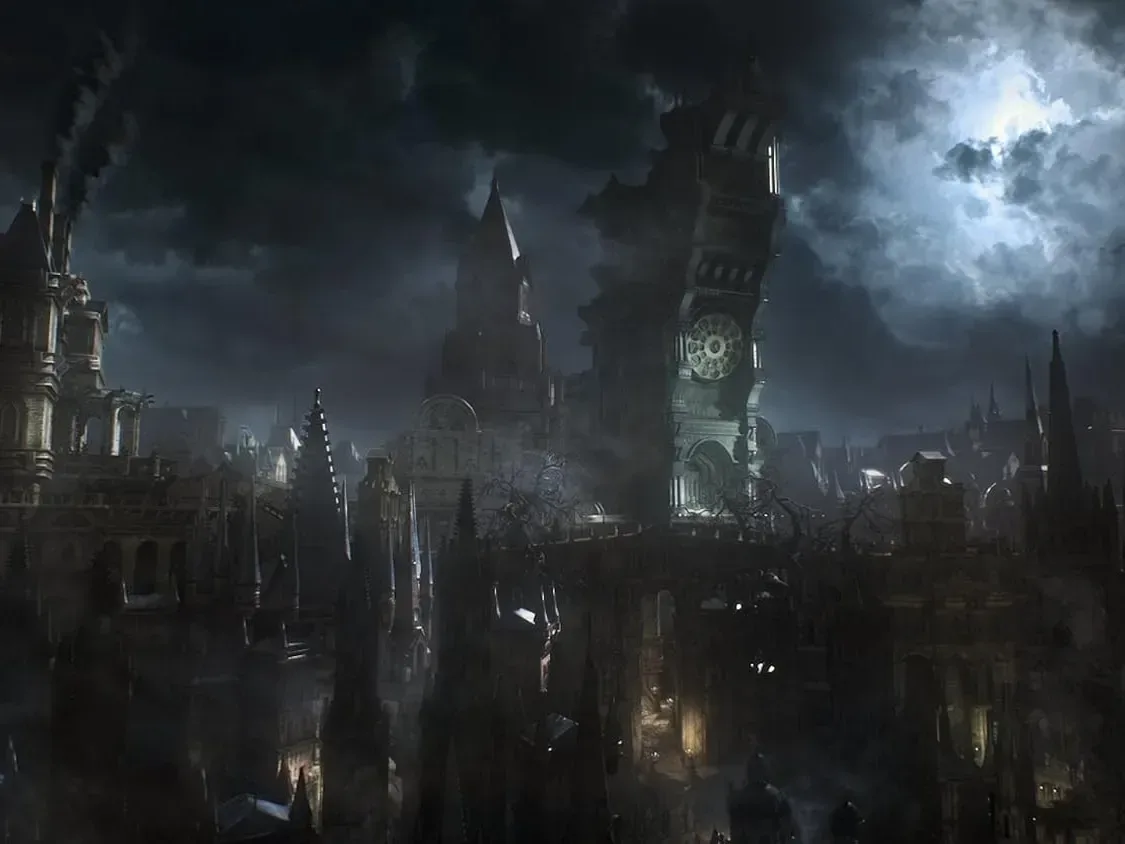
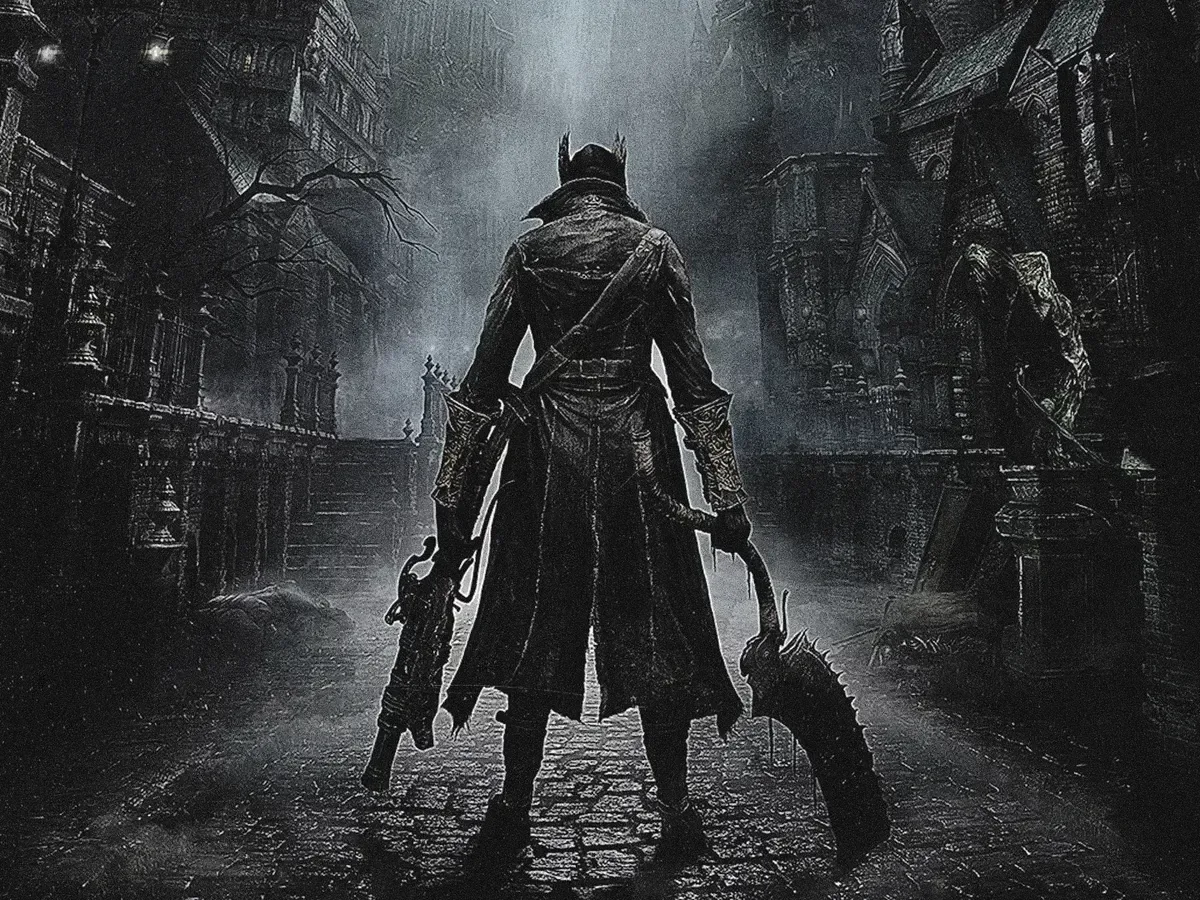
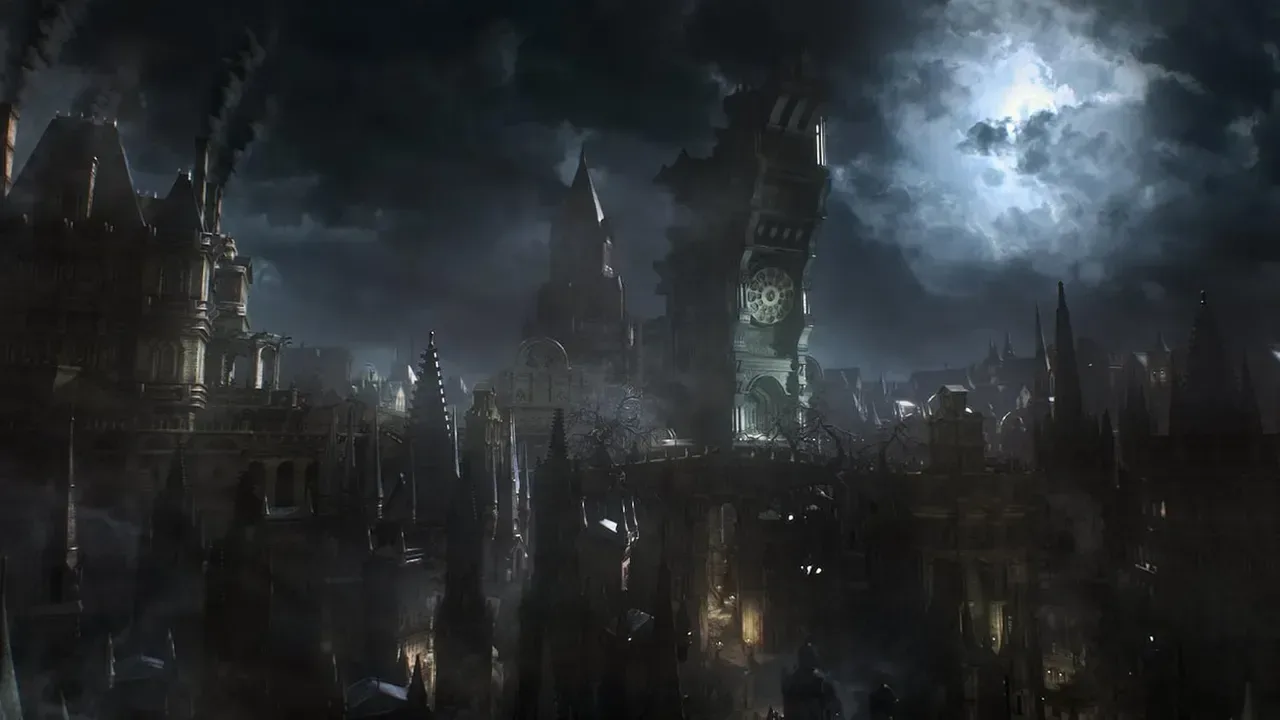
Bloodborne arrived in March 2015 as a PlayStation 4 exclusive. Its setting and combat established a distinct identity within FromSoftware’s catalog: Victorian-inspired clothing and architecture, blood-soaked streets, Gothic imagery, cosmic horror, firearms used for parries, and weapons that transform during combat. That combination is likely central to why the game has endured as more than a historical footnote between later releases.
There is an important difference between a game remaining fondly remembered and a game remaining commercially active. The reported 251,000-plus copies sold this year suggests the latter. It means Bloodborne is still being discovered or revisited by players willing to buy it, not merely discussed by a longtime fan community.
The October PlayStation Plus estimate adds another layer. A subscription audience can introduce an older game to players who might not otherwise commit to buying it, while also giving existing owners a reason to return. For Bloodborne, that exposure matters because the game’s official route onto modern PlayStation hardware remains unchanged: it is still the PS4 release, rather than a tailored PS5 edition.
That situation makes the game’s sustained interest unusually conspicuous. A newer version could potentially broaden access or improve the experience for existing fans, but the reported sales and play data show that demand has not vanished in the absence of one.
The FromSoftware overlap is real, but not the whole story
The player data points to a meaningful connection between Bloodborne and the rest of FromSoftware’s work. Of the nearly 500,000 people estimated to have played Bloodborne in October, 12% also played Elden Ring that month. The reported overlap was 6% for Dark Souls 3 and 5% for Sekiro.
Related coverage includes Bloodborne Reportedly Sold More Than 251,000 Copies in 2026, More Than a Decade After Launch.
These percentages should not be treated as a census of every Bloodborne player or proof that one game directly drove another’s sales. They do, however, support a sensible conclusion: there is a recurring audience that moves among FromSoftware games. That is particularly relevant as the studio’s newer releases keep the developer in front of players who may then seek out earlier work.
Bloodborne benefits from sharing certain broad traits with those games, including demanding combat and a reputation for dense, mysterious worlds. Yet it is not simply interchangeable with them. Its weapons shift between forms, its gun-based parry system creates a particular rhythm, and its horror-driven visual identity separates it from the fantasy settings associated with other FromSoftware titles. For someone moving backward through the developer’s catalog after playing Elden Ring, Bloodborne offers a recognizably related challenge with a markedly different atmosphere.
That distinction is commercially valuable over time. A game that feels redundant can be replaced by a newer entry. A game with a strong individual character can remain an appealing destination even after successors and adjacent projects arrive.
Why the 30fps conversation has not gone away
Bloodborne remains officially locked at 30 frames per second. Frames per second, usually shortened to fps, describes how many individual images a game displays each second. Higher frame rates can make motion appear smoother and can make input feel more immediate. A 60fps update is therefore not just a resolution talking point for players; it can materially change how fast-moving combat feels.
The game has not received an official PS5 update, despite years of public requests for one. That leaves a conspicuous gap beside other legacy PlayStation games that have received remasters, remakes, patches, or other modern re-releases.
Modders have demonstrated Bloodborne running at 120fps and at higher resolutions than were previously possible on PS5. Those efforts show what enthusiasts can achieve, but they are not an official product, an official patch, or evidence that a commercial re-release is imminent. For everyday players, the official version remains the 30fps PS4 release.
The persistence of the discussion is understandable because Bloodborne’s combat asks players to read enemy actions and respond quickly. Its parry mechanic is a clear example: a firearm shot can interrupt an opponent at the right moment, opening an opportunity to counterattack. In a game built around timing and movement, performance is naturally part of the experience rather than a purely technical footnote.
Still, the sales and subscription activity complicate the common assumption that the lack of an update has made Bloodborne inaccessible to modern audiences. An official enhancement may be widely wanted, but the existing release continues to draw a large audience without it.
Remaster, remake and update are different possibilities
Discussions about Bloodborne often group several very different projects under the same umbrella. An update usually means a patch to the existing release, potentially adding PS5-specific features or performance changes. A remaster generally refreshes an existing game for newer hardware while retaining its underlying form. A remake is a more extensive reconstruction, potentially rebuilding art, technology, systems, or content while preserving the original work’s core identity.
No such official Bloodborne project has been announced. Reports indicate that Bluepoint, the studio behind remakes of Shadow of the Colossus and Demon’s Souls, pitched a Bloodborne remake last year. That proposal was reportedly rejected by FromSoftware rather than Sony, contrary to earlier assumptions about where resistance might lie. Bluepoint has since closed.
That report is notable but not definitive enough to map out the franchise’s future. A rejected pitch does not reveal every option that may have been considered, and it does not establish that every potential Bloodborne project is off the table. It does underline that a remake—especially one made by another studio—can involve creative questions as well as business or technical ones.
FromSoftware director Hidetaka Miyazaki said in 2024 that Bloodborne does not belong to FromSoftware, meaning he was not in a position to speak freely about a remake. He also said the game would benefit from a release on modern hardware. Those comments acknowledge the hardware case for a new version without constituting a confirmation that one is being made.
Former PlayStation executive Shuhei Yoshida later offered a personal theory, not inside information, that Miyazaki’s attachment to Bloodborne and lack of availability might help explain the stalemate around an update, remaster, or remake. The theory is worth keeping in its proper category: speculation from someone who explicitly said he did not know the current situation. It should not be elevated into a verified explanation.
More Bloodborne, but not necessarily more Bloodborne game
There is at least one confirmed sign that the property is not dormant in every medium. Sony announced an R-rated animated Bloodborne film earlier in 2026, with YouTuber Jacksepticeye producing. The project does not confirm a game revival, a remaster, or a PS5 patch. It does, however, indicate that the world and name retain enough value for a new adaptation.
For fans waiting for a game announcement, that distinction matters. An animated film and a new game release serve different audiences and require different kinds of development. The film should be read as evidence of ongoing interest in the brand, not as a substitute for an official technical upgrade.
Meanwhile, FromSoftware is preparing the recently delayed Nintendo Switch 2 exclusive The Duskbloods for next year. Its most recent release is cooperative spinoff Elden Ring: Nightreign. Miyazaki has also reassured players that the studio remains focused on single-player games. In late 2024, he said FromSoftware was not considering Elden Ring 2 at that time, while leaving open the possibility for the future.
That workload offers context for why Bloodborne speculation continues to resist simple answers. The game is tied to PlayStation as an IP, its original creator has a full slate of projects, and the one reported remake pitch did not become a release. None of those facts says a revival can never happen. Together, they explain why strong demand has not automatically produced an announcement.
What the numbers mean for players
For prospective players, the immediate takeaway is straightforward: Bloodborne is still active as a cultural and commercial game, not a forgotten exclusive that only survives through nostalgia. A large PlayStation Plus audience and continued estimated sales mean newcomers are joining a conversation that is still very much alive.
For players holding out specifically for a PS5 upgrade, the evidence calls for patience rather than prediction. There is no confirmed remaster, remake, patch, or PS5-native edition. The official game remains at 30fps, while the more ambitious performance demonstrations are modding achievements rather than a consumer release.
For PlayStation, Bloodborne’s performance is another reminder that older exclusives can retain meaningful value long after their original hardware generation. Its reported momentum arrives as PlayStation continues to promote current storefront deals, including the PlayStation Store Black Friday sale, but Bloodborne’s case is less about a short-lived discount window than lasting interest in a singular game.
The headline figure—more than 251,000 estimated copies sold during 2026—is impressive because it comes without the usual catalyst of a newly announced port, remake, or major official performance update. Bloodborne is selling on the force of its existing reputation, its distinctive design, and a continuing appetite for FromSoftware’s games. That does not answer the question of whether it will ever escape its PS4-era constraints. It does make clear why the question refuses to die.