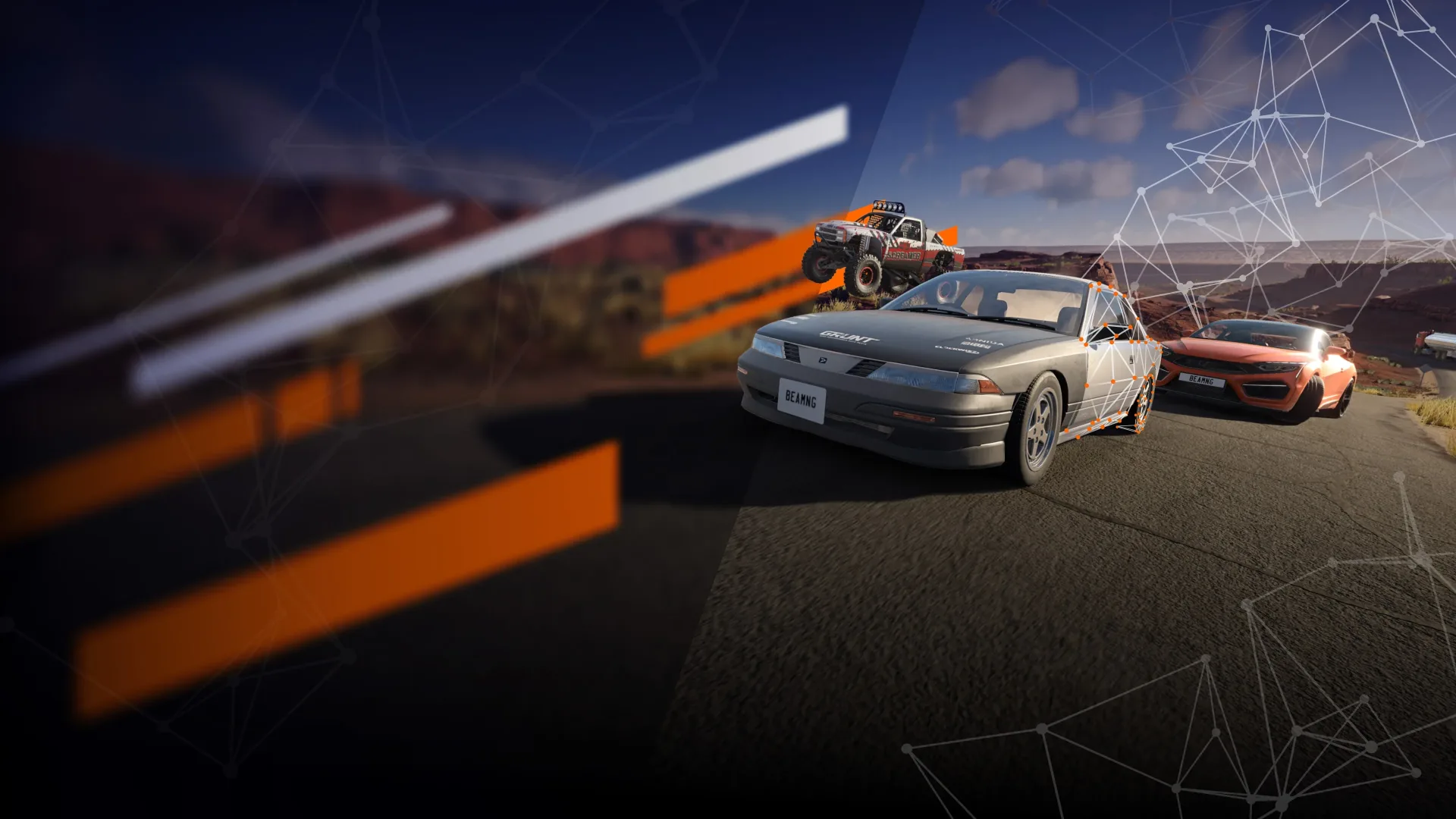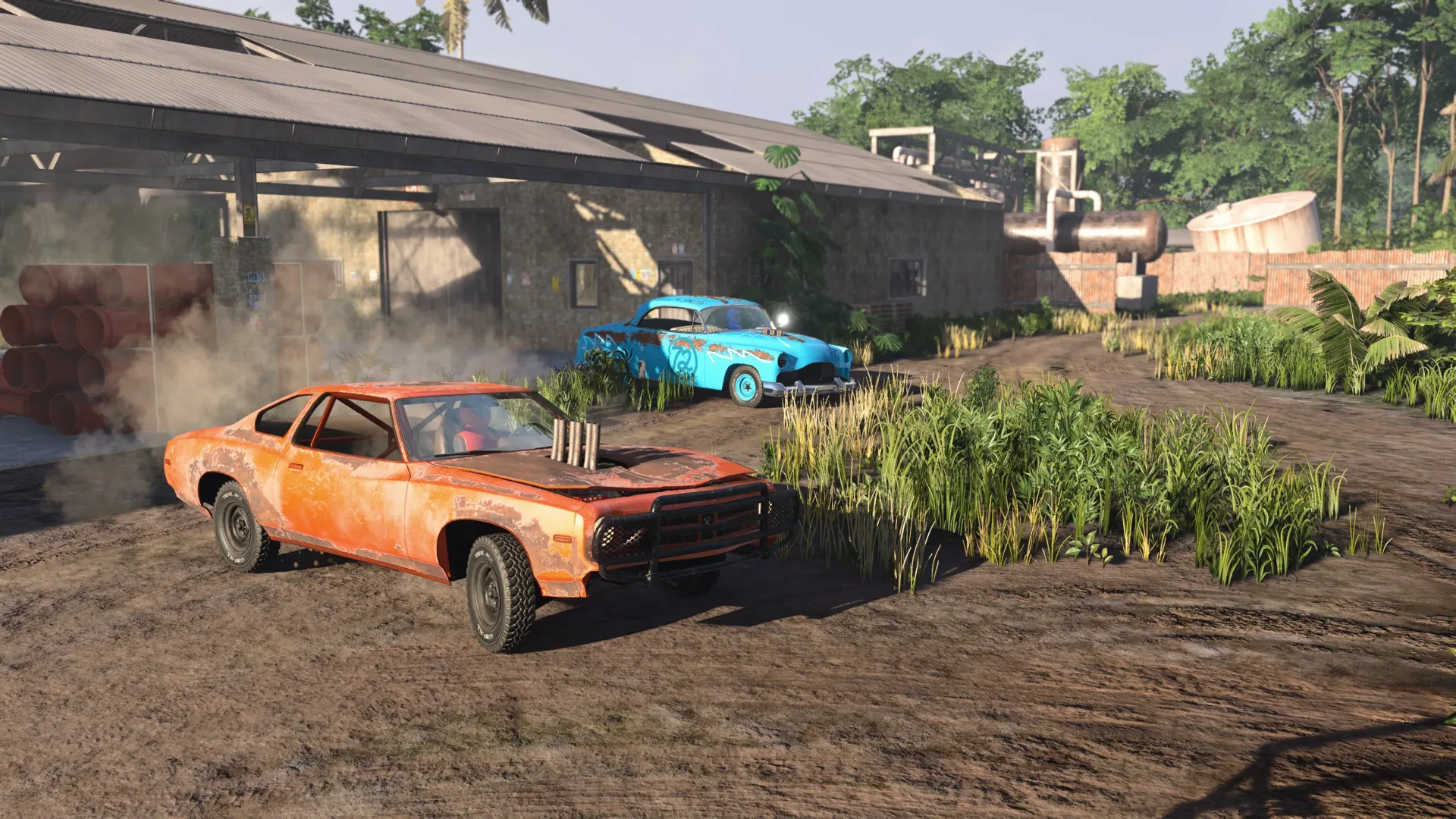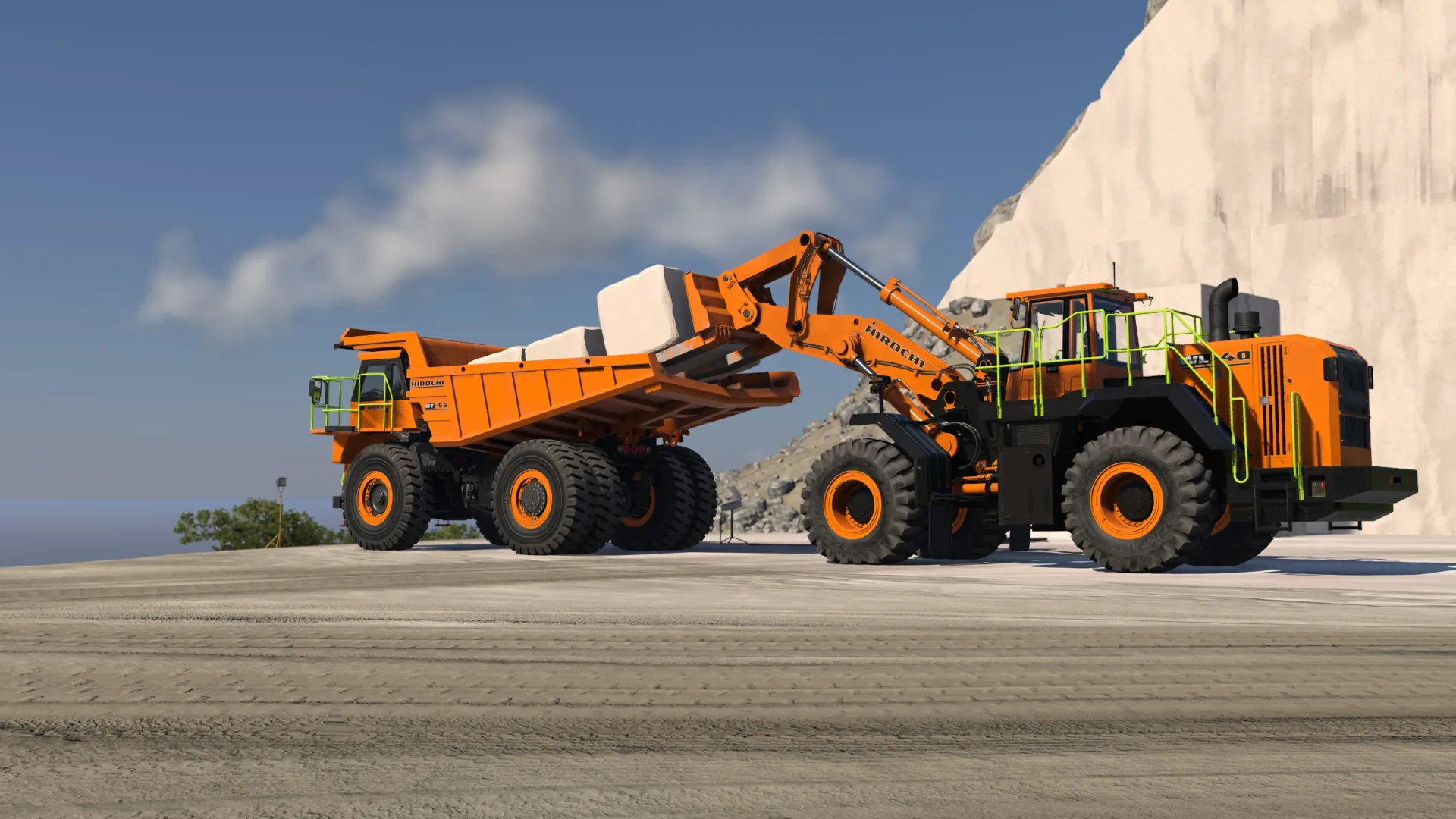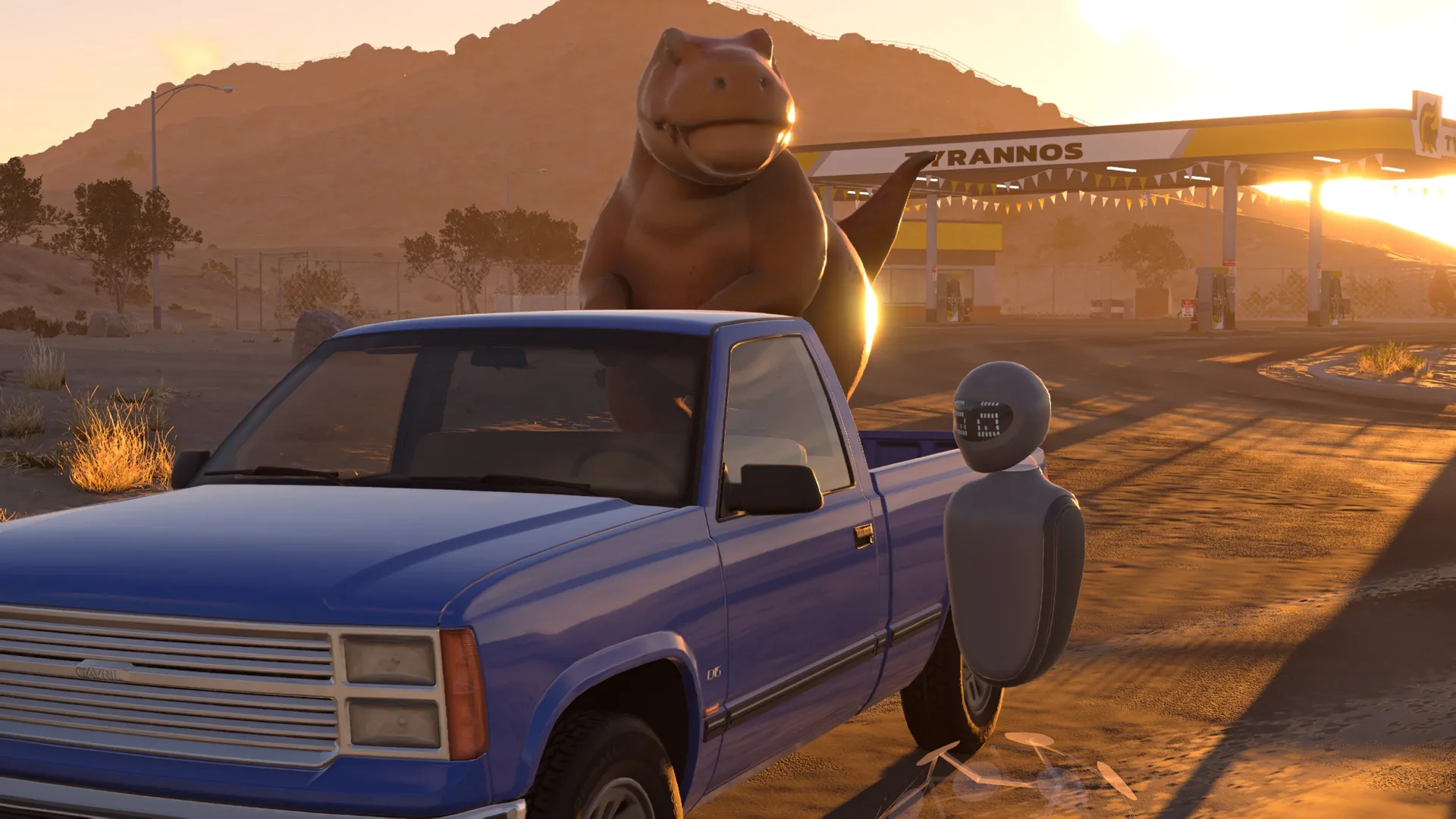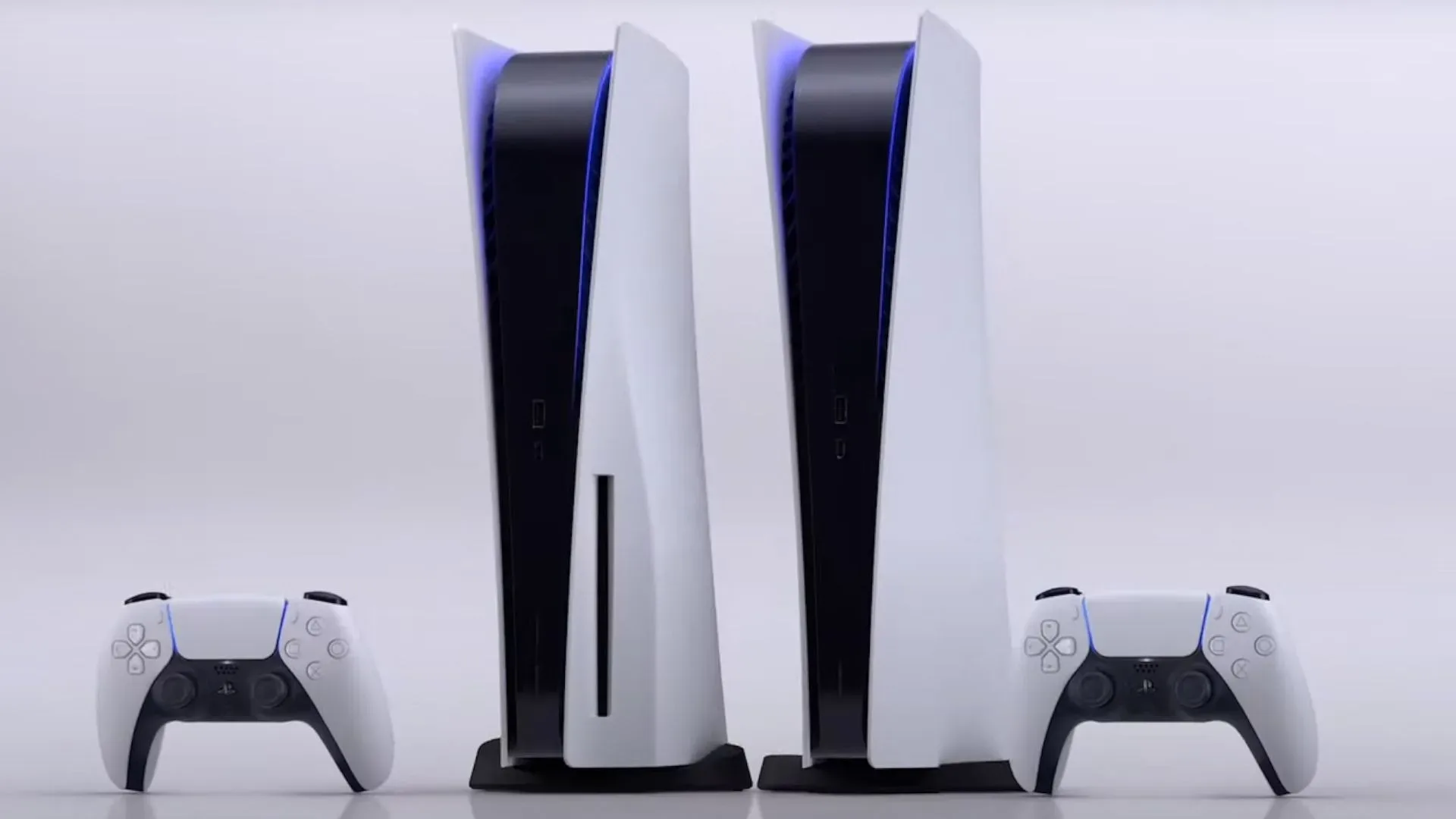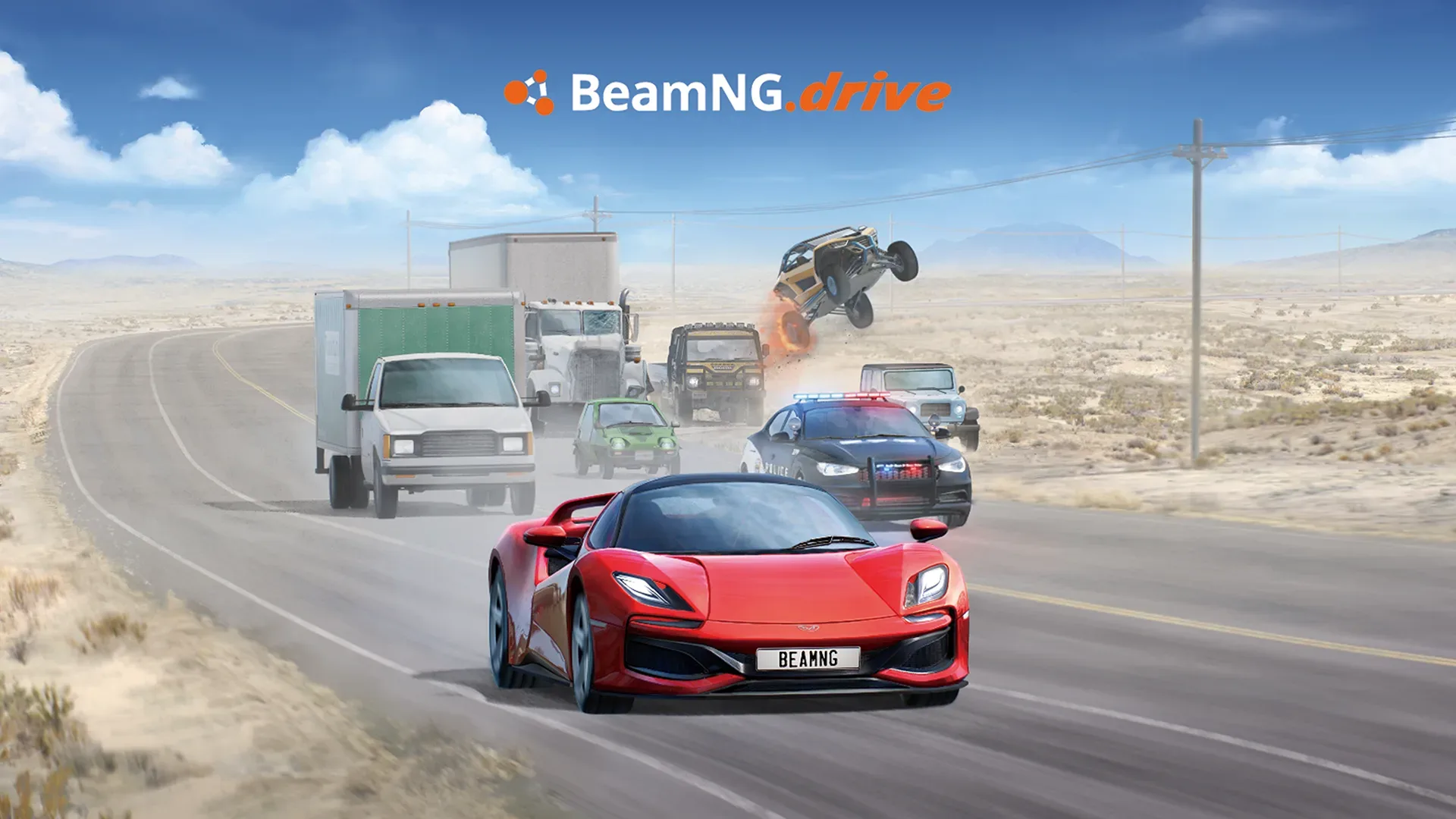
BeamNG.drive is celebrating its recent PlayStation 5 launch with a new community appreciation and gameplay video. The video recognizes the players who have supported the driving simulator from its early PC days through its move to console, while putting the spotlight back on the feature that defines the game: vehicles that react to impacts, weight shifts and mechanical punishment in unusually detailed ways.
The PS5 version arrived alongside the v0.40 update. Most notably for players sharing a couch rather than a crash barrier, local split-screen is now available on the console release. BeamNG.drive remains available in Early Access on Steam for PC as well as on PlayStation 5.
A simulator built around what happens when things go wrong
Since its Steam debut in 2015, BeamNG.drive has centered on real-time soft-body vehicle physics and an advanced damage system. Those terms are the key to understanding why the game occupies a distinct place among driving games.
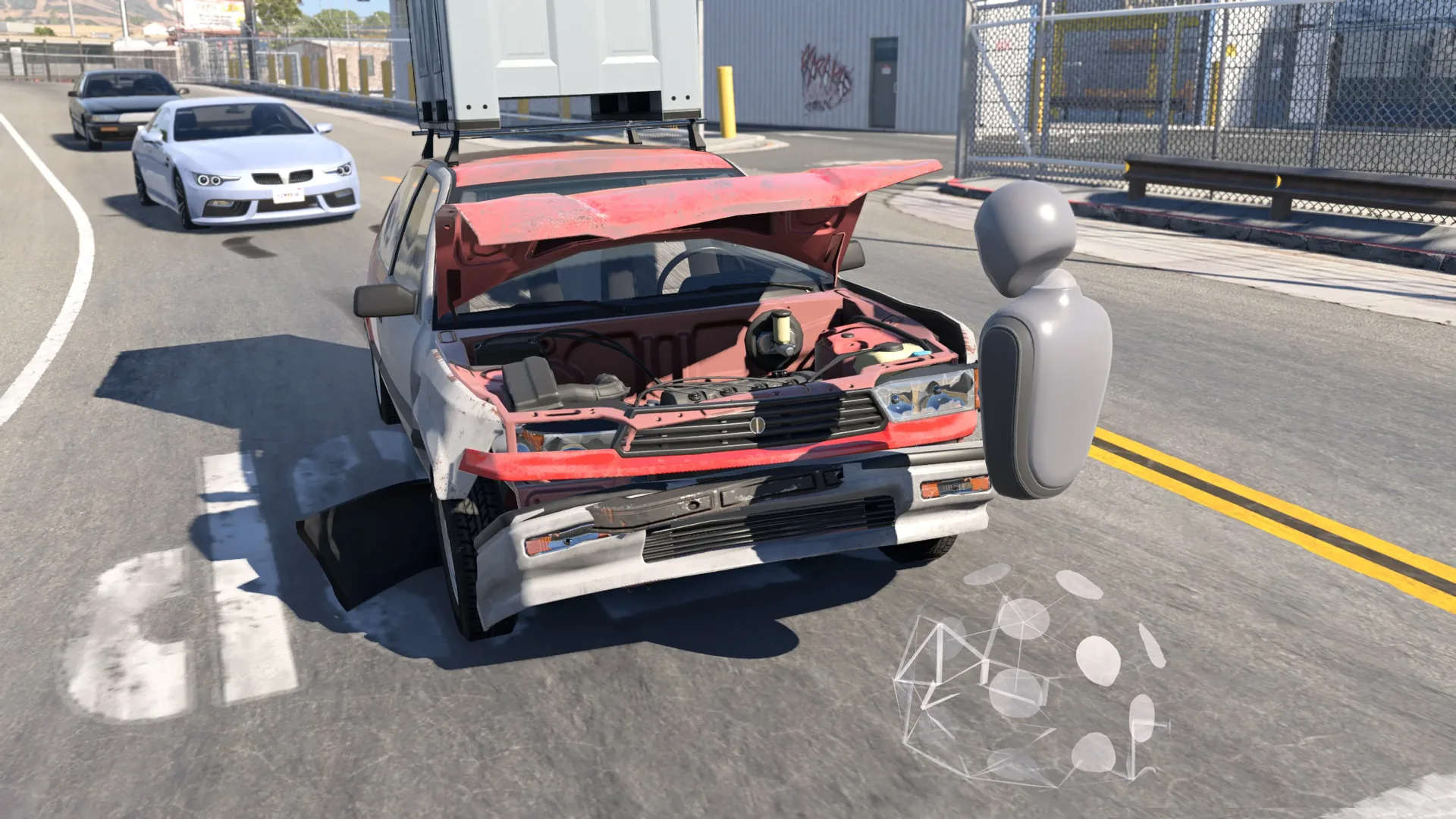
In simple terms, soft-body physics models an object as something that can bend, compress and deform, instead of treating it as a permanently rigid shell. For a vehicle, that means an impact is not merely a cosmetic dent or a pre-made crash animation. The game aims to simulate how parts of the car respond to force as the collision occurs.
That focus changes the point of play. A botched landing, an overenthusiastic trip into a wall or a poorly judged corner is not just a reset-worthy mistake. It can become the event itself: suspension can be stressed, wheels can be put out of position, bodywork can crumple, and a vehicle’s behavior can change after the damage. The attraction is as much about observing consequences as it is about reaching a finish line.
That does not mean BeamNG.drive is limited to crash experiments. Its simulation-first approach gives ordinary driving a different texture, too. Vehicle response, setup choices and terrain become central considerations in a way that fits free-roam exploration, structured scenarios and career-oriented play.
What players can do in BeamNG.drive
The game’s feature set spans both open-ended driving and more directed activities. Players have access to dozens of vehicles and 12 open-world environments, along with Career Mode, scenarios and a free-roam sandbox. This range matters because it gives the physics systems several contexts rather than asking every player to invent their own objective immediately.
- Free-roam sandbox play: an unstructured mode for driving, experimenting with vehicles and exploring environments at a player’s own pace.
- Scenarios: more defined activities that give the simulation a particular task or situation.
- Career Mode: a mode built around a broader sense of progression rather than a single isolated run.
- Open-world environments: 12 areas designed to provide space for different kinds of driving and experimentation.
- Vehicle customization: adjustments to elements including engines, wheels and suspension.
- Local split-screen: multiple people playing on one display, now included for PS5 players.
The customization options are especially relevant to a vehicle simulation. Changing an engine, wheels or suspension is not simply a visual choice in principle; these are components tied to how a vehicle is configured. Suspension, for example, is the system that helps connect the vehicle body to its wheels while managing movement over a surface. In a game concerned with handling and damage, it is naturally one of the areas players may want to adjust.
Related coverage includes BeamNG.drive Marks PS5 Arrival With Community Gameplay Video.
Likewise, wheels are not just a styling decision when driving behavior is a major focus. Their role in a vehicle’s contact with the road makes them a logical part of the tuning suite. BeamNG.drive’s stated customization breadth suggests players can approach a car as a system of parts, then take that setup into a world, scenario or sandbox session to see how it behaves.
Why split-screen is a meaningful PS5 addition
Local split-screen may sound like a familiar checklist feature, but it carries particular value for a game built around emergent driving outcomes. The format lets people share an experiment, challenge or improbable crash sequence in the same room without each person needing a separate system and display.
For structured scenarios, that can mean taking turns or comparing approaches. For free-roam, it can turn the environment into a shared play space. And for the game’s vehicle-damage appeal, it makes the spectacle immediately social: one player can be attempting a careful drive while another has a much looser interpretation of road safety.
The practical takeaway is straightforward. Players primarily interested in solitary tinkering still have the sandbox, career and scenario options. Players who want a local multiplayer component now have it on PS5 as part of the release and v0.40 update. The announcement does not outline additional online multiplayer details, so the confirmed console multiplayer point here is local split-screen.
A PC-era community reaches a new platform
The community video is a celebration of a long road rather than the unveiling of a separate game. BeamNG.drive began on Steam in 2015 and is still identified as Early Access on PC, while its arrival on PS5 expands the places where its simulation can be played.
That timeline is important because it explains the tone of the new video. The game’s identity was formed around years of PC support and a community interested in elaborate vehicle behavior, customization and sandbox experimentation. The PS5 release gives that established formula a console home without changing the central premise: detailed real-time vehicle simulation remains the headline.
It also makes the launch more than a platform listing. Console players enter a game that already has a clear set of priorities and an extensive collection of modes, vehicles and environments. PC players, meanwhile, continue to have access through Steam Early Access. The appreciation video serves as a public acknowledgment that the transition to PS5 is connected to the game’s earlier audience rather than detached from it.
Analysis: what the release says about BeamNG.drive’s appeal
BeamNG.drive’s most distinctive promise is not simply speed, racing or licensed-car spectacle. It is cause and effect. The game is designed for players who want to see how a vehicle reacts when a plan works imperfectly—or fails dramatically.
That makes its modes work together. Open environments provide room to explore. Scenarios give the physics a purpose. Career Mode offers a more sustained framework. Customization lets players alter the machine they are taking into those activities. Split-screen adds a shared-room option. None of these elements replaces the simulation layer; they give it different ways to be used.
For prospective PS5 players, the clearest expectation to bring in is that this is a driving and physics simulator with broad sandbox appeal, not a game defined only by conventional race events. The damage model is a foundational part of the experience, and the available activities support both deliberate driving and curiosity-driven experimentation.
There is also a useful boundary between a simulated garage and everyday motoring technology. Anyone sorting out practical in-car phone connectivity can look at this guide to setting up Apple CarPlay and resolving connection issues; BeamNG.drive’s concern is the virtual vehicle, its setup and its behavior under simulated forces.
Availability and the new video
BeamNG.drive is available now on PlayStation 5 and in Early Access through Steam on PC. The PS5 launch is paired with v0.40, including local split-screen for console players. The newly released gameplay video is intended as a thank-you to the community that has followed the game from its PC origins to this console milestone.
For players drawn to mechanical detail, adjustable vehicles, open environments and the occasional highly educational encounter with a guardrail, the PS5 release brings BeamNG.drive’s particular brand of automotive chaos to a new audience.