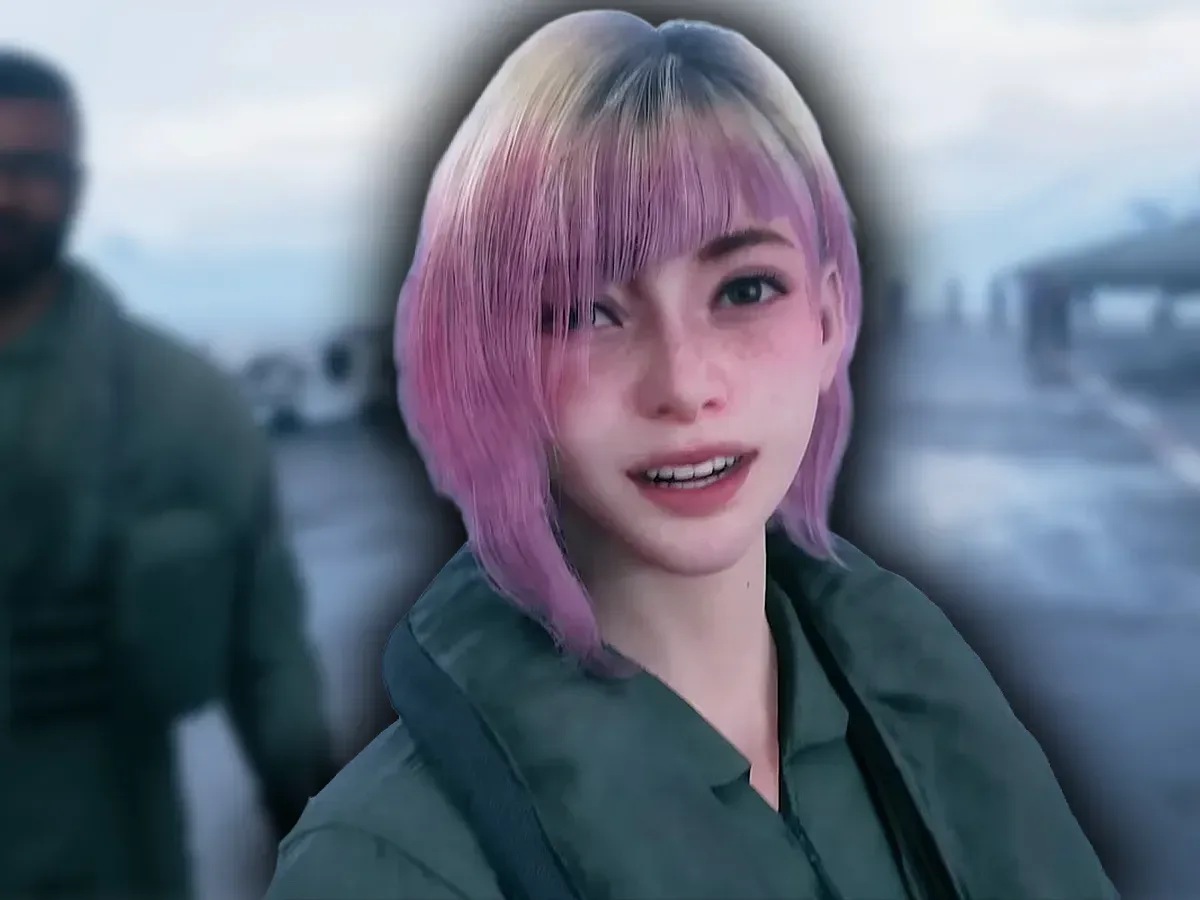
Ace Combat 8: Wings of Theve is getting a live-action runway before its game campaign begins. Bandai Namco Entertainment’s four-part short-film project, Hour Zero, starts with its first episode on Tuesday and continues through Sept. 29, leading into the game’s Oct. 2 release on PlayStation 5, Xbox Series X|S and PC.
That makes Hour Zero more than a conventional trailer campaign. It is framed as a prequel intended to establish the situation players will encounter in the new game’s Campaign Mode: a conflict between the Republic of Sotoa and the Federation of Central Usea, with truth clouded by lies, conspiracies and rumor.
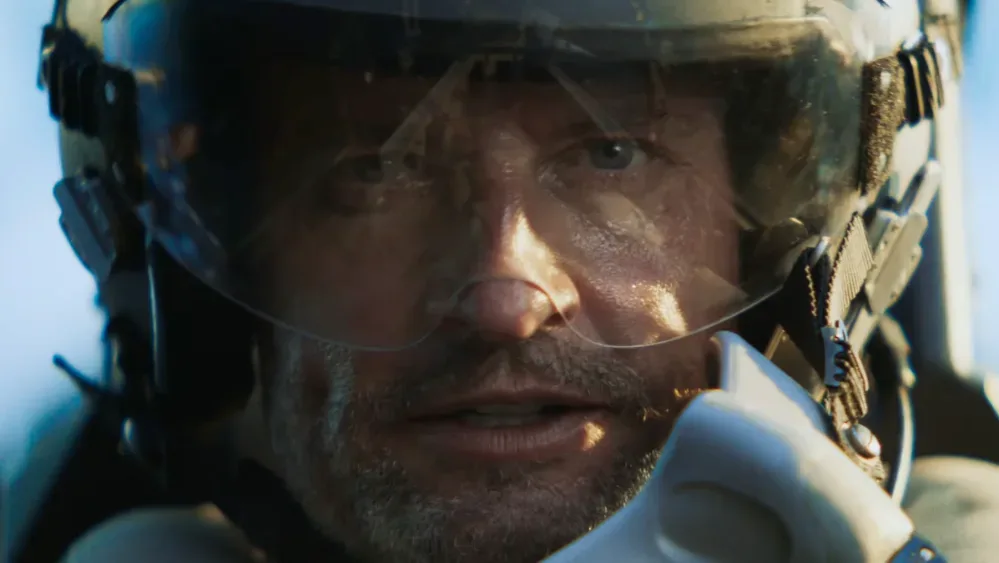
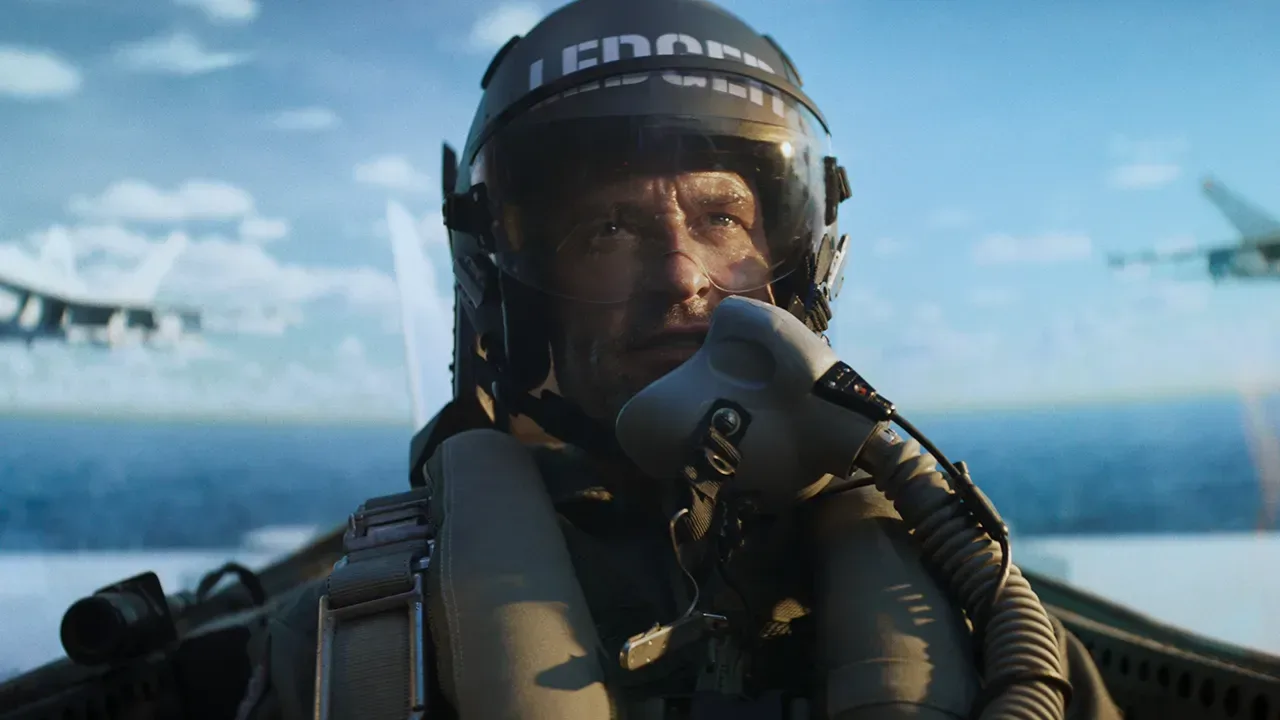
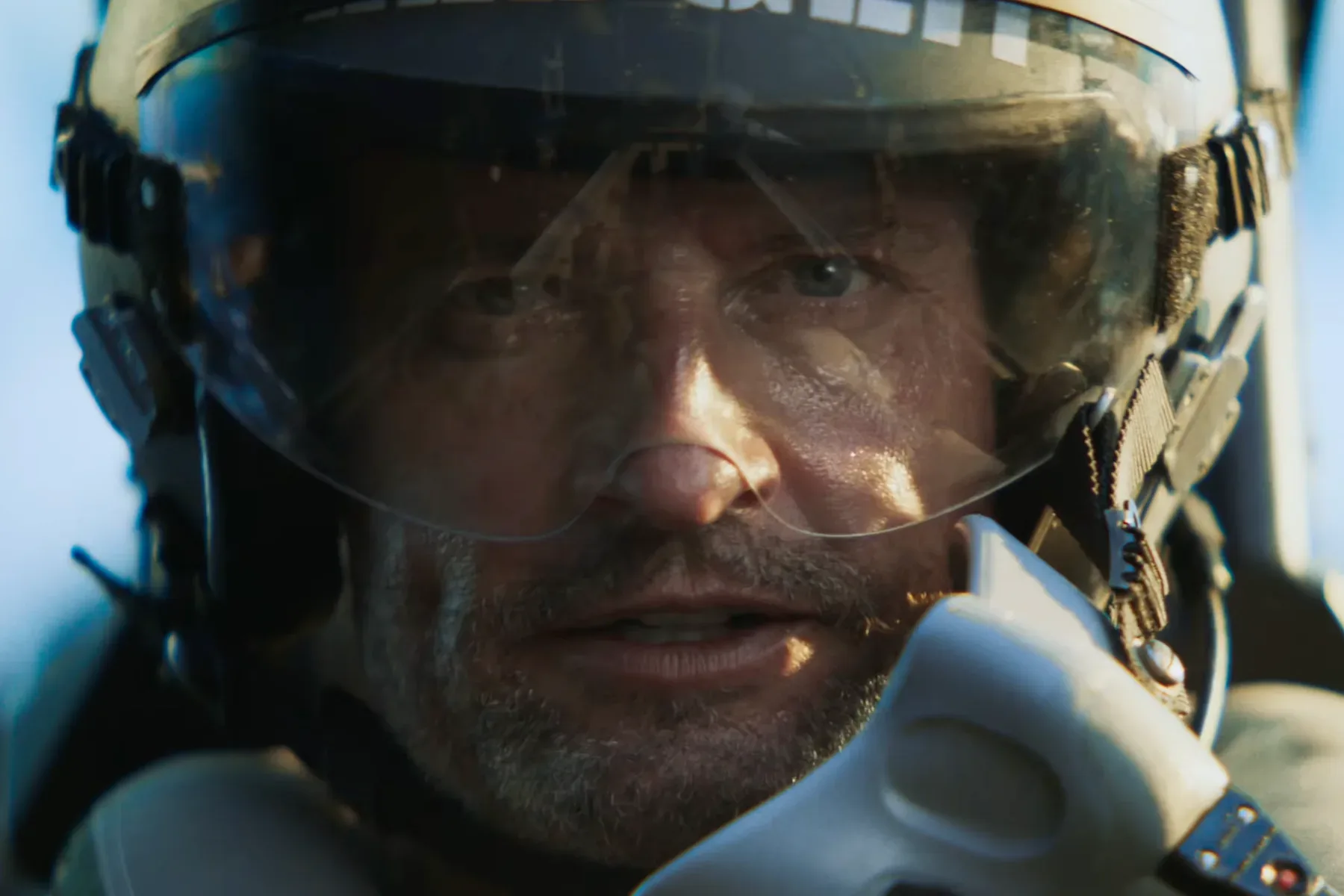
The live-action story follows three civilians and combatants caught in the opening days of Sotoa’s invasion. Josh Holloway plays a pilot left without a place to land; Brandon Routh plays a doctor who has saved an enemy; and Tamlyn Tomita plays a news anchor who is silenced after reporting the truth. Their individual stories are rooted in family lives disrupted by war, then presented in reverse chronological order as they work backward to the moment ordinary life ends.
A prequel built around the human cost of the opening conflict
Flight-action games naturally put the player in the cockpit, where the immediate concerns are altitude, speed, targets and survival. Hour Zero appears designed to widen that frame before Wings of Theve hands players control. Its pilot, doctor and journalist each represent a different point of contact with the same invasion: military duty, medical ethics and the struggle to report events accurately.
Those roles also align closely with the game’s stated concerns. The upcoming campaign is set amid competing stories about an ongoing war and an ace pilot trying to help reclaim Central Usea from Sotoa. In that context, a journalist prevented from telling the truth is not simply a side drama. It establishes that the information surrounding the conflict may be as contested as the airspace above it.
The doctor’s premise supplies another layer. Saving an enemy points to a moral conflict separate from a military objective: medical care does not neatly fit the division between opposing sides. Meanwhile, the pilot’s predicament puts an especially literal spin on displacement. In a series built around aircraft and aerial dominance, having “nowhere to land” is a concise image of a world whose normal infrastructure and safety have broken down.
None of that confirms how these characters will intersect with the game’s missions, or how much of their narrative will be directly revisited after players start the campaign. The confirmed point is narrower and useful: Hour Zero sets the stage for the story of Ace Combat 8, rather than functioning as an unrelated promotional short.
Why the reverse structure matters
Telling a story in reverse means the audience starts closer to the consequences, then moves toward the cause. It is a structural choice that can change the questions a prequel asks. Instead of initially wondering what will happen, viewers may be asked why a character is frightened, stranded, compromised or silenced—and then receive the answers episode by episode.
Related coverage includes Ace Combat 8 Prequel Hour Zero Builds Toward Oct. 2 Launch.
For an invasion narrative, that approach can keep the focus on escalation. Audiences meet people already coping with the aftermath of choices and events, then gradually see the conditions that produced those outcomes. The format may also create useful tension before the game: players can enter Wings of Theve aware that the opening conflict has personal stakes beyond the legendary ace at its center.
It is also an efficient format for a four-installment project. The remaining episodes arrive Sept. 17, Sept. 23 and Sept. 29, so the complete short-film arc is scheduled to land only days before the Oct. 2 game release. Fans who want the full setup without waiting for a weekly series to stretch deep into a season will have the complete prequel in hand before the campaign becomes playable.
Josh Holloway’s pilot is defined by responsibility
Holloway approached his character from the inside out, focusing first on the pilot’s role in the story. He described the figure as an older, experienced aviator responsible for younger people around him, someone shaped by combat and loss. That makes leadership a central part of the performance, not merely a rank or a flight suit.
“I’m the OG pilot from way back. I’m a little older. I’m responsible for everybody,” Holloway said of his reading of the role.
The actor connected those stakes to his own experience as a father, leader and someone processing the recent loss of his father. That does not tell viewers every detail of the character’s history, but it explains the emotional direction Holloway brought to the part: a pilot carrying responsibility, rather than a carefree figure chasing a fighter-jet fantasy.
Holloway had prior experience connected to games through 2007’s Command & Conquer 3: Tiberium Wars, where he voiced a character for in-game cinematic material. Hour Zero represented a different proposition: a standalone live-action production connected to a game that was already well along in development. He said his early questions were practical ones about the script and production quality, including whether the project would use a credible cockpit environment rather than a flimsy approximation.
His eventual decision was helped by his familiarity with Ace Combat. Holloway recalled playing early entries in arcade settings with large simulator cabinets when he was younger. That personal history does not change what the new game will be, but it gives this casting a small thematic resonance: an actor who remembers the series’ arcade flight fantasy is now portraying a pilot in a live-action story that leads into its next game.
What a fighter-pilot adviser adds to a cockpit performance
One of the more revealing production details is the involvement of an actual fighter pilot as an adviser. Holloway said he needed to understand how much movement and exertion would read truthfully in a tight cockpit shot, particularly during high-speed turns.
The key technical term here is G-force, or acceleration force. In the context discussed by Holloway, “pulling Gs” refers to the physical strain experienced during hard maneuvers. The adviser explained that heavy G-force can provoke involuntary grunting. That is a small detail, but it matters for screen acting: a performer has to communicate strain without making the movement so broad that it looks false or becomes visually distracting in a confined frame.
This is not a claim that the project is a flight-simulation lesson, nor does a consultant turn a drama into a documentary. Its value is more specific. It gives the actor a physical reference for breath, posture, effort and control. Those details can make the difference between a generic cockpit reaction and a performance that conveys that maneuvering a fighter aircraft has bodily consequences.
The point is particularly relevant to an Ace Combat prequel. The game series is associated with fighter-pilot spectacle, but live action has different tools from gameplay. A player feels urgency through control inputs, camera motion and mission pressure. A short film has to create much of that urgency through framing, sound, performance and the visible behavior of the person in the seat. Holloway’s comments suggest Hour Zero considered that translation carefully.
What players can take from Hour Zero before launch
The practical case for watching is straightforward for anyone planning to play the campaign at launch. The series introduces the opening war, the invasion of Central Usea and the civilian-scale stakes surrounding the conflict before the game brings its legendary ace into focus. That can give players a clearer emotional context for the places, factions and political uncertainty they encounter.
- Episode 1: launches Tuesday.
- Episode 2: arrives Sept. 17.
- Episode 3: arrives Sept. 23.
- Episode 4: arrives Sept. 29.
- Ace Combat 8: Wings of Theve: releases Oct. 2 on PS5, Xbox Series X|S and PC.
It is worth separating confirmed narrative setup from assumptions. Hour Zero has been positioned as a lead-in to the Campaign Mode story, but no further gameplay features, mission structures or character roles in the game are established by this material. The film’s purpose is backstory and perspective, not a substitute for a complete rundown of what players will fly or do.
For the larger game industry, the project is notable because it is described as a first-of-its-kind effort for the studio: a scripted live-action prequel made while the game itself was already deep into production. Rather than adapting an old story after the fact, it is designed to arrive in lockstep with a new chapter. That timing gives it a clear job: establish the shattering moment behind the war, then leave the actual campaign ready to take off.
Players looking at the PC version can also keep the launch platforms in mind when planning a setup; practical platform considerations often matter as much as cinematic buildup, as explored in this look at PC accessory and storage options. For now, though, the immediate itinerary is narrative: four short episodes, three people living through the first shock of invasion, and a countdown to Ace Combat 8: Wings of Theve.