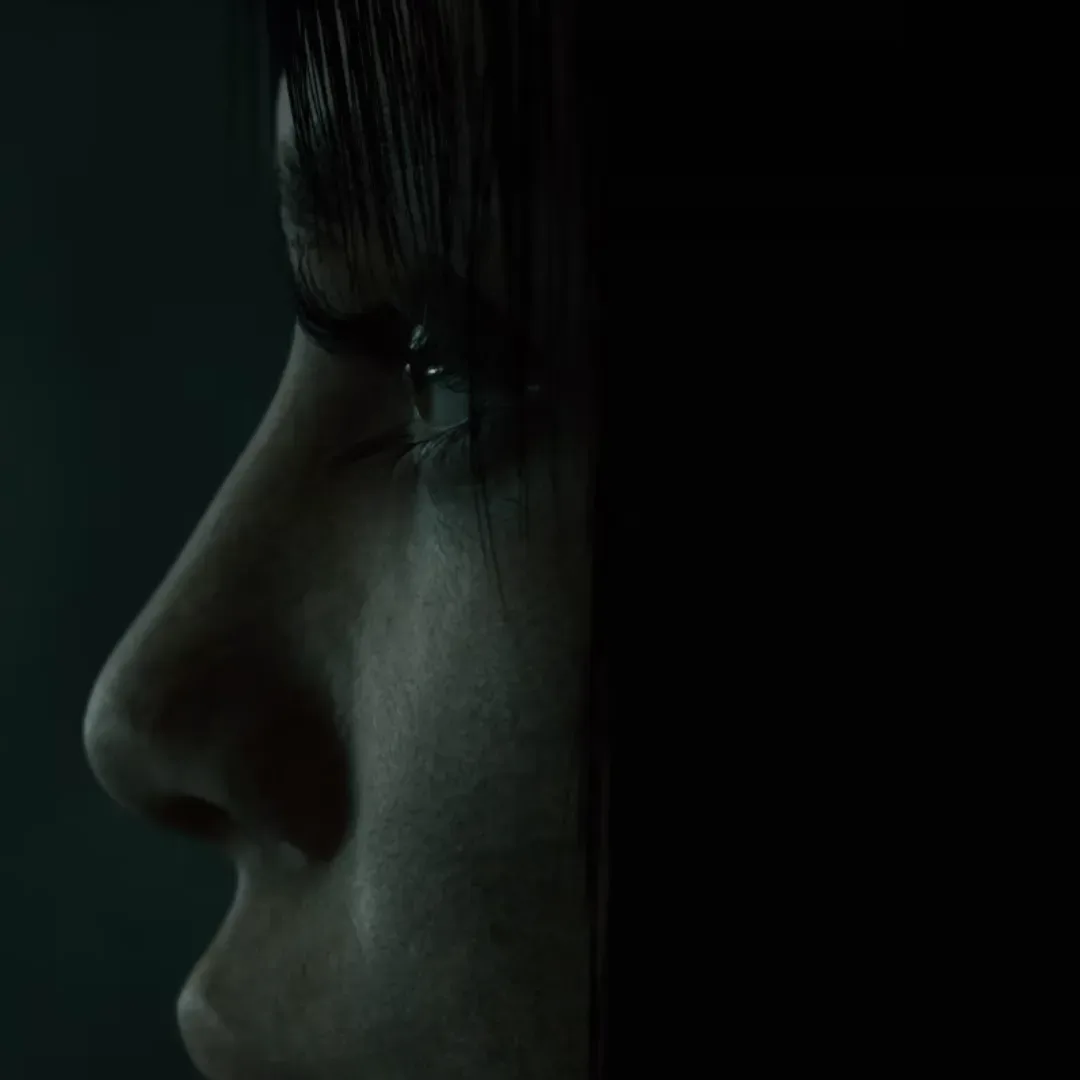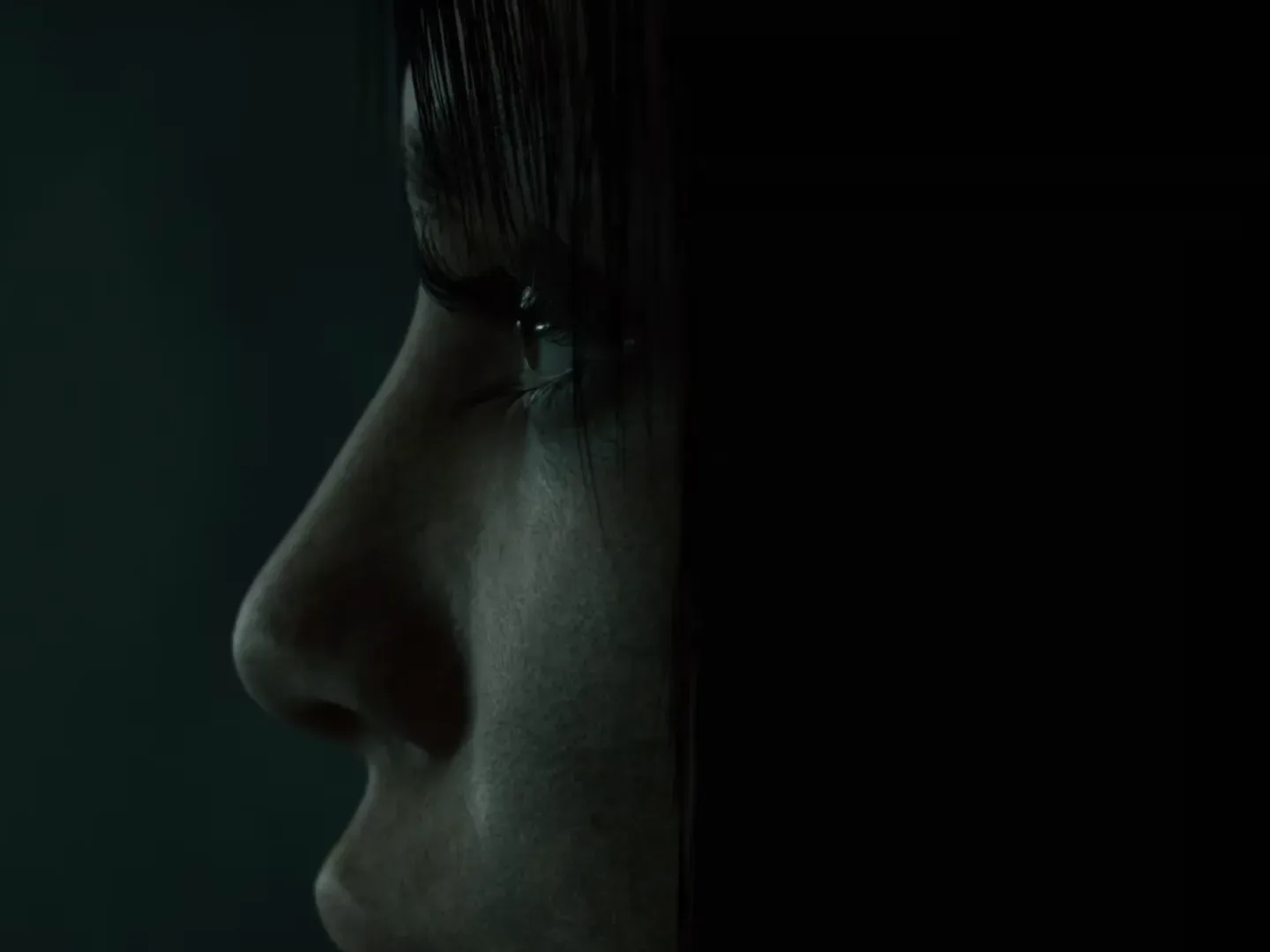
Abandoned is back on the PlayStation Store, again, with a listed 2027 release window. For a game announced in 2021, initially intended for release that year, then delayed indefinitely in 2022, that is just enough activity to restart a familiar cycle of curiosity. It is not, however, enough to establish that Blue Box Game’s PS5 survival-horror shooter is approaching release.
The current listing describes Abandoned in exceptionally broad terms: a survival-horror shooter built around realism. No newly detailed gameplay systems, launch plan, playable demo, or fuller explanation of the project accompanies that wording in the available information. The most concrete change is its renewed store presence and the 2027 window attached to it.
That distinction matters because Abandoned has spent years occupying a rare corner of game discourse: a project people remember vividly, despite there being no released game to evaluate. Its reappearance verifies that the listing is live. It does not independently verify development progress, scope, or a final release schedule.
What has actually changed
Blue Box Game first revealed Abandoned in 2021 as a PS5-exclusive survival-horror shooter. The project was initially planned for that same year. In 2022, the studio delayed it indefinitely, saying work would continue and that it would communicate when it was ready. No finished game has followed, and the planned playable Prologue never arrived.
The PlayStation Store entry has had an unsettled history of appearing, disappearing, and returning. Its latest return is therefore newsworthy, but its meaning should be kept narrow. A storefront page can indicate that a product record is active; it is not the same thing as a demonstrated build, a date-specific launch commitment, or evidence that a previously promised public slice is ready.
The 2027 window is similarly limited. It is more specific than an indefinite delay, yet it remains a window rather than a firm launch date. With a project that has already missed its original 2021 target and later entered an open-ended delay, the responsible reading is that 2027 is a listed intention, not a certainty.
Why a store listing is not a development milestone by itself
Digital storefronts are important parts of publishing, but they are also marketing and cataloguing systems. A page can carry a title, description, platform designation, artwork, or projected release period long before the public has enough material to judge whether a game is near completion. In this case, the terse description gives prospective players little to assess beyond genre and tone.
That does not prove that no work is being done. Nor does it prove the opposite. It simply means the listing cannot answer the questions that matter most: what players will actually do, what the game looks like in motion now, whether its earlier concept remains intact, and when it can realistically be played.
Related coverage includes Abandoned Returns to PlayStation Store With a 2027 Window, but Questions Remain.
For anyone deciding how much attention to give the return, the useful approach is to separate observable facts from inference:
- Observable: Abandoned has returned to the PlayStation Store.
- Observable: the page carries a 2027 release window.
- Observable: the available description still characterizes it only as a realism-focused survival-horror shooter.
- Historical context: it was announced for 2021, delayed indefinitely in 2022, and its playable Prologue did not materialize.
- Not established by the listing alone: a release date, current state of production, final feature set, or whether the game will meet 2027.
The Kojima theory that overtook the game
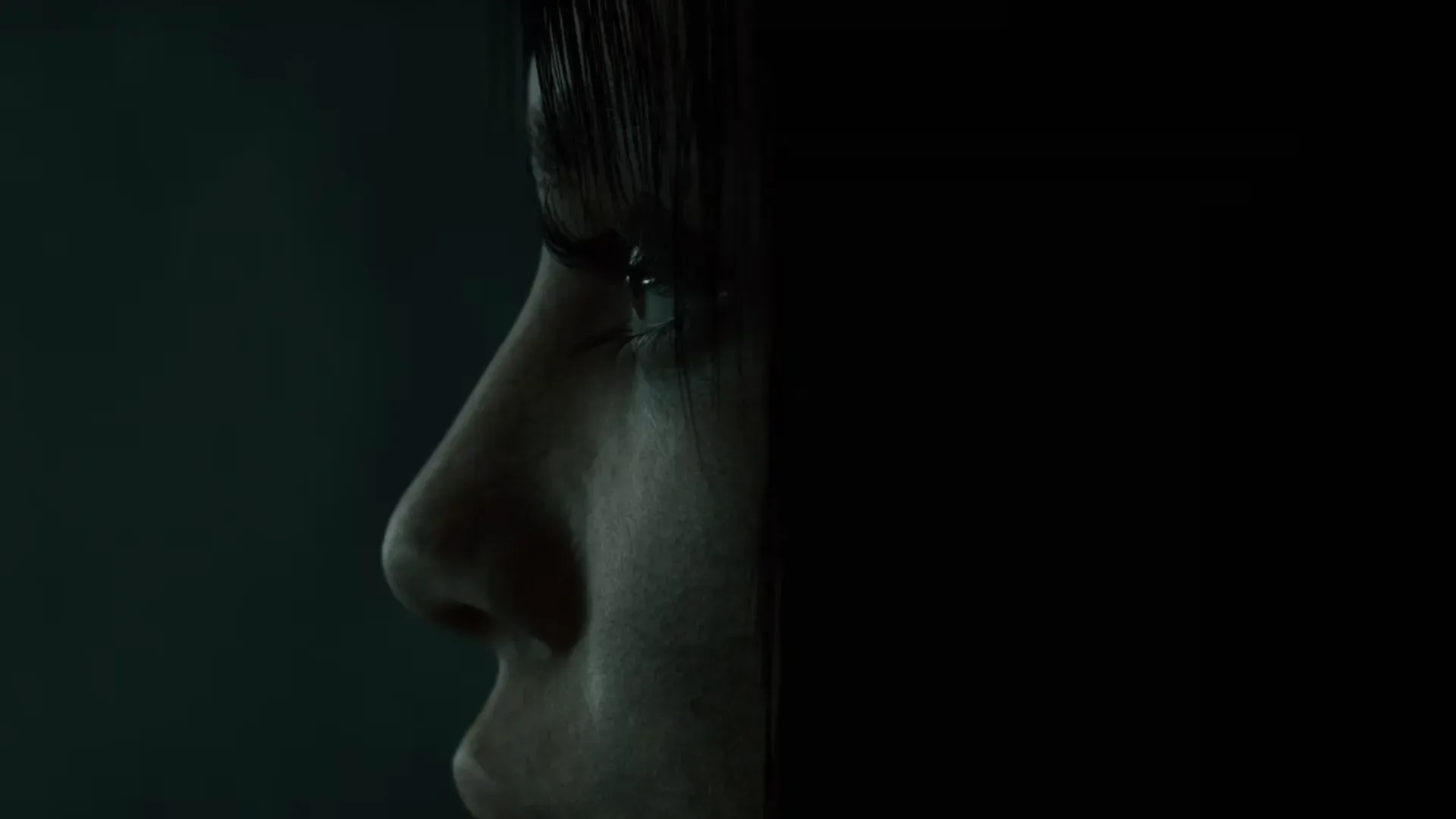
Any update on Abandoned also arrives with the baggage of the theory that defined public conversation around it. In 2021, some observers became convinced Blue Box Game’s project was secretly connected to Hideo Kojima. The announcement teaser’s gray woodland imagery and sparse trees encouraged speculation that it might conceal a Silent Hill-adjacent project shaped by associations with Kojima’s work.
The speculation went well beyond the teaser. Online theorists treated the studio name itself as a clue connected to Death Stranding. The chain of reasoning included the fact that Death Stranding protagonist Sam handles blue boxes, an orange box reference, and orange and blue being complementary colors. Other supposed connections leaned on both Kojima Productions and Blue Box being independent studios.
Those are interpretations built from patterns, not confirmation. Blue Box denied that it was connected to Kojima, and the claimed link never became established fact. The story is a useful reminder of how ambiguity can make a small amount of material feel larger than it is—especially when it overlaps with a fan community’s hopes for an unannounced project.
In the absence of clear information, audiences often turn coincidences into connective tissue. That can be entertaining, but it cannot substitute for an official, concrete explanation of what a game is.
The episode also changed the burden placed on Abandoned. A normal indie horror announcement might be judged on a trailer, a premise, a demo, and eventually the finished game. Abandoned became a referendum on a theory before it had established basic details about its own design. Once the theory was denied and the expected Prologue did not appear, attention shifted from “what could this be?” to “will this release at all?”
Understanding the terms around Abandoned
Much of the debate around the game uses labels that can blur together. It is worth defining them carefully.
Survival horror
Survival horror generally describes horror games in which vulnerability, tension, limited resources, threatening environments, and careful decision-making are central to the experience. The label alone does not tell players whether a game emphasizes combat, stealth, exploration, puzzles, narrative, or any particular perspective. Calling Abandoned a survival-horror shooter establishes a broad genre direction, but it leaves most practical design questions unanswered.
Realism
Realism is a particularly flexible marketing term. It might refer to visuals, weapon behavior, animation, sound, survival systems, tone, or simply a grounded presentation. The phrase on Abandoned’s listing—focus on realism—does not specify which meaning applies. Until there is current, substantive footage or a detailed feature explanation, it should be understood as an aesthetic or design intention rather than a defined mechanic.
Vaporware and scam allegations
Vaporware is an informal term commonly applied to announced software or hardware that remains unavailable for a very long time, often after repeated delays or a disappearance from public view. It describes a perception of non-delivery; it is not a formal finding about intent.
A scam allegation is more serious, because it asserts deception. Some commenters have used both labels for Abandoned after the indefinite delay, the absent Prologue, reduced social-media activity, and the removal of trailers from the studio’s YouTube presence. But the facts available here establish delays and missing promised public material, not a proven legal or factual determination that the project is fraudulent. Keeping that boundary clear is important.
Why the latest update has not restored confidence
Trust in a long-delayed game is rarely rebuilt by a storefront entry alone. It is rebuilt through a sequence of tangible, verifiable steps: current footage that shows the game operating as described, clear communication about what is and is not planned, and eventually a product that reaches players. Abandoned has not supplied those things in the information tied to this new listing.
The absent Prologue remains particularly relevant because it was supposed to turn an abstract promise into something players could directly assess. A playable prologue is not merely an advertisement. It can demonstrate performance, controls, pacing, visual quality, and whether a project’s advertised concept has a real foundation. When it never appears, the audience is left with fewer grounds for confidence.
Blue Box’s reduced public footprint adds to that uncertainty. The studio stopped using social media, and its YouTube page no longer displays Abandoned’s existing trailers. Neither detail explains the project’s status on its own. Together with the long silence and missed material, though, they make it harder for the returning store page to function as a clean reset.
This is why a 2027 window is best viewed as a small signal rather than a comeback story. It may indicate continued intent. It does not erase the history that made people wary, and it does not answer the questions generated by that history.
What players can reasonably watch for next
For people interested in Abandoned without wanting to relive every old theory, a few types of update would carry more weight than another vague date range.
- New, clearly attributable gameplay: Current footage can show whether there is an identifiable game behind the genre description.
- A detailed explanation of the project: Information about its premise and systems would give “realism-focused survival-horror shooter” a usable meaning.
- A firm release plan: A specific date is not infallible, but it is more accountable than a distant year window.
- Delivery of playable material: A demo, Prologue, or released game provides a much stronger basis for assessment than store metadata.
Until then, the rational position is neither to declare Abandoned finished nor to pretend its return resolves the doubts surrounding it. The listing tells us that the title remains present in PlayStation’s catalog with a 2027 target. That is real information. It is also only a beginning.
The gaming industry is full of projects that change shape, schedules, and visibility over time. For another example of how updates can focus on a game’s concrete systems rather than speculation, see the reported changes to skills, quest tracking, and accessibility in The Witcher 3 Remaster. Abandoned, by contrast, still needs the basics: a clearer account of what it is and evidence that players can expect to see it through.
Five years after its announcement, the most defensible conclusion is modest. Abandoned has not vanished from the PlayStation Store, and it now has a 2027 window. Whether it becomes an actual released PS5 game—and whether it resembles the project people first imagined—remains unanswered.