World of Warcraft: Forever is being positioned as a new lane for Azeroth rather than a replacement for either Retail or Classic. Its central pitch is straightforward: preserve the pull of early World of Warcraft—the familiar zones, faction identity, slower sense of place and player interdependence—while importing selected conveniences that reduce old frustrations.
That is a difficult balance to strike. “Classic” can mean very different things to different players: a specific set of systems, an older pace, a community atmosphere, or simply the comfort of revisiting places they remember. Forever’s reported approach appears to be less about freezing the game in one historic form and more about making an alternate version of its foundational experience. It is scheduled to launch on November 4, with a new playable race, expanded class options, more quests, revised visuals and a streamlined approach to choosing where to play.
The appeal is not merely nostalgia. The proposed changes address several long-running MMO friction points: leveling routes that can feel uneven, professions that may seem secondary to combat progression, server selection that splits friend groups, and a tendency for modern online RPG players to advance without much need to interact. Whether Forever ultimately succeeds will depend on how those systems work together after a broader population arrives, but the outline suggests a version of WoW designed around staying power.
A third route through World of Warcraft
World of Warcraft players already navigate a fragmented set of choices. Retail is the current main version, while Classic caters to players seeking older designs and a less cluttered presentation. Classic itself includes multiple variants, including a level-60 version, an Anniversary format that opens expansions in sequence, and Hardcore, where death is permanent.
Forever would join that collection rather than erase it. One subscription is described as covering these modes, making the distinction more about what kind of WoW a player wants on a given evening than about choosing a single permanent home. That is meaningful because it acknowledges a simple reality: players do not all want the same thing from the same world. Some want current systems and convenience, some want the old level cap, and some want the tension of permanent consequences.
Forever’s niche is the middle ground. It leans on recognizable early-era locations and faction choices, but it is also introducing material and refinements that were not part of that original experience. The result could appeal to returning players who want a familiar starting point without accepting every inconvenience associated with an older MMO design. It could also give existing Classic players a fresh progression path without requiring them to abandon the style of game they prefer.
Familiar starting points, plus a new one
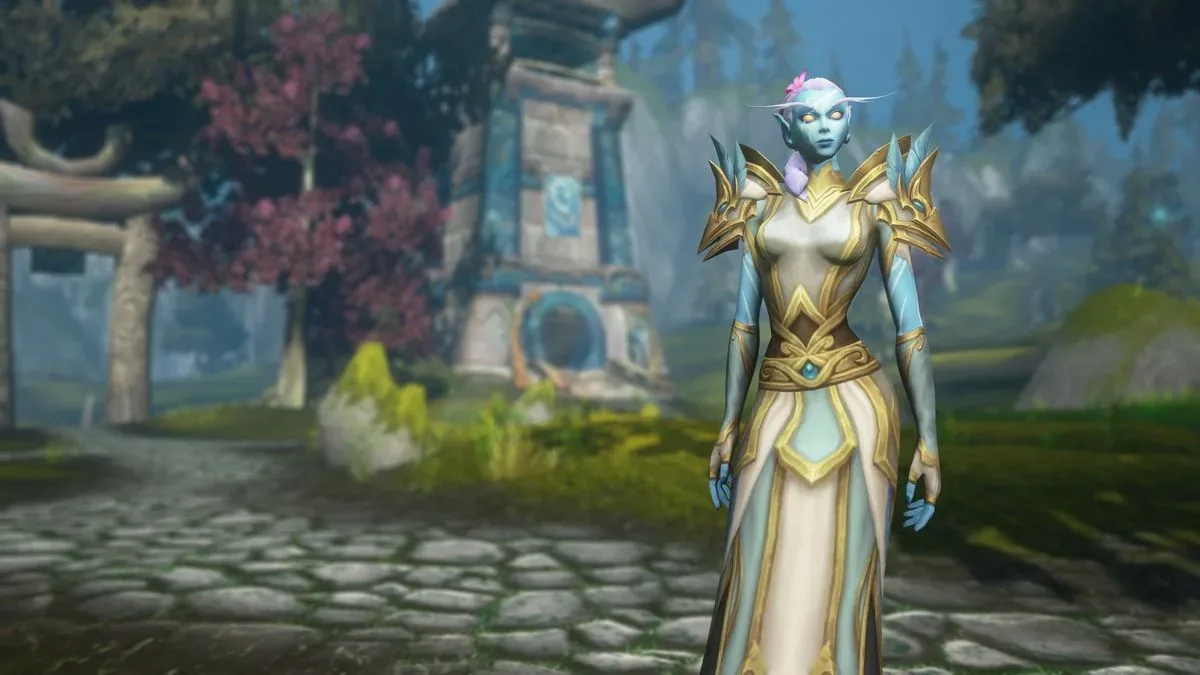
The value of revisiting Azeroth often lies in the small rituals: choosing a race, beginning in a recognizable zone, and relearning the route from early quests to later regions. Forever retains room for that kind of return. Night Elf players, for example, can still start with the familiar pull of Teldrassil.
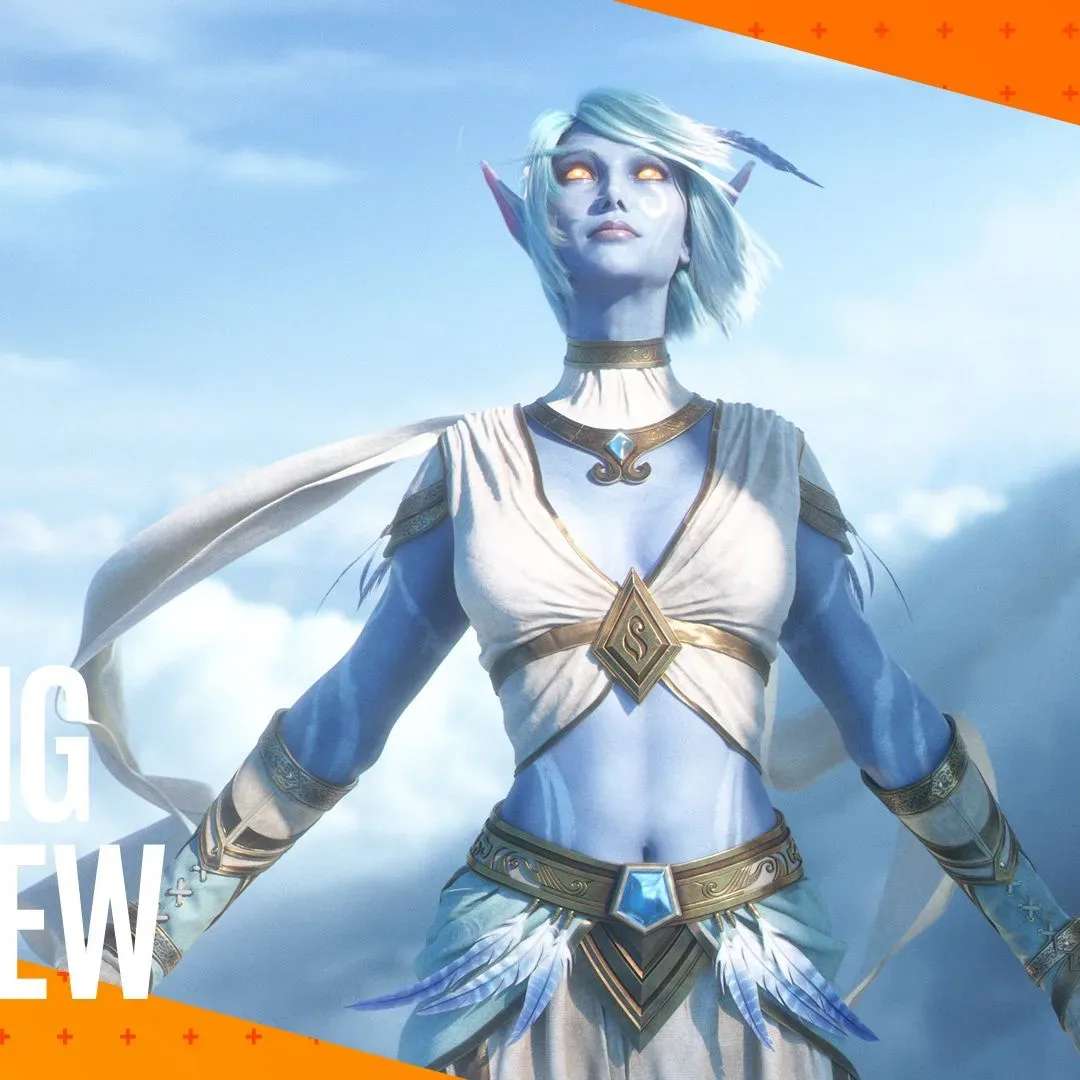
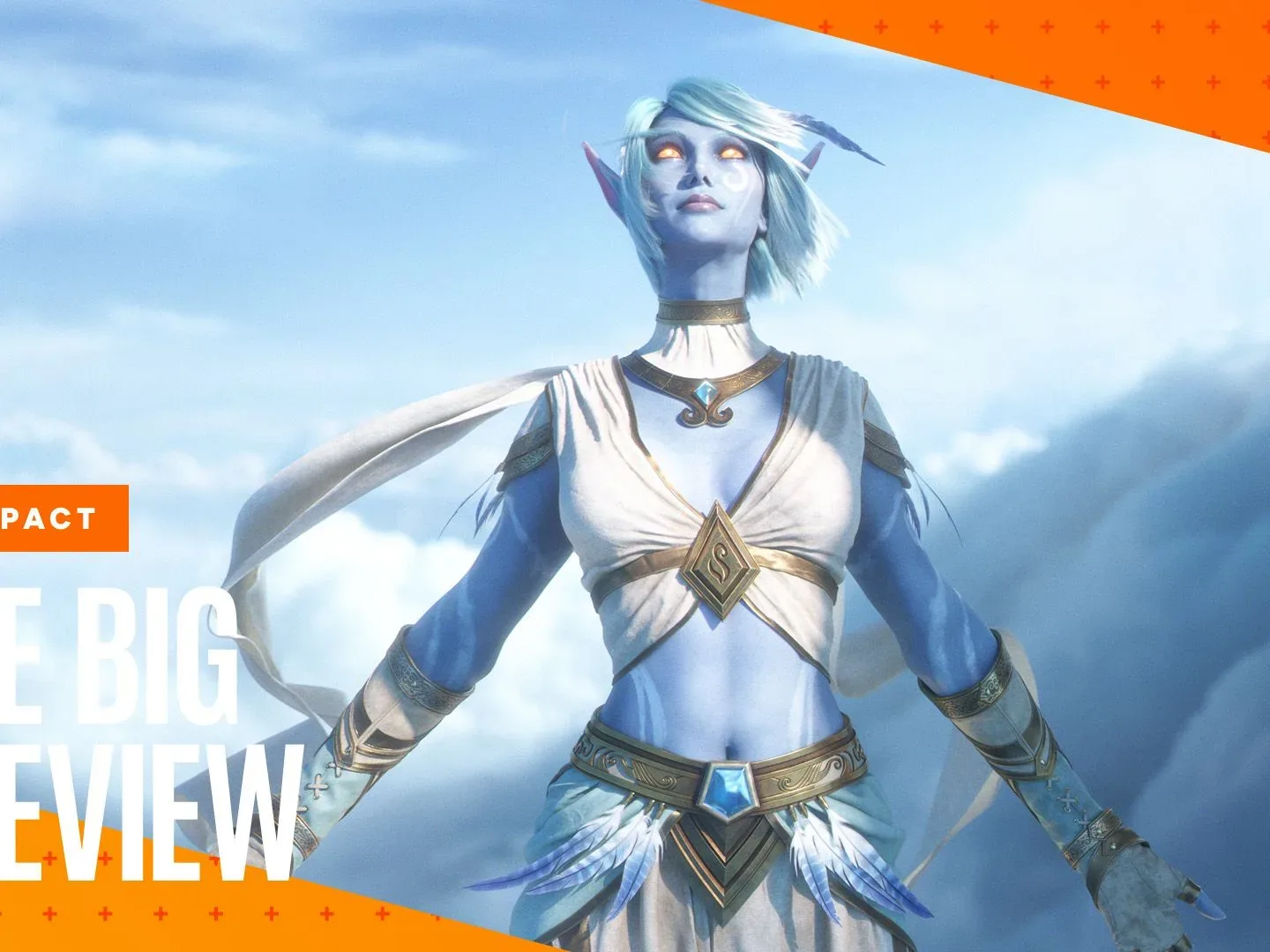
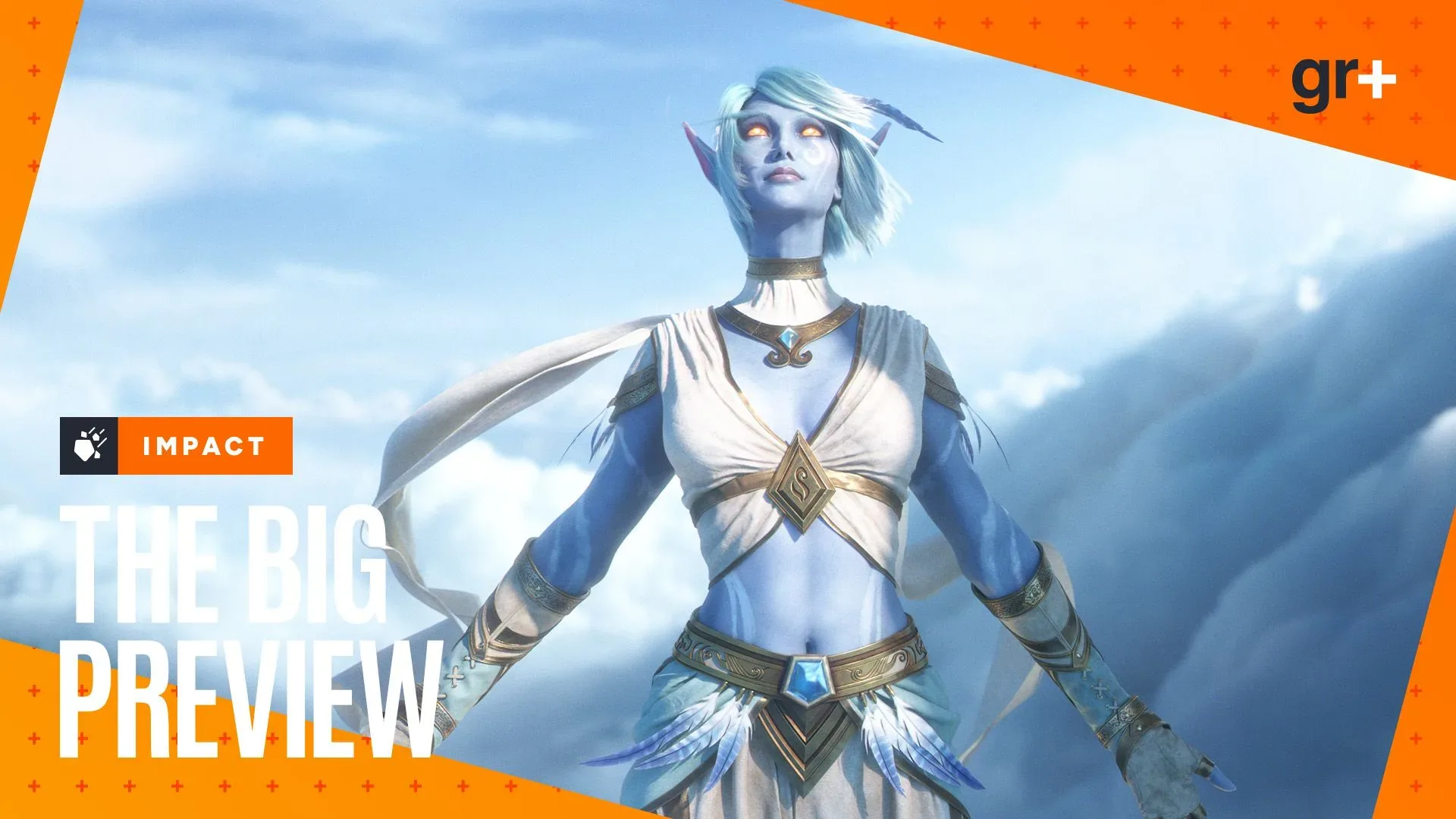
At the same time, Forever adds the Skyborne elves, along with their own large starting zone, Zephras Isle. A new race and opening area give the mode a route for players who do not want their return to begin with repetition. That distinction is important. A nostalgic game mode can attract players initially, but it needs new reasons to make another character or see an alternate side of the world.
Related coverage includes World of Warcraft: Forever Blends Classic Nostalgia With Modern MMO Conveniences.
Zephras Isle also appears to be one of the places that benefits most from Forever’s visual work. Improvements are described for lighting, fog and water, while shadows are said to track the day-and-night cycle more convincingly. These are not necessarily a wholesale graphical reinvention, and expectations should remain measured. Still, atmosphere matters enormously in an MMO built around revisiting outdoor zones. Better visibility, water and environmental lighting can change the texture of ordinary travel and make a well-known world feel newly inviting.
More than 1,000 quests could smooth the leveling journey
Forever is set to include more than 1,000 new quests. The number is substantial, but the more consequential question is what the quests are meant to do. The newly added content is described as helping bridge gaps in player knowledge and progression: directing people toward trade skills, pointing them to the next appropriate zone, or awarding gear that can materially help during leveling.
That is a practical use of quest design. In a role-playing game, a quest is not only a story prompt or an objective marker. It can be a teaching tool, a wayfinding system and an economy tutorial. When quest chains clearly point players toward professions or the next region, they can reduce reliance on external guides while making the world’s systems feel connected instead of optional.
The word leveling refers to the process of gaining levels and becoming more powerful through quests, combat and other activities. A smoother leveling curve does not have to mean a faster or easier one. It can simply mean that players encounter fewer moments where their gear, destination or next useful activity is unclear. If Forever’s new quests genuinely fill those gaps, the game may feel more complete without losing the exploratory qualities associated with older WoW.
Professions may matter more through campfires and crafted equipment
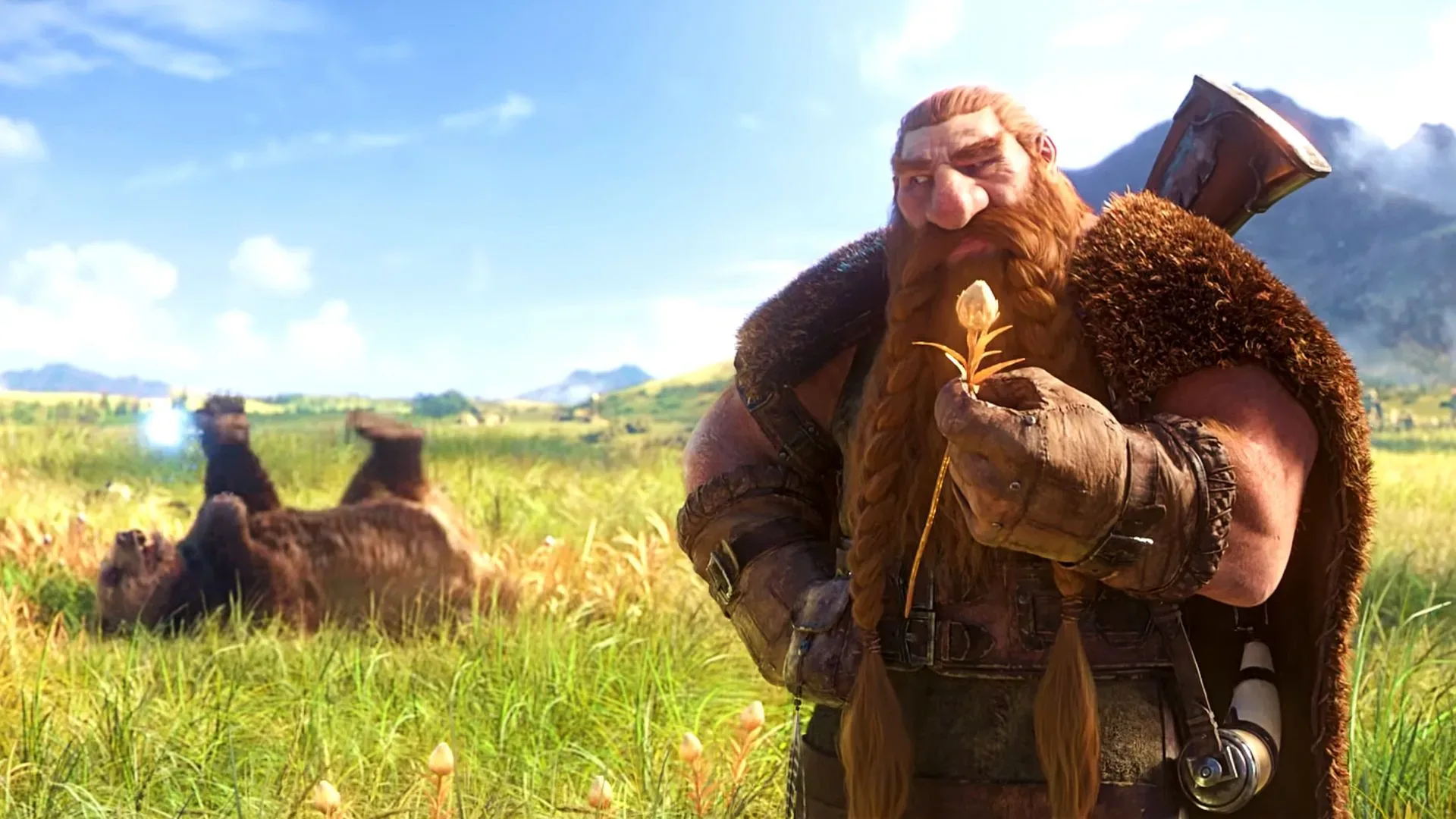
Crafting is another area targeted for expansion. Forever is said to feature many new craftable items, with an effort to make professions feel more relevant to ordinary character progression. Professions—also called trade skills—are systems that let characters gather resources or turn materials into equipment and consumables.
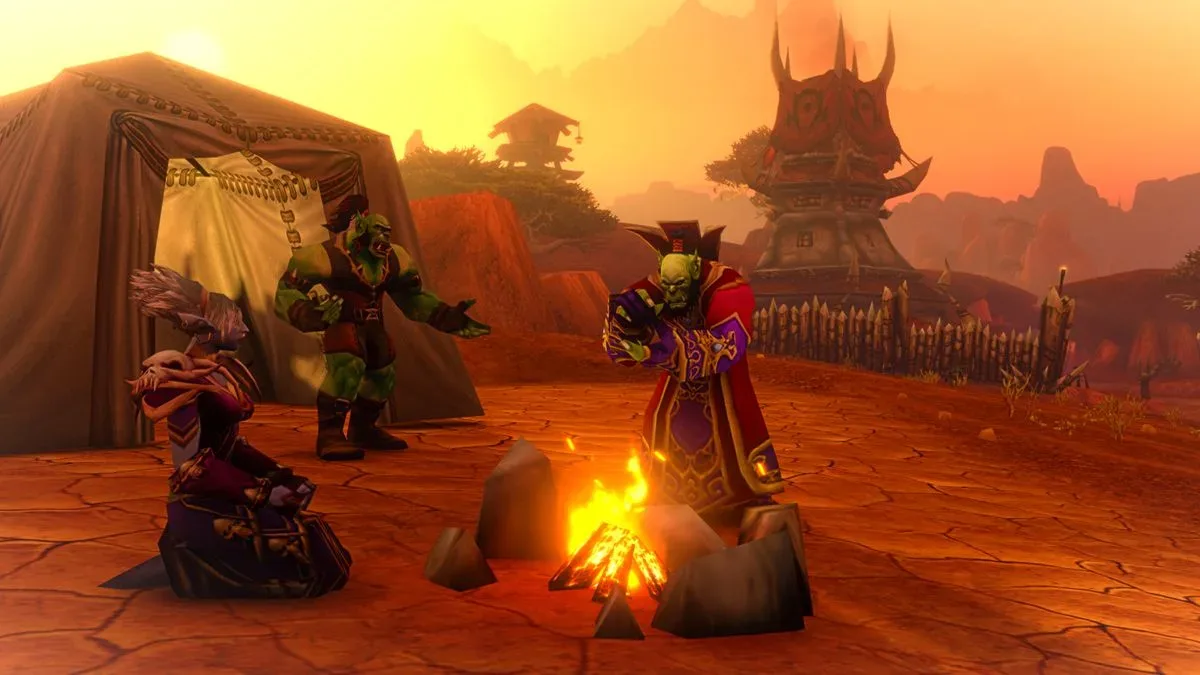
One especially social example is the ability to place campfires that grant shared buffs to people who join them. A buff is a temporary beneficial effect, often increasing combat-related statistics or otherwise improving a character’s performance. In this case, the campfire is more than an individual power-up: it is a small invitation to stop, gather and share a benefit.
It is a modest mechanic with potentially useful implications. MMORPGs frequently succeed or fail socially in the mundane spaces between major encounters. A campfire gives passersby an immediate reason to acknowledge one another without demanding that they commit to a dungeon group or a lengthy conversation. It also ties a crafted object to a communal outcome, which could make crafters feel like active contributors to the travel and leveling experience rather than players operating in a separate economic silo.
Of course, the social result cannot be guaranteed by an item alone. Players may use campfires strategically, casually, or barely at all. But it is notable that Forever’s systems appear to reward a brief shared pause instead of treating time spent near other players as wasted efficiency.
Race and class freedom expands character concepts
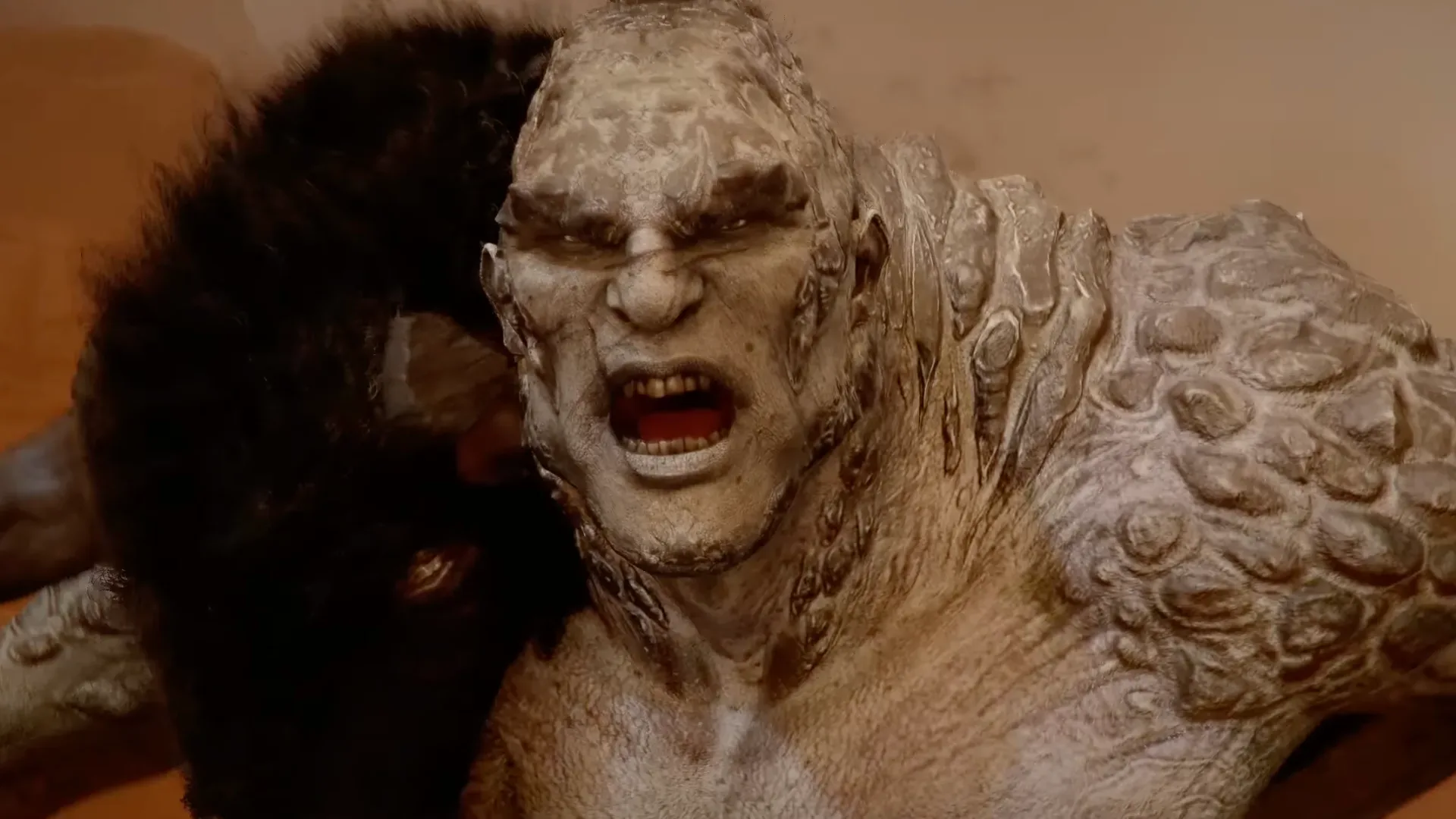
The Skyborne are not the only character-creation change. Forever is also expanding race-and-class combinations. The announced examples include Undead Paladins, Orc Mages, Human Hunters, Gnome Priests and Dwarf Shamans.
A class determines a character’s combat role and ability set, while race historically has helped define a character’s visual identity, faction connection and available class choices. Expanding these combinations has a direct practical benefit: players can pursue a preferred gameplay style without being constrained as tightly by the fantasy archetype they want to inhabit.
The Undead Paladin is perhaps the clearest illustration of Forever’s broader philosophy. It is a deliberately unusual pairing, and that novelty has value even for players who know WoW’s classes inside out. New combinations create reasons to replay early content, try a different faction-side identity, and build a character around an idea that was previously unavailable.
Importantly, the fundamental Alliance-versus-Horde choice remains. Forever may broaden how players express themselves within those factions, but it is not discarding one of the setting’s defining structures.
Server selection is being reduced to the decision that matters
For many MMO players, the first obstacle is not a monster or a quest—it is finding the same place as friends. Forever reportedly removes the usual list of realms and instead asks players to select a ruleset. The options at launch are Normal, PvP and RP, with Hardcore planned for later.
In MMO terms, a realm is a separate game server or population space. The traditional model can create an avoidable social problem: friends who choose different realms may be separated despite wanting the same overall game experience. Selecting a ruleset instead of a named realm is a much clearer expression of player intent.
- Normal offers the standard experience.
- PvP is for players seeking player-versus-player conflict.
- RP is intended for roleplayers, who create and act out characters within the setting.
- Hardcore, due later, uses permadeath: a character’s death is permanent.
This change does not remove every decision involved in starting a character, but it could make the most important one easier to explain to a friend: choose the same ruleset, then choose Alliance or Horde. For a game that wants people interacting more naturally, lowering that initial organizational burden is a sensible move.
The social goal is bigger than any one feature
The most revealing part of Forever’s design is its apparent emphasis on ordinary player contact. The game can still be played solo, so this is not a return to making every task depend on finding a group. Rather, Forever seems to be looking for a middle position: solo progress remains viable, but systems such as shared campfire buffs, more coherent quest guidance and a less fragmented server choice give players more chances to cross paths and cooperate.
That distinction matters. A social MMO does not necessarily require constant mandatory grouping. It requires moments where another player feels like part of the world rather than background scenery. The practical challenge for Forever will be fostering those moments without turning leveling into a barrier for players with limited time or a preference for independence.
Its stated ingredients are promising: recognizable places for veterans, a new starting route for the curious, a considerable batch of quests, broader character options, more visually atmospheric zones, and ruleset-based server selection. None of those elements alone can guarantee a thriving long-term community. Together, though, they describe a game mode trying to make Azeroth feel inhabited again.
For players watching the wider fantasy-RPG space, it is also worth keeping an eye on how other games structure ongoing campaigns and exploration. Crimson Desert’s approach to campaign progression and new regions highlights a different way an open-world RPG can organize access to its content.
World of Warcraft: Forever will ultimately be judged less by the size of its feature list than by whether its old and new pieces support one another. If its quests improve the journey, crafting creates genuine value, rulesets bring friends together, and social incentives remain welcome rather than obligatory, it could become a compelling home for players who want Classic’s identity with fewer of its roughest edges.