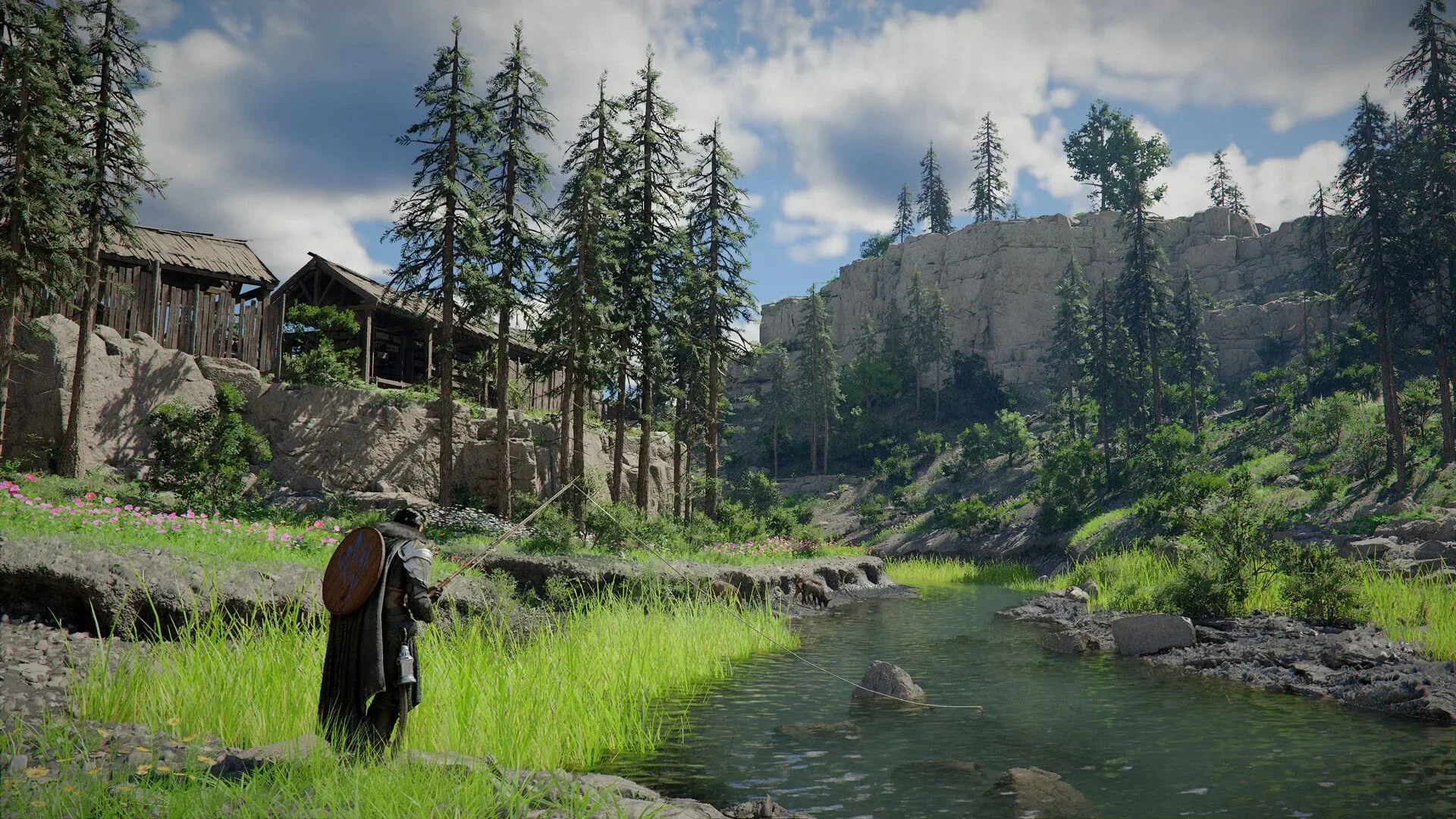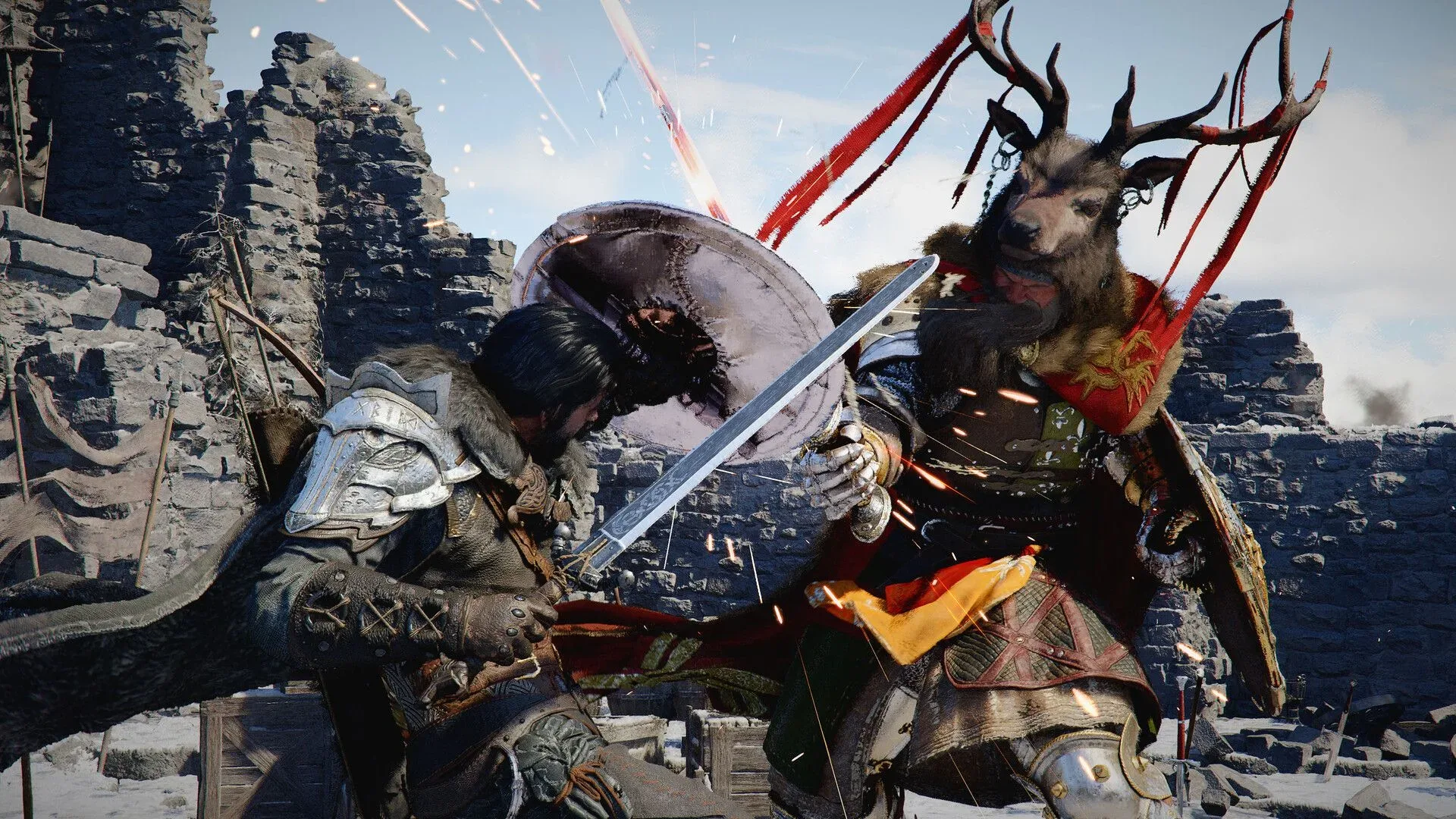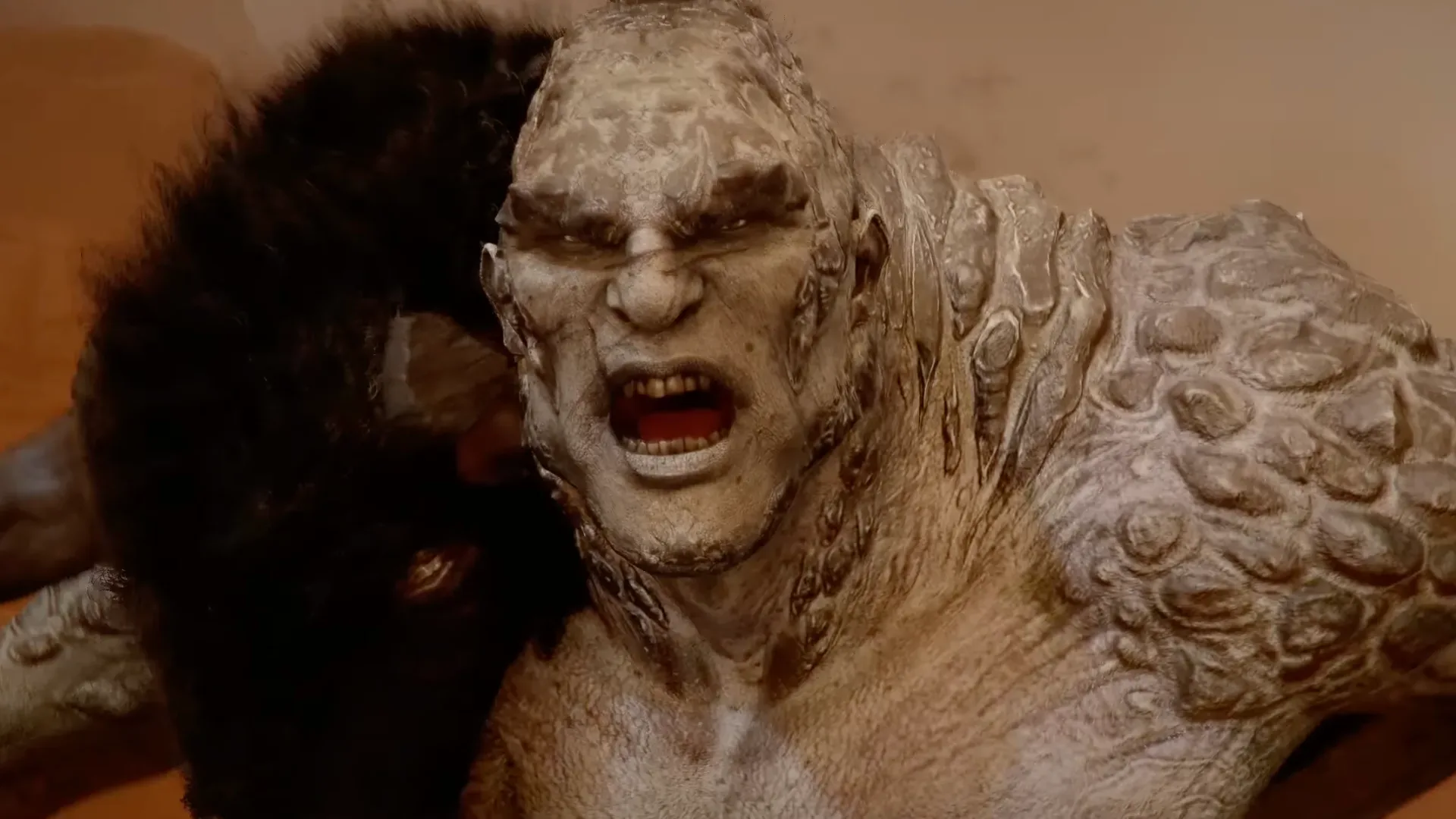
Crimson Desert: Charting the Unknown will split its access requirements in a way that should matter to both story-first players and inveterate map wanderers. The DLC’s new narrative material sits after the base game’s main story, meaning players must finish that campaign before beginning those quests. Its new open-world regions, however, will not require completion of the entire game. Players will instead need to have established Greymane camp in Chapter 3 to reach that portion of the expansion.
That distinction was outlined by Pearl Abyss PR and marketing director Will Powers during an appearance on Dropped Frames. It is an important clarification because “DLC access” can mean several very different things in a large open-world game. Here, the story itself is gated by campaign completion, while the geography is available much earlier, provided the Chapter 3 camp requirement has been met.
For anyone trying to avoid spoilers, the structure is sensible on its face. The expansion’s narrative is described as taking place after the main game, so allowing it to begin early could expose players to outcomes that the campaign is intended to reveal on its own terms. At the same time, withholding every new landscape until the credits roll would make the expansion’s exploration component inaccessible to players who are still working through the original adventure.
The story is positioned as an epilogue
Charting the Unknown will focus on Damiane, Oongka, and Kliff. Powers characterized it as effectively an epilogue for all three, with the DLC examining what each character is doing after the conclusion of the main plot.
The trio will not be traveling together in this post-game material. Instead, their storylines are separate strands set across the world. That framing suggests an expansion built around follow-up rather than a simple continuation in which the existing party moves immediately into a single new crisis. It also gives the DLC a clear role: revisiting characters whose motivations and histories were not explored as fully during the base game.
“Epilogue” is worth taking literally here. In narrative terms, an epilogue is material that follows a story’s central resolution and deals with aftermath, consequence, or the characters’ next direction. It is not necessarily a second ending, and the details of Charting the Unknown’s individual arcs have not been laid out. But the term does establish why a main-story completion requirement applies to its quests. These events are meant to be experienced with knowledge of how the original story concludes.
For players planning their route through Crimson Desert, that creates two parallel paths:
- Finish the main story to access Charting the Unknown’s narrative content for Damiane, Oongka, and Kliff.
- Establish Greymane camp in Chapter 3 to explore the DLC’s new open-world areas, even without finishing the campaign.
What has not been specified is exactly which activities, discoveries, or other content may be found in those regions before the post-game story is available. The confirmed point is narrower but still useful: exploration of the added areas is not wholly reserved for players who have completed the base game.
New regions are separate from the story gate
Open-world access and quest access are often bundled together, but Charting the Unknown appears to treat them as separate permissions. The new regions are places players can enter after meeting the Chapter 3 condition; the post-campaign stories are a different layer that remains locked until the main narrative is complete.
That means players who enjoy free exploration, rather than treating the campaign as a race to post-game content, should not have to wait for the ending before seeing the expansion’s environments. The requirement is still meaningful—Greymane camp must first be established—but it is a much lower stated threshold than completing the whole story.
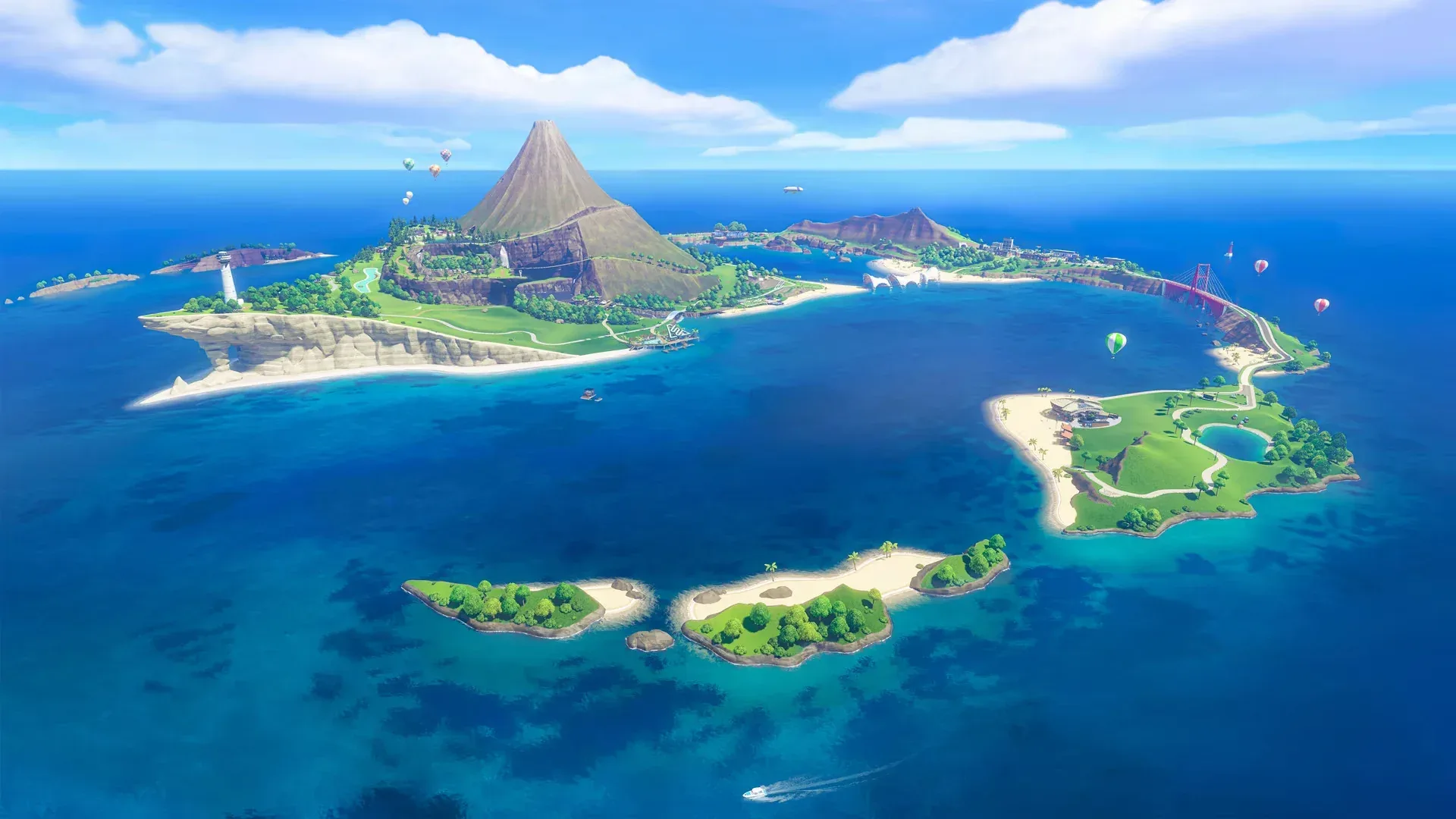
The DLC will include underwater exploration, and Powers teased things and areas players can encounter there. No exhaustive account of those underwater elements has been provided, so it would be premature to treat them as a fully detailed feature list. Still, their presence reinforces that the added geography is intended to be more than a backdrop for epilogue missions.
Exploration has long been one of the most flexible parts of open-world design: some players want a direct objective, while others want to turn toward whatever looks intriguing over the next ridge—or below the next surface. That tension is central to the appeal of games that give the world room to be discovered, a topic also explored in our look at making an island worth exploring again. Charting the Unknown’s access model appears designed to preserve that freedom without detaching its most spoiler-sensitive character material from the ending it follows.
Romance is being added with character changes in mind
Romance options are another major addition in Charting the Unknown. Powers said the team wanted to introduce them in a meaningful manner and had been deliberate about implementation. The stated reason is that the depiction of Damiane, Oongka, and Kliff has changed substantially from launch through the present, including how they could be used in side missions.
That is a notable qualification. The DLC is not presenting romance as an isolated checkbox detached from the existing cast. The team is connecting it to its evolving portrayal of those characters and to their place in side content. The available information does not establish the mechanics of these options: there is no confirmed outline of eligibility, branching choices, relationship thresholds, outcomes, or whether every central character is romanceable. Players should therefore read the confirmation as a broad feature commitment rather than a complete guide to how relationships will function.
There is also a storytelling reason the romance material fits the expansion’s announced structure. An epilogue is naturally positioned to explore where people stand after major events, particularly when characters have been separated and are pursuing individual paths. That does not confirm any particular romance plot, but it helps explain why a post-main-story expansion is a fitting place to add relationship options.
The writing team has a direct link to the Enhanced Edition overhaul
Powers also said Charting the Unknown’s storyline was written by the team behind the Crimson Desert: Enhanced Edition update, which overhauled the game’s story. This provides a direct production connection between the revised version of the main narrative and the new post-game material.
An overhaul is more consequential than a routine patch because it indicates substantial changes to an existing component—in this case, the storyline. With the DLC explicitly occurring after that story, using the same writing team may help maintain continuity in how the expansion handles its characters and their motivations. That is analysis of the announced staffing connection, not a claim that the new material will resolve every narrative question or satisfy every player’s preferred direction for the cast.
It does, however, clarify the intended relationship between the projects. Charting the Unknown is not being described as a disconnected side excursion. Its story follows the base campaign, revisits characters whose backstories were comparatively underexplored, and comes from writers who worked on the story overhaul that preceded it.
What players can safely plan around
The most practical takeaway is that players do not need to choose between progressing the campaign and sampling the expansion’s world. Once Greymane camp has been established in Chapter 3, the added regions can be explored. Those who want the full character-story component will need to complete the main game first.
That should be especially useful for different play styles. Completion-minded players can continue to investigate the world without being forced to postpone all DLC terrain until after the campaign. Players who want the character material in the intended narrative order have an unambiguous prerequisite. And players concerned about accidental exposure to post-game developments have a clear reason to keep the epilogue quests locked until the base story is done.
Several details remain unconfirmed in the information currently available, including the precise scope of underwater activities, the mechanics of romance, and the full makeup of each character’s storyline. But the high-level design is now clear: Charting the Unknown combines an earlier-accessible exploration layer with story content deliberately reserved for the aftermath of Crimson Desert’s main campaign.