World of Warcraft: Forever is built around an unusually difficult balancing act: return to the rhythms that made early Azeroth memorable without simply preserving every rough edge that time has made harder to excuse. Released for PC on November 4, 2026, the new version keeps the leveling journey central, caps characters permanently at level 60, and adds a substantial set of modern conveniences intended to make that journey less hostile to new and returning players.
The result is not positioned as a replacement for every version of World of Warcraft. It is a distinct lane between contemporary retail WoW and World of Warcraft Classic. The broad verdict is strongly positive: Forever reportedly retains the slow, communal character of the older game while improving navigation, onboarding, accessibility and the likelihood that players can actually find one another. It does not entirely discard the grind, however, and some old frustrations remain very much alive.
What makes Forever different from retail and Classic?
The simplest way to understand Forever is through its progression model. Vertical progression usually means raising a character’s level cap and replacing older gear with stronger equipment as each new tier arrives. Forever instead uses horizontal progression: the level ceiling stays at 60, while advancement comes through activities, equipment, professions, raids, dungeons and other choices within that fixed range.
That is a meaningful philosophical break from both a rapidly advancing live-service model and the ongoing expansion sequence used by Classic. Retail is described as extremely fast, with knowledgeable players able to move from level 1 to the current level-80 cap in around 10 hours. Classic, by contrast, follows a more linear and much slower route, with a reported 200 hours or more needed to reach its level-70 cap. Forever’s level-60 endpoint makes the journey, rather than the next cap increase, the organizing principle.
That choice has practical consequences. There are no expansion packs in Forever’s model and no flying mounts. Exploration is mostly done on foot until a player can afford a ground mount. It may sound like a reduction in scope, but the intended effect is to restore a sense of distance and earned progress: zones matter because crossing them takes time, and a mount matters because it changes that relationship to the world.
Forever is also not trying to convert players who fundamentally dislike World of Warcraft’s combat loop or its slower, quest-led structure. Combat remains familiar: characters auto-attack and select spells, buffs and special actions from their action bar. The appeal is in the accumulated improvements around that established foundation, not a reinvention of the MMO’s core controls.
A social world without the server-selection headache
One of Forever’s most consequential changes is its new layering system. In MMO terms, a layer is an instance of the shared world used to distribute population. Rather than forcing players to choose among a long list of conventional servers and risking that friends pick different ones, Forever asks players to choose a broad play preference: Normal, PvP or Roleplay. The game then manages population across layers, moving people when an area becomes crowded enough to harm the experience.
This is a straightforward answer to an old multiplayer problem. A packed launch can generate exciting activity but also clogged quest areas, queues and unplayable performance. Splitting populations too aggressively, on the other hand, can make a supposedly massive world feel empty or separate friends unnecessarily. The reported early experience was not flawless—some players needed to log out and back in to reset their layer on the first day—but the system was said to settle quickly and work smoothly afterward.
Related coverage includes World of Warcraft: Forever Review: A Smartly Modernized Return to Azeroth's Social Roots.
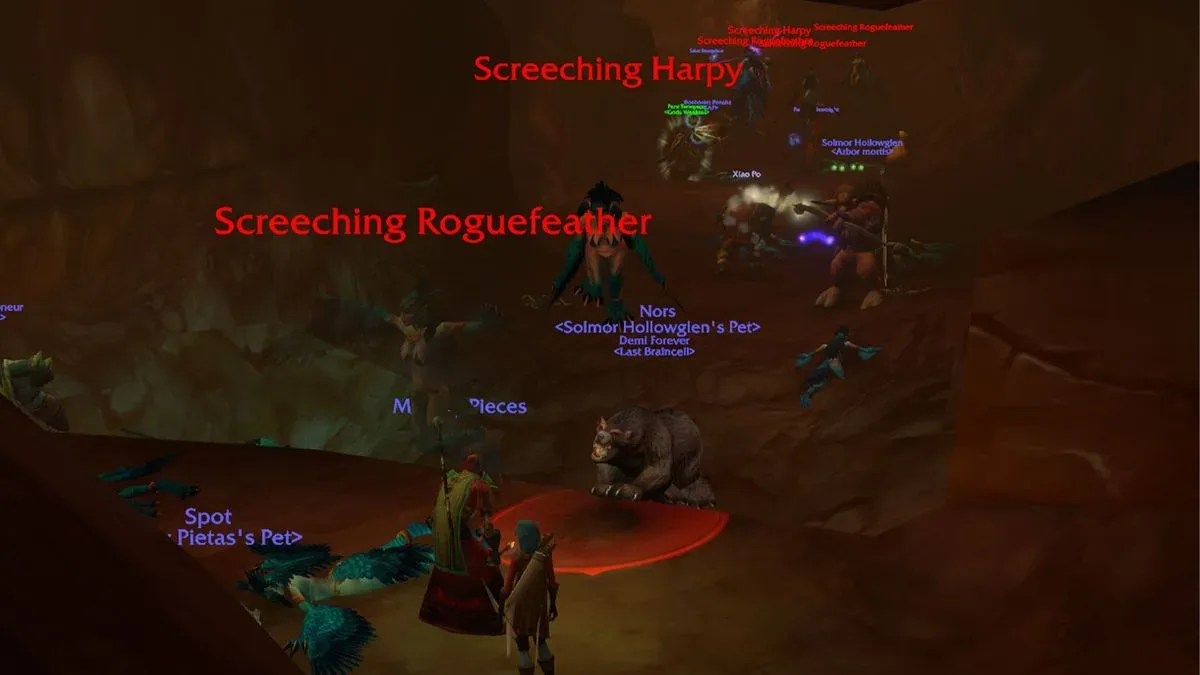
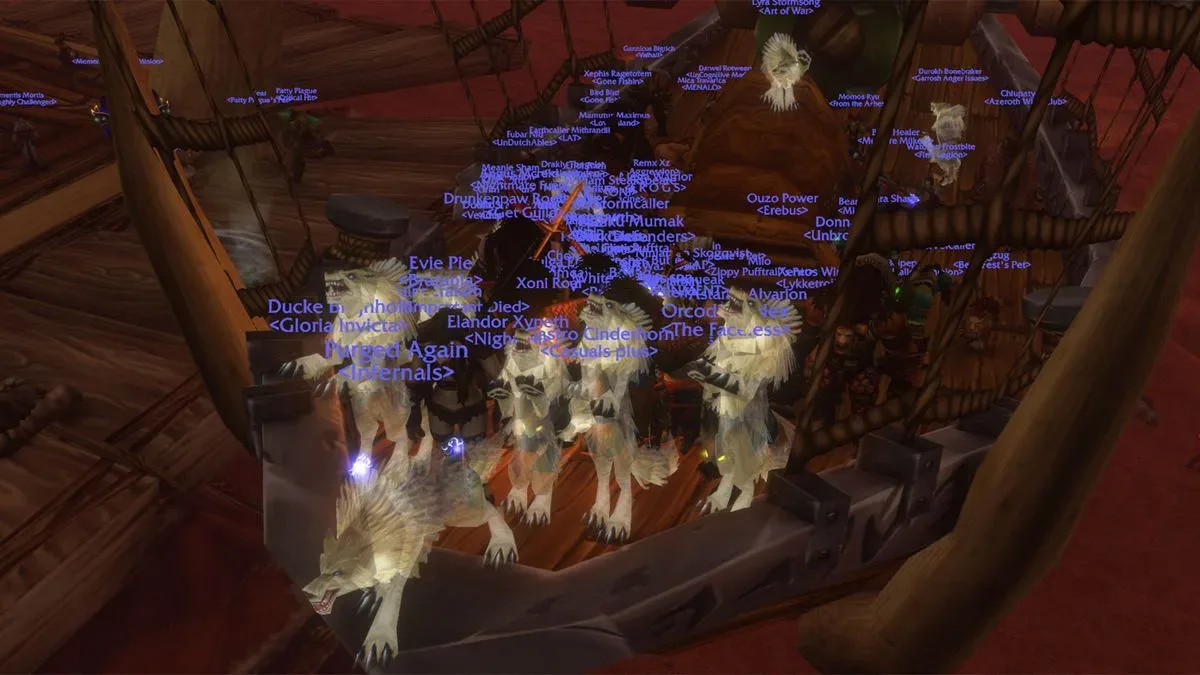
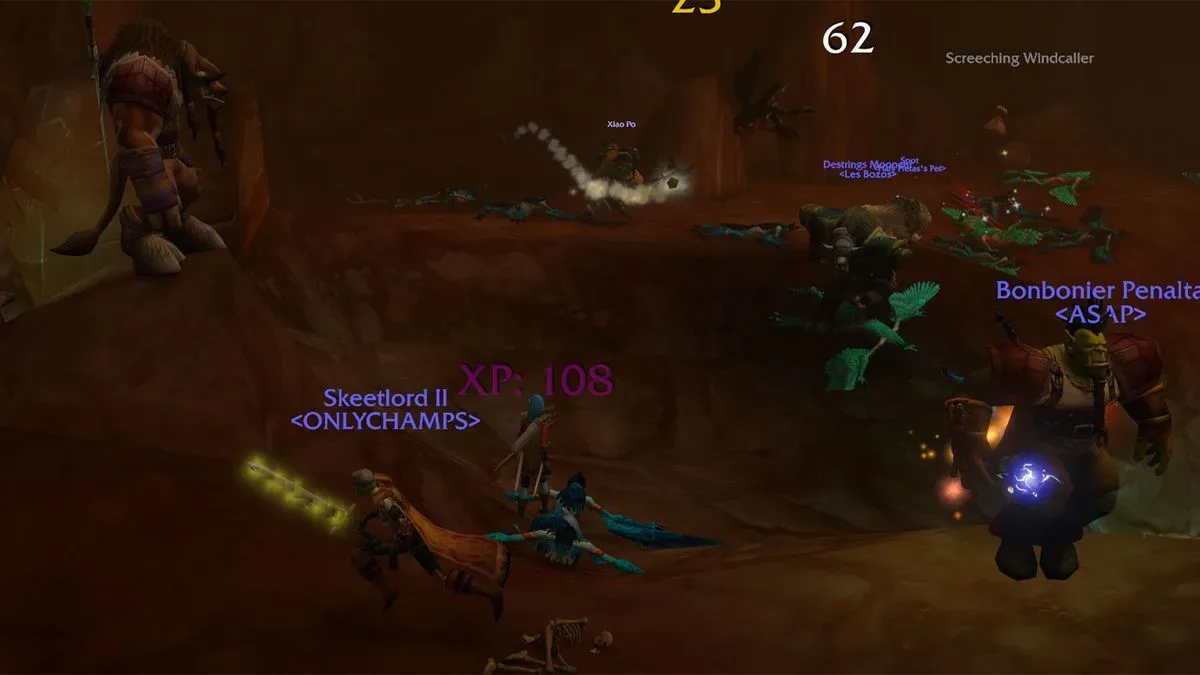
That infrastructure matters because Forever’s strongest quality appears to be its social atmosphere. Players are reportedly forming pickup groups, offering incidental healing and resurrections, communicating through emotes, and generally treating the world as a place to share rather than merely a route to a solo objective. Even small, unscripted scenes—such as groups gathering on a zeppelin—help distinguish a living MMO from a solo game that happens to show other people running past.
The campfire system pushes in the same direction. Players can place campfires and share buffs with nearby adventurers, with an obvious connection to cooking but a broader social use as well. A buff is a temporary beneficial effect, such as improved performance or recovery. In this case, the mechanic gives people a reason to pause, congregate and help one another rather than sprint immediately toward the next objective.
Forever also begins with an introductory tutorial covering movement, attacks and the first death. That may be unremarkable in a modern game, but it is an important inclusion for an experience rooted in a version of WoW that did not provide this kind of onboarding. It reduces the initial knowledge barrier without changing the slower pace of the wider world.
Skyborne bring the biggest dose of newness
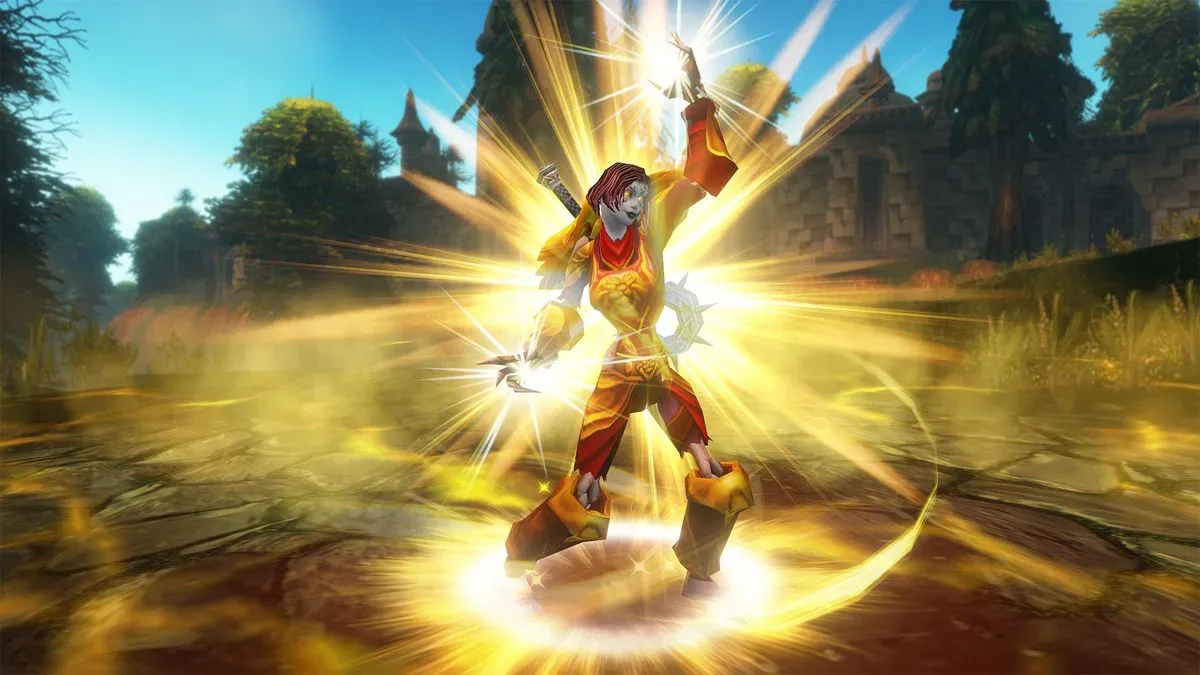
The headline new playable addition is the Skyborne, an elf race available to both Alliance and Horde characters. Each faction can use the race as a Druid, Hunter, Rogue or Warrior. Horde Skyborne can also become Mages, while Alliance Skyborne can become Shamans.
More important than their look alone, the Skyborne have racial abilities that appear useful during ordinary play rather than being easy-to-forget novelties. Walk on Air lets a character glide for 10 seconds. Horde characters receive Skysight, which increases run speed by 10%, and Alliance characters can activate a ley line for a temporary 100% increase to health and mana regeneration. Mana is the resource typically spent to cast spells, so accelerated regeneration can be particularly valuable between encounters or during longer stretches of adventuring.
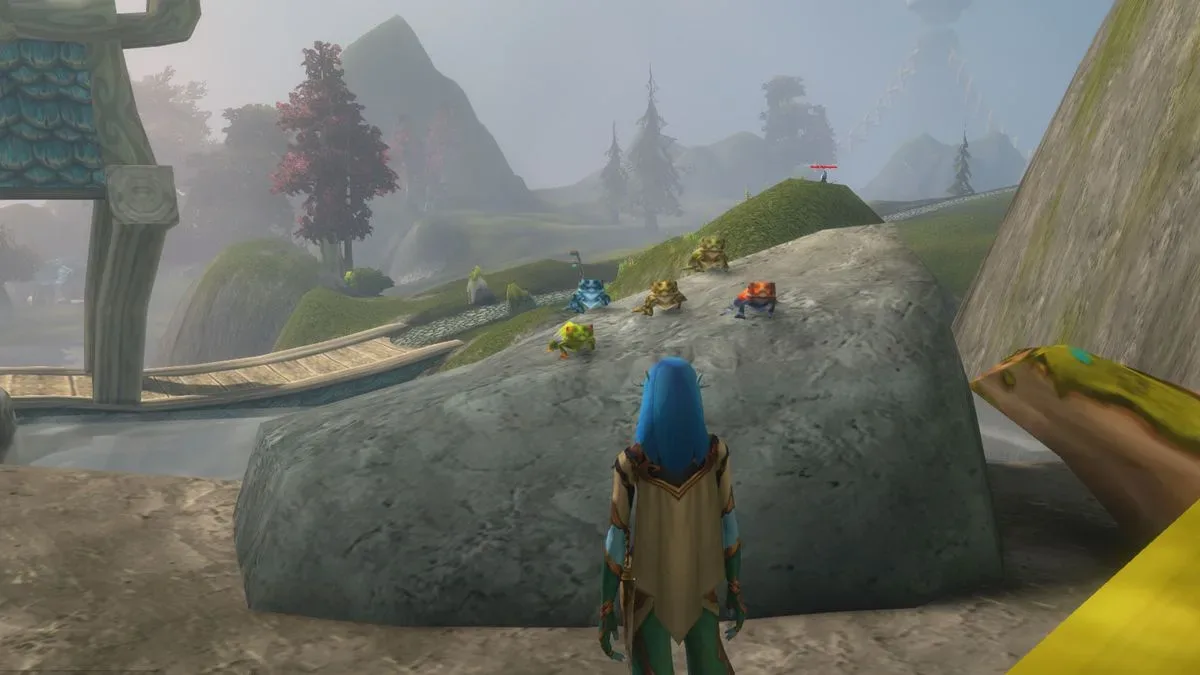
The new race also has distinctive animations, including its own dance, cheer and jump, while Skyborne Druids receive new forms. Their starting area, Zephras Isle, is presented as a colorful new opening zone that maintains the recognizable Warcraft aesthetic while benefiting from the game’s revised visual presentation.
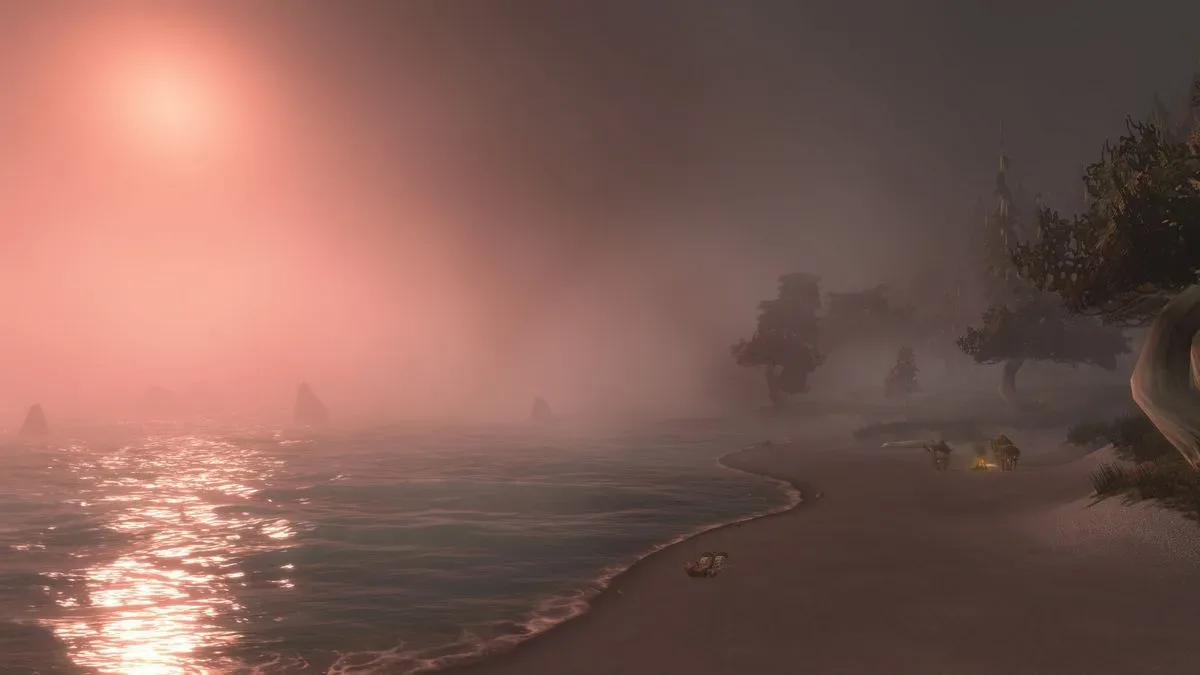
Those presentation upgrades are modest rather than transformational, but they seem carefully chosen. Water now has more natural wave motion, lighting behaves more realistically, underwater audio is slightly muffled, and weather can noticeably alter the tone of familiar locations. Better character models and atmospheric effects give the older world more texture without suggesting that Forever has abandoned its roots for a wholesale visual remake.
New content is spread across the leveling journey
Forever reportedly includes around 1,000 new quests, and their placement may be more significant than the raw number. The new assignments are woven into familiar zones, helping connect areas more coherently and introducing professions and other valuable systems. Some offer functional rewards such as bags or weapons that can make a character feel stronger over the next few levels.
That structure is important in a game centered on leveling. New quests can either feel like padding or provide useful direction through a large world. Here, the assessment is that the additions feel justified and naturally integrated rather than stapled on solely to lengthen the process.
New dungeons also cover several ranges. Hall of Thanes serves players from levels 13 to 18 and is presented as a more strategic early lesson in dungeon play. Ruins of Lordaeron follows at levels 15 to 20, while Excavation Site: Wetlands is aimed at characters in their 20s. A dungeon is a group-focused instanced area, usually built around coordinated combat and rewards. Starting that teaching process early can make later cooperative content less intimidating, especially for players who have only quested alone.
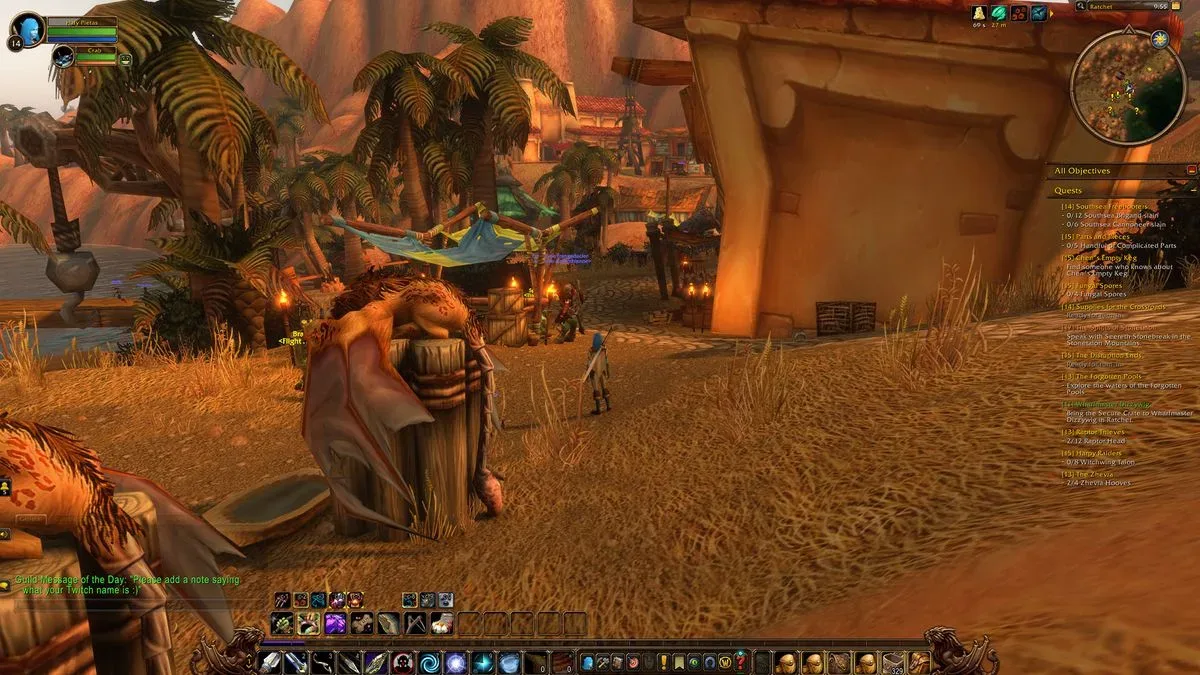
There are quality-of-life changes with clear everyday value, too. The quest-log limit rises from 20 to 40, allowing players to keep more objectives active before returning for turn-ins. A recent-ally alert identifies people a player has recently grouped with, and Discord integration—previously available in retail WoW—is included here as well. None of these additions alter the game’s basic identity, but they remove needless friction from planning a session with friends or managing a full questing route.
Accessibility improves, but the old grind has not vanished
Forever now supports gamepads, which in turn enables unofficial Steam Deck use after some adjustments. This expands the ways players can approach relaxed questing and travel. The reported limitation is unsurprising: a gamepad can be comfortable for casual play, but mouse-and-keyboard input remains more precise and faster for demanding dungeon or raid encounters. More options are welcome, but the control method does not erase the complexity of high-pressure group content.
PC players intending to spend long sessions managing action bars and chat may also find a compact multi-device keyboard useful; our look at the Logitech Pebble Keys 2 K380s outlines one such wireless option. That is not a substitute for a full gaming setup, but Forever’s emphasis on long-form exploration gives flexibility in how and where a player settles in.
Still, modernization has limits. Enemy respawns are much faster than in other versions, occasionally to the point that players in quieter areas cannot keep up. And the notoriously uneven logic of quest-item drops survives. One cited task required 16 satyr horns, yet the target item appeared only about once per 10 enemies despite the horns visibly existing on the satyrs. That disconnect between what the player sees and what the game awards is exactly the sort of dated irritation Forever does not fully resolve.
For some players, that friction is part of the bargain: success feels more tangible when it takes time. For others, it will remain an unnecessary interruption in a game otherwise designed to be more welcoming than Classic. The important distinction is that Forever seems willing to preserve the pace and social dependency of early WoW, while being less interested in preserving every avoidable inconvenience.
Raids are next, but the destination stays level 60
The roadmap points to new raids in December, followed by additional raids, dungeons and quests during 2027. Raids are larger-scale group activities, generally requiring more coordination than dungeons, and they offer a natural endgame pursuit for a permanent level-60 game.
Whether the horizontal-progression approach holds up over years will depend on how compelling those activities and rewards prove to be. A static level cap avoids repeatedly invalidating the road already traveled, but it also puts pressure on new content to offer meaningful goals without simply inflating numbers. That long-term question remains open.
For now, the case for World of Warcraft: Forever is clear. It preserves the slower exploration, collaborative errands and gradual sense of ownership that many players associate with the game’s early years. At the same time, it adds an accessible opening, population management, expanded quest capacity, gamepad support, a prominent new race, new questing material and dungeons designed for the whole leveling range. It is nostalgic by design, but not content to be frozen in place.