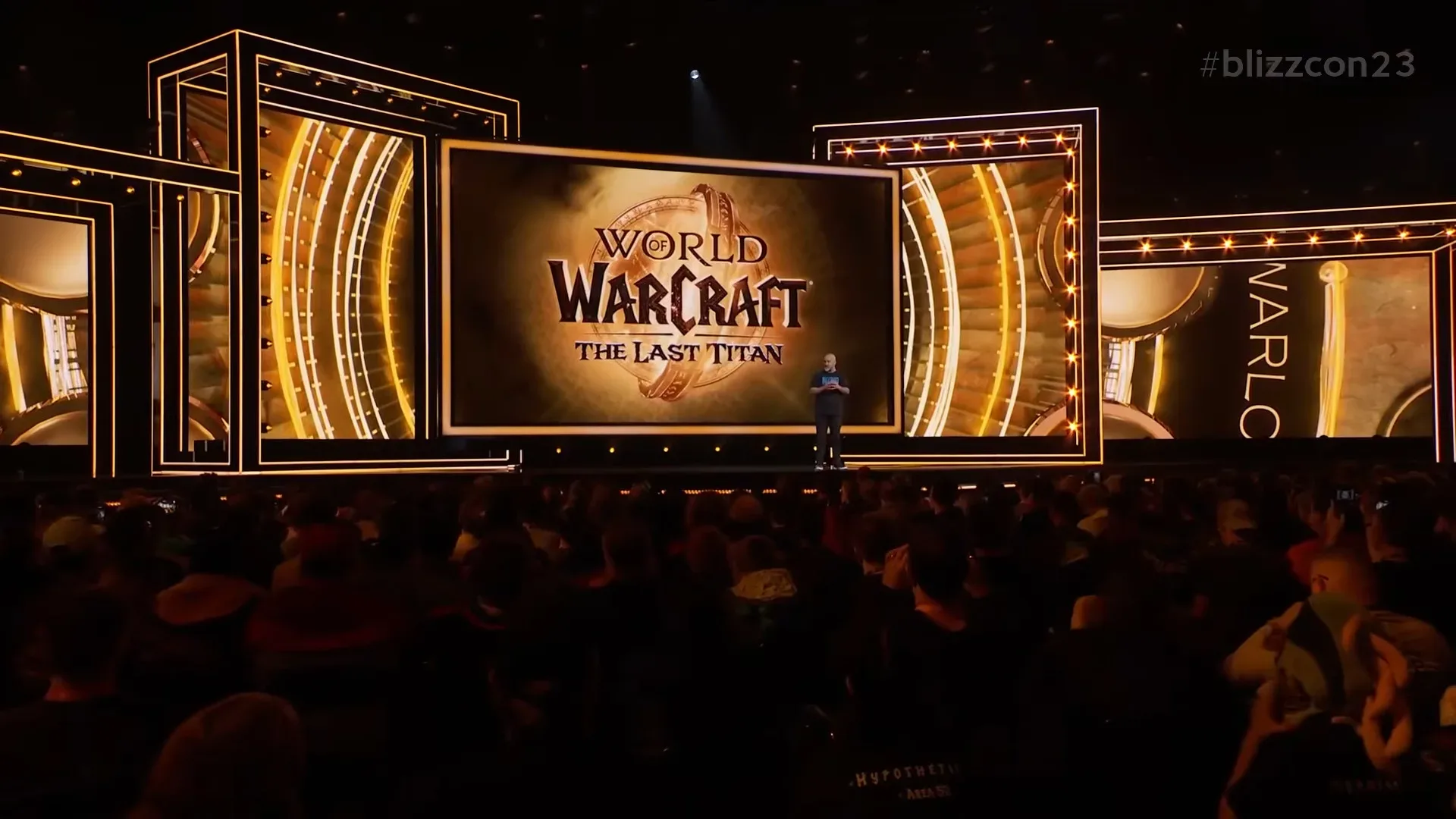
World of Warcraft is preparing to revisit its earliest era without simply pressing the reset button. World of Warcraft: Forever, revealed during BlizzCon’s opening ceremonies, is a new project from the Classic team that aims to build fresh adventures inside the framework of the game’s original first year. It is the long-discussed sort of “Classic+” direction many players have imagined: recognizable Vanilla-era Azeroth, but with previously unexplored possibilities, new destinations, and an ongoing slate of content rather than a march through the old expansion sequence.
The key rule is unusually clear. World of Warcraft: Forever will remain in that first-year setting, and its character level cap will be 60. That means its approach is not about pushing onward to higher levels or recreating every later era of the MMO. Instead, it is intended to take the original world’s foundation seriously while filling in some of its blank spaces and offering reasons to keep journeying through the 1–60 experience.
For veterans, that premise is likely to prompt both excitement and a few carefully guarded bags of skepticism. Vanilla World of Warcraft has always had a distinctive identity: sprawling travel, zones that reward wandering, an endgame that asks groups to organize, and a sense that every corner of Azeroth might conceal a strange quest giver, an inconvenient flight path, or a murloc who has absolutely no respect for scheduling. Forever’s proposed answer is to preserve that territory while adding things players could not originally reach.
A familiar Azeroth taking a different road
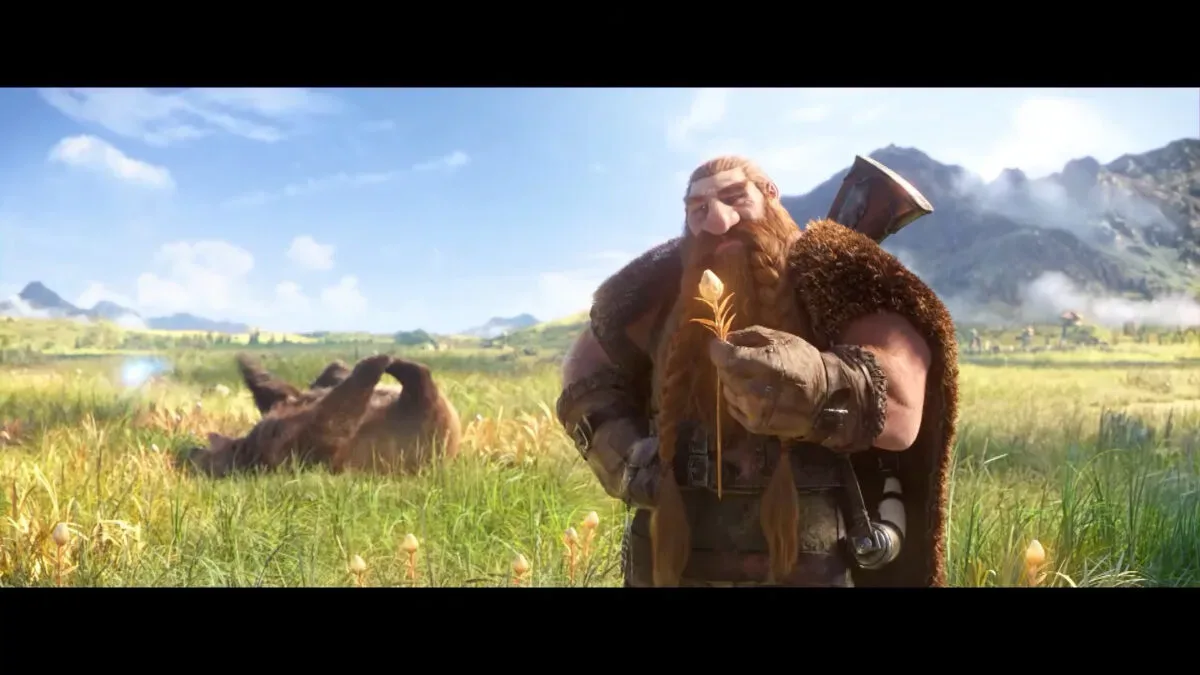
The reveal trailer makes that alternate-path idea literal. It revisits the dwarf hunter known from the original World of Warcraft trailer, but sends him down a different route from the mountain. His journey leads him to Dalaran, a city that was sealed off in Vanilla WoW but is open in Forever. Beneath it, the footage points toward dark secrets rather than a simple sightseeing tour.
Dalaran is only one example of locations being reconsidered. The trailer also shows Nordrassil, the World Tree that was likewise inaccessible during the original Vanilla period. A new sky kingdom appears as well, tied to a new kind of elf. Collectively, those glimpses outline the project’s central balancing act: it is returning to an older version of Azeroth, but it does not plan to treat every old boundary as sacred.
That distinction matters. A strict re-creation makes sense for players seeking the exact historical game, quirks included. Forever appears to be chasing another appeal: the feeling of being in early World of Warcraft at a time when the map still held mysteries. In principle, opening places that once existed only as distant landmarks or locked-off curiosities could recreate some of that old “what is over there?” energy. Naturally, the actual success of that ambition will depend on how these spaces play, how they connect to the wider world, and whether their stories fit the era’s tone.
What arrives at launch
World of Warcraft: Forever has a substantial launch plan on paper. The new content is not limited to max-level characters, either. The stated intention is to support the entire leveling range from 1 through 60 at launch and through later additions. That should be important for anyone who prefers the road to cap over treating it as an obstacle course between character creation and raid night.
The announced launch package includes:
Related coverage includes World of Warcraft: Forever Brings a Classic+ Vision to Azeroth This November.
- Three brand-new zones.
- Several older zones receiving overhauls meant to address unfilled portions of the original map.
- More than 1,000 new quests.
- One new battleground.
- Nine new dungeons.
- Two new raids.
- A new playable race, the Skyborne Elves.
- New reputations, pets, visual updates across the world, and additional unannounced features.
Those numbers suggest a project with a larger remit than a small novelty server. Three zones and more than a thousand quests alone indicate that leveling content will be a major part of its identity, while nine dungeons and two raids give group-focused players a more immediate destination at the upper end. The new battleground also signals that player-versus-player combat is not being left outside the Classic+ conversation.
There are still practical questions that have not been answered by the reveal details. The announcement does not lay out the structure of the new battleground, the exact nature of the zone revamps, how the Skyborne Elves fit within the existing faction structure, or the cadence and scale of post-launch updates. It also does not spell out which classic systems will stay unchanged and which may be refined. For a game so closely associated with the tiny systems and habits that players remember—economy, professions, class toolkits, social friction, travel, loot and progression—those details will eventually be as meaningful as the headline feature count.
The Skyborne Elves and a new piece of the setting
The Skyborne Elves are perhaps the clearest sign that Forever is not merely opening a gate and calling it a day. A new playable race represents a lasting addition to the character-selection screen and, presumably, to the setting’s lore. Their connection to the newly shown sky kingdom makes them one of the project’s biggest unanswered questions. The available information identifies them as a new type of elf, but does not yet provide a fuller account of their culture, alignment, starting experience, class options, or wider role in Azeroth.
That restraint is welcome because it keeps expectations grounded. A cinematic can establish mood, and it can send a dwarf hunter on an enticing detour, but it cannot explain every gameplay consequence. Players will need more information before knowing how a Skyborne Elf fits beside the lineages and conflicts that define the original period. Still, their inclusion makes the stated idea of new adventures in an old time frame tangible. Azeroth is not just being restored; it is gaining a new population with its own place in the world.
Why the level-60 commitment is the real headline
The 60 cap may sound like a limitation, but it is the design statement that holds the rest together. Classic World of Warcraft’s original endgame was built around that ceiling, from dungeon progression to raid preparation and the social networks that form around difficult group content. Keeping the cap in place allows Forever to add sideways and outward expansion instead of vertical escalation.
In other words, the project can potentially offer more routes through Azeroth rather than making prior progress obsolete every time the number beside a character portrait rises. New quests can alter leveling paths. New reputations can create pursuits beyond gear alone. New dungeons and raids can broaden the available endgame menu. Updated visuals may give old territories a fresher presentation without moving the timeline into a later expansion.
It is an ambitious promise because Vanilla’s appeal is not reducible to geography or a specific level number. Its rhythm comes from a combination of deliberate pacing, collaborative play and occasionally absurd inconvenience. The same long ride that makes a player groan can make a successful journey feel earned. The same difficult elite quest that causes a chat-channel plea for help can result in an unexpected group. Forever will have to decide how much friction is part of the flavor and how much is simply old splinters in the floorboards.
That wider Blizzard backdrop remains busy. Warcraft is also being considered for screen adaptations, while the company’s other major fantasy franchise has an animated project in development; readers can catch up on the latter in our coverage of the planned Diablo animated series. Forever, however, is squarely a game-first proposition: a bid to give Azeroth’s foundational MMO era another future without leaving its defining year behind.
Beta timing and the road to November
Attendees at BlizzCon will be able to play World of Warcraft: Forever on the show floor. A beta is also scheduled to begin this coming Thursday, giving the community a near-term opportunity to see how the project translates beyond its trailer and feature list. The beta will be an important stage for a format built around cherished expectations. It should provide the first clearer picture of combat feel, quest design, zone flow, interface decisions and how dramatically the refreshed world differs from its original counterpart.
The full release date is November 4, 2026. That is notably close given the scope described, with new areas, extensive quests, instances, raids, a battleground and a playable race all part of the announced launch offering. No platform details beyond its identity as a World of Warcraft release were provided in the available announcement information, so prospective players should avoid assuming further availability specifics until they are formally detailed.
For now, Forever’s pitch is easy to understand even if its many practical details await the beta. It is a World of Warcraft project that wants the original year to be a living setting rather than a museum exhibit. Dalaran’s doors are opening. Nordrassil is no longer just an unreachable sight on the horizon. New zones, new group challenges and Skyborne Elves are on the way. And somewhere, the dwarf hunter has apparently decided that taking the obvious trail is for people who do not enjoy discovering a few dark secrets before lunch.