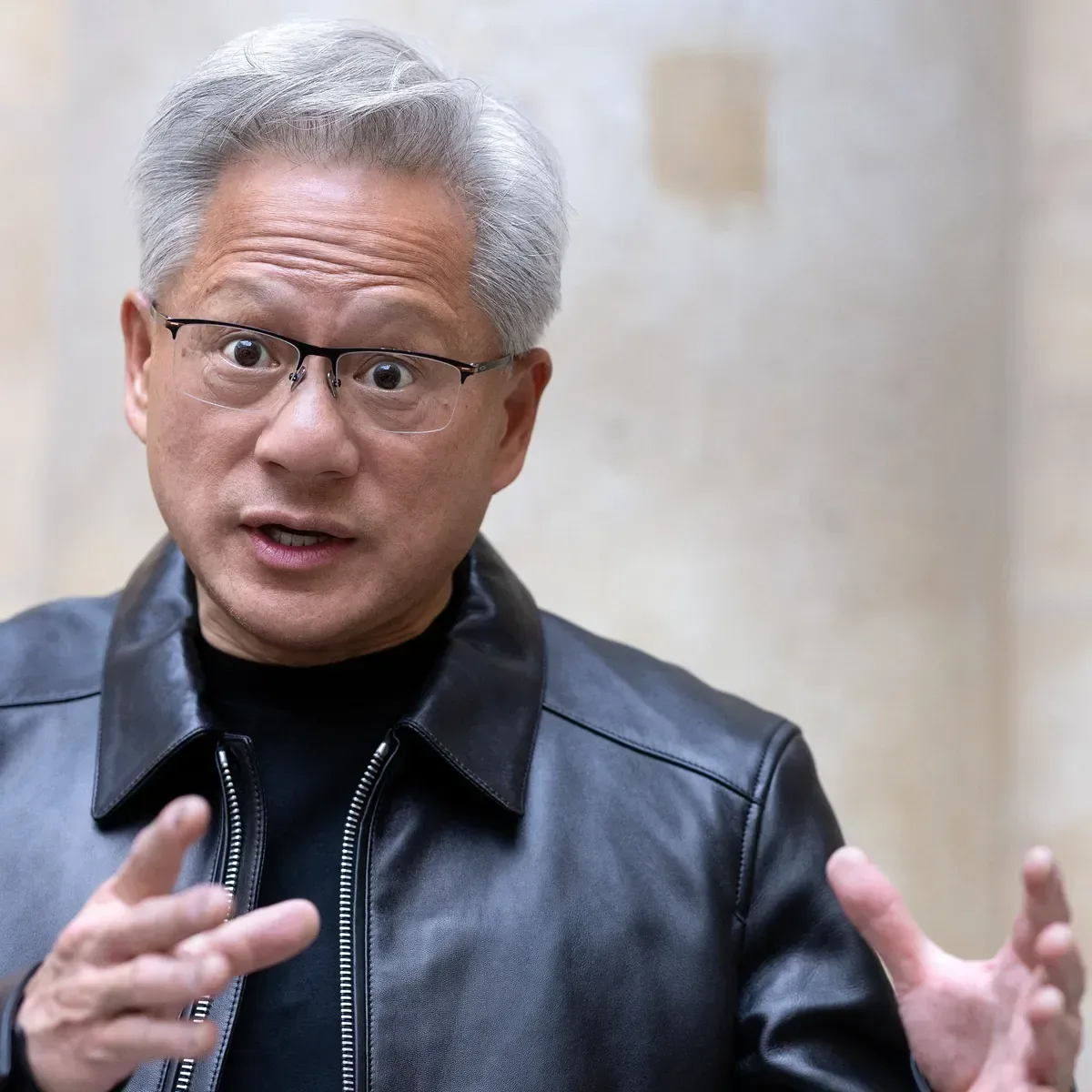
Claims surrounding a dramatic change at Nvidia have spread alongside assertions that employees want a former chief executive restored to the job. The material provided for this story includes serious personal and national-security allegations, descriptions of internal employee reaction, and claims of an interim appointment. It does not, however, include primary documents from Nvidia, regulators, law enforcement, or the company’s board that would independently establish those events.
That distinction matters. A leadership change at Nvidia would be a major story for the technology business and for PC gaming, but allegations involving identifiable people should not be converted into settled facts merely because they circulate online. Until there is direct, independently verifiable confirmation, the claims should be treated as unverified.
Even so, the reaction described in the material points to a real question worth examining without repeating unproven allegations: what happens when a company closely associated with its founder faces a sudden leadership crisis? For Nvidia, the answer would reach far beyond a corner office. Its graphics hardware, software technologies and wider computing business place it at the intersection of gaming, cloud infrastructure and AI-focused data centers.
The reported employee response is about more than one executive
The claims describe substantial internal enthusiasm for keeping or restoring the former CEO, including a busy message-board thread and a survey said to show stronger support among Nvidia employees than among a wider professional audience. Those figures cannot be treated as independently confirmed from the supplied material. They are still illustrative of the argument supporters appear to be making: a founder’s long-term role in building a company can create intense loyalty among staff who connect that leader with their own careers, the company’s mission and its financial success.
That feeling is understandable in any founder-led technology company. Employees do not experience a chief executive only through earnings calls or product presentations. They may associate that person with hiring decisions, research investment, promotions, difficult periods and the ability to pursue specialized work. The supplied material includes public statements from employees describing gratitude for opportunities and confidence in the former leader’s management. Those are personal assessments, not a substitute for a board’s responsibility to investigate serious claims or protect the organization.
There is a crucial difference between believing a leader has been effective and deciding that the leader should remain in office during a controversy. The first is a judgment about execution. The second requires weighing organizational risk, workplace standards, legal exposure, confidence among customers and partners, and the board’s duty to shareholders. These considerations can pull in opposite directions, particularly when a company’s public identity is tightly bound to one person.
Why corporate governance becomes the central issue
Corporate governance is the collection of rules, oversight practices and decision-making structures used to direct a company responsibly. In this situation, the board of directors is the key institution. A board does not simply choose a charismatic leader when times are good; it must also assess whether leadership conduct or alleged conduct creates unacceptable risks for employees, investors and the business itself.
That work can be uncomfortable because the interests involved are not identical. Employees may understandably focus on stability, culture and a leader’s operational record. Investors may focus on valuation, succession planning and reputational harm. Customers may ask whether product road maps remain dependable. A board must look across all of those concerns while avoiding the temptation to equate short-term market reassurance with sound long-term judgment.
Related coverage includes Nvidia Leadership Turmoil Puts Employee Loyalty and Gaming Priorities in Focus.
The unverified account says the company’s chief financial officer, Colette Kress, was named interim CEO. If confirmed, an interim CEO would serve a practical purpose: keep decision-making moving while a permanent leadership process is underway. The title does not itself resolve the company’s direction, but it can reduce uncertainty by giving employees, customers and partners a defined executive point of contact.
A chief financial officer typically oversees financial planning, reporting, capital allocation and communications with investors. That background can be particularly useful when markets are reacting sharply to uncertainty. It does not mean an interim leader must be a permanent successor, nor does it guarantee continuity in research or product strategy. It means the organization has a mechanism to continue operating rather than leaving a vacuum at the top.
For gamers, the practical question is product continuity
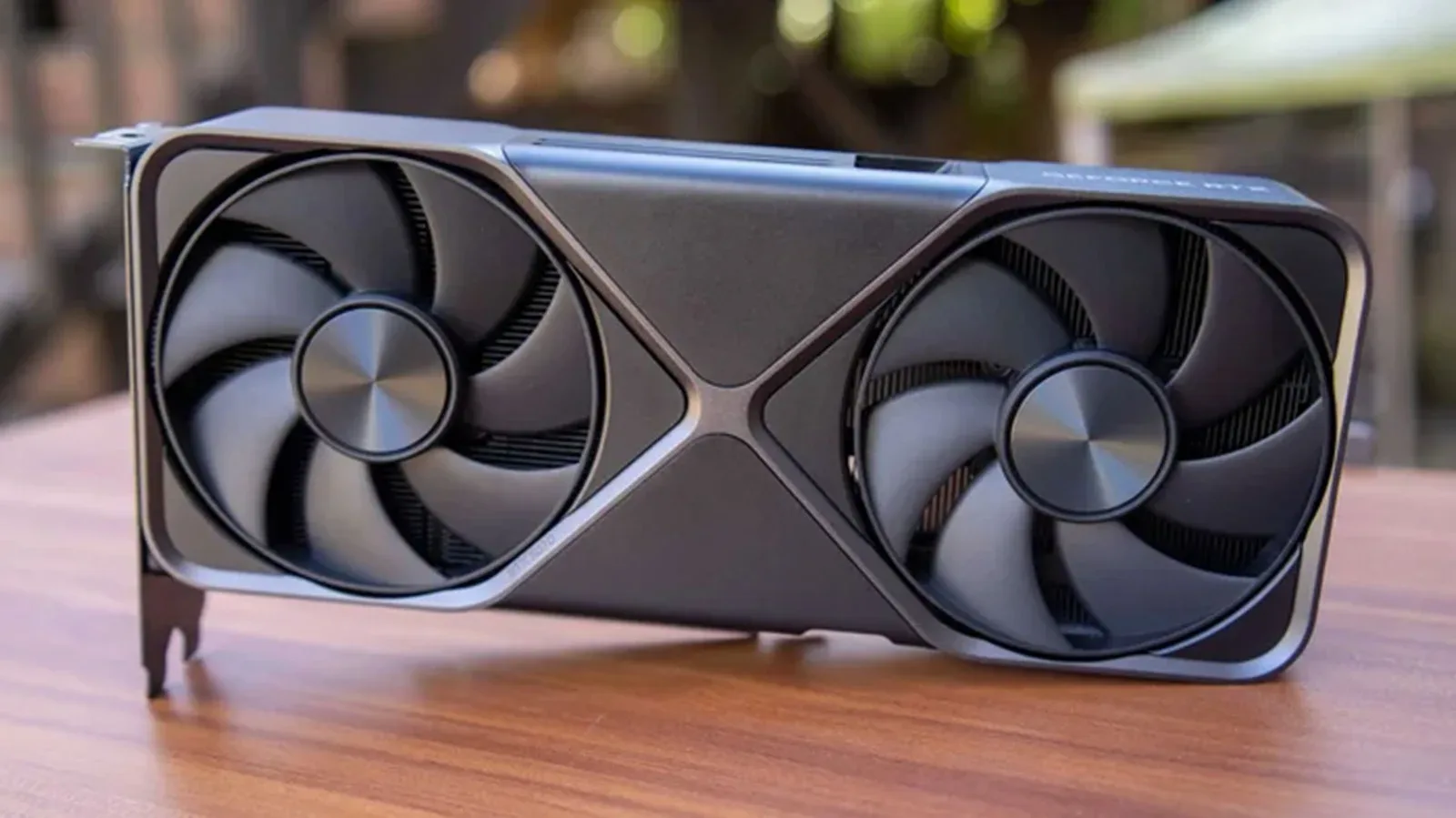
Nvidia’s gaming relevance is not limited to selling graphics cards. The company’s GeForce business and graphics technologies are woven into the PC ecosystem, from game development tools and driver support to features that affect how games are rendered and displayed. Any genuine executive upheaval would therefore prompt understandable questions from players, developers and system builders.
One technical term raised by the material is DLSS, short for Deep Learning Super Sampling. It is a rendering technology associated with Nvidia graphics hardware that uses AI-based processing to help produce an image from a lower-resolution render. In straightforward terms, developers can use such techniques in pursuit of smoother performance or higher image quality, depending on the game, settings and hardware. The important point for this story is that technologies like DLSS are not single products frozen in time. They depend on continuing engineering, software support, developer relationships and communication with users.
A change in leadership does not automatically mean a graphics-card generation, driver plan or game partnership disappears. Large technology companies have many teams and established processes. But stability at the top can influence how confidently those teams set priorities, commit resources and communicate long-term plans. It can also affect how outside developers interpret a platform holder’s willingness to support new graphics techniques.
That is why the most useful signals for gamers would be concrete ones: whether planned software support continues, whether developer tools remain available, whether product commitments are maintained, and whether the company gives clear guidance about its organizational direction. Rumor, executive praise and social-media speculation do not answer those questions.
AI scale can make a gaming story bigger, not smaller
The material characterizes Nvidia as a company whose data-center and AI business has become enormous while gaming remains foundational to its identity. This creates an additional tension in any alleged leadership transition. PC players may worry that gaming has become secondary, especially when AI infrastructure attracts the most market attention. Yet gaming hardware, graphics research and software ecosystems are deeply connected to the company’s broader computing ambitions.
Graphics processors, commonly called GPUs, were designed to handle large amounts of parallel work efficiently. That characteristic makes them useful for rendering game visuals and for certain high-volume computing tasks. As a result, a company can have gaming customers and data-center customers while relying on overlapping technical expertise and platform investment. The priorities are not automatically identical, but neither are they entirely separate.
For that reason, leadership uncertainty could sharpen an existing concern: how will a giant technology company balance the immediate demand of data centers with the patience and consistent support expected by PC gaming customers? The answer is not contained in the unverified claims. It will be visible only in future product strategy, developer support and the pace of software updates.
Industry leadership news often invites broad declarations about whether a company has lost focus or is on the verge of transformation. A better approach is to watch the decisions that follow. Recent debate around executive strategy elsewhere in games has similarly centered on what scale and focus mean in practice, as seen in this discussion of leadership priorities as GTA 6 approaches. For Nvidia, the equivalent evidence would be its next actions, not the volume of online reaction.
What should be treated cautiously
The material contains several categories of claim that deserve different levels of caution. Claims about an individual’s private conduct, alleged espionage connections, investigations and potential congressional testimony are especially consequential. They require authoritative confirmation. A report of a message-board post or employee survey is a different kind of claim, but it still needs context: who participated, how respondents were selected, whether participation was voluntary, and what wording was used.
Social posts by employees and prominent industry figures can show sentiment, but they cannot verify the underlying events. Nor can popularity determine whether a board should reverse a decision. Support may reflect genuine admiration for a leader’s professional record. It may also reflect fear of disruption, concern over the company’s valuation, or uncertainty about who comes next. All are meaningful reactions; none is a complete governance framework.
For readers, the sensible standard is simple. Look for direct statements from Nvidia, filings or other official records when relevant, and clearly identified results from any authorized investigation before accepting a sweeping account of an executive’s departure. Be wary of accounts that combine sensational allegations with precise claims of internal turmoil while providing no verifiable documentation.
The story to watch is the one that can be documented
If Nvidia does face a confirmed leadership transition, the long-term impact on gaming will not be determined by nostalgia for a founder alone. It will depend on whether the company preserves technical leadership, keeps developers confident in its tools, continues responsive driver and platform work, and explains how gaming fits alongside its data-center ambitions.
Employees may reasonably value a leader who shaped the company’s past. Boards may reasonably prioritize accountability and continuity. Gamers may reasonably want reassurance that the platforms and features they use will not be neglected. Those perspectives can coexist, even when they produce different answers about a leader’s future.
At present, the supplied claims do not justify declaring the reported personnel changes or allegations established. What they do demonstrate is how quickly a technology company’s public narrative can become a referendum on its founder—and why the most important response is careful verification, not a rush to turn a volatile claim into a settled story.