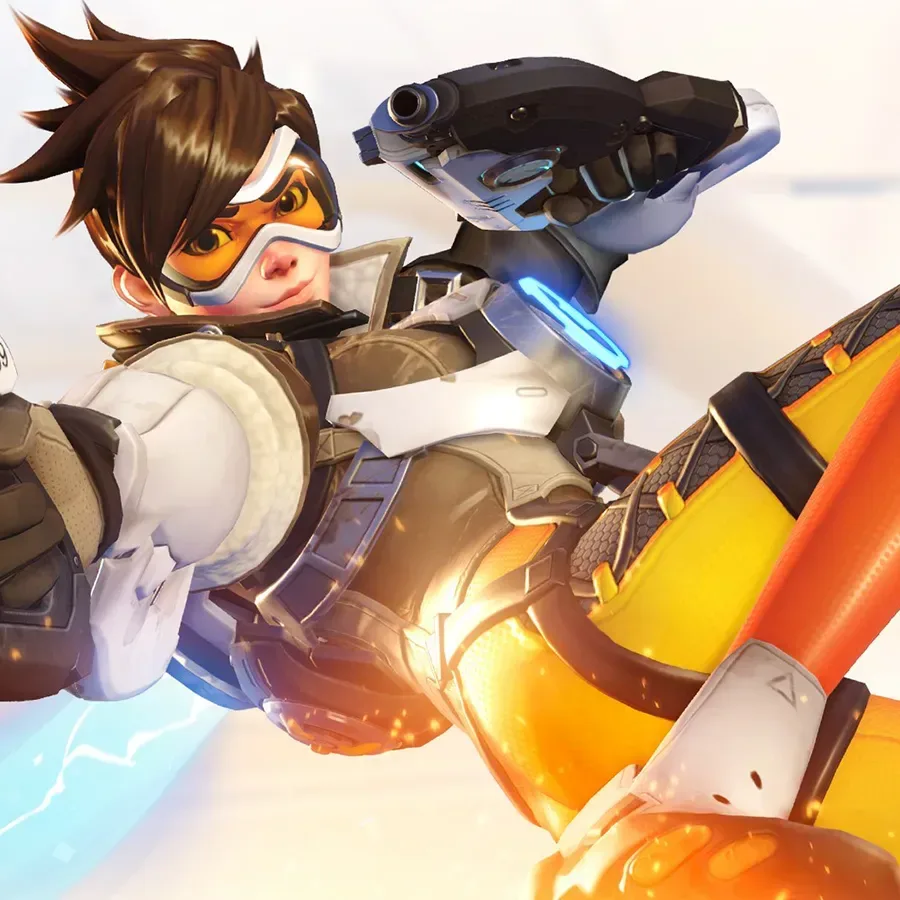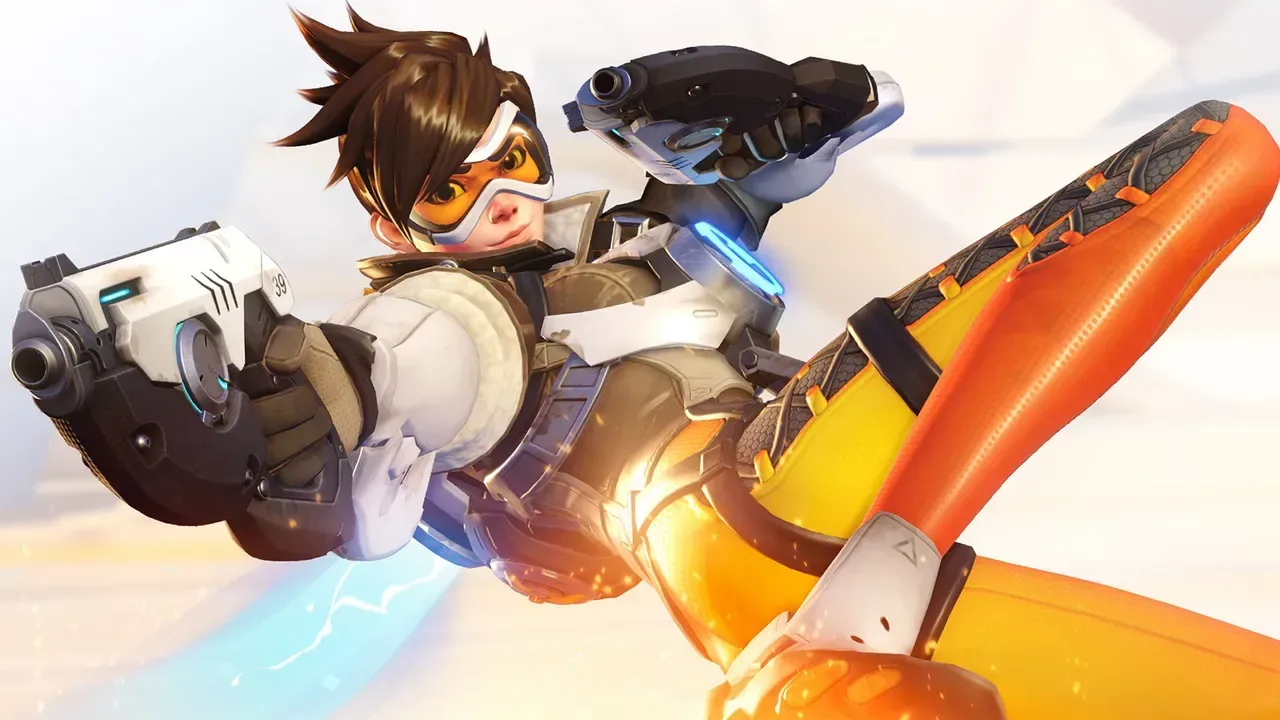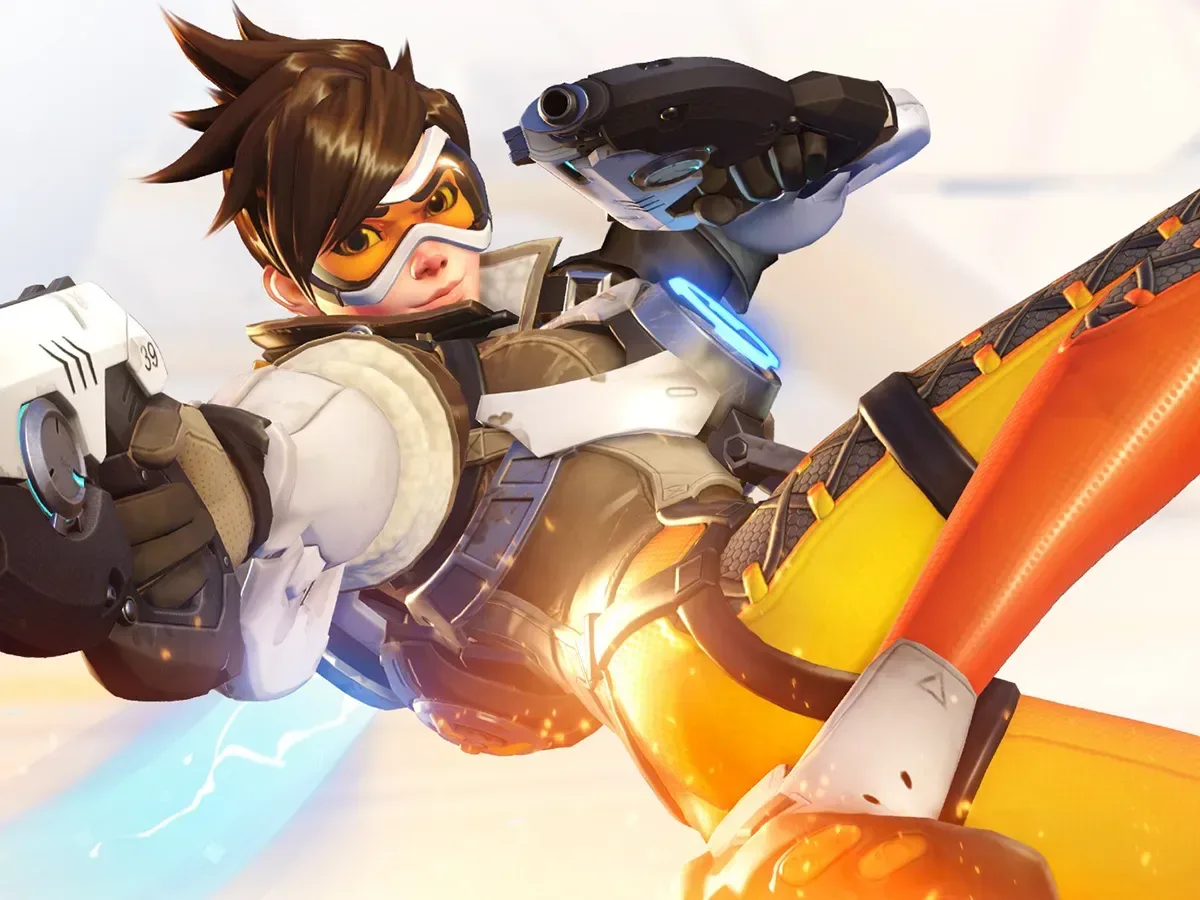
Overwatch has cycled through a huge cast of recognizable personalities since its 2016 debut, but the team’s answer on the question of its public face is uncomplicated: Tracer remains the mascot. The confirmation arrived amid BlizzCon 2026 discussion surrounding Doctrine, the game’s newest support hero, and a fast-moving year of character additions that is not quite finished yet.
For longtime players, the call makes immediate sense. Tracer was central to Overwatch’s early visual language: a compact, kinetic hero silhouette, bright orange accents, a chronal accelerator, and a breezy forward momentum that neatly represented a game built around colorful teams and rapid movement. She appeared heavily in launch-era advertising, licensed products, trailers, and other promotional material. Her visibility may have been less consistent in recent major collaborations and campaigns, but that does not mean the internal designation has changed.
Art director Dion Rogers and Lead Hero Producer Kenny Hudson both described Tracer as the mascot she has always been. Rogers pointed to the team’s own use of “Tracer orange” as a shorthand for the signature color embedded in Overwatch branding. Even a small orange detail atop the game’s sigil is treated as part of that connection. In other words, the mascot status is not merely fan inference based on old key art; it remains part of how the team understands the franchise’s visual identity.
A mascot can endure while the ensemble grows
That distinction matters because Overwatch is deliberately an ensemble game. Its appeal has never rested on one protagonist carrying every story beat or marketing push. Different seasons, events, cinematic moments, and crossover opportunities can spotlight heroes such as Genji, Mercy, D.Va, Reinhardt, Doomfist, or newer arrivals without removing Tracer from the symbolic center.
It is also a practical approach for a live-service roster that continues to expand. Promotional focus naturally moves toward fresh content when a new hero is launching, especially one designed around a strong new fantasy. A mascot, however, serves a different function. It is the recognizable shorthand for the overall brand, not necessarily the character required to headline every update.
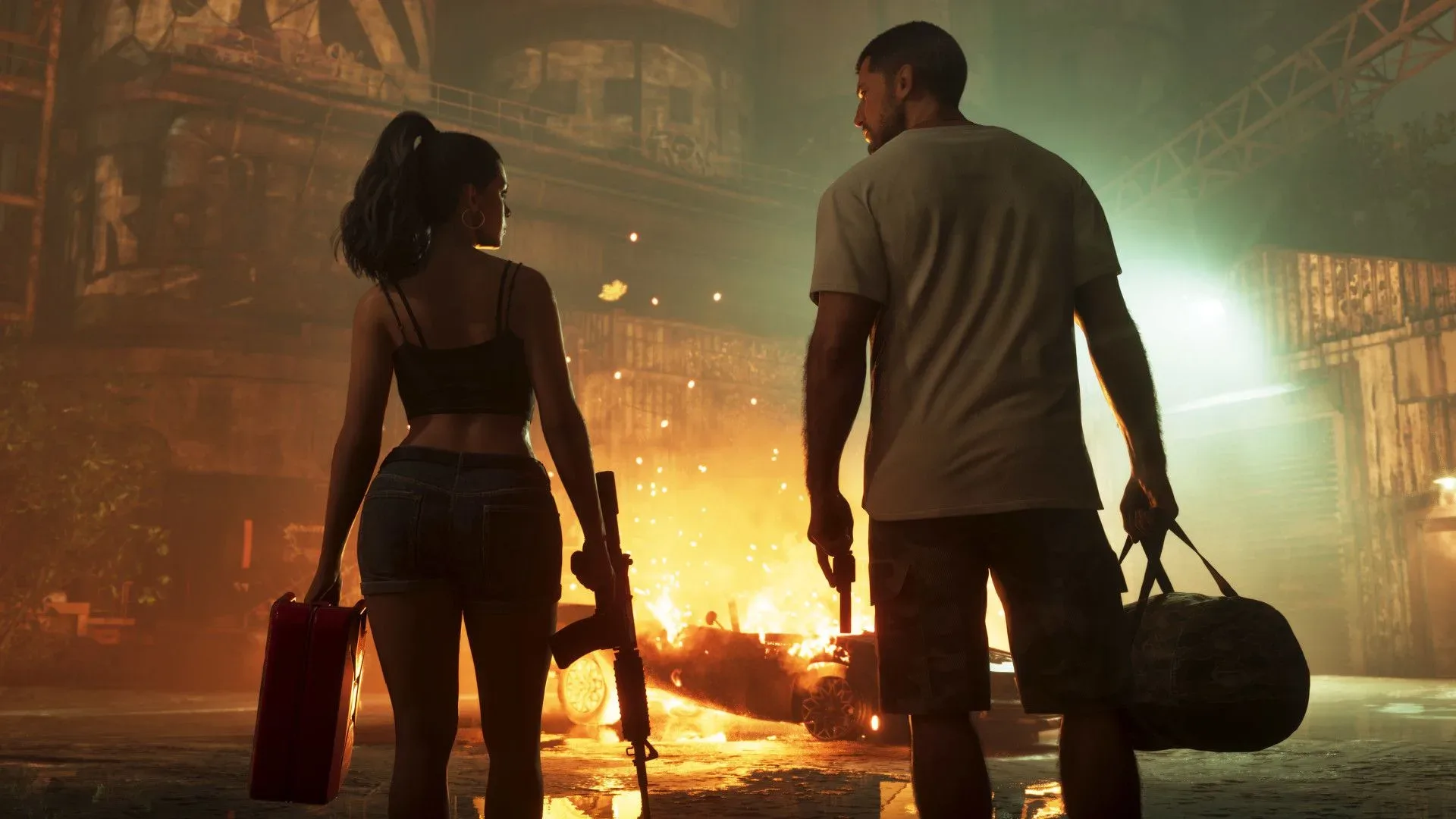
That balance is familiar across games: a character can remain the emblem of a universe even as the universe makes room for a broader range of tones, places, and player fantasies. As studios work to establish memorable character relationships and identities, the industry conversation continues to value stories that make those figures feel earned; Rockstar’s stated ambitions for the bond between GTA 6’s leads offer one recent example of that broader focus on character connection in game development.
For Overwatch, Tracer’s continued status does not put a ceiling on everyone else. It establishes an anchor while the game pushes into less familiar archetypes.
Doctrine brings a vampire motif to Hero 54
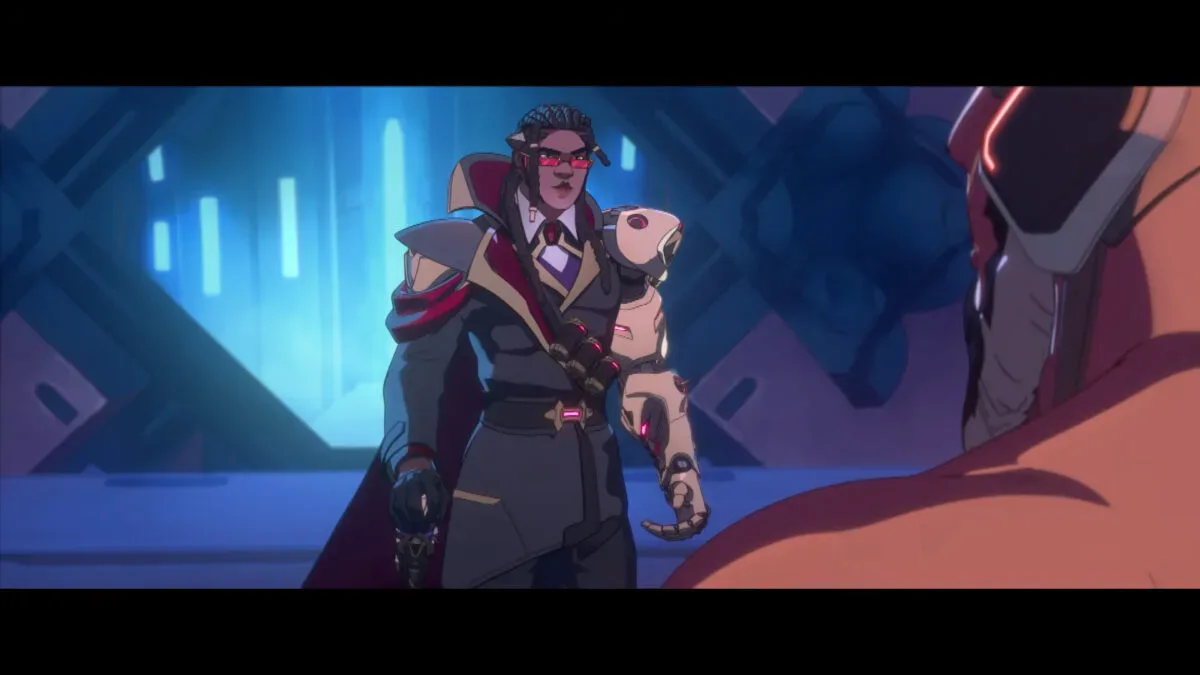
The clearest evidence of that willingness to explore fresh territory is Doctrine. Introduced as a support hero, Doctrine is Hero 54 and is described as vampire-inspired. The wording is important: he is not presented as a literal vampire. Rather, the design team used the concept as a springboard for his gameplay kit, visuals, and character fantasy.
Related coverage includes Tracer Remains Overwatch's Mascot as Blizzard Prepares Its Next Hero Era.
The initial prompt came from lead narrative designer Miranda Moyer, who posed a simple but productive question: what would a vampire look like within the Overwatch setting? Rogers explained that a strong thematic prompt can give multiple disciplines a common direction, from early concepts and art to a hero’s eventual abilities. With a roster already containing broadly legible archetypes including a cowboy, knight, and ninja, the vampire idea provided a route into terrain that was not yet occupied in the same way.
Hudson’s description of the process suggests that Doctrine’s first form did not instantly lock in the final character. He began from a more conventional scientific or mechanical-engineering foundation: lab coat, glasses, and an ordinary technical-profession look. The team needed the image to declare itself as a hero rather than simply a person in a lab. Folding in the vampire motif gave that initial concept the necessary silhouette, fantasy, and visual focus.
Even after that evolution, the original profession was retained rather than discarded. Doctrine is still a scientist or mechanical engineer, and his cape intentionally carries some of the visual read of a lab coat. That blend gives the character a particular Overwatch-style logic: a heightened genre concept grounded by an occupation and a place in the wider world.
Zimbabwe and Doomfist tie the character into existing lore
Doctrine’s background further connects him to Doomfist. He hails from Zimbabwe and previously worked for Doomfist’s family, including helping build arms for Doomfist. That history provides the foundation for Doctrine reaching out to Doomfist in an effort to recover his own arm.
The connection does more than supply backstory. It positions Doctrine within an existing network instead of treating him as an isolated newcomer dropped into the roster for mechanical variety alone. Doomfist already occupies a substantial space in Overwatch’s fiction, so tying a new support hero to his family and personal history creates immediate narrative context.
It also demonstrates how a hero concept can begin with a genre image and then become more specific through profession, heritage, relationships, and personal stakes. “Vampire-inspired scientist with ties to Doomfist” is considerably more distinctive than any one of those elements would be separately. Exactly how the full story develops will depend on the game’s future material, but the design rationale provides a clear outline for why Doctrine looks and feels the way he does.
Ten characters in 2026, with another already teased
Doctrine arrives near the end of an exceptionally busy 2026 for Overwatch. He is nearly the last among 10 characters added during the year, a remarkable cadence for a hero shooter whose balance, art, narrative, and onboarding demands all become more complicated with every new addition.
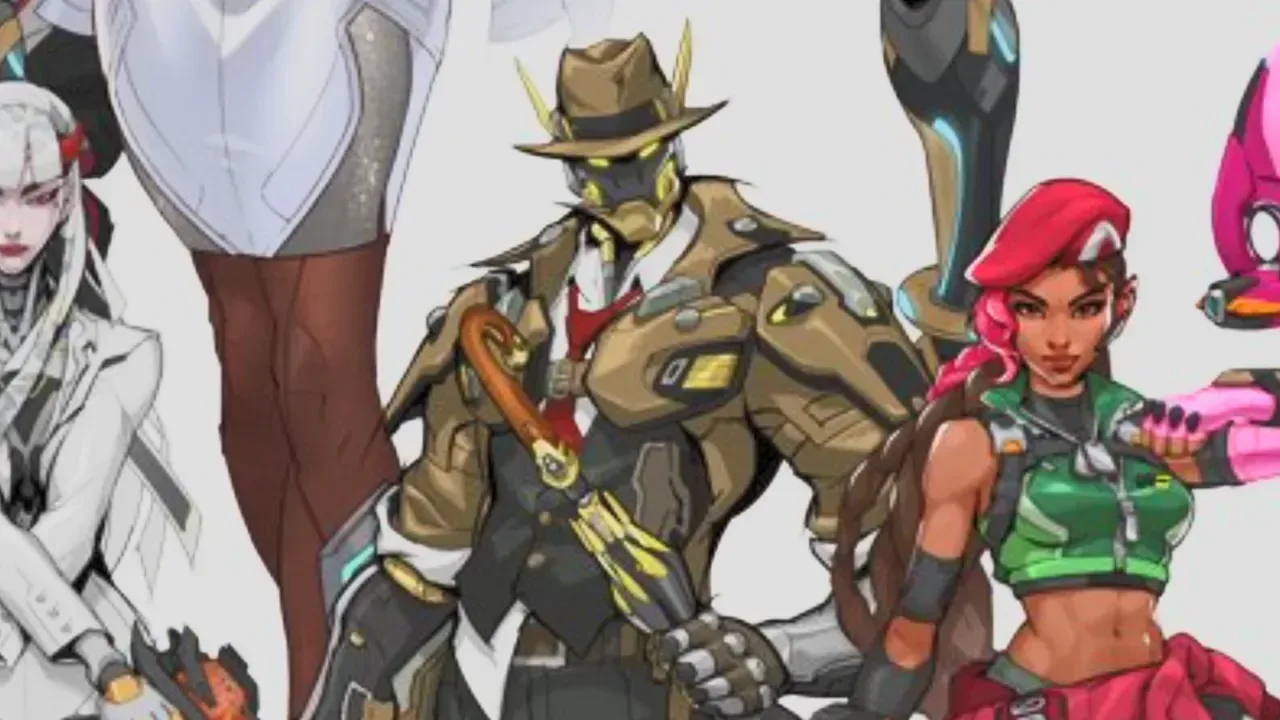
The BlizzCon reveals also included a tease for Hero 55. The available glimpse identifies him as a stylish Omnic, and the early reaction has already put him on fans’ radar. Beyond that tease, the team has not laid out the full details here, so it would be premature to assume his role, abilities, launch window, or deeper story function.
What is clearer is the larger direction. Rogers indicated there is room for still more heroes and that the team has more in development. Hudson framed the next phase less as checking off familiar milestones and more as creating new targets, applying what the developers have learned in recent years, and evolving Overwatch in new ways.
That is a broad promise rather than a feature list, but it fits the evidence already on display. Doctrine is not just another pass at a preexisting stock role. His design began with an unusual thematic question, then connected that answer to Overwatch lore. Hero 55, meanwhile, keeps the next reveal waiting in the wings. Together, they suggest an ongoing effort to maintain forward momentum after a year packed with additions.
Why Tracer’s status still matters in this moment
There is a pleasing contrast at the heart of these updates. Overwatch is introducing a support hero driven by vampire imagery, mechanical engineering, and a Doomfist-family history; it is teasing a suave Omnic; and it is preparing more characters beyond a 10-hero year. Yet the team’s emblem remains the speedster who helped define the game a decade earlier.
That is not a retreat into launch nostalgia. If anything, it is an acknowledgment that a franchise needs both continuity and surprise. Tracer supplies continuity through an instantly readable brand identity. Doctrine and the still-mysterious Hero 55 supply surprise by taking the roster to places it has not quite gone before.
For players watching Overwatch’s next era take shape, the message is straightforward. The hero roster is continuing to grow, the designers are looking for new archetypes rather than simply repeating old ones, and the character most associated with the game is not being quietly replaced. Tracer is still the mascot—orange accent, time-jumping confidence, and all—while the world around her gets considerably larger.