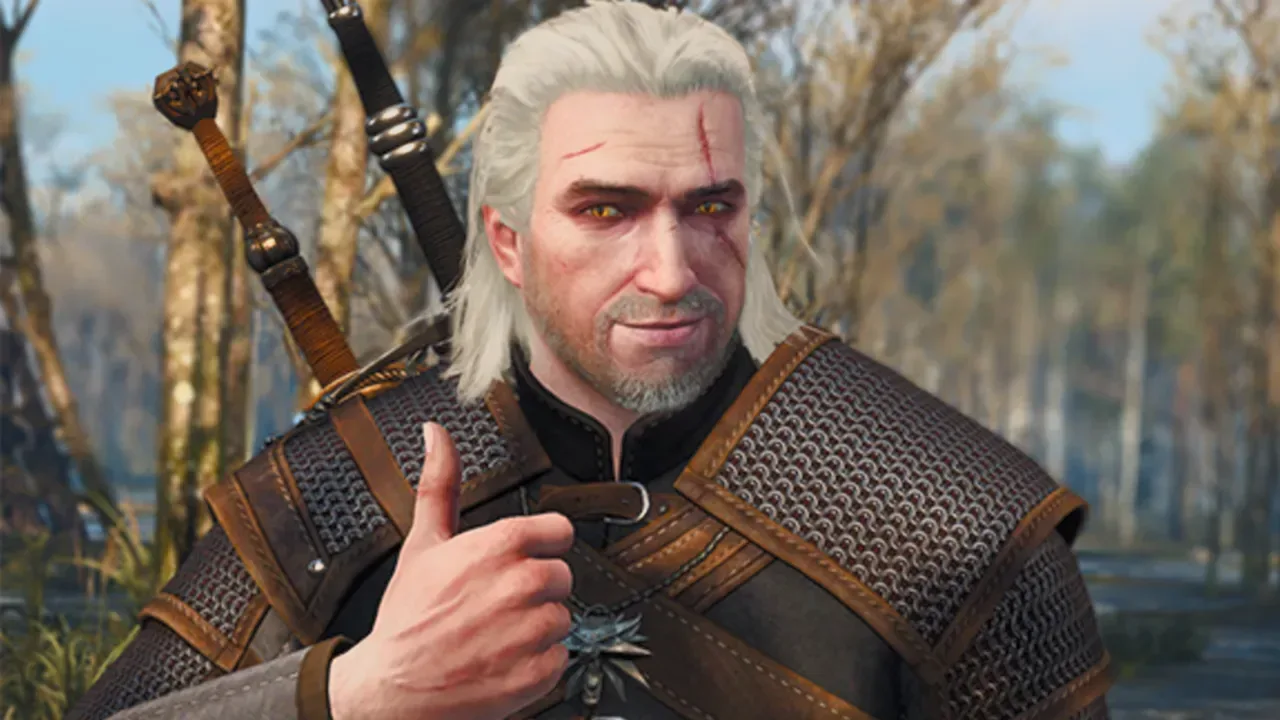
An official side-by-side clip for the upcoming The Witcher 3 remaster has prompted a familiar but worthwhile graphics debate: when does a technical upgrade stop looking like the game players remember?
The short comparison shows Geralt using Igni against drowners in a swamp. On paper, the remastered side appears to bring obvious gains. Geralt’s armor carries more visible surface detail, and the water has a sharper, more clearly defined appearance. Yet viewers have focused on the elements that feel diminished rather than enhanced: the behavior of fire in the water, the character of the fog, and the texture treatment on some creatures and clothing.
The point is not that greater fidelity is automatically worse. It is that a remaster is judged not only by the number of details it adds, but by the mood, readability and material qualities it changes along the way. In this brief clip, those trade-offs are conspicuous enough that some fans believe the older presentation is more convincing.
The swamp scene at the center of the debate
The comparison’s setting is doing a lot of work. Swamps are messy by design: shallow brackish water, dim light, low-hanging mist, murky creatures and bursts of magical fire all overlap. That makes the scene a demanding test of how a game renders atmosphere, reflections and surfaces. It also makes tiny changes easy to notice.
In the older footage, the orange fire from Igni can be seen as a broad, somewhat blurry reflection beneath the drowners. It is not a precise mirror image, but it communicates something immediate: a bright flame has lit the wet space below the fight. In the remastered half of the shown clip, viewers have noted that the fire reflection does not appear at all.
That absence matters because the new version is associated with ray tracing, a rendering technique intended to model the paths of light more realistically than older screen-space or pre-baked methods. In simple terms, ray tracing can improve the way light bounces, shadows and reflects across a scene. But it is not a universal promise that every object, angle and effect will produce a more desirable reflection. The result depends on which ray-traced features are active, the scene’s materials, the game’s effects pipeline and the choices made to balance image quality and performance.
For players, the practical visual question is simpler than the technical one: can they see the orange fire reacting with the swamp water? In this particular snippet, many think the original communicates that relationship more effectively.
Fog is not just fog
The other major dividing line is the mist. The original footage has more distinct banks of fog sitting close to the ground. The remaster instead appears to treat the haze as a more distant, broadly atmospheric layer. Neither treatment is inherently invalid, but they suggest different artistic priorities.
Related coverage includes The Witcher 3 Remaster Comparison Sparks Debate Over Water, Fog and Ray Tracing.
Defined near-ground fog can make a swamp feel layered and tactile. It breaks up the terrain, gives the scene depth at a human scale and can make enemies seem as though they are emerging from damp air rather than merely standing in front of a grey background. More diffuse distance fog can create a smoother overall image and a different sense of environmental scale. It may also better fit a broader lighting model. Still, smoothness can read as a loss of texture when players are attached to the older scene’s chunkier, more localized mist.
That is why an argument over fog is not necessarily nitpicking. Atmospheric effects are a substantial part of how games establish place, danger and tone. The clip is especially sensitive because Geralt is fighting drowners in a wetland: this is precisely the kind of encounter where water, grime and mist are expected to sell the fantasy.
More detail can change a material’s identity
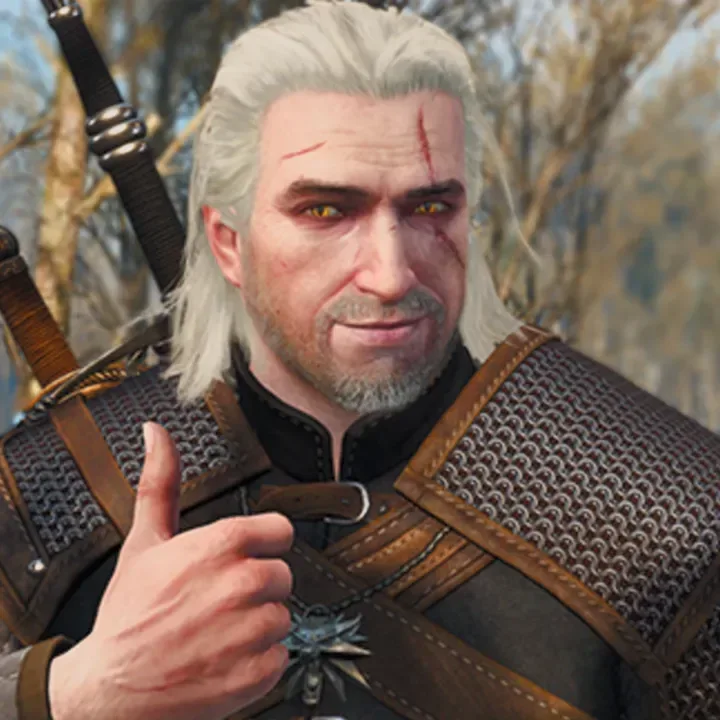
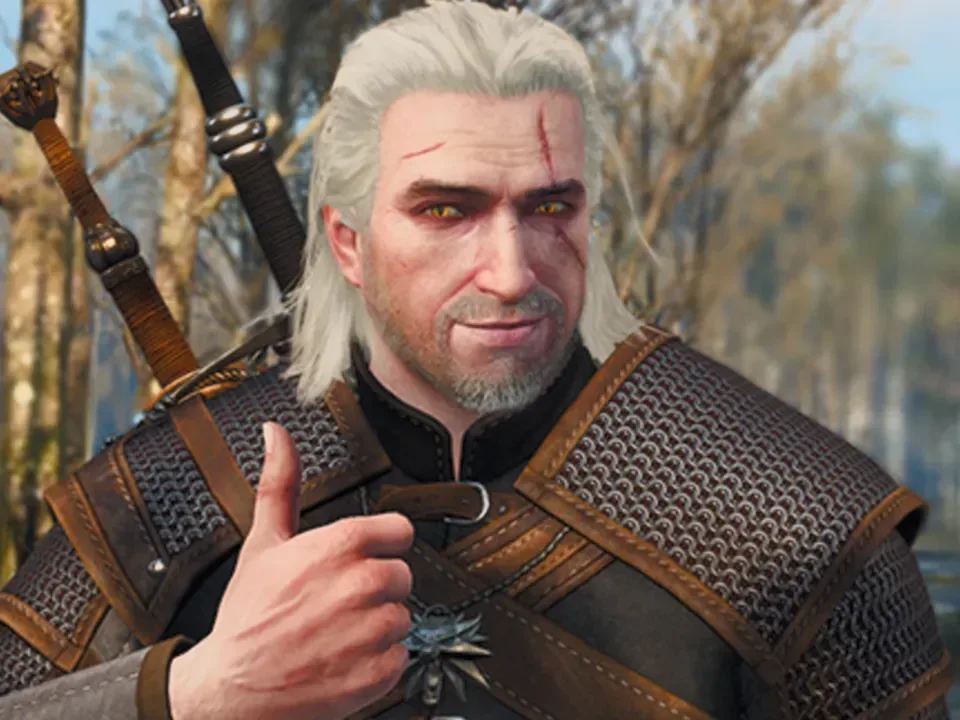
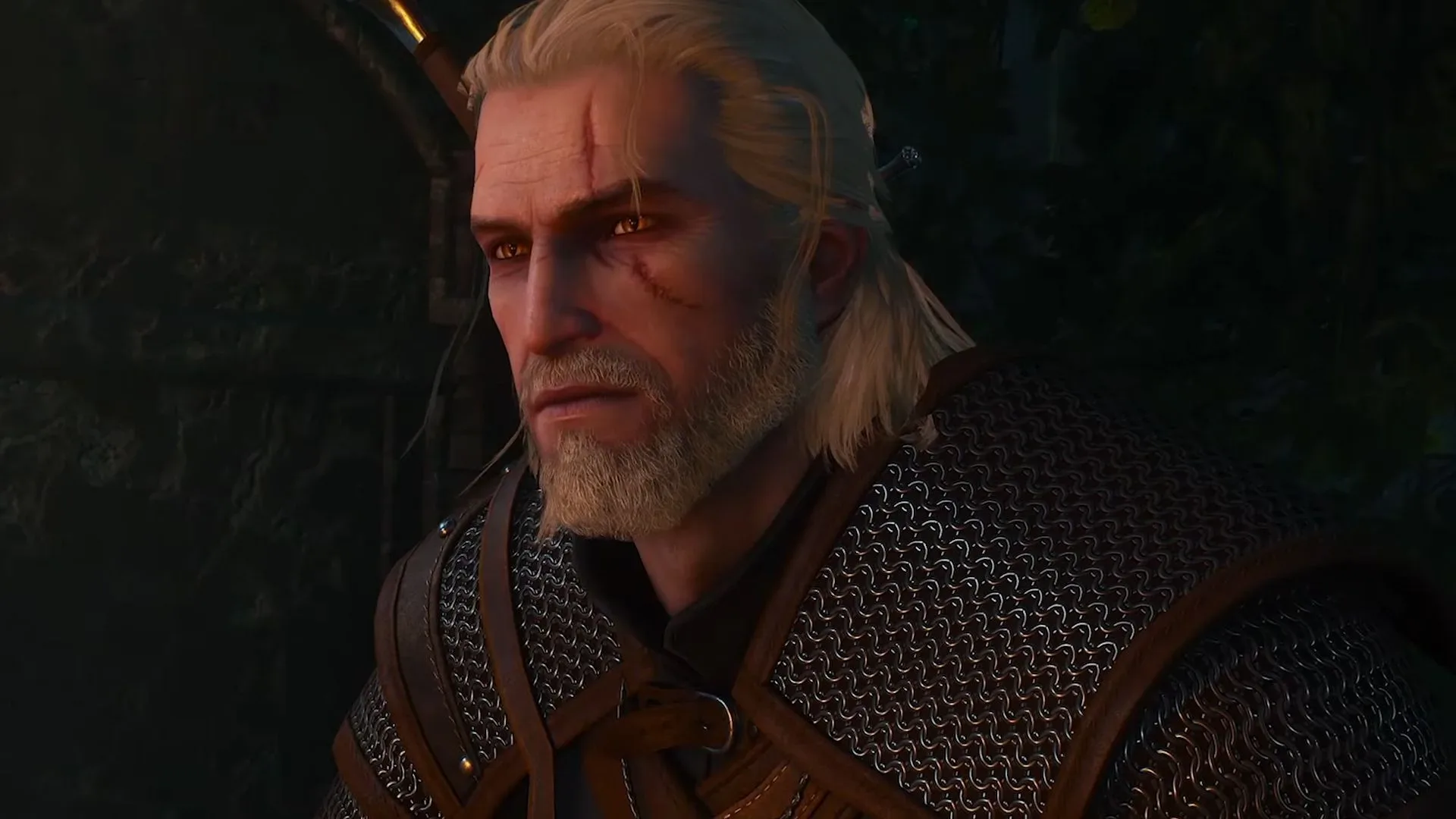
Armor is another example of how raw detail and visual preference can diverge. The remastered image shows substantially more detail on Geralt’s armor overall. That is an observable improvement in fine surface information. At the same time, criticism from the comparison has singled out particular areas, including the glove turned toward the camera, as looking less appealing than before.
There is a useful distinction here between texture detail and material response. Texture detail is the visible patterning, wear, seams and grain applied to a model. Material response is the way that surface appears to react to lighting: whether leather reads as soft, metal reads as metallic, or wet hide reads as soaked rather than polished. A newer asset can contain more minute information but still be judged less believable if its lighting, roughness or color treatment changes the material’s character.
The drowners are receiving a similar response. Some viewers feel the remastered creatures look wetter, while preferring the older version’s scalier or muddier appearance. That does not establish an objective winner from one compressed side-by-side clip. It does show why a remaster cannot be assessed by resolution alone. Wetness, mud, scales and aged armor are all visual cues with different emotional effects. A cleaner, shinier treatment may demonstrate technology while weakening the unpleasant, swampy quality players want from the monsters.
Why ray tracing does not end the conversation
Ray tracing is frequently used as shorthand for “better graphics,” but that is too blunt a description. It is a set of lighting techniques, not an art direction. Its value is often clearest in motion and across a wider range of scenes, where subtle contact shadows, indirect light and reflections can create a more coherent world. A single clip cannot settle how the remaster looks as a whole.
It can, however, reveal a meaningful concern. If an effect that was strongly visible in the older presentation is not visible in the newer one, viewers are reasonable to ask what they have gained and lost. A technically advanced lighting approach may be working as configured, while a separate artistic effect that players found dramatic is no longer being emphasized. Those are different issues.
It is also worth resisting the opposite overreaction. The footage provides a short, highly specific encounter rather than a complete comparison of the games. It is not enough evidence to declare the remaster categorically worse. The strongest conclusion is narrower: this official showcase has not convinced everyone that the revised water and fog treatment is an improvement, even alongside the visible gains in armor and water definition.
What the reaction says about remasters
Fans’ responses have ranged from detailed complaints about reflections, fog and creature textures to one blunt question over whether the two versions had been swapped. The sarcasm is telling. Players are not only looking for technical upgrades; they are looking for continuity with an existing visual memory.
A remaster occupies an awkward space. It is expected to look new enough to justify revisiting the game, while remaining recognizable enough that favorite scenes retain their identity. Lighting changes are particularly volatile because they touch nearly everything at once. They affect color, contrast, visibility, atmosphere and the apparent condition of every surface. Even a subtle shift can make a familiar location feel unlike itself.
That does not mean remasters should freeze games in time. It means comparisons need to explain what they are showing. A carefully selected swamp clip may be useful for demonstrating detail and lighting, but it also invites intense scrutiny of every reflected flame and wisp of mist. In this case, it has done exactly that.
What players can do before September 29
The remaster is due September 29, and save data will carry over for players who choose to upgrade. That continuity is important: it means an existing adventure does not have to be abandoned to move into the updated build.
PC players who prefer the current visual presentation may have another option. They should be able to roll back to an earlier version of the game, while those wishing to avoid an unwanted change can turn off automatic updates. The available rollback path and relevant build options should be checked on the player’s own platform before making changes, particularly if maintaining a mod setup or a preferred version matters to them.
Whether consoles will offer an equivalent version-selection option is not established here. Console players who strongly prefer their existing installation should therefore be cautious about automatic updates until the platform-specific position is clear.
For PC players weighing visual features more broadly, the discussion also lands at a moment when graphics hardware and peripherals continue to chase ever more sophisticated feedback and rendering experiences. New PC gear is increasingly built around technical refinements, but the Witcher debate is a reminder that a feature list does not decide how an image feels.
A showcase that raised more questions than it answered
The official footage succeeds at one thing without question: it gives players clear details to discuss. Geralt’s armor, the water, the flame reflection, the low fog and the drowners’ finish all become visible points of comparison. The remaster may deliver broader improvements that this moment cannot capture, but this particular scene demonstrates why “newer” and “better” are not interchangeable terms.
For now, the most measured reading is that the remaster’s visual direction is divisive, not definitively settled. The higher-detail armor and sharper water are real advantages in the clip. So are the concerns that the older scene has a more forceful fire reflection and a fog treatment some players find more atmospheric. The September 29 release will give players a fuller basis for deciding which version of the Continent they prefer.