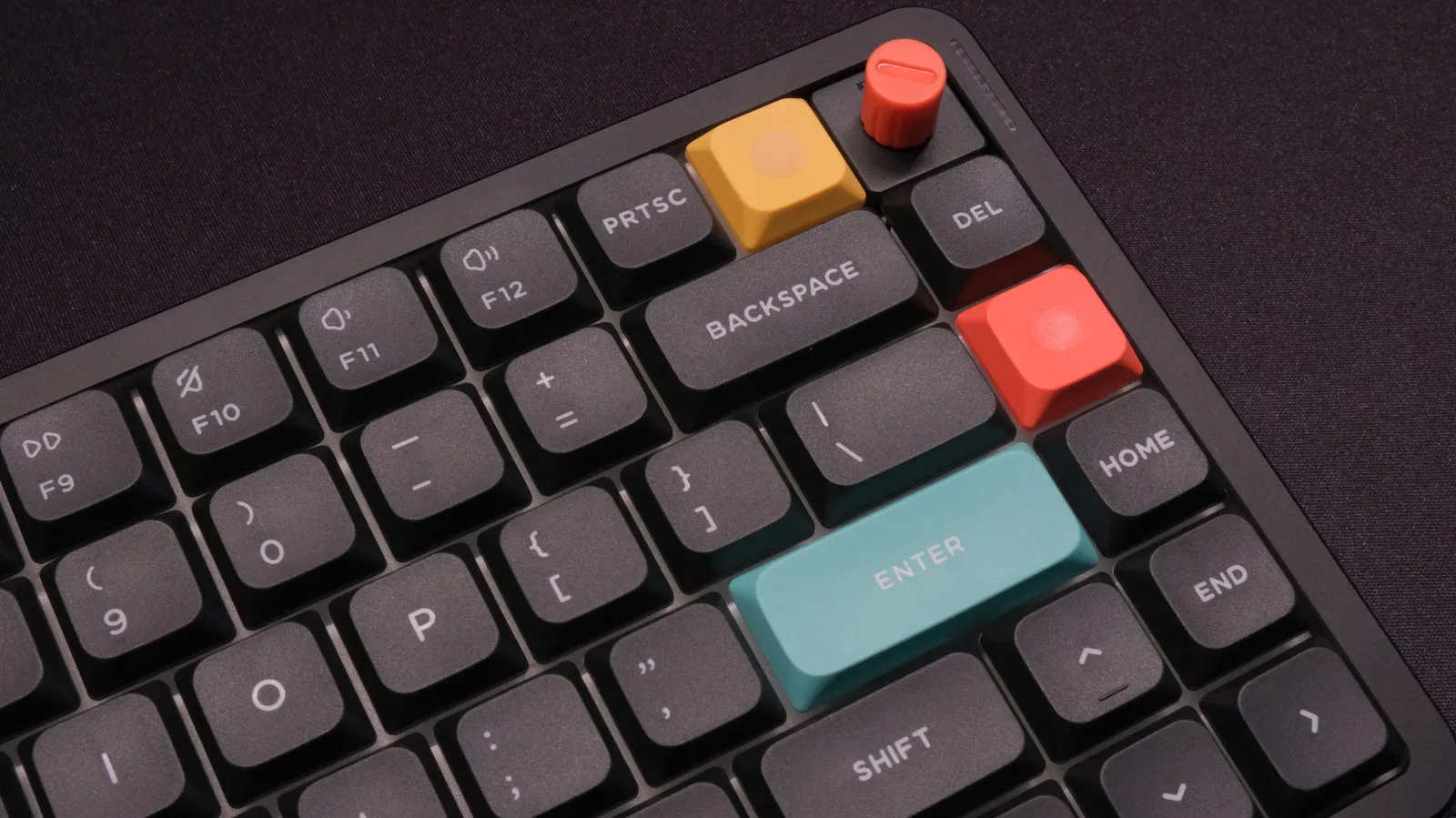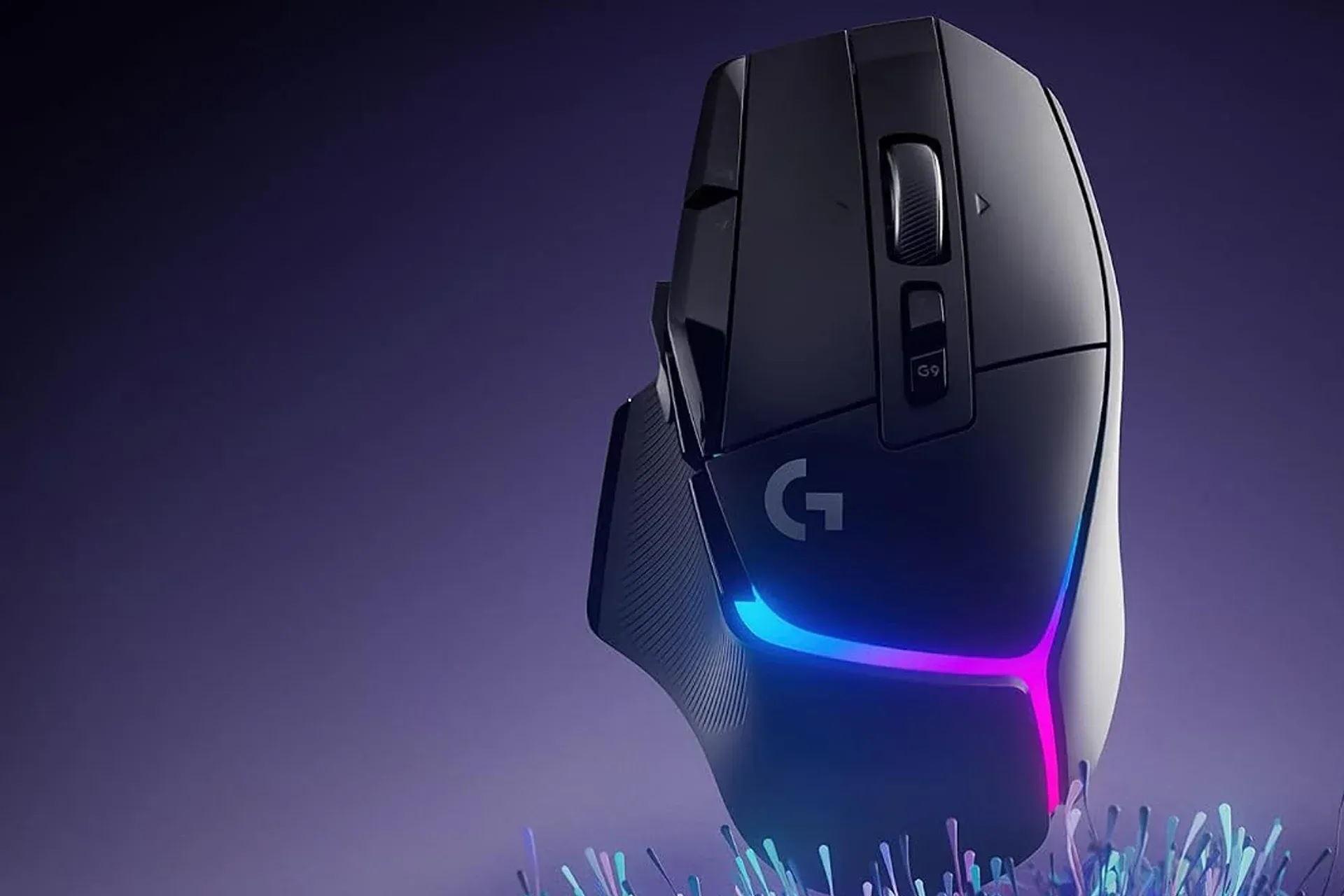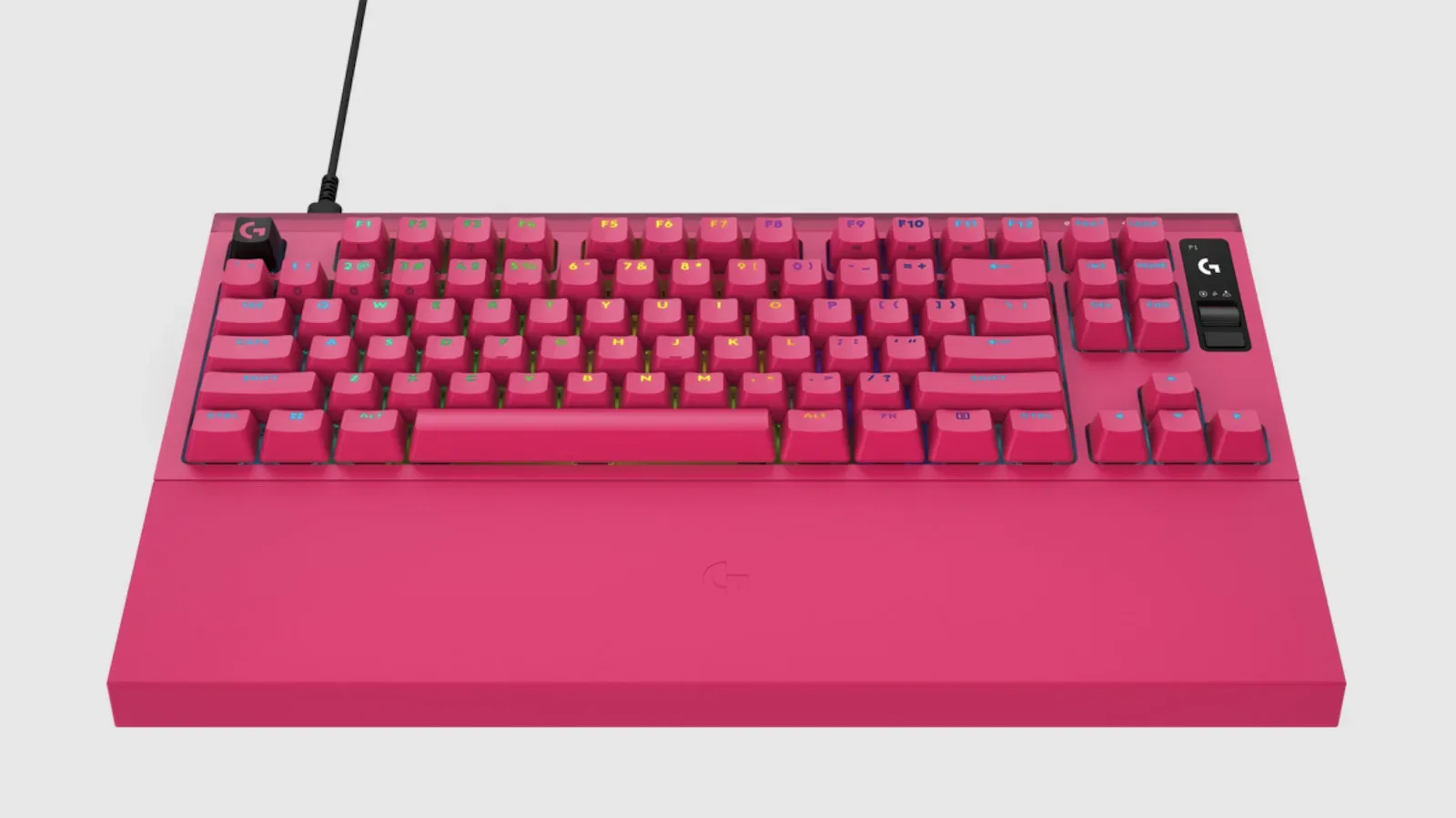
Logitech has expanded its Pro gaming-accessory range with four peripherals aimed squarely at players who care about the small physical details between a thought and an on-screen action. The lineup consists of the Pro X3 Superstrike Mouse, Pro X Control Mousepad, Pro X2 Rapid Gaming Keyboard and Pro X3 Lightspeed Gaming Headset.
It is a concentrated refresh rather than a single headline device. Logitech is addressing the mouse, keyboard, surface and communications parts of a PC setup at once, with a clear emphasis on competitive use: quicker directional changes, configurable key behavior, stable mouse movement, cleaner voice capture and less charging interruption.
The keyboard is available now for $230. The $200 Pro X3 Superstrike Mouse is scheduled for October 6, while the $60 Pro X Control Mousepad and $250 Pro X3 Lightspeed Gaming Headset are due October 8.
The range at a glance
- Pro X3 Superstrike Mouse: $200; available October 6.
- Pro X Control Mousepad: $60; available October 8.
- Pro X2 Rapid Gaming Keyboard: $230; available now.
- Pro X3 Lightspeed Gaming Headset: $250; available October 8.
Buying all four would total $740 before any applicable taxes. That is firmly premium territory, and it makes the individual role of each product worth considering. A peripheral can be technically ambitious without being equally important to every kind of player. Someone whose chief frustration is a headset dying mid-session has a different priority from an FPS player seeking more immediate keyboard movement changes.
Pro X3 Superstrike Mouse replaces mechanical click switches with haptics
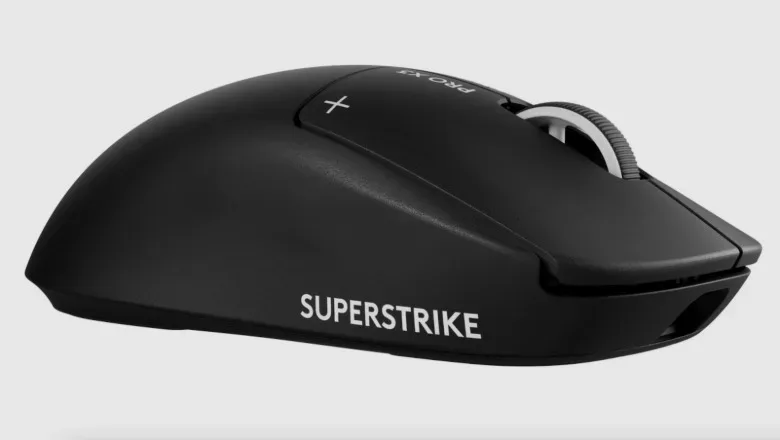
The Pro X3 Superstrike Mouse refreshes the Pro X2 and is positioned around longer battery life, precision and control. Logitech describes its chassis as lightweight and balanced, but the defining technical point is HITS, a proprietary haptic-trigger system that replaces conventional microswitches.
A microswitch is the physical switch mechanism traditionally found beneath a mouse button. Pressing the button actuates that component and registers a click. Logitech’s HITS approach instead uses haptic triggering. Haptics refers to feedback felt by the user, such as a tactile pulse or click sensation. In practical terms, the goal is to preserve a decisive button feel while moving away from the traditional microswitch mechanism.
That distinction is potentially meaningful because mouse clicks are both input commands and physical feedback. In shooters, a click may correspond to firing; in strategy games, it may confirm selections; in creative or everyday desktop work, it is simply a repeated point of interaction. A haptic design could change how that response feels, but players should avoid treating a new switch approach as an automatic, universal performance gain. Button feel is personal, and the available details do not establish how HITS will suit different grip styles or preferences.
The stated focus on balance also deserves a grounded reading. A balanced mouse is intended not to feel disproportionately weighted toward its front, rear or sides during motion. That can matter over extended sessions, particularly for players who make frequent low-sensitivity sweeping movements. But it is not a substitute for a comfortable shape. Weight distribution, size and hand fit remain separate considerations.
At $200, the Superstrike Mouse is an investment in a specific package: claimed extended battery life, a lightweight balanced chassis and an unconventional haptic-trigger design. It is not simply a routine cosmetic update to the older Pro X2.
The $60 mousepad is built around consistency, not spectacle
The Pro X Control Mousepad uses specialized knitted cloth designed for balanced, omnidirectional glide and precise control. Logitech also says it has a high-friction base to keep it stable on a desk.
“Omnidirectional glide” means the surface is intended to offer a consistent movement experience regardless of whether the mouse moves horizontally, vertically or diagonally. The high-friction base serves the opposite purpose beneath the pad: it is there to resist movement of the pad itself. Together, those choices point to predictability—free motion on top, a planted surface underneath.
That may sound less dramatic than haptic mouse buttons or magnetic keyboard switches, but the mousepad is part of the same input chain. A high-end mouse cannot fully define a player’s tracking or aiming feel if the surface below it slides around or behaves unevenly. The Pro X Control’s $60 price also makes it the lowest-cost entry to the new group, though “lowest-cost” should not be mistaken for inexpensive in the broader mousepad market.
For players considering the new mouse, the pad is the most natural companion product. Still, nothing in the announced specifications says the Superstrike requires this particular surface. The value proposition is a matched design philosophy, not an exclusive technical dependency.
Pro X2 Rapid keyboard puts adjustable magnetic switches to work
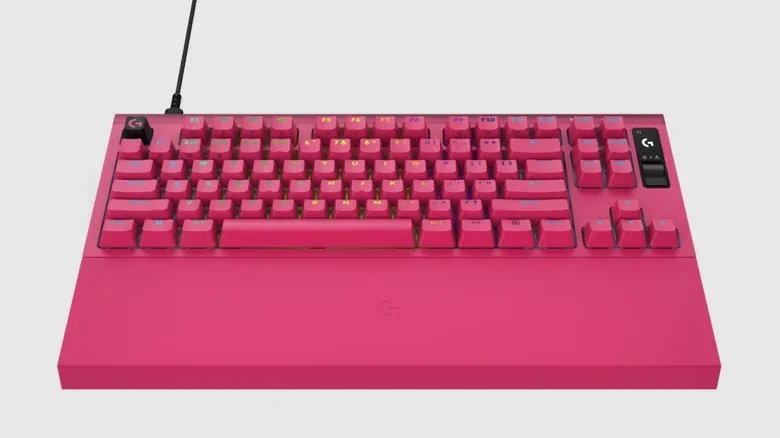
The Pro X2 Rapid Gaming Keyboard is available now for $230. It features custom magnetic switches with granular key-sensitivity adjustment, along with Logitech’s Rapid Trigger and Key Priority systems.
Magnetic switches are switches designed to use magnetic sensing rather than relying solely on a conventional fixed physical actuation point. Here, Logitech says their purpose is granular customization of key sensitivity. Put simply, users can tailor how a key responds to press depth or sensitivity instead of being limited to one unchanging behavior.
The company’s Rapid Trigger technology resets a key as soon as a finger starts lifting. A traditional keyboard action can require a key to travel back past a reset point before another input registers. Logitech’s stated approach is intended to make that reset happen at the start of the lift, which can reduce the time between repeated presses.
The most immediate use case is movement in competitive games. Strafing—moving sideways, usually left or right—is a basic part of FPS positioning. Fast, controlled reversals can matter when peeking around cover, avoiding fire or changing direction during a duel. A keyboard designed to reset a movement key promptly is attempting to make those reversals feel more responsive.
Key Priority extends that movement focus. Logitech says it can register a secondary input without requiring the player to release the prior input. The practical implication is that a player moving one way can more readily transition to an opposing directional command. It is an unusually specific feature to place front and center, and it makes the keyboard the clearest competitive-play product in this release.
There is an important boundary between faster registration behavior and better decision-making. These systems may reduce friction in an input sequence, but they cannot pick the correct moment to strafe, aim, stop or commit to a fight. Players most likely to value them are those who already care about fine control of movement mechanics, rather than those looking for a broad upgrade in every game genre.
Pro X3 Lightspeed headset emphasizes battery endurance and voice controls
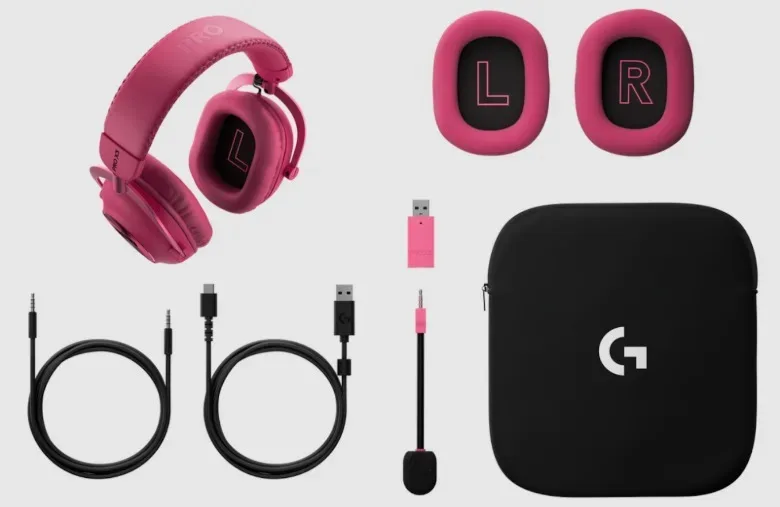
The Pro X3 Lightspeed Gaming Headset arrives October 8 for $250. Its headline specification is up to 70 hours of battery life per charge, which Logitech says is a 40% increase over the preceding version. It also has a studio-grade 48kHz microphone and a 10-band EQ accessible in Logitech’s G Hub software.
Battery life is one of the simpler specifications to translate into day-to-day benefit. More hours per charge potentially means fewer interruptions and less need to build charging into a routine. The 40% comparison is notable, although battery results can still depend on how a headset is used; the announced information does not provide further conditions for the 70-hour figure.
The 48kHz microphone specification refers to the sampling rate cited for the microphone. Sampling is the process of taking measurements of sound over time in order to represent it digitally. Logitech characterizes the mic as studio-grade, but that label should be understood as product positioning rather than a complete description of how the microphone will sound in every room or voice-chat scenario.
The 10-band EQ, or equalizer, is a more direct customization tool. An equalizer divides sound adjustment into frequency ranges, often called bands. With 10 bands available through G Hub, users can tune different parts of the headset’s audio presentation through Logitech’s software. This can be useful for people who want to alter the emphasis of their listening profile rather than accept one fixed tuning.
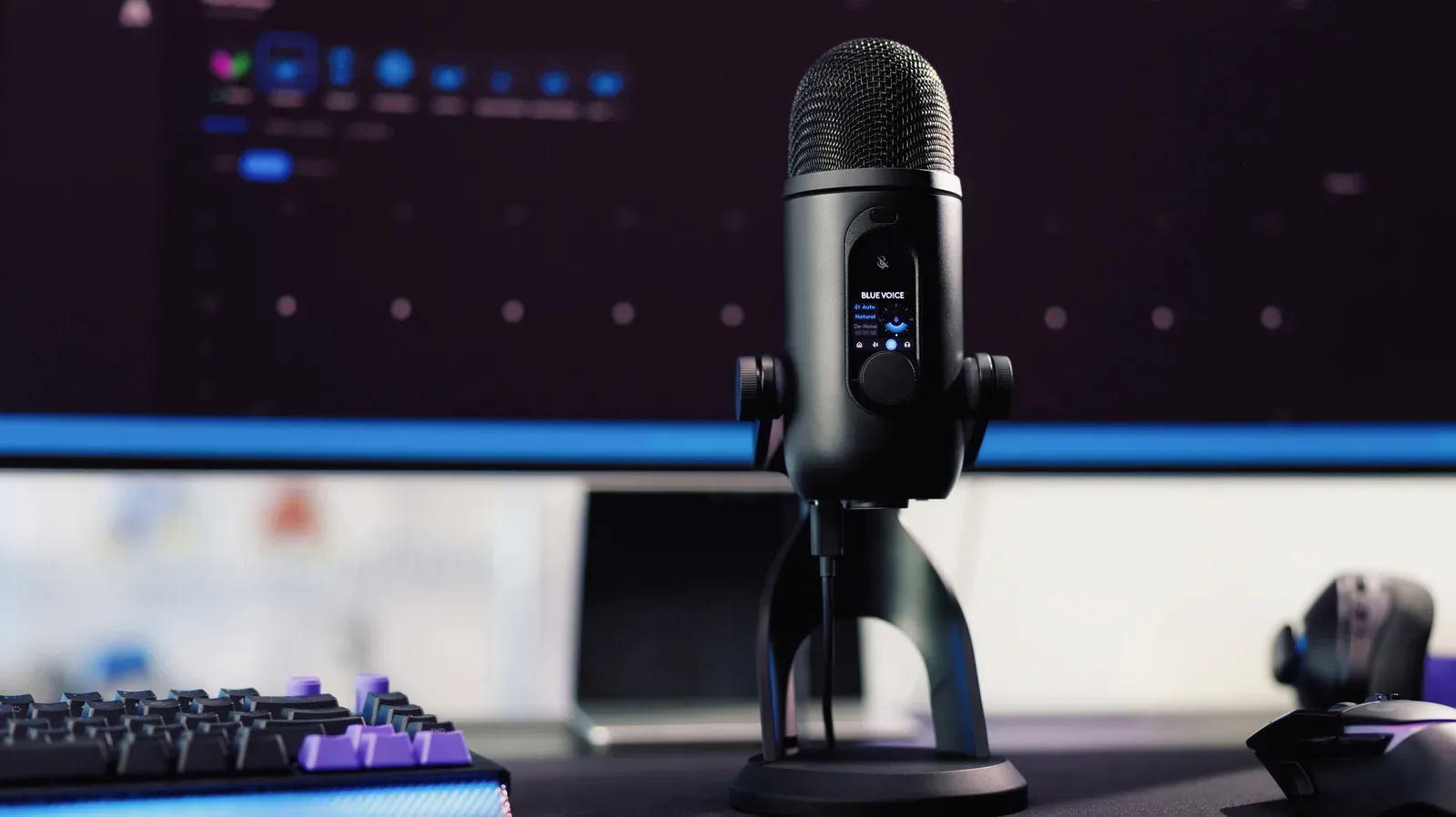
G Hub also connects this headset to Logitech’s wider software approach. Players who prefer software-level controls may see the EQ as a welcome addition; those who favor a set-it-and-forget-it headset should note that this particular sound adjustment is accessed through the company’s proprietary application. Logitech’s microphone efforts have also extended beyond this headset category, as seen with the Blue Yeti 2’s voice-focused features.
What the four-product launch says about Logitech’s priorities
Each accessory tackles a different kind of friction. The mouse changes the click mechanism and promises longer battery life. The pad aims for stable, even movement. The keyboard concentrates on actuation, reset timing and competing directional inputs. The headset offers a larger battery claim, microphone specification and configurable EQ.
That makes this less about one sweeping innovation than an effort to refine the physical systems players touch most often. The keyboard’s Rapid Trigger and Key Priority features are perhaps the most explicitly game-mechanics-oriented elements, especially for FPS players. The mouse’s HITS design is the most unusual hardware proposition. The headset’s endurance figure may be the easiest feature for a wide group of users to understand, while the mousepad supplies the supporting surface that can make a desk setup feel dependable.
The pricing also creates clear choices rather than a single obvious buy. Players satisfied with their keyboard but needing a new audio solution can consider the headset on its own. Those focused on competitive movement may gravitate toward the Pro X2 Rapid. Mouse users who specifically want to try a haptic-trigger alternative have the Superstrike as the dedicated option. And players seeking a stable cloth surface can look at the Pro X Control without committing to the rest of the range.
For now, the concrete buying details are straightforward: the keyboard is on sale now; the mouse follows on October 6; and the mousepad and headset arrive October 8. The wider promise is equally clear. Logitech is betting that competitive PC players will value more control over exactly how their hardware clicks, resets, glides, sounds and stays powered.