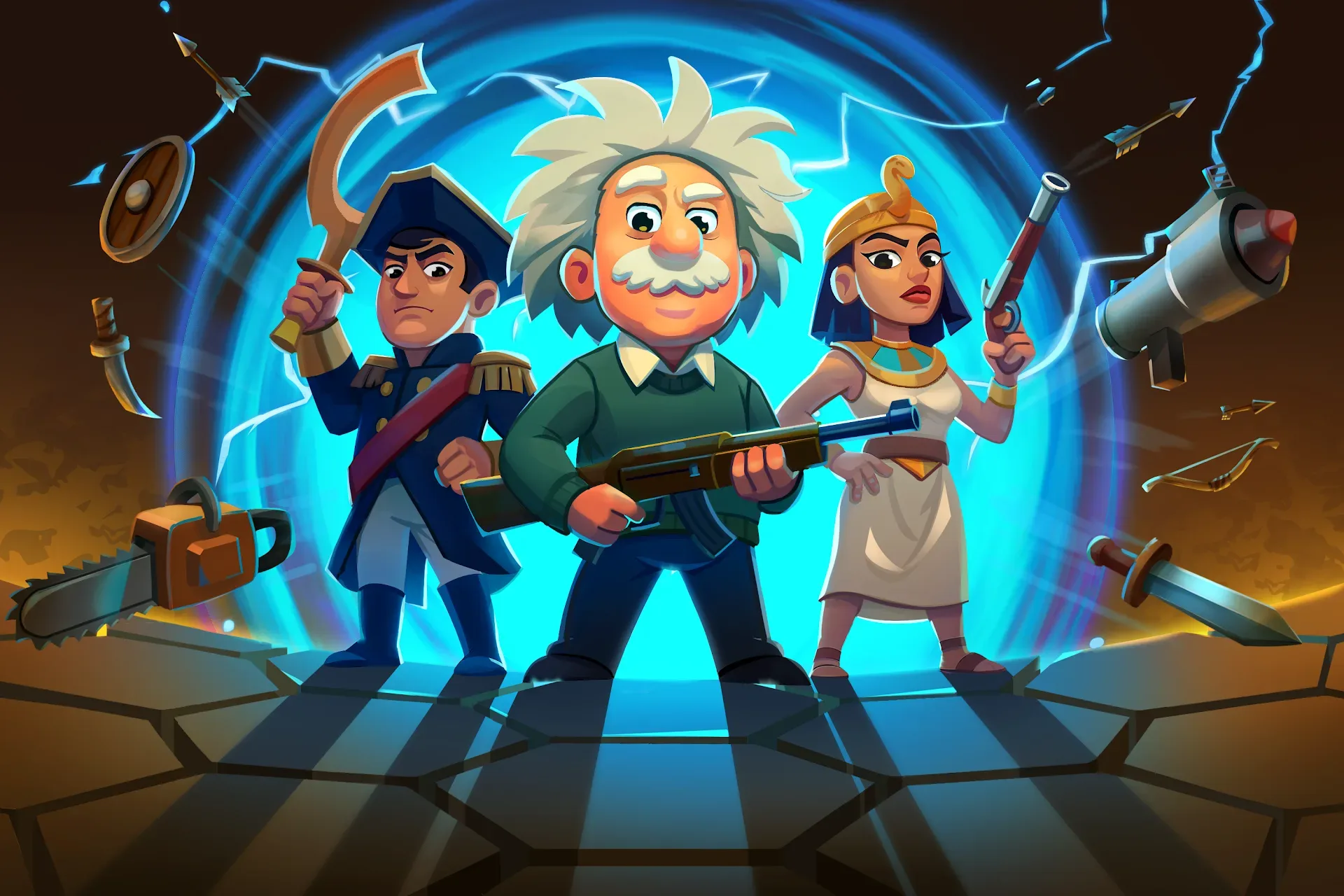

The Undercity: Last Light is now available through Steam Early Access on Windows and macOS. The single-player colony simulation game asks players to establish and sustain a settlement beneath the surface, combining 2D pixel-art presentation with resource production, specialist management and survival pressures.
Its central premise is notably people-focused: production chains are not treated as abstract machines that run forever. The workers supporting them need rest, care and somewhere to live. That puts the condition of the underground population alongside expansion and output as a core part of operating the city.
An underground city built around its residents
Colony sims generally give players responsibility for a growing settlement: placing infrastructure, assigning labor and ensuring that necessary materials or services keep moving. In The Undercity: Last Light, that framework is taken below ground. Players dig out an underground city and organize the people who inhabit it.
The game identifies production chains as a major system. In management games, a production chain is the sequence of work required to turn inputs into something useful. One task or resource feeds the next, so a delay at any point can affect everything that depends on it. The available description does not specify individual resources or buildings, but it does make clear that the system depends on workers whose basic needs matter.
That distinction gives housing, rest and care practical importance rather than presenting them as merely decorative additions to a city layout. A player expanding too aggressively may need to account for whether the population has an adequate place to live and enough recovery time to sustain the jobs on which the settlement relies. Conversely, a carefully supported workforce can be understood as part of the city’s productive foundation, not separate from it.
Shift management raises the planning stakes
The Undercity assigns players the task of managing specialists across shifts. A specialist is a worker with a particular role or area of expertise; shift management means planning when different workers are active rather than treating labor as a single, uninterrupted pool.
That setup suggests a city with competing demands over time. Work must be distributed across shifts, while workers still require rest and care. The stated features do not establish exactly how schedules are configured or what penalties apply when needs are not met, so players should avoid assuming a particular level of simulation detail before trying the Early Access version. What is clear is that staffing is intended to be more than selecting a worker and forgetting about them.
For fans of the genre, the appeal is in the tension such systems can create. Expansion is not simply a matter of digging more space and finding more tasks. The settlement’s growth must coexist with the human requirements of the specialists keeping its production chains moving. An efficient arrangement on paper may not remain effective if the people working it lack rest, care or housing.
Related coverage includes The Undercity: Last Light Enters Steam Early Access on PC and Mac.
Earthquakes and forgotten regions add external pressure
Life underground will not be governed solely by a player’s planning. Earthquakes are among the threats the city must face. The game description does not detail their frequency, effects or available countermeasures, but their presence signals that the settlement must contend with disruptive events as well as ordinary management duties.
That matters especially in an underground setting, where digging and construction are fundamental to the city’s identity. A natural hazard can turn a stable plan into a recovery problem, forcing attention toward the balance between development, safety and the continued wellbeing of residents. The specifics remain for Early Access players to discover, but earthquakes provide a defined source of uncertainty beyond production and scheduling.
There is also a story that leads into forgotten regions. This indicates that progression is not limited to repeatedly optimizing one established base. The game has a narrative component tied to exploration beyond the familiar areas of the underground world. No further story details, characters or destinations have been outlined, so the safest expectation is simply that exploration and narrative are part of the game’s stated structure.
What Steam Early Access means here
Early Access is a release model in which a game is made available before its final version. It can allow players to begin engaging with a project while development continues, but it also means prospective players should distinguish confirmed current features from assumptions about future content, balance or technical changes.
For The Undercity: Last Light, the confirmed release information is straightforward: it is in Steam Early Access for Windows and macOS. Its listed text language support is English and Turkish. No other platforms, languages, release timetable or roadmap details are established here, so those should not be presumed.
The macOS version is particularly relevant for players who often find PC-focused simulation releases limited to Windows. Cross-platform availability does not by itself indicate identical performance or feature parity, but it does mean the game is being offered on both desktop operating systems at this Early Access stage. Readers interested in the broader macOS gaming and development landscape can also see a recent cross-platform development update for Linux and macOS.
Who the premise may suit
The pitch should be most relevant to players who enjoy single-player management games where organization has human consequences. The 2D pixel-art style establishes a deliberately compact visual approach, while the gameplay description emphasizes the systemic work of digging, assigning specialists and maintaining a functioning population.
Players looking specifically for a colony sim with a combat-focused premise should note that combat is not among the stated features. Likewise, the available information does not confirm multiplayer, procedural generation, mod support, controller support or detailed disaster mechanics. The strongest confirmed reasons to pay attention are the underground-city setting, worker-needs model, shift-based specialist management, earthquakes and story-driven travel into forgotten regions.
In short, The Undercity: Last Light frames survival as a communal logistics problem. Building below ground is only the first part of the job. The city must also support the people operating it, keep its production chains viable through scheduled work and respond when the underground environment refuses to cooperate.