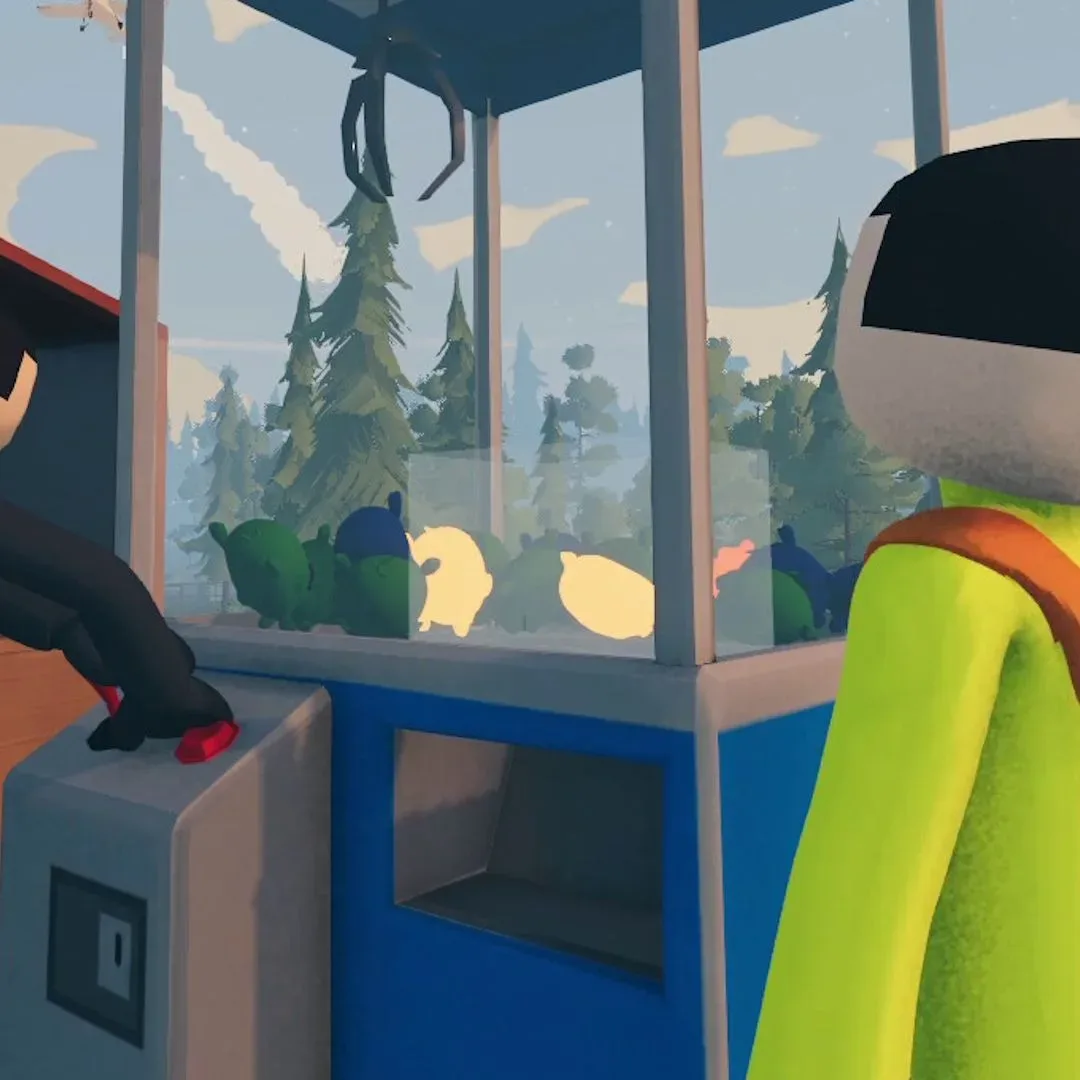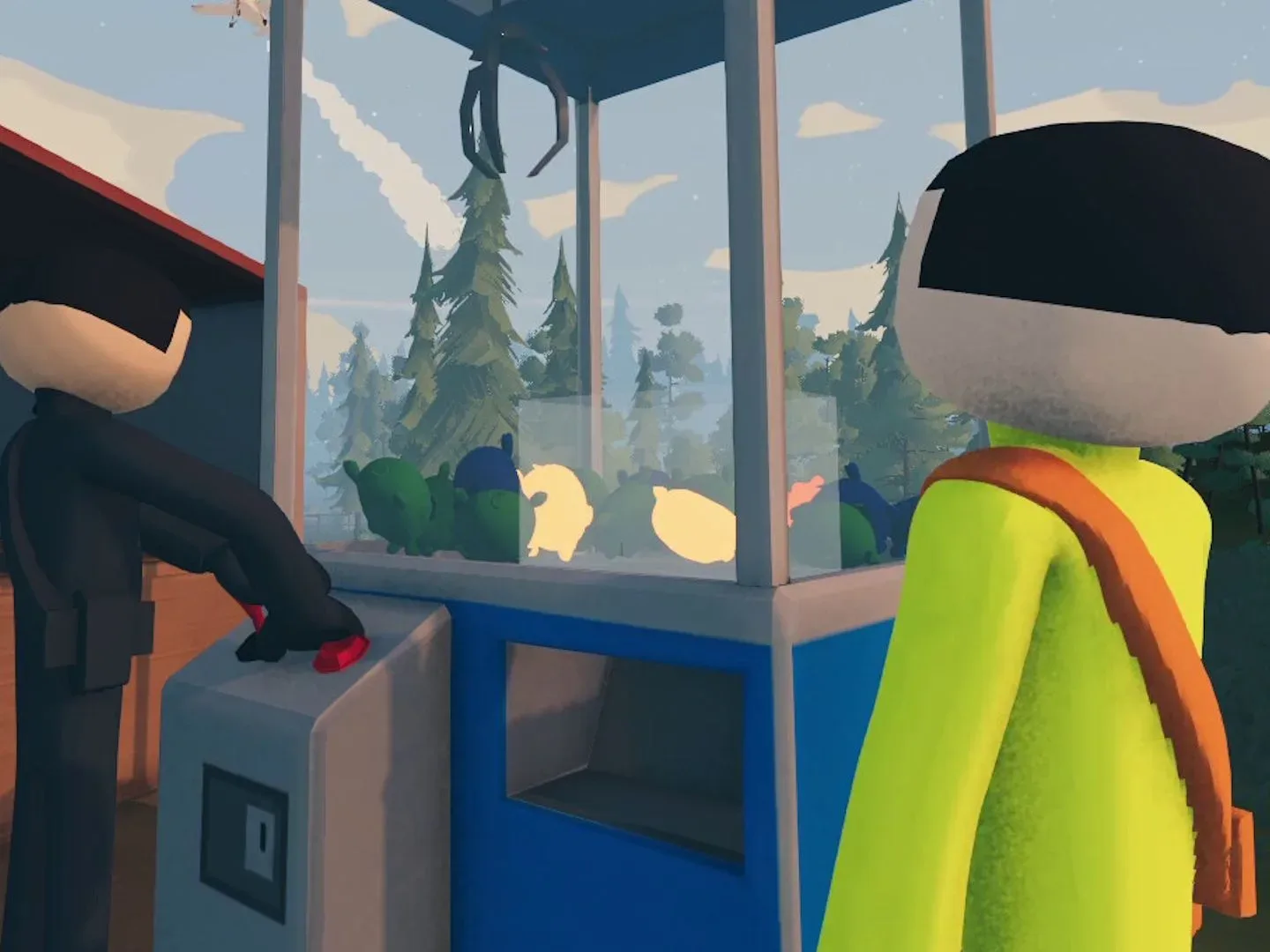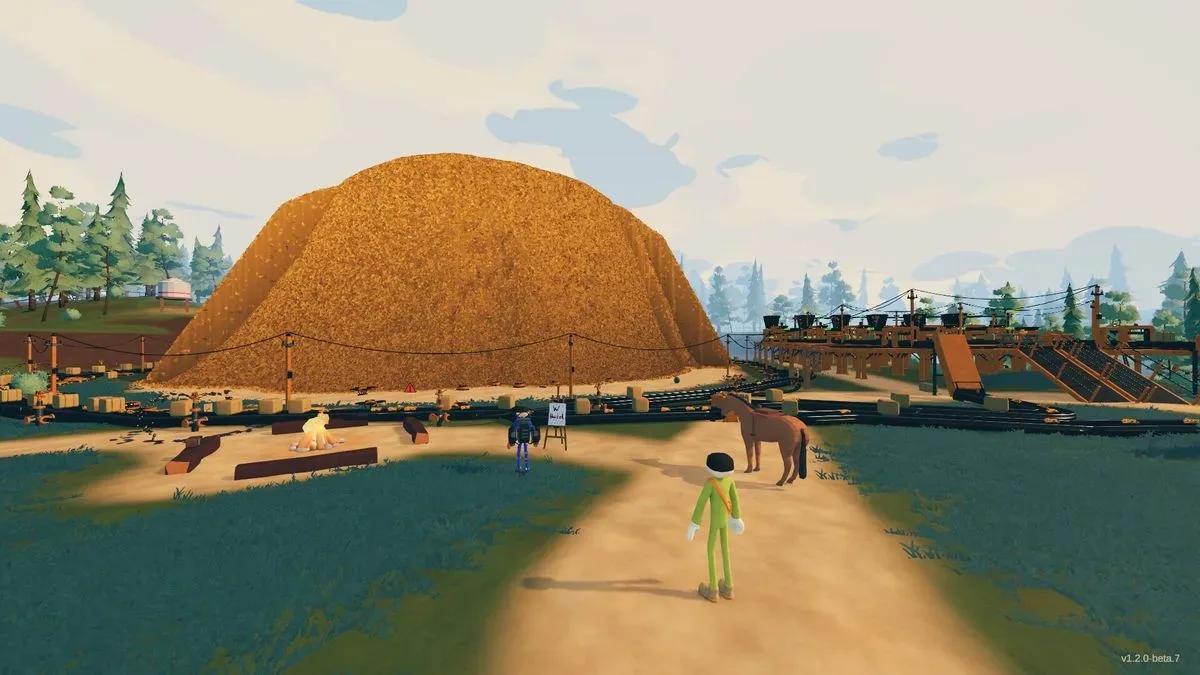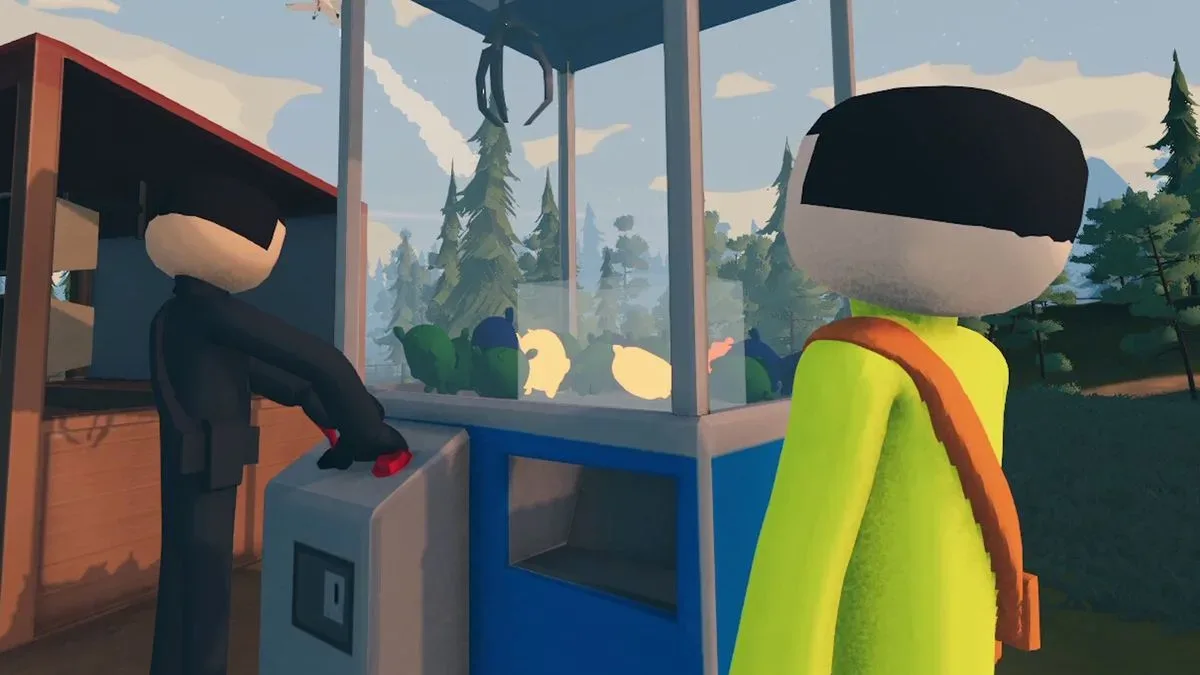
A miniature Steam gold rush built around finding needles in haystacks has produced an unusually circular dispute: the developer of one apparent imitator is accusing another similarly named game of taking more than the idea.
NoGlyph, the developer behind the co-op title Needle In A Haystack, alleged in a Steam discussion post that A Game About Needle In A Haystack shipped code copied from NoGlyph’s project without permission. The accused game now appears to be unavailable on Steam. Its discussion post was deleted as well, while an archived store-page version remains accessible elsewhere.
The important qualification is that the code-theft allegation has not been independently established by the material available here. Steam’s apparent removal does not, by itself, identify a reason or prove the claim. Still, the dispute is a useful illustration of a line that can get blurred when a quick trend generates a pile of nearly identical storefront listings: borrowing a premise is not the same thing as copying somebody’s implementation.
A separate report on the apparent Steam removal likewise frames the matter as an allegation, rather than a confirmed finding of copied code.
For more context, explore Patrick Stewart Death Claims Prompt Marvel Tribute, but Independent Confirmation Remains Unclear.
What NoGlyph alleged
The archived complaint was posted by Steam user Jahvin. The profile was connected to NoGlyph’s Steam group and Steamworks development page, tying the message to the developer of Needle In A Haystack.
Jahvin’s central allegation was direct: A Game About Needle In A Haystack allegedly contained code taken from NoGlyph’s game. The post specifically said that NoGlyph’s own error messages had been retained word for word. Error messages are the text a game displays when something goes wrong—anything from a failed action to a missing reference or an unexpected state. Identical wording alone can be suggestive, especially if unusually specific, but it is not enough from the outside to reconstruct the entire technical case.
The developer also identified two alleged points of overlap: demo builds dated September 20 and September 21, 2026. The competing title was said to have launched on October 16. The timeline is plainly part of NoGlyph’s argument: it presents the contested game as having emerged shortly after the demos it allegedly resembled.
Those details explain why the complaint is more serious than the usual argument over lookalike games. A familiar concept, an overlapping title, similar art direction, or a matching store description can make a game feel opportunistic. None of those, on their own, demonstrate that a developer copied source code. NoGlyph’s allegation instead concerns the underlying work used to make the game function.
Idea, expression and implementation are different things
“Find a needle in a haystack” is a joke-sized game premise: a literalization of an impossible search. It is easily understood, easily pitched and, crucially, easy for multiple developers to attempt. That makes it a poor candidate for being treated as a fully fledged genre in the same sense as a roguelike or another established design family.
A creator can make a game about a needle hunt without automatically taking another developer’s game. The broad activity—searching through hay for a tiny object—is an idea. A particular arrangement of systems, assets, written text and code is an implementation. The distinction matters even when the storefront names are so close that players could reasonably question whether one listing is riding another’s attention.
In technical terms, source code is the human-readable instructions that developers write and maintain. It defines behavior: how players interact, how an item is placed, how multiplayer logic works, how a timer updates, and how the game reacts when something fails. A released game generally runs from software built from that code, rather than exposing the original files in a neat, readable form.
That is why a public allegation of “line-for-line” copying is difficult to evaluate without supporting material. A developer could compare project files, unique strings, structure, comments, assets, build behavior, or other evidence. But none of that evidence is included in the archived complaint described here. Observers therefore have a claim, a stated timeline, and an apparent store removal—not a publicly demonstrated code comparison.
Why identical errors drew attention
Error text can be revealing because it may contain peculiar phrasing, spelling, internal terminology, or references to a very specific condition. If two small projects surface the same distinctive error at the same moment, it may raise questions about shared origins. On the other hand, public tools, common tutorials, shared middleware, or generic wording can also produce similarities.
That is not a defense of the accused game, nor is it a declaration that the allegation is true. It is simply the practical reason a dispute like this needs evidence beyond a title and a theme. Code provenance—where a piece of code came from—can be complicated. A proper assessment would need to separate original work from permitted third-party components and then establish whether any matching material was actually copied without authorization.
The naming issue remains a separate problem
Even if the code allegation cannot be confirmed from the available record, the naming situation is hard to ignore. Needle In A Haystack, A Game About Needle In A Haystack, and the viral Needle In A Haystack Simulator are close enough to signal a scramble around the same viral hook.
That is the less technical, more visible version of a clone problem. Fast followers can capitalize on search terms and player curiosity while contributing little that is distinct. The downside is not limited to developers. Players face a marketplace where it becomes harder to identify the original project, assess which page is legitimate, and understand whether a game is maintained by a team that can stand behind it.
The premise becomes especially awkward when a game’s name appears designed to sit beside another game in search results. A recognizable naming convention can be useful when it accurately identifies an established style. But attaching nearly the same phrase to a rush-release product can create confusion before anyone has even opened a store page.
NoGlyph itself is not presented here as the originator of the needle-in-haystack concept. Its game was described as drawing from the viral Needle In A Haystack Simulator. That context is central: the developer accusing another project of code copying is itself operating within a wave of games inspired by the same simple idea. It does not negate the allegation. It does make the distinction between inspiration, imitation and direct appropriation particularly important.
What Steam’s apparent removal does—and does not—tell us
The game’s store presence appears to have been removed roughly nine days before the report of the allegation, based on SteamDB update history. That makes the sequence harder to read cleanly. The disappearance may be connected to the dispute, but no reason for the removal is established in the available information.
Store removal is not a public verdict. Platforms may delist games for many reasons, and silence leaves outsiders without the documentation needed to infer a specific enforcement action. It would be inaccurate to say Valve found stolen code, or that the accused developer admitted wrongdoing. Neither point is supported here.
What can be said is narrower: a Steam listing for A Game About Needle In A Haystack appears to be gone, an affiliated developer of Needle In A Haystack alleged copied code, and the public evidence described does not allow a final conclusion. That uncertainty should shape how the story is discussed.
A practical checklist for players and small developers
For players, a swarm of near-identical listings is a reason to slow down, not a reason to assume every similar game is illegitimate. A few basic checks can reduce confusion:
- Compare the developer and publisher names, rather than relying only on a game title.
- Read a store page for specific information about the project instead of assuming similar screenshots mean a shared developer.
- Treat social-media claims and review-post accusations as leads, not settled evidence.
- Be cautious with listings that mimic a viral game’s name while offering little clear identity of their own.
- Remember that a delisting can be meaningful without explaining itself publicly.
For small teams, the episode underlines why dated builds, organized project files and documented authorship can matter. NoGlyph’s reference to particular demo dates is an example of the kind of timeline a developer may point to when asserting that its work predates another release. Maintaining records does not settle a dispute automatically, but it provides a clearer foundation than memory or a vague claim of being first.
The wider concern is that rapid cloning can make originality less visible while making serious allegations harder for ordinary players to evaluate. Steam has faced growing criticism over low-effort and AI-assisted releases, and Valve business staff have acknowledged concerns around that problem after a Steam Next Fest. Their practical advice—that developers should make games harder to copy—speaks to a frustrating reality, though it is not a complete answer for a simple viral premise that can be reproduced in countless ways.
Making a game difficult to imitate may mean building a distinctive identity around its basic hook: original systems, a recognizable tone, a community, or content that cannot be reduced to a one-line pitch. But no amount of differentiation turns an allegation into proof. In this needle hunt, the only responsible bottom line is the limited one: the accusation is serious, the listing appears to be gone, and the publicly described record does not establish why.