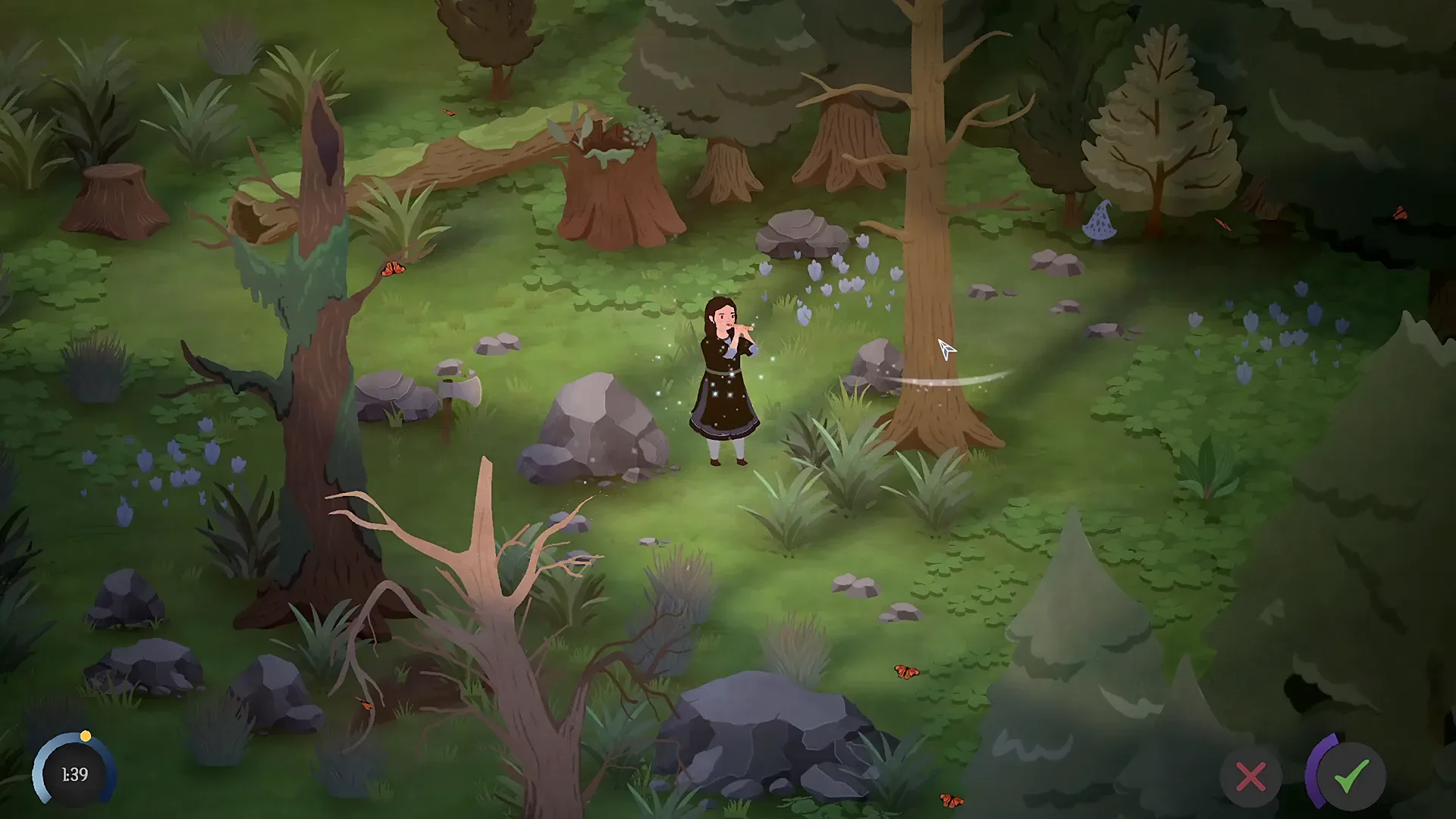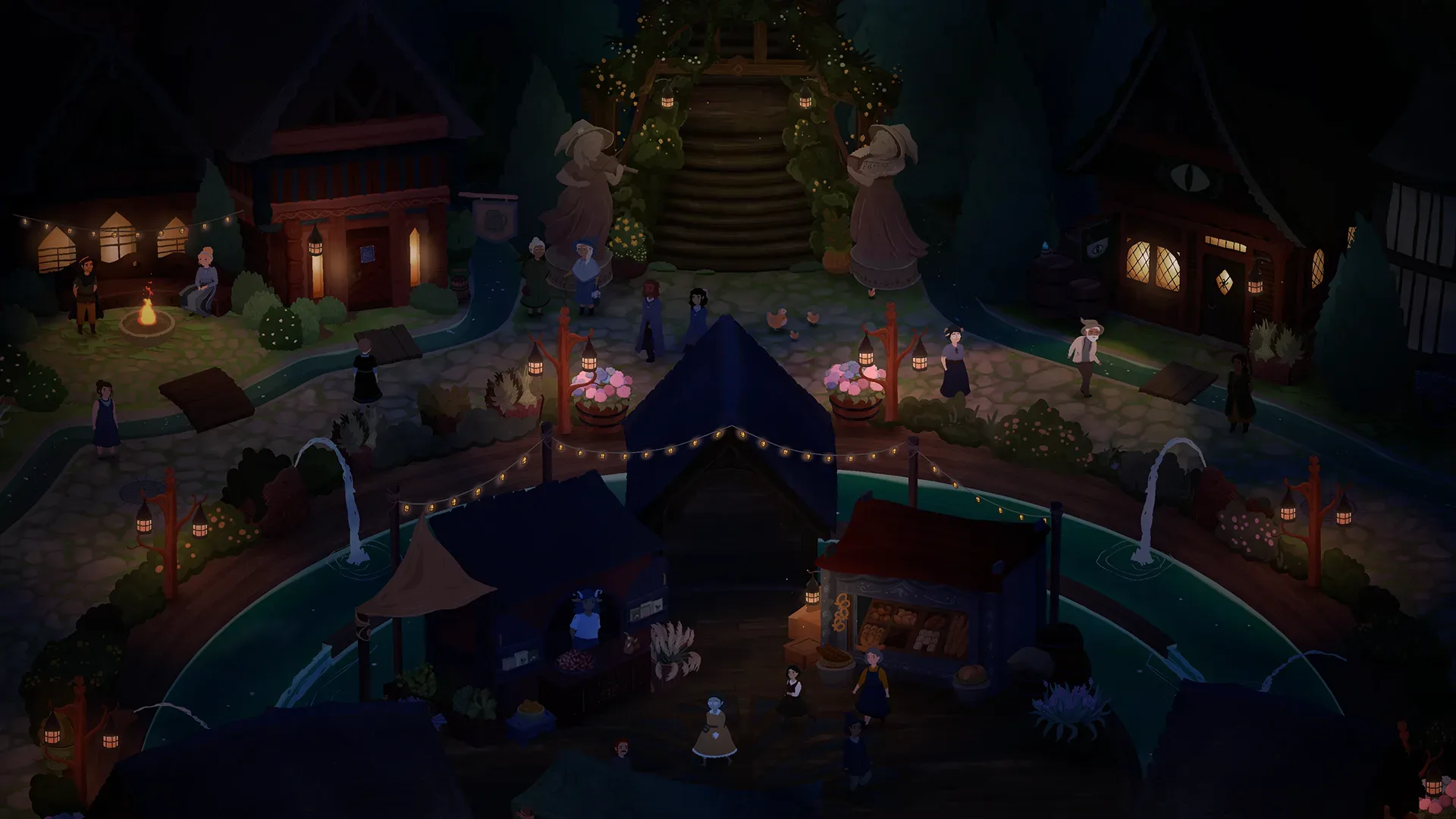
Songs of Glimmerwick is now available on Steam, opening the gates of the Etchery for players ready to enroll in a woodland university where a well-timed tune is considerably more useful than a conventional magic wand. The adventure/RPG arrives with more than 250,000 wishlists behind it, a substantial sign of interest for its blend of student life, exploration and music-driven spellcasting.
Eastshade Studios’ new game is built around an immediately distinctive premise: music is not simply part of the soundtrack or an occasional rhythm-game diversion. It is the means by which the player casts spells and interacts with the world. That idea sits at the center of a campus-focused structure that also includes classes, clubs, gardening, festivals, mysteries and extracurricular activities.
The game is priced at $24.99 USD on Steam, with a 10% launch discount running for two weeks. A $4.99 USD Supporter’s Pack is offered separately, containing an exclusive hat, robes and MP3 recordings of teahouse performances. Console versions are planned for a later date, though no platforms or release window have been specified.
A magic school where songs do the spellwork
The most important detail in Songs of Glimmerwick is also its clearest differentiator: the magical system is song-based. In practical terms, this means music is presented as an active gameplay mechanism rather than only atmosphere. Players use songs to engage with their surroundings, and that makes the game’s magical identity inseparable from how they move through and respond to its world.
“Spellcasting” is a broad term in role-playing games, often describing any system that lets a character produce supernatural effects. Here, the supplied details frame songs as the delivery method for those effects. The specific spells, inputs, limitations and progression rules have not been detailed, so it would be premature to assume a particular rhythm format or combat system. What is clear is that players should expect music to have a functional role in exploration and interaction.
That distinction matters because it gives the setting a more cohesive premise. A university devoted to magic can easily be a decorative backdrop while the player spends most of their time doing unrelated tasks. Songs of Glimmerwick instead connects its magical premise to an action players will repeatedly perform: using music to affect the world. The result is a concept that has the potential to make its setting feel more than academic wallpaper—though the exact depth of that connection will depend on the variety of situations where songs can be used.
The Etchery’s campus life extends beyond classes
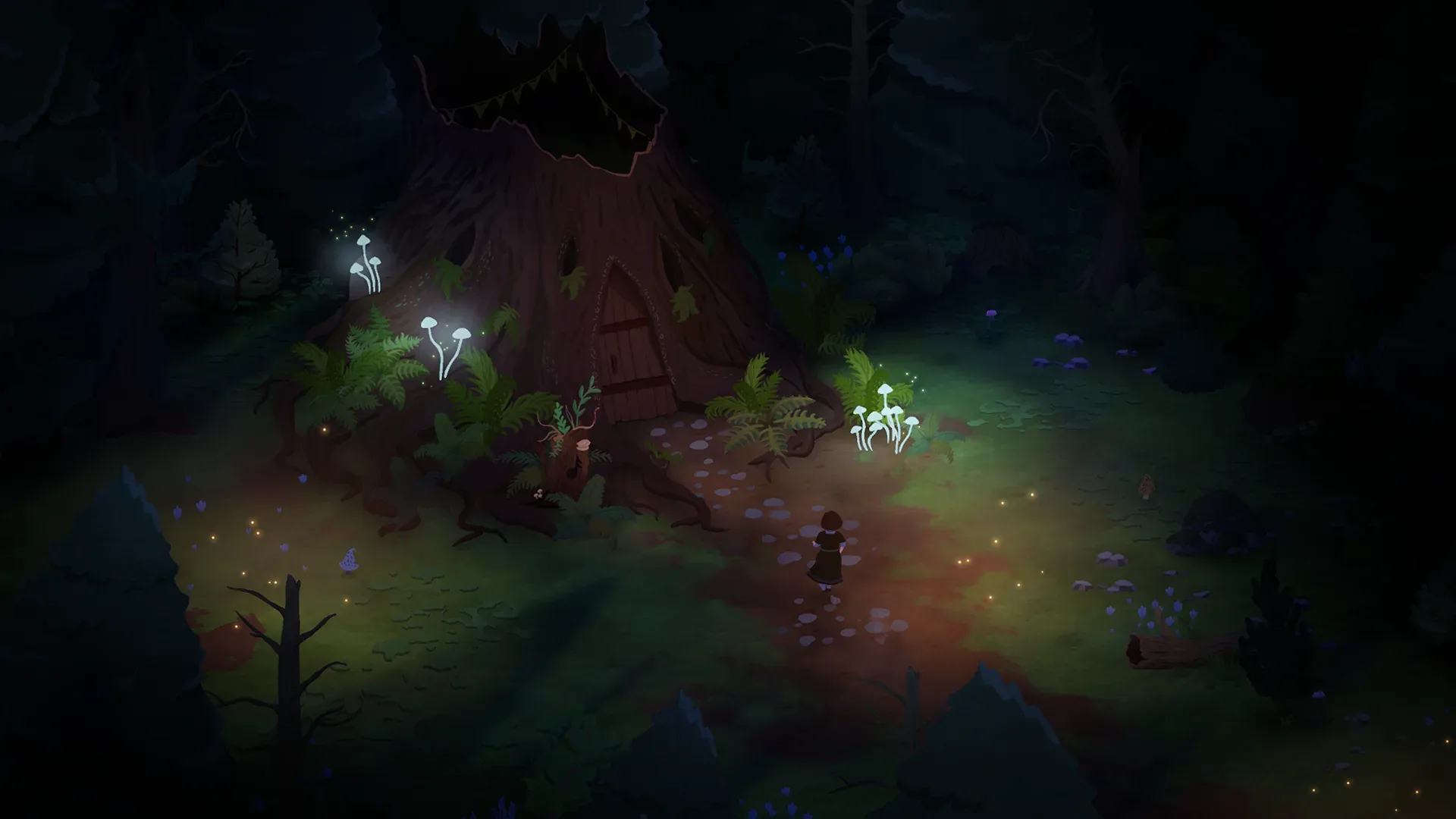
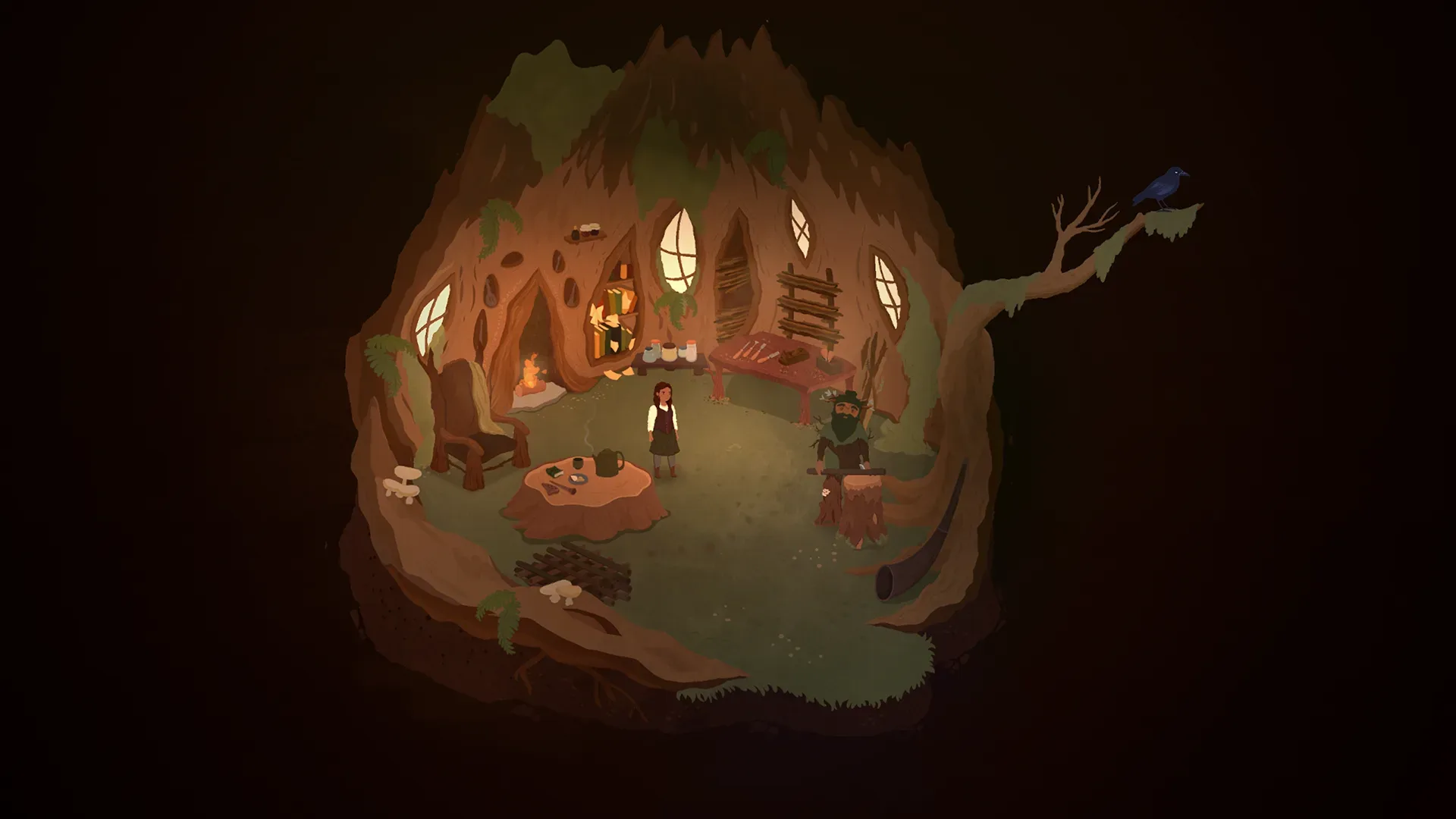
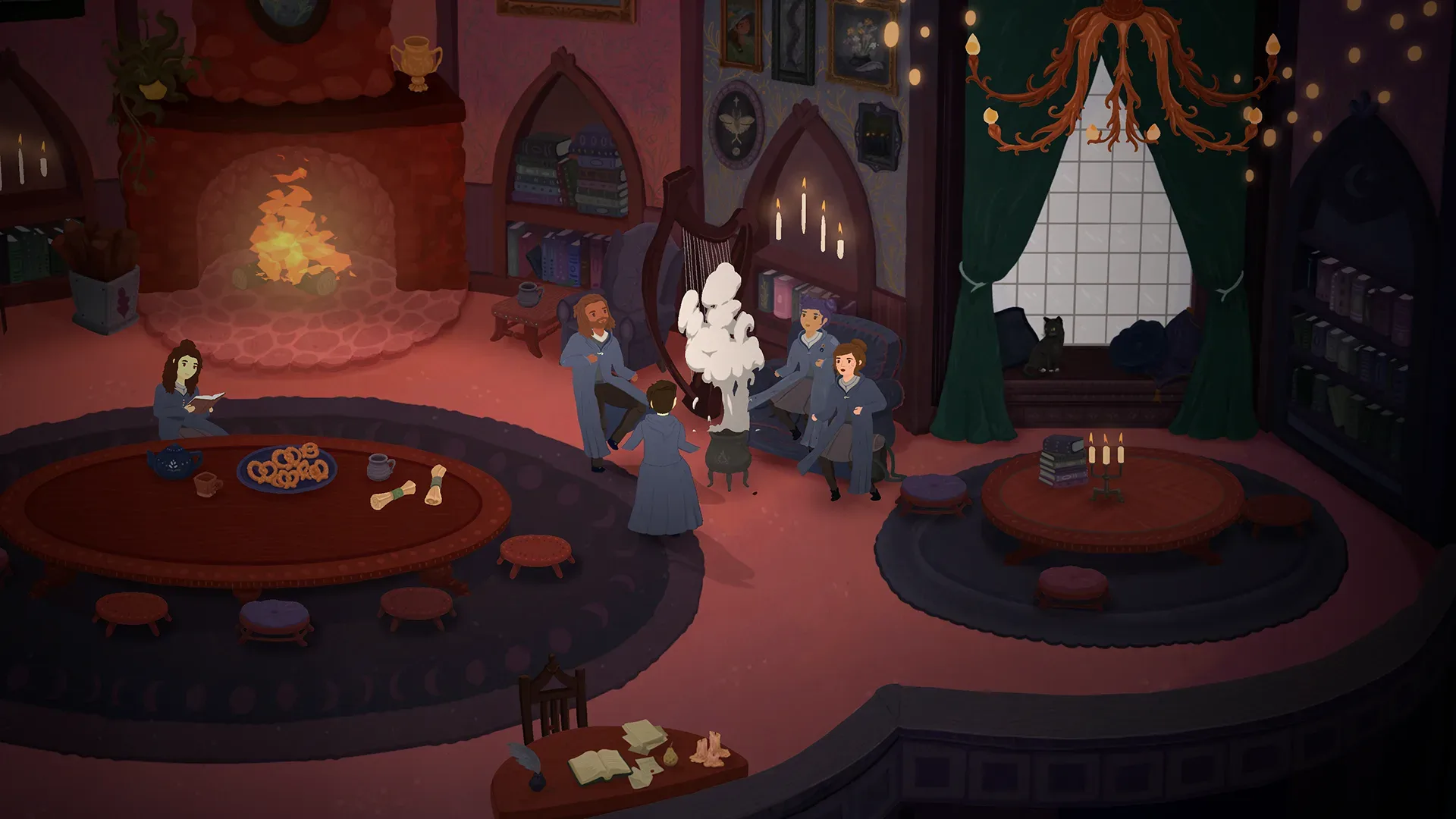
The Etchery is presented as the game’s university of magic, situated in a woodland environment. Its student-life structure encompasses classes and clubs, but the game’s activities extend into the broader campus and surrounding world. Players can tend the university garden, participate in festivals, investigate mysteries and pursue extracurricular activities.
Gardening is one of the more concrete examples of that broader routine. It suggests that the university is not only a sequence of lessons and plot destinations, but a place with responsibilities and spaces that can be maintained. No crop list, growth system or reward structure has been announced, so players should not read it as confirmation of a full-scale farming simulation. Still, its inclusion is meaningful: tending a shared garden fits the game’s campus-life framing and provides a calmer counterpoint to mysteries and magical progression.
Related coverage includes Songs of Glimmerwick Launches on Steam With Musical Magic and Campus Life.
Clubs and extracurricular activities likewise suggest avenues for engaging with student culture outside the central course of study. Their exact format is unconfirmed. They could support storylines, activities, social connections, progression or a combination of those elements. The available information only establishes that they are part of the game’s offering, not that every club operates as a major branching system.
Festivals are another useful signal of tone. In a university setting, scheduled celebrations can turn a location from a static hub into a place that feels occupied and seasonal in spirit, even if the underlying calendar structure has not been described. Mysteries, meanwhile, introduce an investigative thread alongside the more pastoral and social activities. Together, these elements point toward a game interested in variation: magical study, social participation, garden work and unanswered questions all share space at the Etchery.
Skill choices shape a student’s priorities
Progression in Songs of Glimmerwick involves choosing skills tied to gardening, trading or special abilities. This is an important piece of the design because it indicates that character development is not described solely in terms of raw combat strength. The stated skill areas cover practical campus work, economic interaction and exceptional magical or personal capabilities.
Progression in an RPG refers to the ways a player’s character becomes more capable over time. It may include skill selections, equipment, levels, abilities or access to new options. The game’s announced structure specifically highlights choice, which implies players will determine at least part of their own emphasis rather than receiving an identical set of improvements in a fixed order.
Gardening skills may logically matter to the university garden, while trading skills suggest that commerce has a role in the wider experience. However, the detailed effects of each skill path have not been provided. It is not yet known whether these choices lock out alternatives, affect dialogue, alter quest outcomes, unlock distinct activities or merely improve efficiency. The safe reading is that the game offers multiple areas of development and asks players to select among them.
That structure could be especially appealing to players who like role-playing games that make room for identities beyond “the strongest spellcaster.” A character focused on the garden or trade can still belong naturally in this setting because those pursuits are explicitly part of the student experience. Equally, players drawn to unusual abilities have a stated route to prioritize them. The balance between those approaches remains to be seen, but the range itself is central to the game’s promise.
Customization and voice work support the character-focused setup
Players can customize their character’s appearance, a welcome fit for a game framed around attending a magical university. Appearance customization does not, by itself, confirm different story paths or personalized dialogue, but it does allow players to make their student feel more their own while moving through the Etchery’s classes, clubs and events.
The game also includes fully voiced dialogue. In a story-oriented RPG, that means dialogue is performed rather than limited to text alone. Voice work can help establish personality and make campus conversations, mysteries and teahouse settings feel more immediate. It should not be mistaken for a guarantee that every possible line or interaction is voiced beyond the claim itself, but it does establish a production focus on spoken character exchanges.
The Supporter’s Pack’s teahouse-performance MP3s also underline music’s importance to the game’s atmosphere. These recordings are separate bonus materials, not a stated gameplay expansion. Likewise, the exclusive hat and robes are cosmetic items rather than an announced mechanical advantage. Players deciding between editions can therefore view the pack as optional extra presentation and style rather than a required purchase for the core adventure.
Steam is the current destination; consoles will follow later
For now, Steam is the confirmed platform for Songs of Glimmerwick. The release is accompanied by an extended gameplay launch trailer and additional launch materials, offering players a way to look at the game’s world and systems before deciding whether the Etchery is the right academic institution for them. For another look at what is arriving on the same date, see the September 30, 2026 game release roundup.
A future console release has been noted, but the announcement does not identify the consoles involved or say when those editions will arrive. Interested players who do not use Steam should therefore treat the console plan as confirmed in principle but undated in practice. Until further details are announced, there is no basis for assuming parity of features, launch timing or platform-specific additions.
What the launch tells players—and what it does not
More than 250,000 wishlists placed Songs of Glimmerwick on the radar before release, and the game’s visual presentation has attracted praise in pre-launch coverage. Wishlists are a useful measure of attention, not a verdict on quality or a direct count of launch sales. They do, however, show that the combination of musical magic and woodland university life found a substantial audience before the game became available.
The confirmed package is already broad enough to give prospective players a clear sense of its character: an adventure/RPG at a magical school; songs used for spellcasting and world interaction; classes, clubs and extracurricular pursuits; gardening, trading-oriented and special-ability skill choices; festivals and mysteries; character appearance customization; and fully voiced dialogue.
There are also sensible limits to what can be concluded. No detailed account has been provided of combat, relationship systems, quest length, the number of songs, controller support, Steam Deck status, performance targets or the exact mechanics behind its classes and clubs. Those are questions for more detailed official information and player impressions after launch, rather than details that should be inferred from the premise alone.
For players looking for an RPG whose fantasy is less about collecting anonymous spells and more about learning, performing and applying music within a campus community, Songs of Glimmerwick now gives that concept a home on Steam. The Etchery is open, the garden needs tending, and in this particular school, forgetting the words may be a little more consequential than arriving late to class.