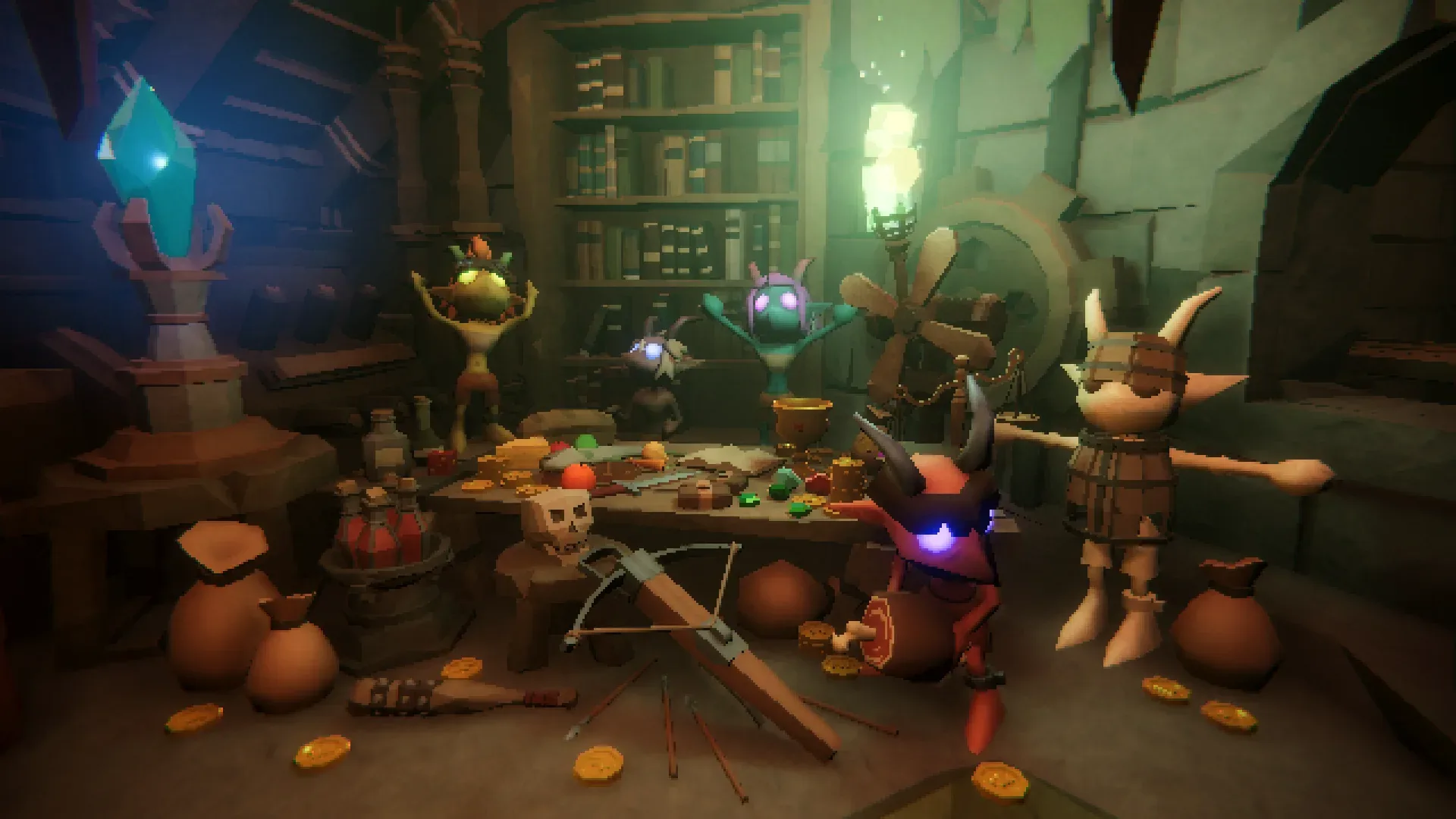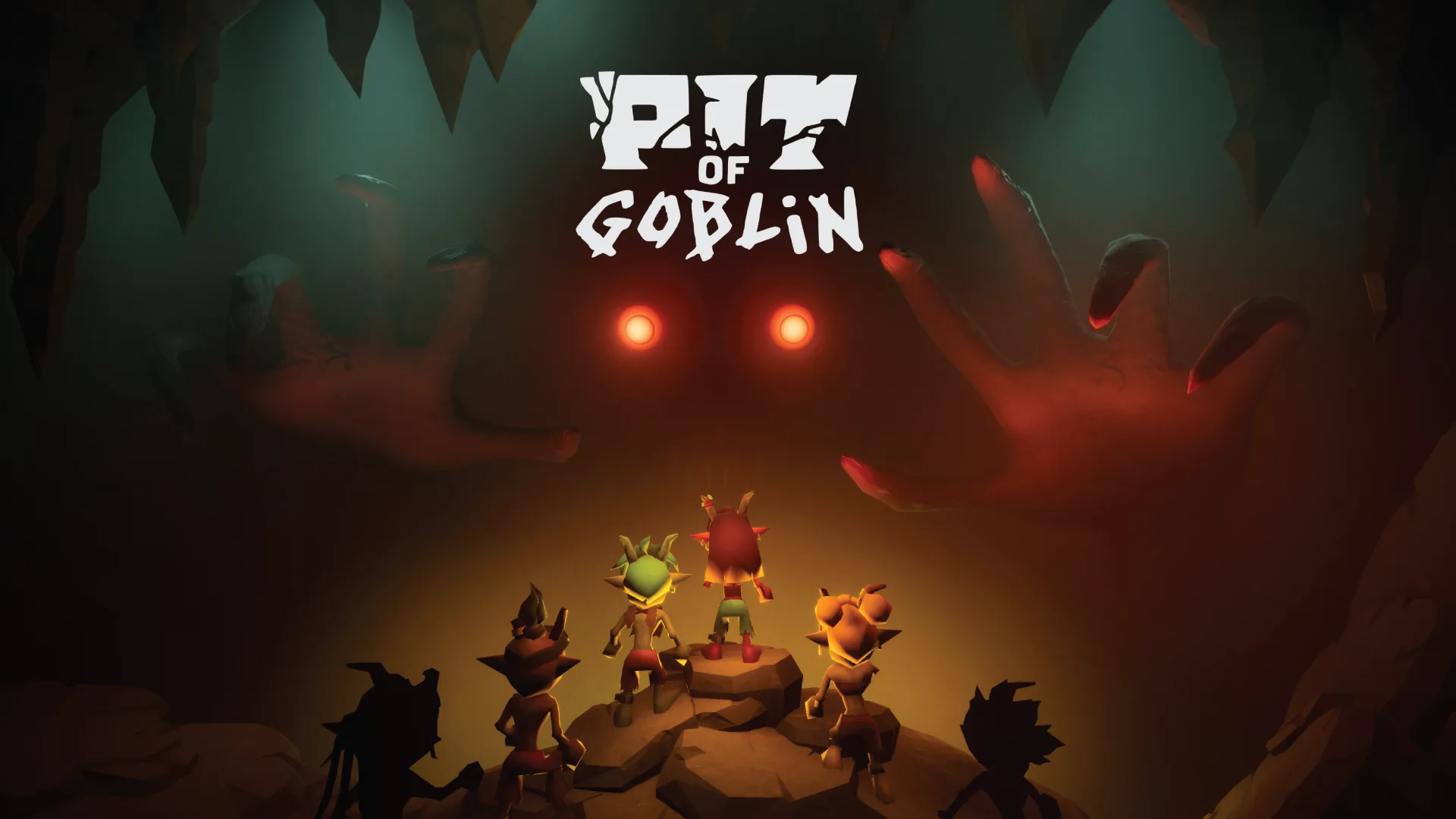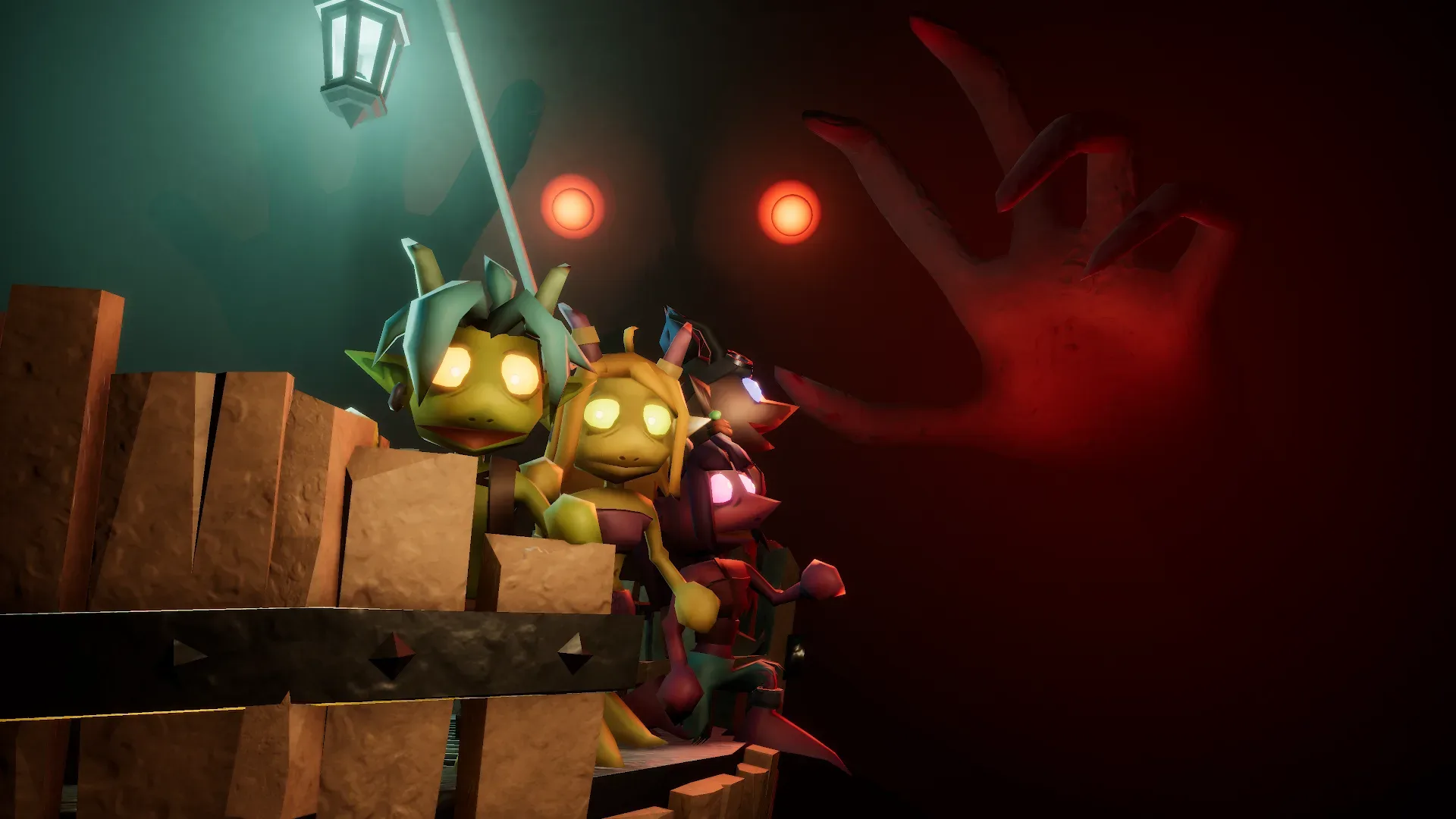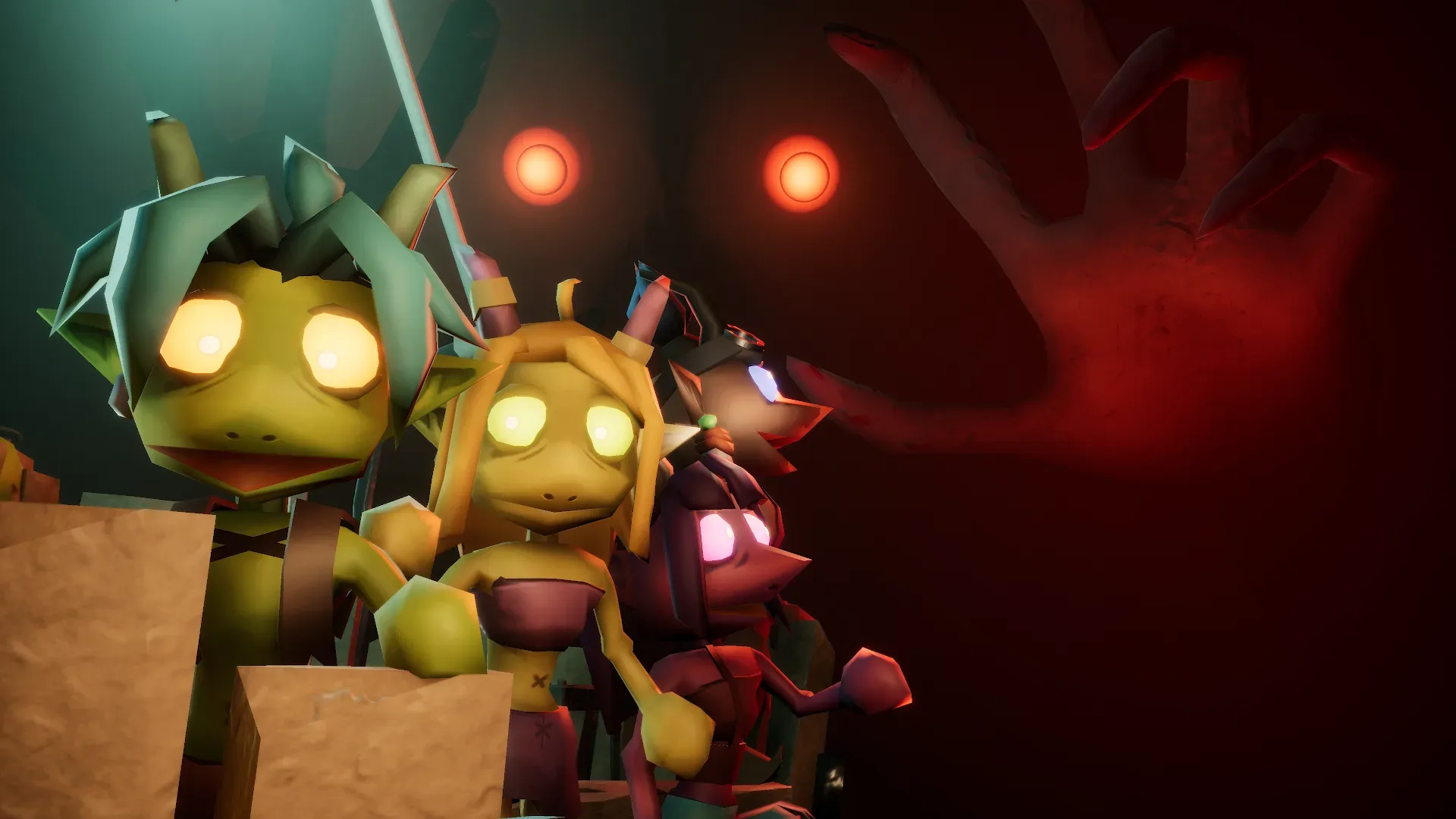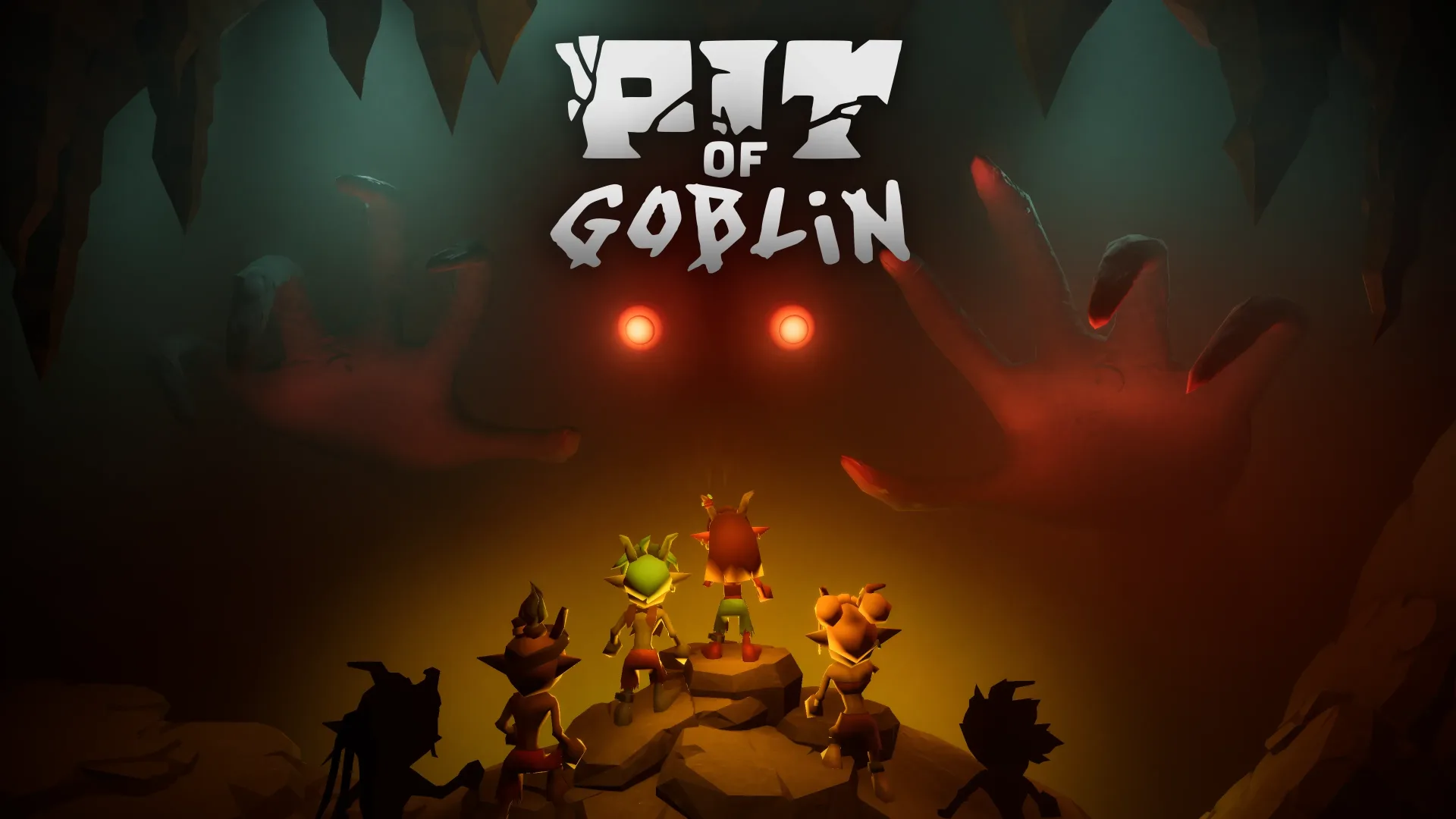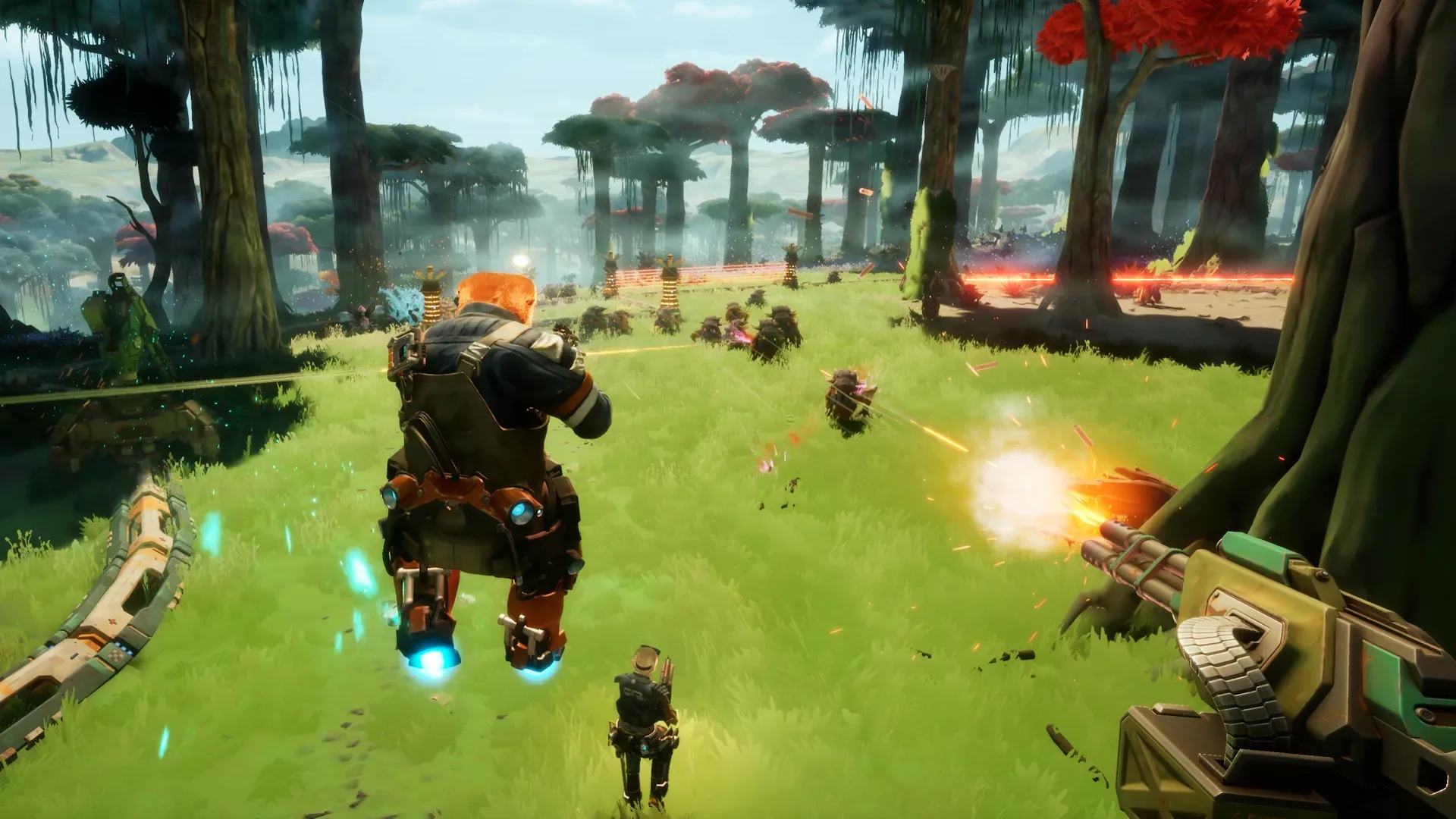
Pit of Goblin, the co-op dungeon adventure from Swedish indie developer Friendly Foe, has reached its full 1.0 launch on November 3, 2026. The game is available for PC through Steam, PlayStation 5, and Xbox Series X|S, while Xbox Game Pass and Xbox Cloud Gaming are also part of its launch footprint.
The scheduled release time is 15:00 CET / 06:00 AM PST. That broad platform arrival matters for a game built around groups: the headline feature is support for up to six players in a single dungeon expedition. Friendly Foe has also set the launch price at $7.99 / €7.99.
For players tracking the day’s releases more generally, Pit of Goblin is included among the titles arriving in our games releasing today: November 3, 2026 coverage.
A dungeon crawl where the party may be the danger
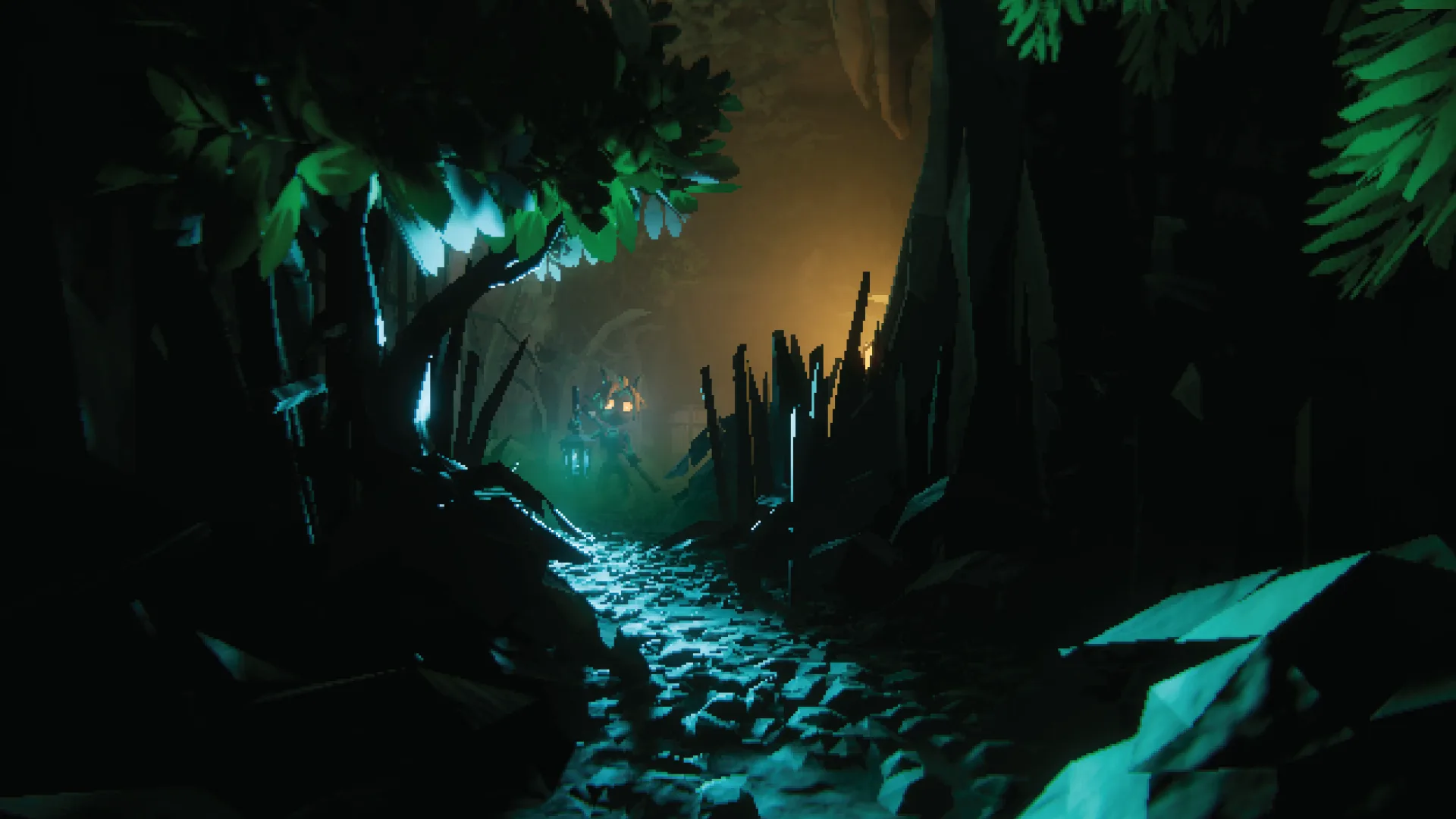
Pit of Goblin casts players as goblins descending into randomized dungeons. The stated ingredients are familiar dungeon-adventure material: threatening creatures, loot worth chasing, secret rooms, weapons, and magical spells. Its distinguishing angle is how deliberately it allows the group to turn those tools—and much of the environment—against one another.
Friendly Foe describes the game’s action as cause-and-effect chaos. In practical terms, players can set teammates on fire, throw objects, conceal themselves, or even sacrifice allies. Those options make this something more unruly than a strictly role-based co-op game in which each player is expected to carry out a narrow combat job. Cooperation is available, but so are blunders, opportunism, and the kind of momentary betrayal that can turn a routine treasure hunt into a rescue attempt.
That does not necessarily mean every run is designed around sabotaging friends. Rather, the systems appear to leave enough room for player decisions to create their own stories. A spell used carelessly can affect a companion; an object can serve as a useful tool or a projectile; hiding can be an attempt to survive or a decision to leave the rest of the squad exposed. The result is a co-op structure where communication and timing are likely to matter just as much as locating enemies and loot.
What “randomized dungeons” means for repeat runs
Randomized levels are one of Pit of Goblin’s central replayability features. In this context, randomized means dungeon runs are not locked to one unchanging route for every session. The layout and discoveries can vary, so players are not simply memorizing a single fixed path from entrance to exit.
The game also includes new biomes to discover. A biome is a distinct environmental area or setting within a game; here, it suggests players can encounter different dungeon regions rather than one uniform backdrop. Alongside secret rooms and dangerous creatures, those areas give groups reasons to explore instead of treating each run as a straight sprint toward an objective.
Related coverage includes Pit of Goblin 1.0 Brings Six-Player Dungeon Chaos to Consoles and Game Pass.
The useful distinction is that randomized levels do not automatically promise endless entirely new content. What they do provide is variation in how available elements are arranged and encountered. For a six-player game, that variation can have an outsized effect: a team’s positioning, the order in which it finds a secret, and the spells or hazards involved can all change the character of a session.
Proximity chat fits the game’s close-quarters chaos
Pit of Goblin includes proximity chat, a voice-chat system in which players’ ability to hear one another is tied to their in-game distance. Instead of every player receiving every voice at the same apparent level regardless of location, groups can split apart and lose the comfort of constant communication.
For this particular setup, that feature is more than a social extra. A six-player party searching rooms, encountering threats, and potentially using fire or thrown objects on each other can become harder to coordinate when teammates wander away. It also gives hiding a different texture: being separated is not merely a visual or tactical change, but can affect who can communicate with whom.
Players should not read proximity chat as proof that every session will be a tightly coordinated tactical exercise. The supplied feature list emphasizes a deliberately messy social dungeon experience. The appeal is likely to be in reacting to unplanned outcomes—someone finding a secret, someone getting into trouble, or someone making a reckless choice—rather than executing a rehearsed strategy.
Progression extends beyond a single dungeon run
While the moment-to-moment game is centered on dungeon excursions, the 1.0 release includes systems designed to give players longer-term goals. There is a journal to fill, achievements to complete, and unlockable cosmetics for customizing a goblin.
The journal is positioned as a record of discovery, aligning with the game’s secret rooms, loot, creatures, and biomes. Completion-focused players will likely find it a reason to keep examining unfamiliar corners of the dungeons rather than only pursuing the fastest route through them. Achievements serve a related purpose by setting defined milestones outside the immediate success or failure of any one group run.
Cosmetics are appearance-focused unlocks rather than a stated source of combat power. That distinction is important for players who want to understand what customization means here: the provided details support visual personalization of a goblin, but do not establish stat boosts, alternate classes, or gameplay advantages tied to cosmetics.
Collectively, randomized level layouts, biome discovery, the journal, achievements, and cosmetics give Pit of Goblin several overlapping replay hooks. Some players may return to see areas they have not encountered; others may be more interested in filling out the journal or earning a particular cosmetic. For a co-op group, the simple appeal may be that a different mix of friends produces a different kind of chaos.
From Steam Early Access to version 1.0
Pit of Goblin entered Steam Early Access in December 2024. By its full launch, the game had sold more than 200,000 copies during that Early Access period and received more than 20 updates shaped by player feedback.
Early Access is a development model in which a game is sold before its full release, allowing the developer to update it while players are already building experience with the game. A move to version 1.0 generally marks the developer’s full-launch milestone, but it should not be mistaken for a claim that all future work has stopped. Friendly Foe says it intends to continue supporting Pit of Goblin after launch.
That post-launch commitment is particularly relevant to a randomized multiplayer game. Such games can evolve through balance changes, refinements to systems, and additions that respond to how communities actually play. No specific future updates, timetable, or features have been detailed here, so players should treat the support plan as an intent to keep working on the game rather than a confirmed roadmap.
The development scale is also notable. Friendly Foe created Pit of Goblin with a four-person team. Reaching a multiplatform 1.0 launch after an Early Access run of more than 20 updates puts the game’s continued support plans in the context of a small independent studio rather than a large production operation.
Platforms, access and what is confirmed
- PC: Steam
- Console: PlayStation 5 and Xbox Series X|S
- Subscription/cloud access: Xbox Game Pass and Xbox Cloud Gaming
- Group size: Up to six players in co-op
- Launch price: $7.99 / €7.99
- Release time: November 3, 2026, at 15:00 CET / 06:00 AM PST
The confirmed platform list is specific to PC, PS5, and Xbox Series X|S. The details provided do not establish releases for earlier PlayStation or Xbox hardware, Nintendo platforms, or other PC storefronts. They also describe up to six-player co-op and cross-platform launch availability, but do not provide further technical specifics about matchmaking, party setup, account requirements, or how every platform combination connects.
At $7.99 / €7.99, Pit of Goblin enters full release at a low asking price while also being available through Game Pass. The strongest fit appears to be groups looking for a flexible, repeatable dungeon game where accidental disasters and questionable friend decisions are part of the design, not an interruption to it.