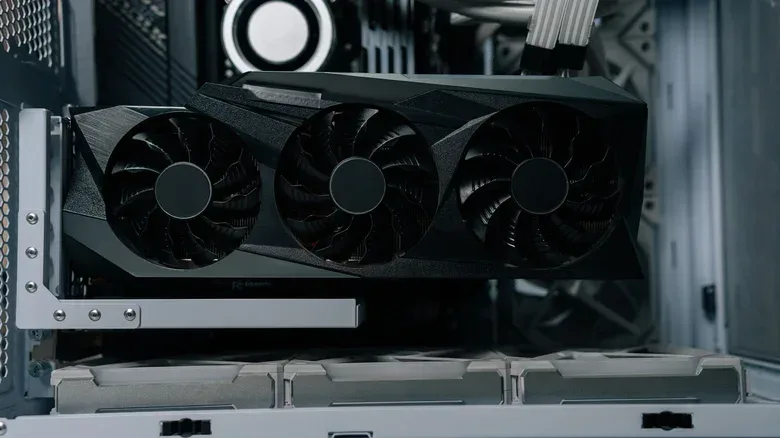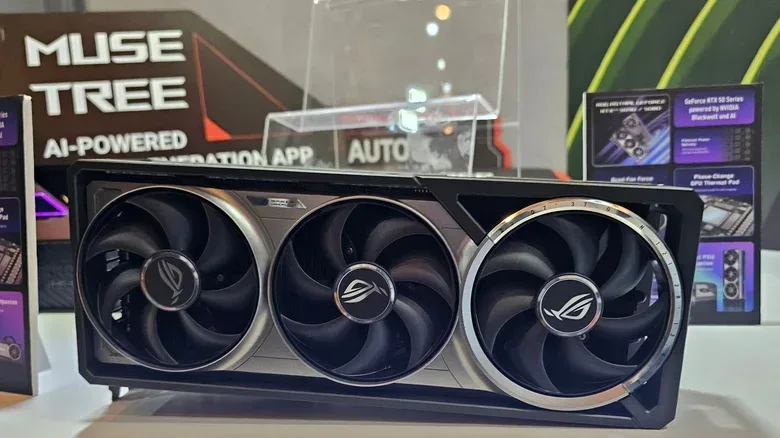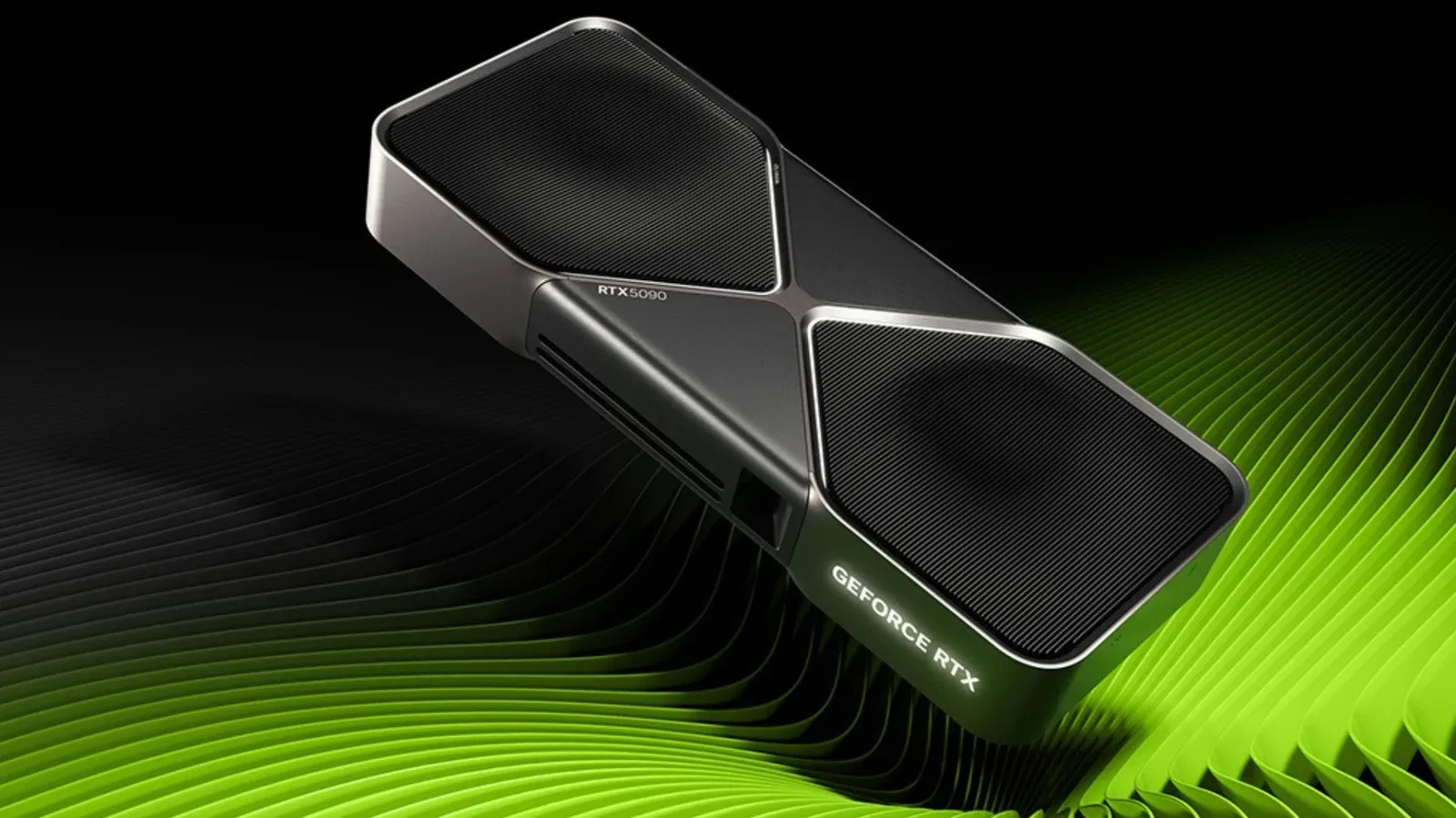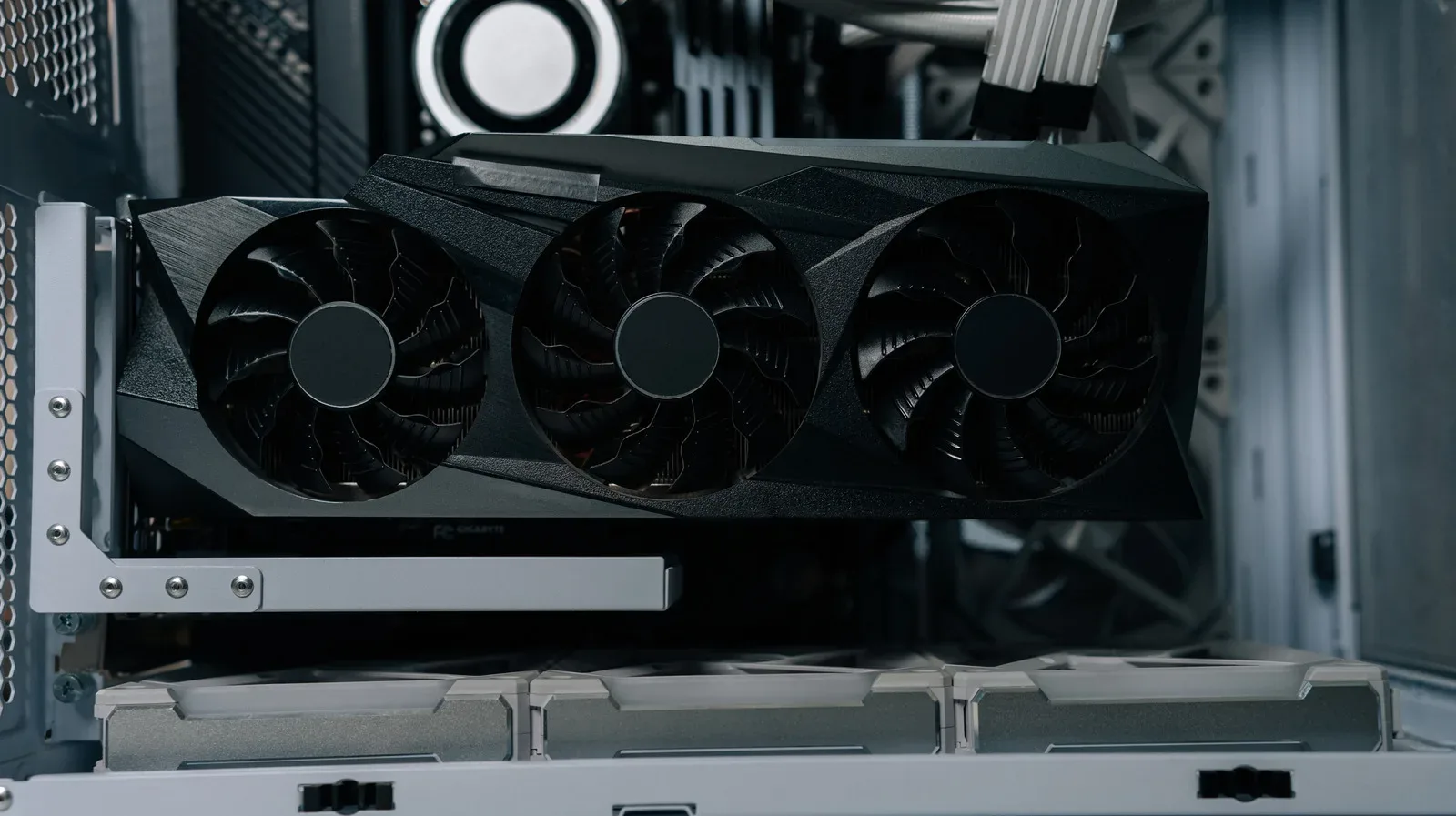
That graphics card sitting in a drawer after a PC upgrade may not be electronic clutter after all. A difficult GPU market in 2026 has created an unusual resale opportunity for PC gamers: used cards with meaningful video memory can remain desirable to both gaming buyers and people building local AI systems.
The important caveat is that “old GPU” is not a single resale category. A card’s value depends heavily on its VRAM, its working condition, the exact model, and how much effort the seller is willing to put into the transaction. A clean, functioning card with ample memory may justify a patient peer-to-peer sale. A tired model with limited memory may make more sense as a quick trade-in, or even as a parts sale if it no longer works.
That makes an upgrade a good moment for an inventory check. Before treating a former gaming GPU as a spare part, identify precisely what it is, consider whether it is a useful backup for your own system, and weigh the convenience of a quick sale against the possibility of a higher private-sale payout.
Why used GPUs have become more interesting
GPU pricing has been under pressure amid the 2026 AI boom. NVIDIA RTX 50-series cards have risen by as much as 39%, with the possibility of a further 30% increase discussed, while AMD price increases have reached as much as 10%. Those conditions make the new-card market harder for PC builders, but they also change the calculation for used hardware.
The demand is not solely coming from major companies working with large language models, or LLMs. Individuals are also assembling local AI setups. That broader buyer pool matters because a GPU is not valued only for how it performs in a game. For some buyers, its onboard memory is the deciding specification.
VRAM, short for video random-access memory, is the memory built directly onto a graphics card. In a gaming PC, it is used for graphics-related data. In the local-AI context described here, VRAM is used by LLMs to temporarily hold data while generating or training. Put simply, it is a capacity figure that can be just as persuasive to a prospective AI buyer as a familiar GPU product name is to a gamer.
Cards in the 12GB to 16GB range are especially relevant to many individual AI users, while larger teams may seek as much as 48GB. That does not mean every high-VRAM card automatically commands a premium, or that every buyer has identical needs. It does mean memory capacity has become a major sorting criterion in a marketplace where buyers can have very different uses in mind.
More VRAM can outweigh a newer generation
The normal upgrade story is simple: newer generally replaces older. The present resale environment complicates that story. An older card can carry more VRAM than a newer alternative, making it appealing even when it is no longer the newest gaming product. The NVIDIA GeForce RTX 3090 is a notable example of an older model whose memory capacity can make it particularly attractive.
Related coverage includes Used GPUs With More VRAM May Command Higher Resale Prices in 2026.
This is useful context for gamers who are comparing their outgoing card only against current gaming benchmarks or product generations. A buyer interested in local AI may view the same hardware through a different lens. They may care less about whether a card is the latest retail release and more about whether its memory capacity fits their workload.
For functioning, good-condition cards with substantial VRAM, retaining roughly 40% to 60% of original value is presented as a reasonable expectation. That is a range, not a guaranteed valuation. Condition remains important, as does the specific model and the actual demand visible when the seller is ready to list.
Recent completed peer-to-peer sales illustrate the volatility of the moment. NVIDIA GeForce RTX 5060 Ti and EVGA GeForce RTX 3080 cards have sold at 40% to 60% of original price, and some have sold above their original MSRP. MSRP means manufacturer’s suggested retail price: the launch reference price, rather than a promise of what the product will cost later in a changing market. A card selling above MSRP does not mean every example will do so; it shows how unusually tight supply and strong demand can distort the usual depreciation pattern.
What to check before deciding to sell
Practical preparation begins with being specific. A seller should establish the exact card model and be clear about its condition. “RTX card” is not enough information when memory configuration and model identity can materially change interest. It is also worth deciding whether the card has a better job left to do at home: it may be a backup, or the foundation of another build, rather than something to immediately cash out.
Condition should be described plainly. A working GPU with decent remaining life is a different proposition from a damaged card. Still, a non-functioning or battered GPU is not necessarily valueless. Parts buyers can be interested in broken cards, which means the honest description of faults is part of matching the hardware to the right audience rather than a reason to assume it must be discarded.
The decision comes down to two separate questions:
- What kind of buyer is most likely to want this card? Gaming and local AI can overlap, but high VRAM expands the potential audience.
- How much work is the seller prepared to do? Private sales demand more effort but can produce more money; trade-ins reduce the work but generally reduce the payout.
Those questions are connected. A clean, functioning card with plenty of VRAM has more reason to be presented carefully to private buyers. A well-worn card with scarce VRAM may not be worth a prolonged listing process if convenience is the priority.
Peer-to-peer selling: more work, potentially more return
Platforms such as eBay and Facebook Marketplace can provide the strongest return because the seller is reaching buyers directly. The cost is time and responsibility. A peer-to-peer listing requires photographs, a written listing, responses to questions, shipping arrangements where applicable, and patience while the listing gets seen.
That workload is not trivial, especially for someone who simply wants an old component out of the house. But it is the route that makes the most sense when the card’s specification gives it a meaningful edge. In the current market, a model with healthy condition and useful VRAM is not just a superseded gaming part; it may be hardware a buyer is actively seeking for a different kind of PC setup.
Completed-sale information is more meaningful than simply noticing an ambitious asking price. An unsold listing tells you what one seller hopes to receive. A sold listing shows that a transaction actually happened, though it still needs to be compared carefully with cards of the same model and similar condition. This distinction helps avoid anchoring expectations to the loudest prices on a marketplace page.
Honesty is particularly important for an imperfect card. The available evidence indicates that even busted GPUs can find buyers looking for parts. The opportunity is not a reason to conceal damage; it is a reason to clearly communicate what is being sold. A buyer shopping for components and a buyer expecting a fully working GPU are not shopping for the same product.
Trade-ins and local shops: convenience has a price
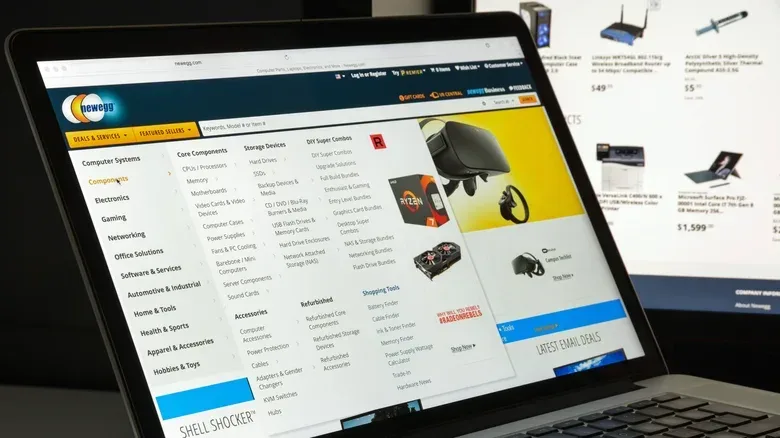
Private listings are not the only path. A local PC repair shop or Newegg’s GPU trade-in program can offer a simpler route, generally providing an offer quickly and handling the shipping process. For a seller who values certainty and fewer moving parts, that can be a worthwhile trade.
The trade-off is straightforward: convenience normally lowers the amount returned to the seller. A business providing a fast offer and handling logistics has to account for its own costs and resale risk. It is therefore less likely to match what a patient private seller might obtain from the right buyer.
This route is most defensible when the GPU is worn, offers little VRAM, or is simply not worth the seller’s time to photograph, list, field questions about and ship. It also provides a clean off-ramp for people who do not want to navigate peer-to-peer marketplaces.
For more PC hardware context, see why watt-hours and USB-C Power Delivery matter when choosing laptop power banks.
The practical takeaway for PC upgraders
The AI-driven GPU squeeze is bad news for anyone trying to buy a new graphics card at a reasonable price. Yet it has created a rare upside for people who already own an outgoing model. The strongest candidates for resale are not necessarily just the newest cards; they are the working cards that combine solid condition with memory capacity that remains useful to gaming and AI buyers.
Start with the GPU’s exact identity and VRAM amount, then assess its condition without wishful thinking. If it has plenty of memory and remains in good shape, a self-managed peer-to-peer listing may be worth the additional effort. If it is worn or less well-equipped, a trade-in or shop offer can be a sensible convenience-first choice. And if the card has failed, its usefulness may continue in the parts market.
In other words, do not let an old GPU gather dust solely because it has been replaced. In a market shaped by constrained supply and growing demand for VRAM, yesterday’s gaming card may have a more valuable second act than its owner expects.