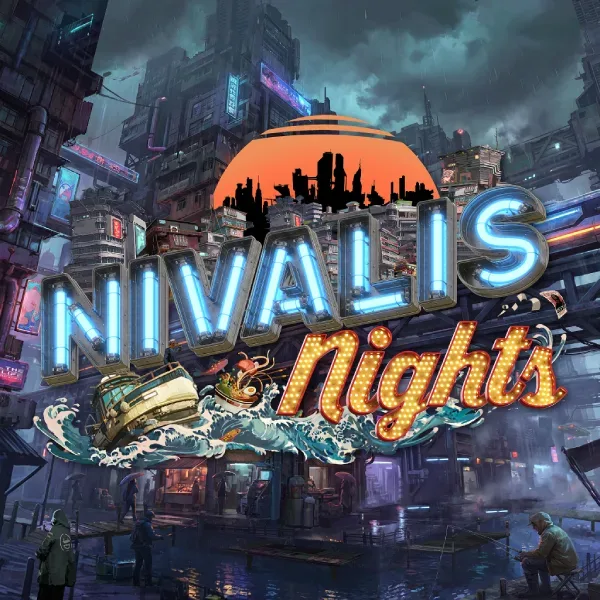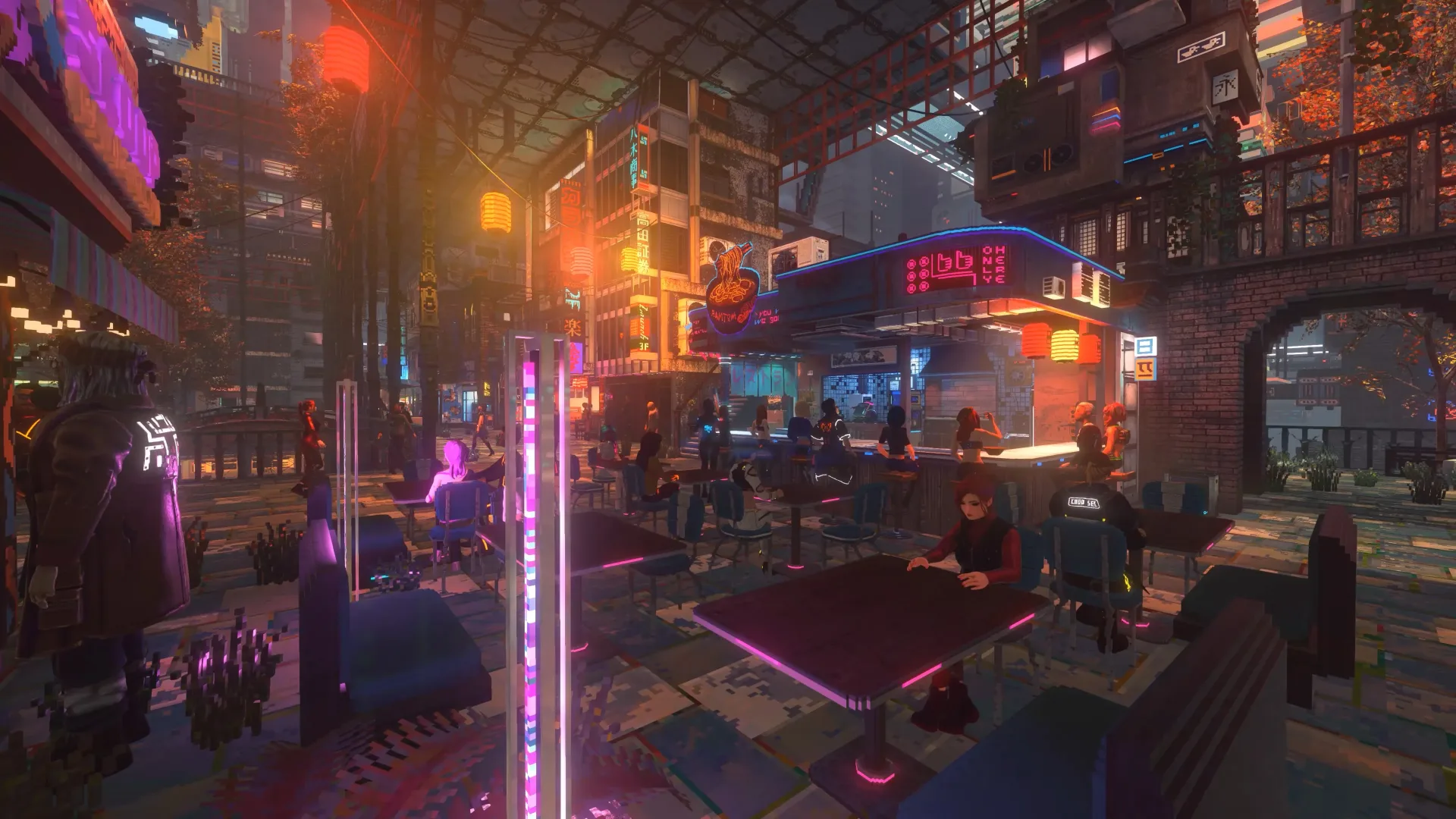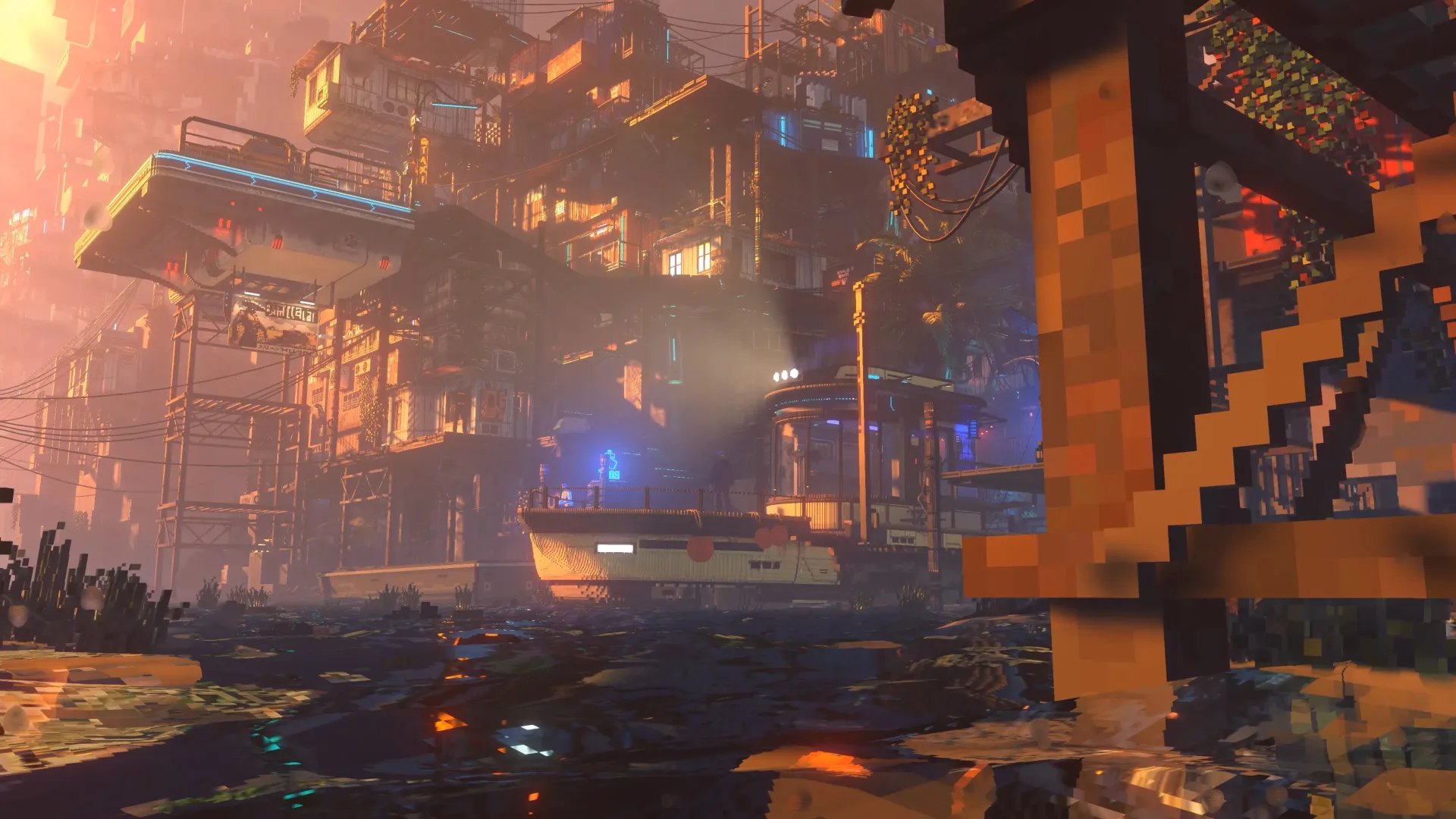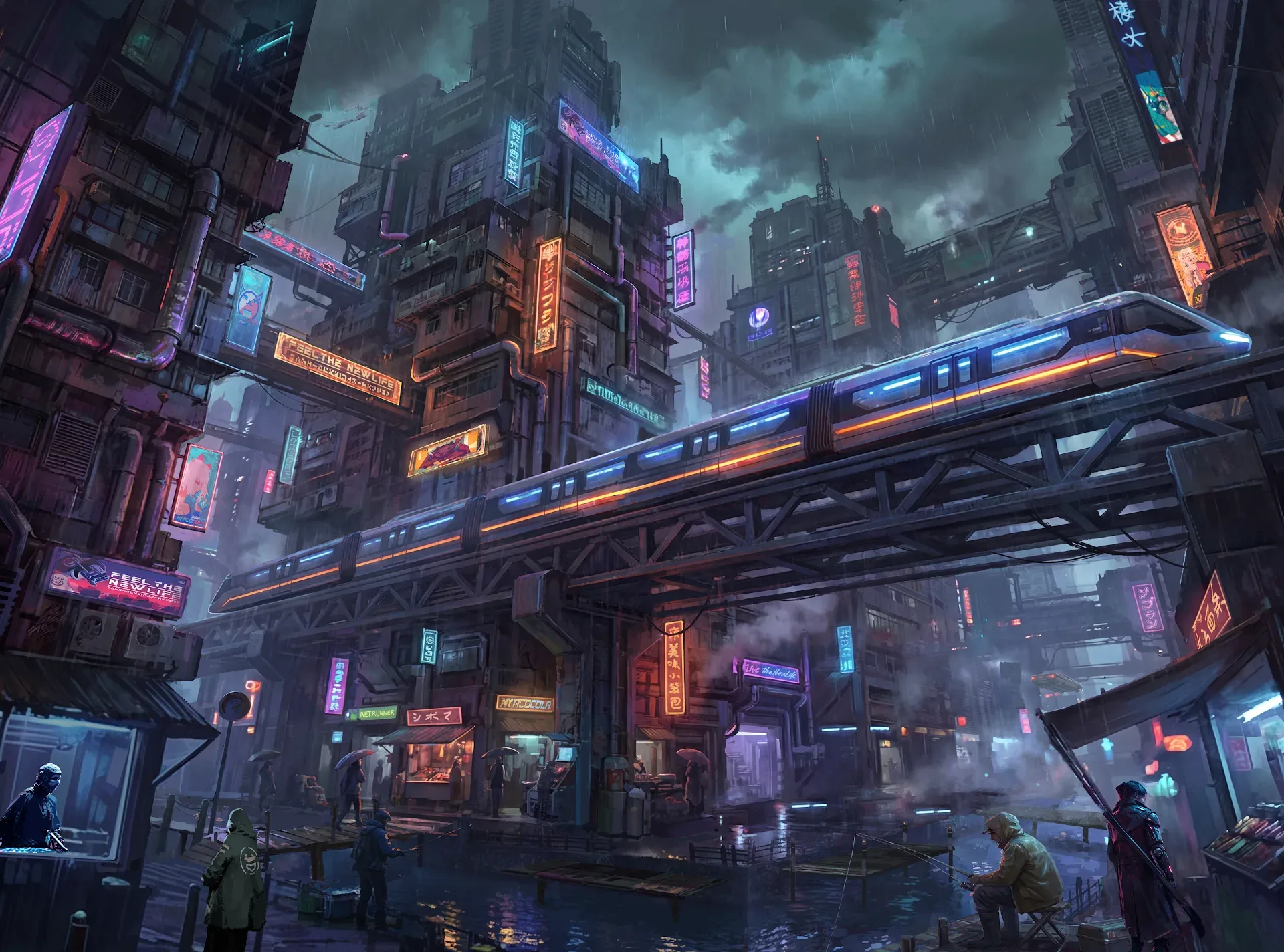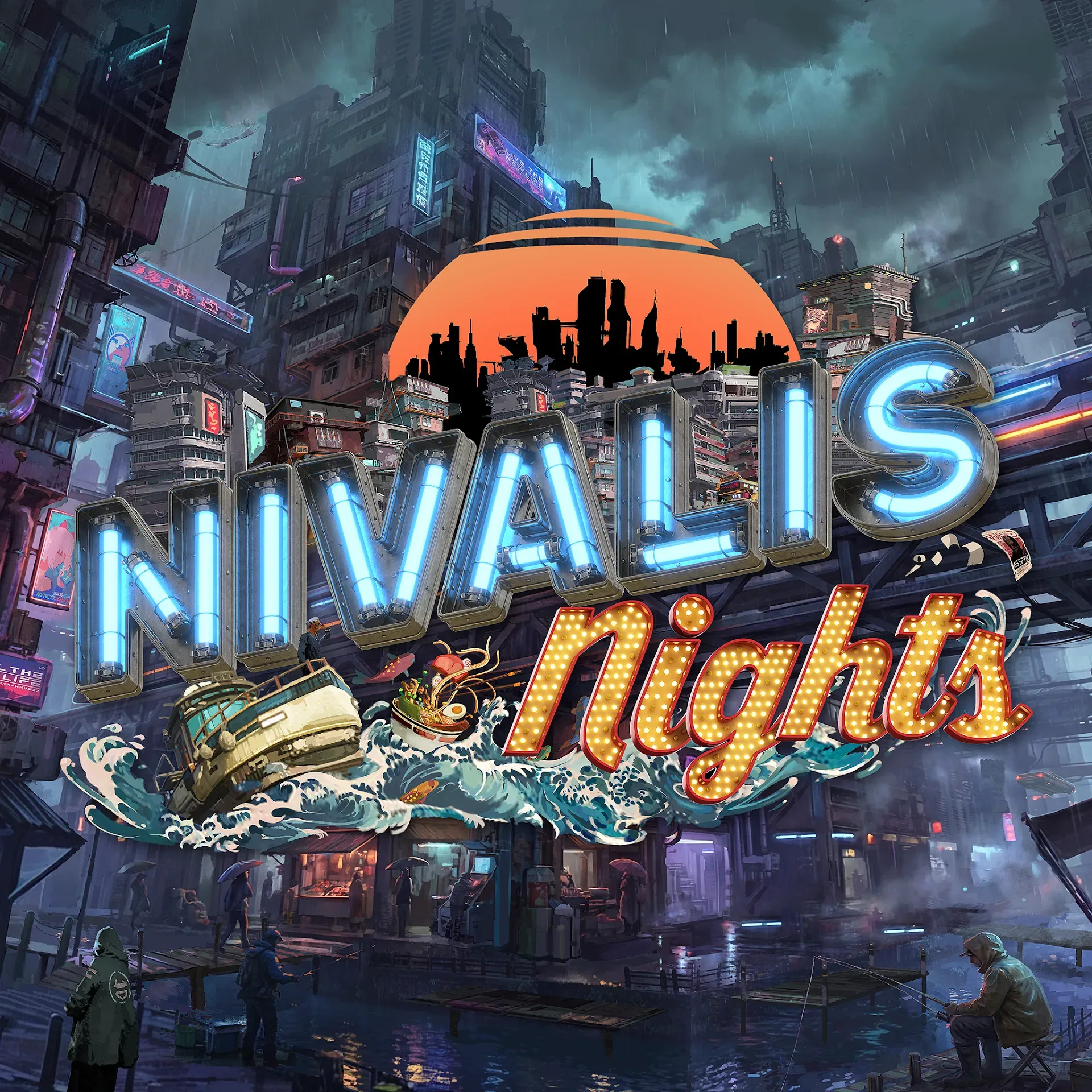
Nivalis Nights is now available on Steam for PC. Published by 505 Games and developed by ION LANDS, the cyberpunk slice-of-life simulation sends players into the city of Nivalis to make a home, establish businesses and get to know the people living among its neon-lit streets and waterways.
The launch follows a long runway: the game was first revealed in 2021 and accumulated more than one million Steam wishlists before release. That is a substantial signal of advance interest, though a wishlist is not the same thing as a sale or an indicator of how many players will ultimately stick with the game. It does, however, show that the promise of a less combative, more personal cyberpunk city has found an audience well before launch.
A city built around routine as well as spectacle
Nivalis Nights frames its futuristic setting through everyday activity rather than a single stated campaign objective. Players can create and grow businesses ranging from noodle stalls to restaurants and nightclubs. That puts commerce at the center of the game’s loop: players are not simply visiting venues in Nivalis, but are expected to take responsibility for building them up.
“Slice-of-life” is a useful term here. In games, it generally describes experiences focused on daily routines, personal spaces, social connections and self-directed progress instead of constant combat, competition or a tightly prescribed sequence of missions. The genre label does not mean there is no structure. Rather, its structure comes from overlapping activities: keeping a business moving, obtaining supplies, arranging a home and deciding where to spend time in the city.
For Nivalis Nights, ingredient sourcing is one of the clearest examples of that approach. Ingredients can be obtained at markets, grown by the player or caught through fishing. Those options suggest different ways to support a food-focused business, while also giving the city’s commercial systems a connection to its domestic and exploratory sides. Markets make the city part of the supply chain; growing creates a home-based or hands-on route; fishing turns the canals and water into something more than scenery.
The supplied details do not set out how deep the management simulation runs, whether individual businesses have distinct demands, or how finances and progression are measured. Players interested chiefly in a demanding restaurant-management game should keep that uncertainty in mind. What has been established is the broader fantasy: Nivalis Nights lets people open and expand venues while participating in the practical work that supplies them.
Every square, channel and alley is part of the pitch
Nivalis is presented as a city meant to be navigated rather than merely viewed. Players can explore its squares, canals and hidden alleys on foot, via public transport or by boat. A choice of travel methods can matter greatly in a city sim because movement sets the rhythm of its world. Walking may encourage closer attention to neighborhoods and tucked-away routes; transit can make a dense setting feel more like an inhabited city; boating is particularly fitting for a place defined in part by channels.
That emphasis on traversal also distinguishes Nivalis Nights from a management game that presents shops through menus alone. The business, social and gathering systems appear designed to occur inside the same urban space. A trip for supplies can be an opportunity to explore. A canal route can be a way to reach a destination, fish or simply see another part of the city. An alley described as hidden is an invitation to look beyond the obvious paths.
Related coverage includes Nivalis Nights Launches on Steam.
There is a deliberate contrast in the setup. Cyberpunk cities are often depicted as intimidating machines of surveillance, inequality and corporate pressure. Nivalis Nights uses the visual language of neon and dense urban infrastructure, but directs the player toward smaller-scale acts: serving food, furnishing a home, catching fish and meeting neighbors. The setting may be high-tech in tone, yet the activity list is notably grounded.
Home customization and relationships broaden the sim
Business ownership is only one part of life in Nivalis. Players can decorate and customize their homes, giving the experience a personal-space dimension alongside its commercial systems. In a game organized around a city, home customization can be more than cosmetic: it creates a counterpoint to public-facing work. A restaurant or nightclub is built for customers, while a home is a player-defined base within the same city.
Nivalis Nights also allows players to meet residents, form friendships and pursue relationships. That is an important part of the slice-of-life description because it makes the population a component of play rather than background decoration. The announcement does not specify the number of residents, the kinds of relationship paths available or how those relationships may interact with business ownership. It is safest to regard the social systems as a confirmed feature area while waiting for more detail on their particular scope.
For potential players, the combined feature set suggests a game best approached as a collection of connected priorities rather than a race toward one finish line. Someone may be drawn first to fitting out a living space, then spend time fishing, then focus on a noodle stall, then use an evening exploring a new district or speaking with residents. How freely those activities can be balanced will shape the game’s eventual identity, but the announced design clearly makes room for multiple player motivations.
What the Steam launch includes—and what remains later
Nivalis Nights is priced at €24.99, $24.99 and £21.99 on Steam. A 10% launch discount is also being offered for a limited time. As with any time-limited store promotion, the exact end point should be checked on the Steam listing before purchase rather than assumed from the launch announcement.
The current release is for PC through Steam. An Epic Games Store version is planned for a later date, but no specific timing has been provided. No other platforms were announced in the available launch details, so prospective players should not read the later Epic Games Store release as confirmation of console versions.
For readers tracking the wider PC release slate, Endless Rails’ Steam launch offers a sharply different kind of run-based, train-building experience. Nivalis Nights, by contrast, is positioning its progression around settling into one cyberpunk city and making a place within it.
Why the wishlist total matters, with a necessary caveat
More than one million Steam wishlists before launch is the most concrete measure of pre-release attention attached to Nivalis Nights. A wishlist allows a Steam user to flag interest in a game and receive store notifications, including launch and discount alerts. It is valuable evidence that many accounts wanted to keep the game on their radar, particularly for a project announced years before release.
But the number should not be treated as a sales total, a review score or proof of commercial outcome. Wishlist users can buy at different times, wait for a future discount or decide not to purchase. The figure is best understood as a marker of visibility and anticipation. The actual reception will depend on things the pre-launch count cannot answer on its own: whether the city feels rewarding to explore, how satisfying the businesses are to develop, the quality of its social interactions and how effectively its many activities connect.
For now, Nivalis Nights arrives with a clear proposition. It is a cyberpunk city game where the player is not only passing through the neon: they can stock a kitchen, grow ingredients, fish the waterways, run venues, take the boat home and turn a personal corner of Nivalis into somewhere worth staying.