The first developer beta of macOS 27.3 includes a targeted security change for Mac users who work with command-line networking tools: it removes affected eMudhra certificates from /etc/ssl/cert.pem, the certificate file those tools can consult when deciding whether to trust a secure web connection.
The fix follows the discovery that private cryptographic keys connected to eight intermediate certificate authority certificates from eMudhra were weak. Those keys could potentially have enabled an attacker to pose as a legitimate website, putting sensitive information at risk. There is currently no evidence that the weak keys were used maliciously.
For the overwhelming majority of Mac owners, this is a useful security update rather than an urgent reason to change daily behavior. Apple has blocked the compromised TLS web certificates in Safari, Mail and other apps using its networking and security frameworks since October 19, across its software platforms. That protection happens automatically and does not require a software update.
The distinction matters because the new macOS change closes a narrower gap: command-line programs launched through Terminal or similar environments may rely on the separate certificate bundle at /etc/ssl/cert.pem. macOS 27.3’s beta removes the affected entries from that file so those tools will no longer accept the certificates.
What changed in macOS 27.3
The beta’s security fix is specific. It removes the affected eMudhra certificates from the system certificate bundle used by command-line tools. It is not a broad claim that every Mac application had been unprotected; rather, it brings this command-line trust path into line with the protections already applied by Apple’s own networking and security frameworks.
That separation can sound unnecessarily technical, but it has a practical meaning. Safari and Mail are examples of applications already covered by Apple’s certificate blocking. A developer, system administrator, or advanced user who runs web-facing utilities in Terminal may use a program that checks the certificates stored in /etc/ssl/cert.pem instead. The beta addresses that latter scenario.
macOS 27.3 is not expected to reach the public until December. A macOS 27.2.1 update is expected sooner and will likely include the same security fix. Anyone who does not want to wait for an update can manually remove the affected certificates by following Apple’s support documentation on the matter.
Users should be careful not to treat “manual removal” as a general invitation to edit system security files without the relevant instructions. The supplied guidance identifies a particular file and a particular set of affected certificates; changing unrelated certificates could interfere with legitimate secure connections. For people who do not use Terminal-style command-line tools, no manual action is needed.
Why certificates matter here
TLS certificates are part of how a device verifies that it is communicating with the intended website or online service over an encrypted connection. A certificate authority, or CA, is an organization whose certificates can help establish that trust. An intermediate CA certificate sits in the chain between a broadly trusted authority and certificates presented by individual sites.
A private cryptographic key is the secret component associated with that trust system. If the key behind a CA certificate is weak, the concern is that an attacker could potentially use it to create a convincing false identity for a website. In the situation addressed here, the risk described is impersonation of legitimate websites, which in turn could expose sensitive data if a user or tool connected to a fraudulent endpoint.
Removing the affected certificates means software relying on the updated trust file should no longer accept them as valid evidence of a site’s identity. In plain language, the operating system is withdrawing trust from certificates tied to the weak keys.
This is also why the difference between application types is important. Apple’s framework-level block already protects Safari, Mail and other apps built on its networking and security frameworks. The macOS 27.3 beta extends the response to the certificate bundle used by command-line tools, where that automatic framework-level treatment was not the relevant mechanism.
Who needs to pay attention
- Most Mac users: No action is required. Safari, Mail and other affected Apple-framework applications have automatically blocked the compromised certificates since October 19.
- People who use Terminal or similar command-line environments: Install an update carrying the fix when available, or use Apple’s documented manual-removal process if there is a reason not to update.
- Developers and technical teams: Review whether their workflows use command-line tools that rely on /etc/ssl/cert.pem. The issue is relevant to that certificate trust path, not simply to the fact that a Mac has a browser installed.
There is no indication in the available information that users need to stop using websites, reset passwords, or assume an account has been exposed. The potential risk is serious enough to warrant certificate revocation, but the known facts do not establish that the keys were exploited. Keeping that uncertainty intact is important: a preventative security fix is not proof of a completed attack.
A focused fix alongside other macOS 27.3 beta changes
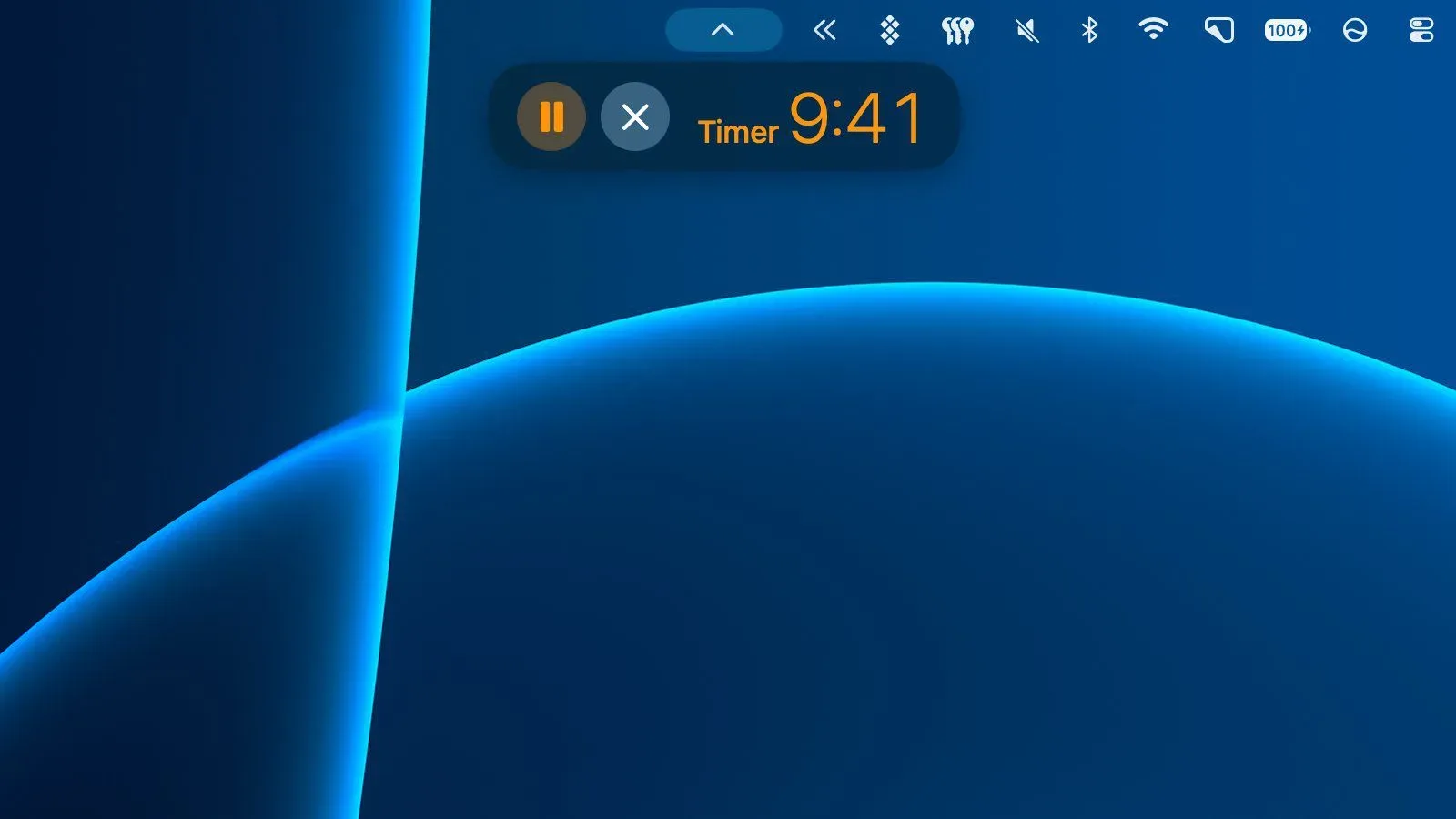
The certificate change is a security-focused addition to the first macOS 27.3 developer beta. The release also contains a separate user-facing development: native Live Activities in the Mac menu bar. The two items serve very different purposes, but together they illustrate that a beta release can carry visible interface work and low-profile infrastructure maintenance at the same time.
For practical planning, the security item deserves the clearer priority for people who depend on command-line connectivity. The forthcoming public 27.2.1 update will likely be the more relevant delivery vehicle if its expected inclusion of the same fix holds true, since it is anticipated before the public macOS 27.3 release.
What not to overread from the update
It would be inaccurate to say every Mac user was left exposed until macOS 27.3. Apple says its certificate blocking has already covered Safari, Mail and other apps using its networking and security frameworks, automatically and across all of its platforms. The remaining macOS work is focused on tools that use the command-line certificate file.
It would also be inaccurate to characterize the discovery as confirmed criminal misuse. A security researcher identified weak private keys associated with eight eMudhra intermediate CA certificates last month, and the potential for website impersonation followed from that weakness. But no evidence has surfaced of malicious exploitation.
The sensible reading is less dramatic and more useful: Apple already deployed a broad automatic block for mainstream applications, and it is now updating the certificate bundle relevant to command-line tooling. Users who never work in Terminal can remain protected without intervening. Those who do should prioritize the next appropriate macOS update or follow the official manual procedure rather than improvising changes to a system trust store.