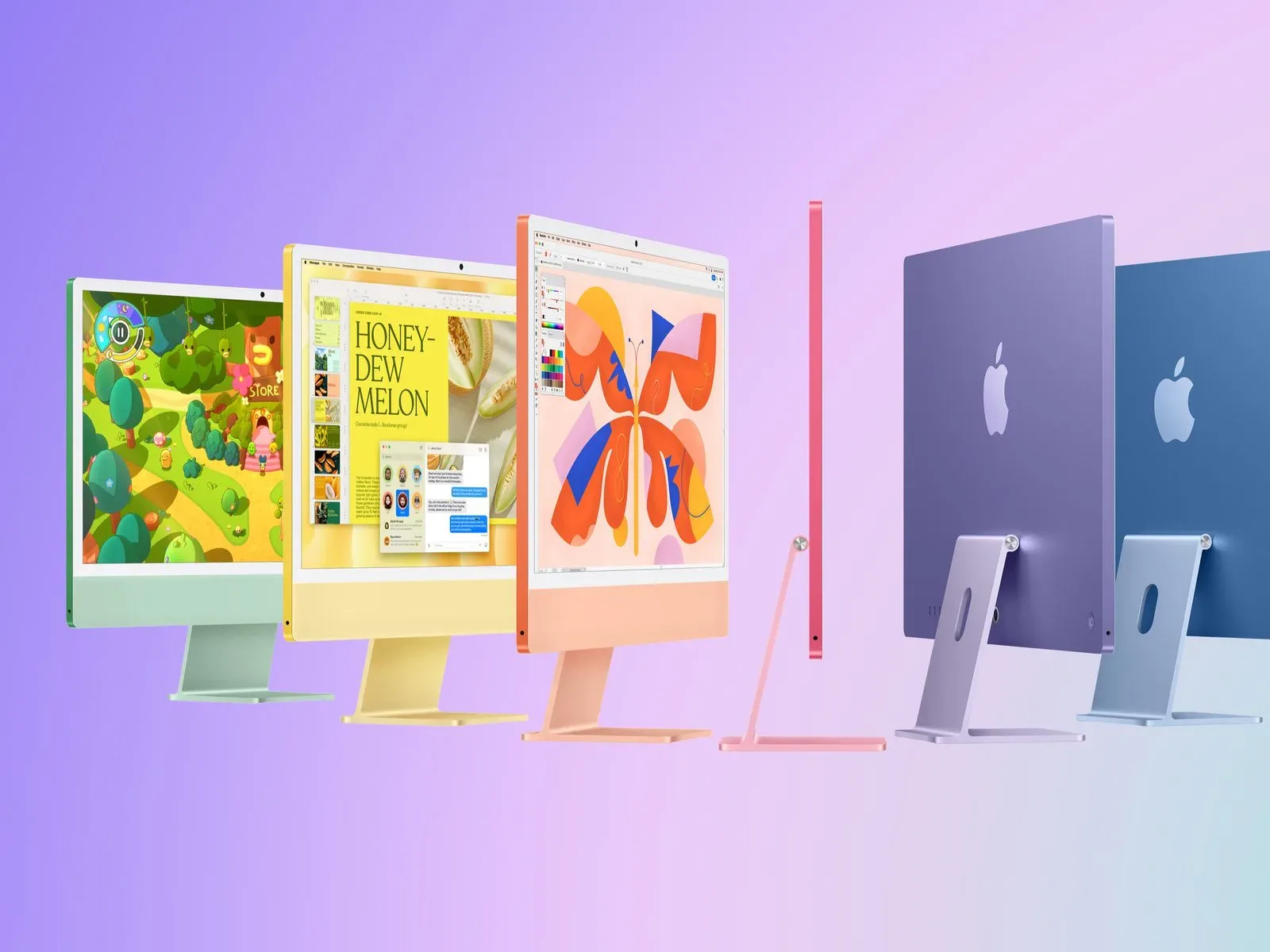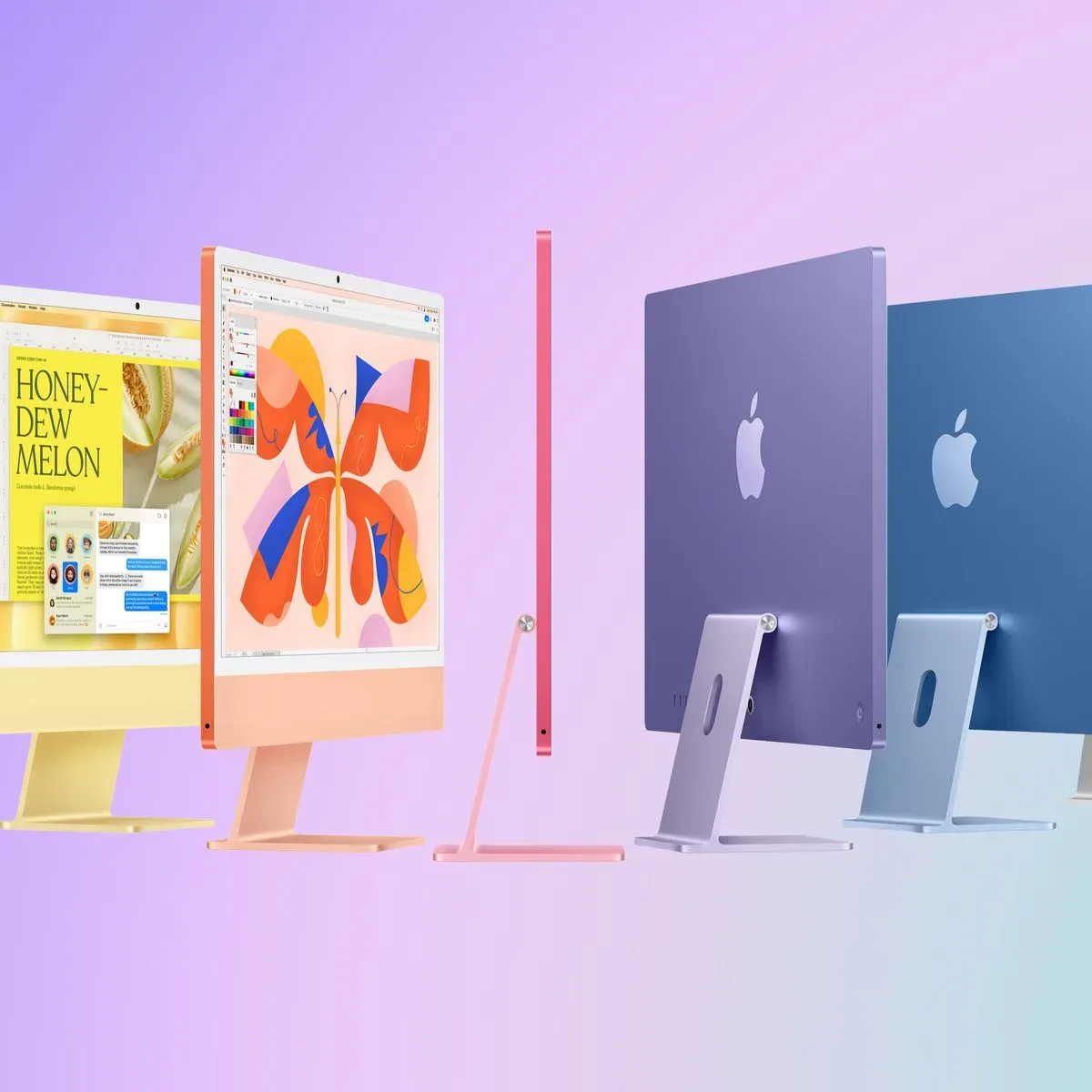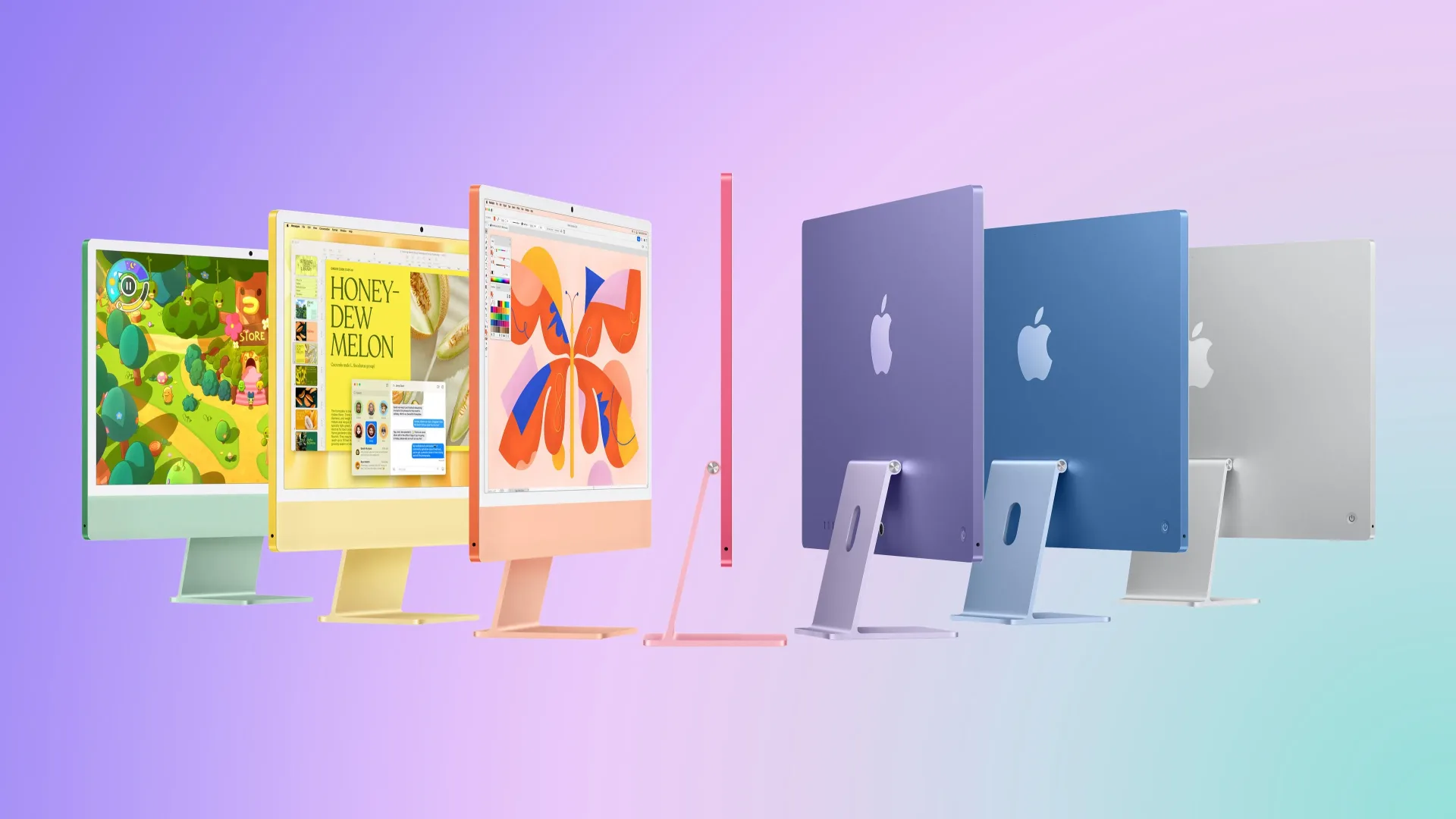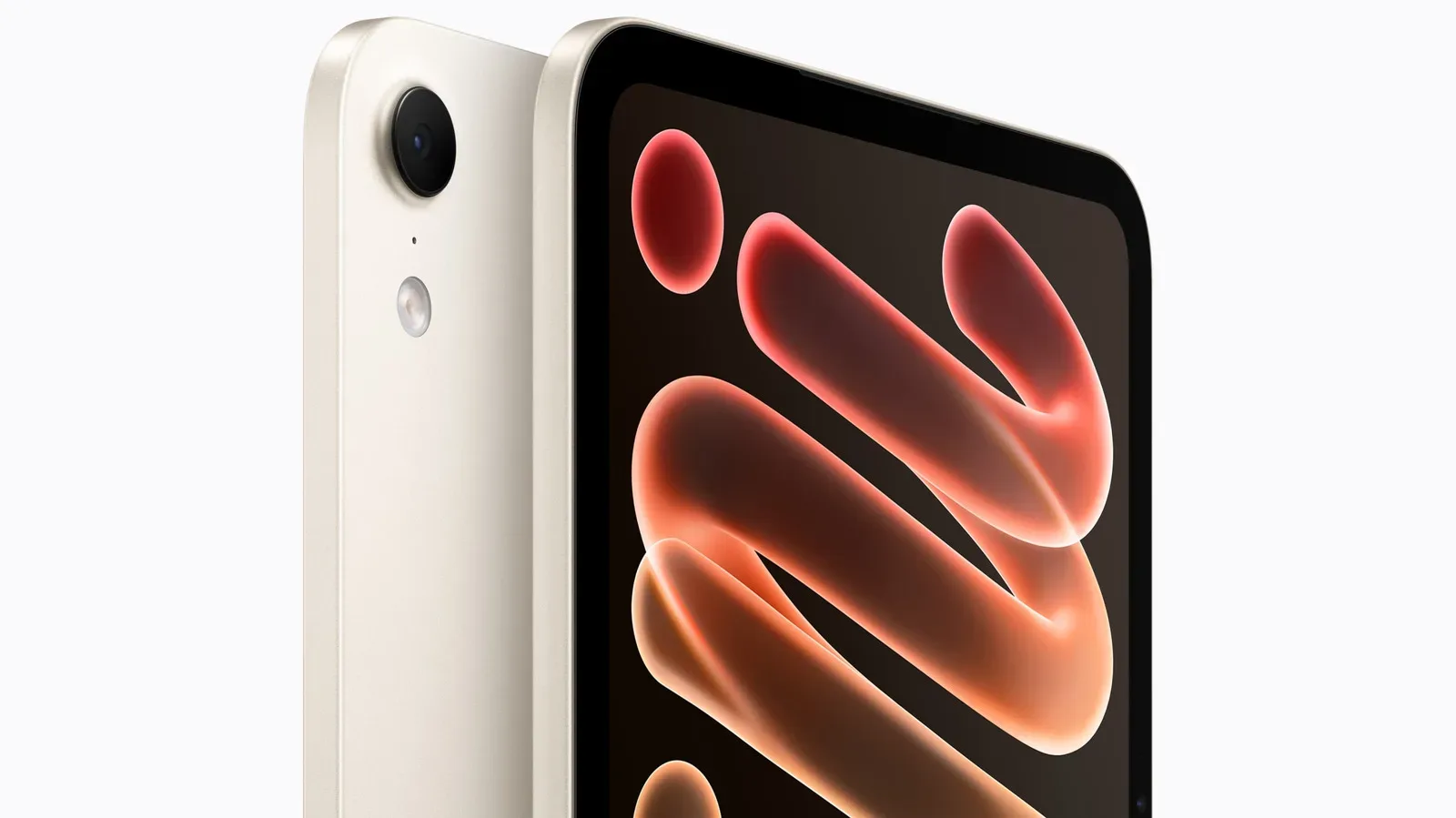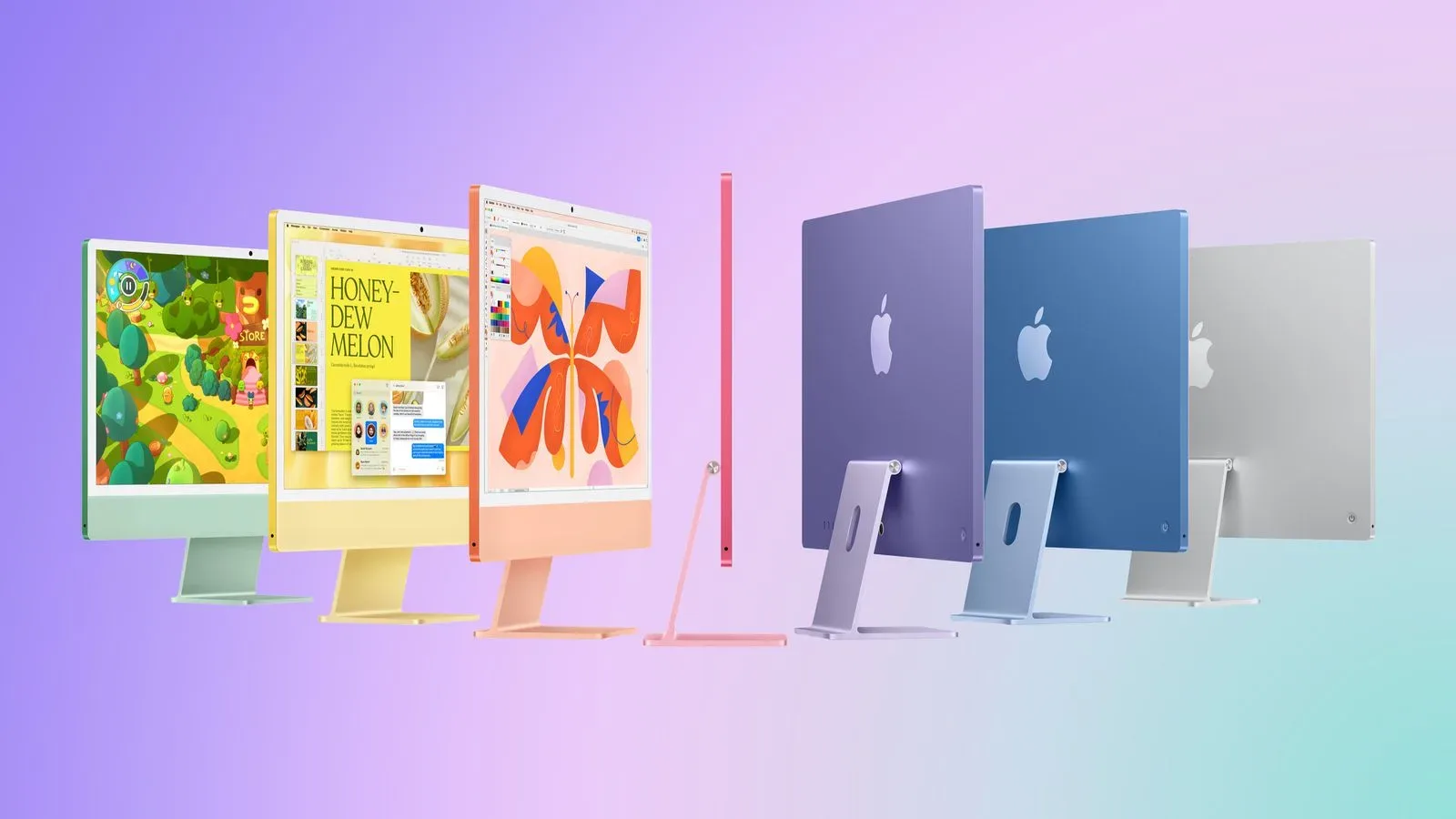
The M6 iMac is arriving with fresh silicon, faster storage and updated wireless hardware, but its exterior palette is taking the longest possible coffee break. Apple’s new all-in-one desktop will be offered in green, yellow, orange, pink, purple, blue and silver—the same seven-color lineup used by the 2024 version.
That means buyers waiting for a new shade have not missed a secret option hidden behind an especially confident click. There is no newly named finish in the supplied lineup, no unexpected return of a retired color and no reason to begin building an elaborate desk setup around a color that has not materialized. The seven choices trace back to the 2021 redesign, though Apple adjusted them in 2024 so the rear of the machine appeared more vivid. For the M6 refresh, those choices remain in place.
It is a notably conservative visual decision for a product whose color is unusually prominent. An iMac is not merely a computer chassis sitting below a monitor; the computer and display are one object, and the machine is intended to be seen. It also ships with color-matched accessories and cables. Choosing blue, pink or orange therefore affects more of the desktop than choosing a finish on a laptop that may spend much of its life inside a sleeve or connected to separate peripherals.
Seven shades, no eighth surprise
The available M6 iMac colors are:
- Green
- Yellow
- Orange
- Pink
- Purple
- Blue
- Silver
The absence of new options comes after an August report suggested that some new colors could arrive with this generation. That expectation has not been realized in the announced M6 selection. The useful practical takeaway is straightforward: prospective owners can evaluate the same broad palette that has been in circulation, rather than delaying a purchase in anticipation of a newly introduced finish.
Silver remains the most conventional selection on the list, while the other six choices make a more deliberate visual statement. That is analysis rather than a claim about performance or demand: color preference is personal, and the supplied information does not indicate which finish sells best. Still, the fact that Apple bundles matching accessories means the finish has a larger role in the overall look than a small accent on the rear panel.
The actual upgrade is inside
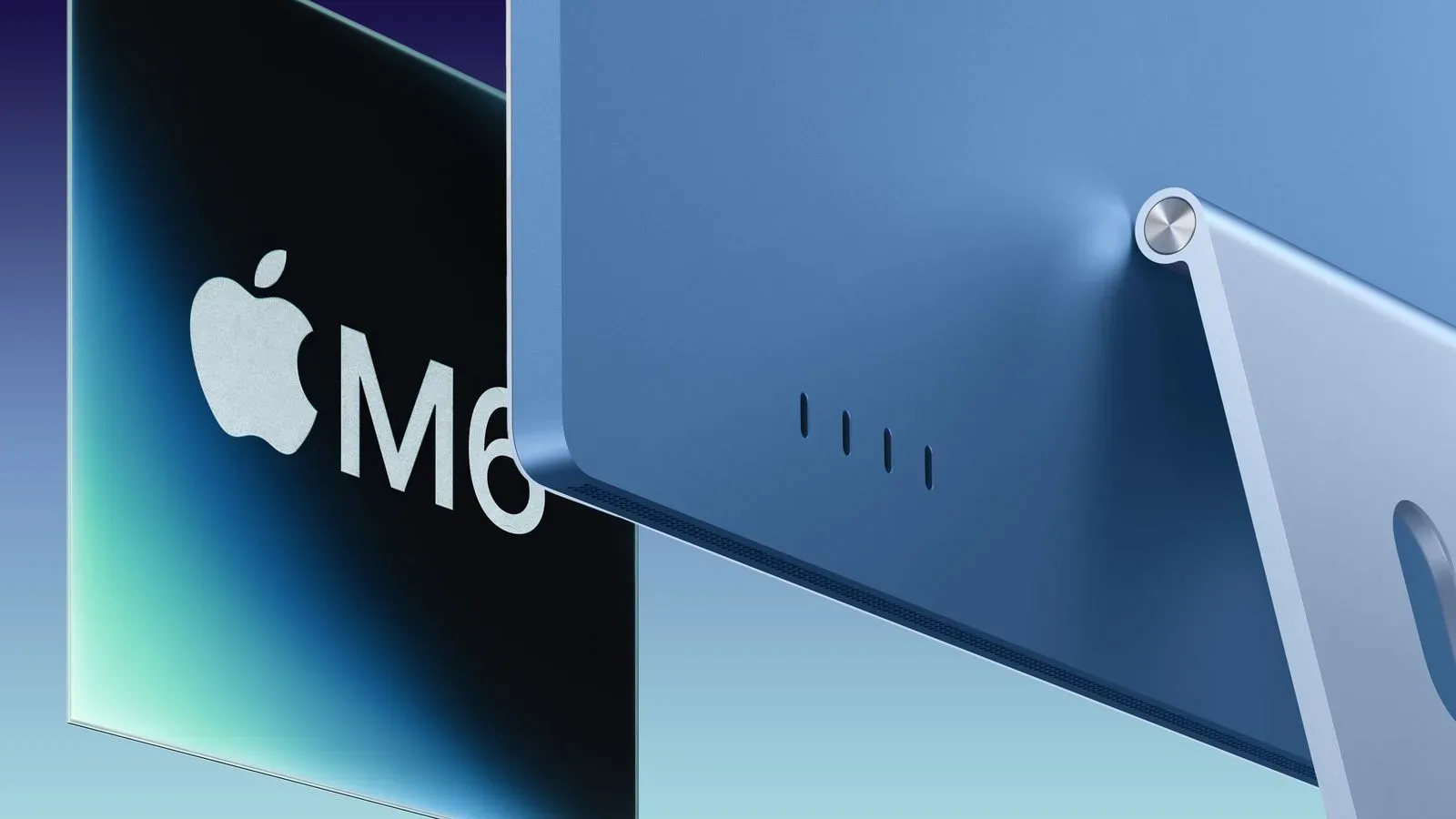
The M6 iMac’s headline changes are technical rather than cosmetic. It uses Apple’s M6 chip, which had previously been added to the Mac mini. The new iMac also includes a faster SSD and Apple’s N1 networking chip, bringing Wi-Fi 7 and Bluetooth 6 support.
SSD is short for solid-state drive: it is the internal storage used for files, applications and the operating system. The supplied details characterize the M6 iMac’s SSD as faster, but do not provide capacity options, benchmark figures or a comparison measurement. Buyers should therefore treat “faster SSD” as an upgrade claim without assuming a particular speed difference from the information available here.
Wi-Fi 7 and Bluetooth 6 are the named wireless standards included through the N1 networking chip. Their presence signals that connectivity is part of the M6 generation’s update package, alongside the processor and storage changes. The supplied specifications do not detail particular network performance results, router requirements or device compatibility, so those should not be inferred from the standard names alone.
The M6 chip is likewise the core generational change. Since the same chip had already reached the Mac mini, its iMac appearance extends that chip family into Apple’s all-in-one desktop. What it does not do is create a new physical iMac identity. The machine still presents the same established color language, just with a newer engine behind the display.
Why color is still a purchase decision here
Desktop hardware has a strange habit of pretending it does not live in a room. An iMac makes that pretense difficult. It is visible whenever the desk is visible, and the supplied color-matched cables and accessories make the selection feel closer to choosing a coordinated setup than merely picking a trim level on a specification sheet.
For someone replacing an older iMac, keeping the seven familiar colors may be a benefit. A buyer who already likes the existing green, purple or blue can stay with that look while moving to the M6 hardware. It may also make it easier to maintain a consistent workspace across refreshes. There is no need to rethink a chosen desk color scheme simply because the processor has changed.
For shoppers whose current iMac already uses one of those shades, however, the M6 model may look less visibly new from across the room. That is not a criticism of the internal upgrades. It is simply the trade-off inherent in retaining the external design language: improvements are concentrated in the components, while the desktop’s visual identity stays stable.
That distinction is worth making because the M6 iMac’s specification changes are meaningful in their own category, but they answer different questions from color. A faster SSD concerns storage responsiveness; updated networking concerns wireless capabilities; the M6 chip is the central platform change. None of those upgrades changes whether pink, orange or silver belongs in a particular workspace. Apple’s decision effectively separates the two: choose the existing color personality you prefer, then consider whether the updated internals justify an upgrade.
Pricing and release schedule
The M6 iMac starts at $1,499. Pre-orders begin October 28 at 10:10 a.m. Pacific Time, followed by a Friday, November 6 launch.
Those considering storage needs may recognize the broader concern from gaming hardware, where large installs can make capacity planning a serious part of the buying decision. The same instinct to check what will fit before buying carries over even if the products are entirely different; a reported 210GB GTA VI download is an especially loud reminder that digital storage is never just a boring line item.
For the iMac itself, though, the presently confirmed story is clean. The M6 model pairs a newer chip with a faster SSD and N1 networking hardware supporting Wi-Fi 7 and Bluetooth 6. Its starting price is $1,499, pre-orders begin October 28, and launch follows on November 6. On the aesthetic front, Apple is sticking with its established seven-color arrangement.
So the M6 iMac refresh is not a paintbox revolution. It is an internal update wearing a very familiar coat—and, importantly, matching accessories and cables. For buyers who wanted the established iMac look with newer components, that consistency is probably the point. For anyone holding out for a new hue, the rainbow has politely declined to expand this round.