Kane Parsons has said that three “dream projects” are currently in the works, a deliberately tantalizing detail that has immediately put Valve fans into theory mode. The director’s affection for Portal and Half-Life, a prior expression of interest in a Portal movie, and a reported visit to Valve’s offices all make the connection easy to understand. Still, the most important part of the story is also the least glamorous: no Valve project has been announced.
At this stage, there is a collection of suggestive signals rather than confirmation of a deal, a film, a script, a cast, a release date, or even a statement that either franchise is among Parsons’ three projects. That distinction matters, especially with properties as famously anticipated as Portal and Half-Life. Fans can reasonably be excited by the possibility without treating speculation as production news.
What Parsons actually disclosed
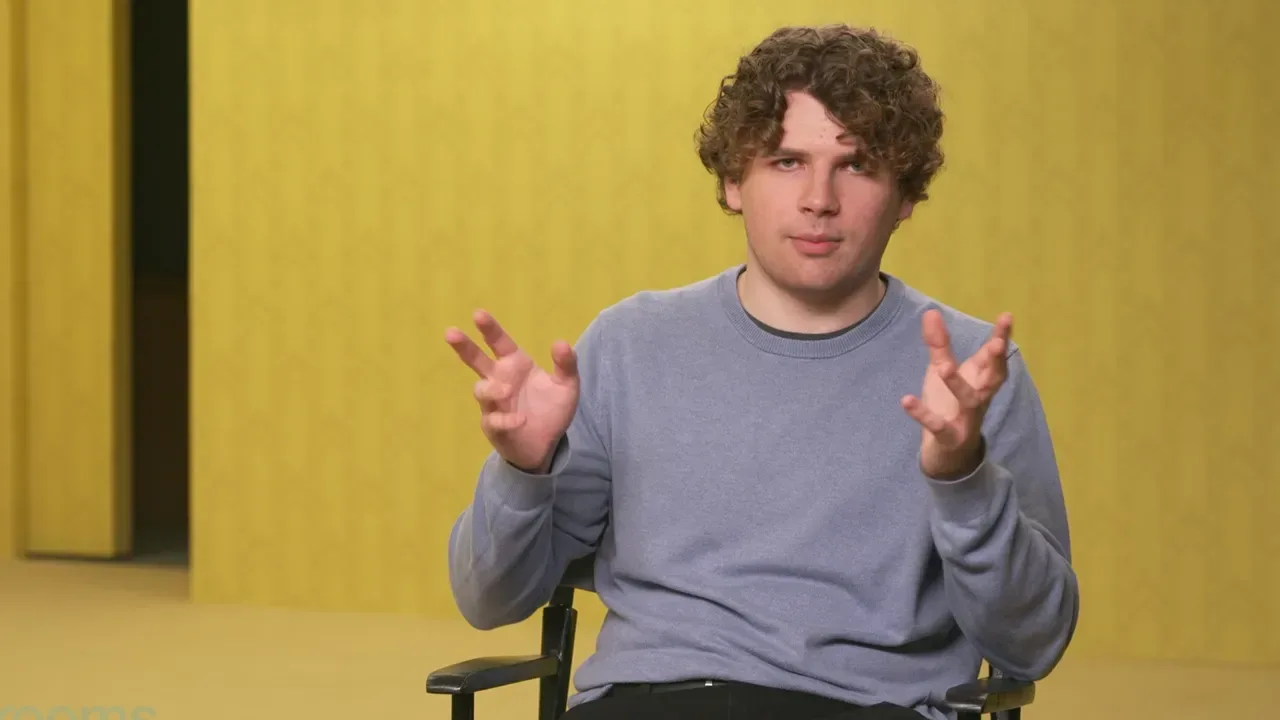
Parsons discussed having three “dream projects” underway during an appearance on The Kyle Buchanan Show. He reportedly described the projects as belonging to “powerful forces” and joked that revealing too much would bring “space lasers” down on him. The phrasing implies that at least some details are restricted, but it does not identify the companies, characters, formats, or franchises involved.
His clothing choice during the conversation—a Valve hoodie—helped intensify the reading that one of those projects could be Valve-related. So did his established enthusiasm for Valve’s games, particularly Portal and Half-Life. A fan wearing a company hoodie is not a contract, obviously. But in a situation where the filmmaker has previously signaled specific creative interest and has visited the company, it is understandable that the hoodie became part of the online evidence board.
That board should come with a large corkboard disclaimer: none of these details verifies a Portal film, a Half-Life film, a television project, or any other Valve adaptation. “Dream projects” can encompass many possibilities, and conversations with a rights holder do not necessarily become productions.
Why a Valve connection feels plausible
Parsons’ connection to this speculation is not being built from a single vague comment. Earlier in 2026, he made his feature-film debut with Backrooms, expanding the web horror series that brought him broad attention. Around that release, he expressed interest in making a Portal movie.
He subsequently visited Valve’s office. That is a meaningful fact in the context of a filmmaker publicly interested in adapting Valve material, but it is still not a disclosed development arrangement. Studio and developer visits can involve introductions, pitches, research, relationship-building, or discussions that do not lead anywhere. The productive way to read it is as evidence that a conversation may be possible—not evidence that a particular movie has cleared the many steps between interest and release.
Parsons’ work also explains why audiences see an aesthetic fit. Backrooms grew from internet horror built around unsettling, uncanny spaces. Portal is a very different kind of work in tone and gameplay, but its isolated test chambers, sterile institutional architecture, dark comic undercurrent, and mysterious scientific setting leave room for a filmmaker comfortable with eerie environments. Half-Life, meanwhile, has a more overt science-fiction action framework, but it likewise begins from a contained research facility situation that expands into something far stranger.
That is analysis of the creative overlap, not confirmation of intent. Being a potentially interesting fit for a property and being hired to adapt it are two very different achievements.
Portal is not simply a puzzle game on film
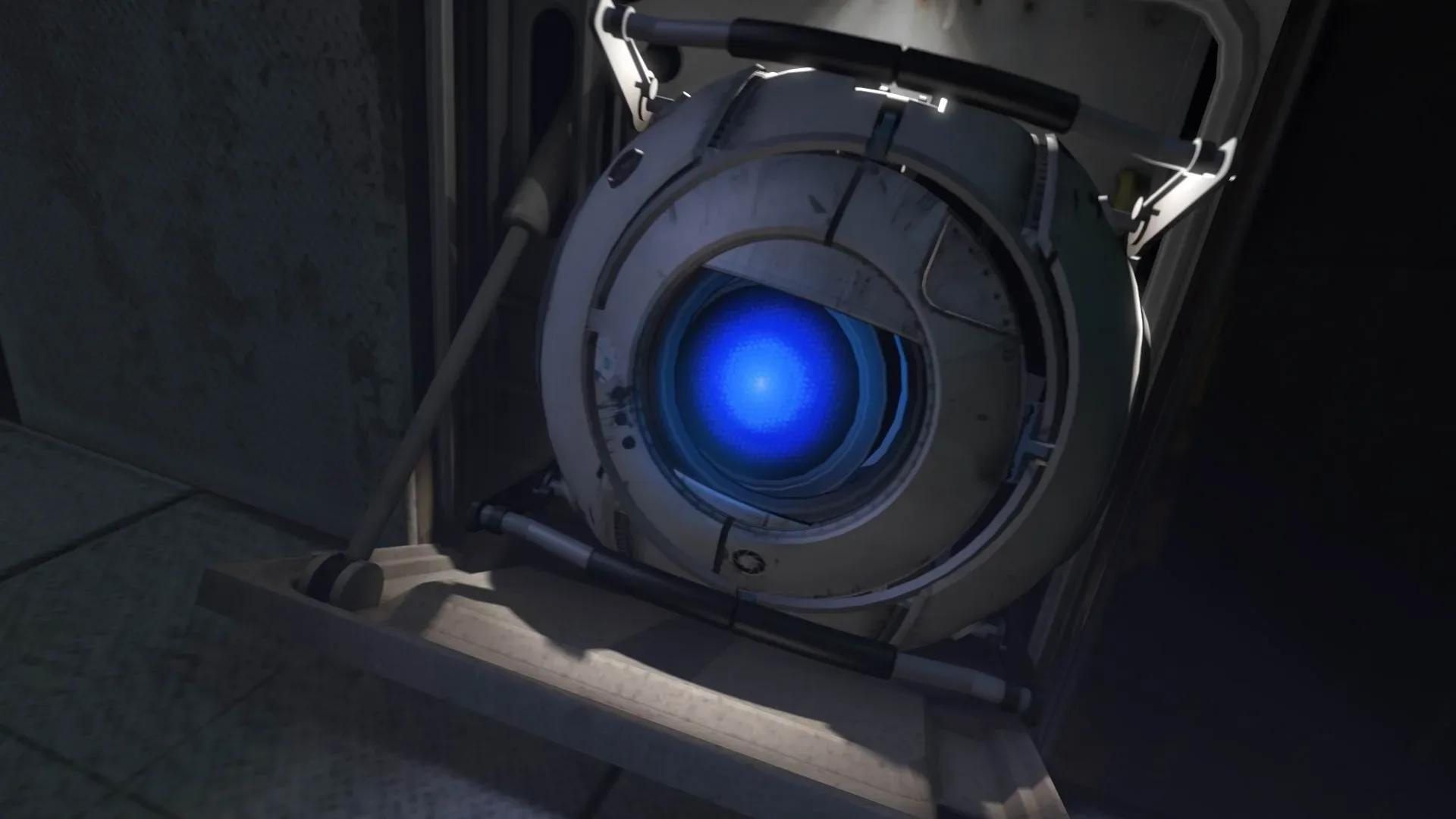
A screen adaptation of Portal would face an unusually specific challenge: the games’ identity is inseparable from player-controlled movement and problem solving. The central portal device creates linked openings between surfaces, enabling impossible routes through a facility. In interactive form, the audience understands its possibilities by experimenting with it. A film would have to make those spatial rules legible and exciting without turning every scene into a technical lecture.
That does not make the concept unfilmable. It does mean an adaptation would need a strong perspective on what the story is about when the player is no longer holding the controller. The setting offers a scientific facility, the antagonistic presence of GLaDOS, and a protagonist navigating a controlled experiment. But a successful film would need to translate the experience of discovery, isolation, tension, and absurd humor into cinematic terms rather than merely reproduce recognizable rooms and props.
The games’ restrained storytelling is another hurdle. Environmental storytelling—a term for narrative information conveyed through spaces, objects, design, and player observation rather than direct exposition—does much of the work in Portal. Film can absolutely use visual storytelling, but it has a different rhythm. An adaptation would have to decide what to clarify, what to leave mysterious, and whether to center a familiar character or build out material that the games intentionally keep sparse.
Those creative choices are exactly why a director’s relationship to the tone of the original matters more than surface-level fandom. Parsons’ stated affection for the franchise is encouraging to people who want a respectful adaptation, but affection alone does not reveal what version of Portal he would pursue—or whether he is pursuing it at all.
Half-Life carries a different kind of expectation
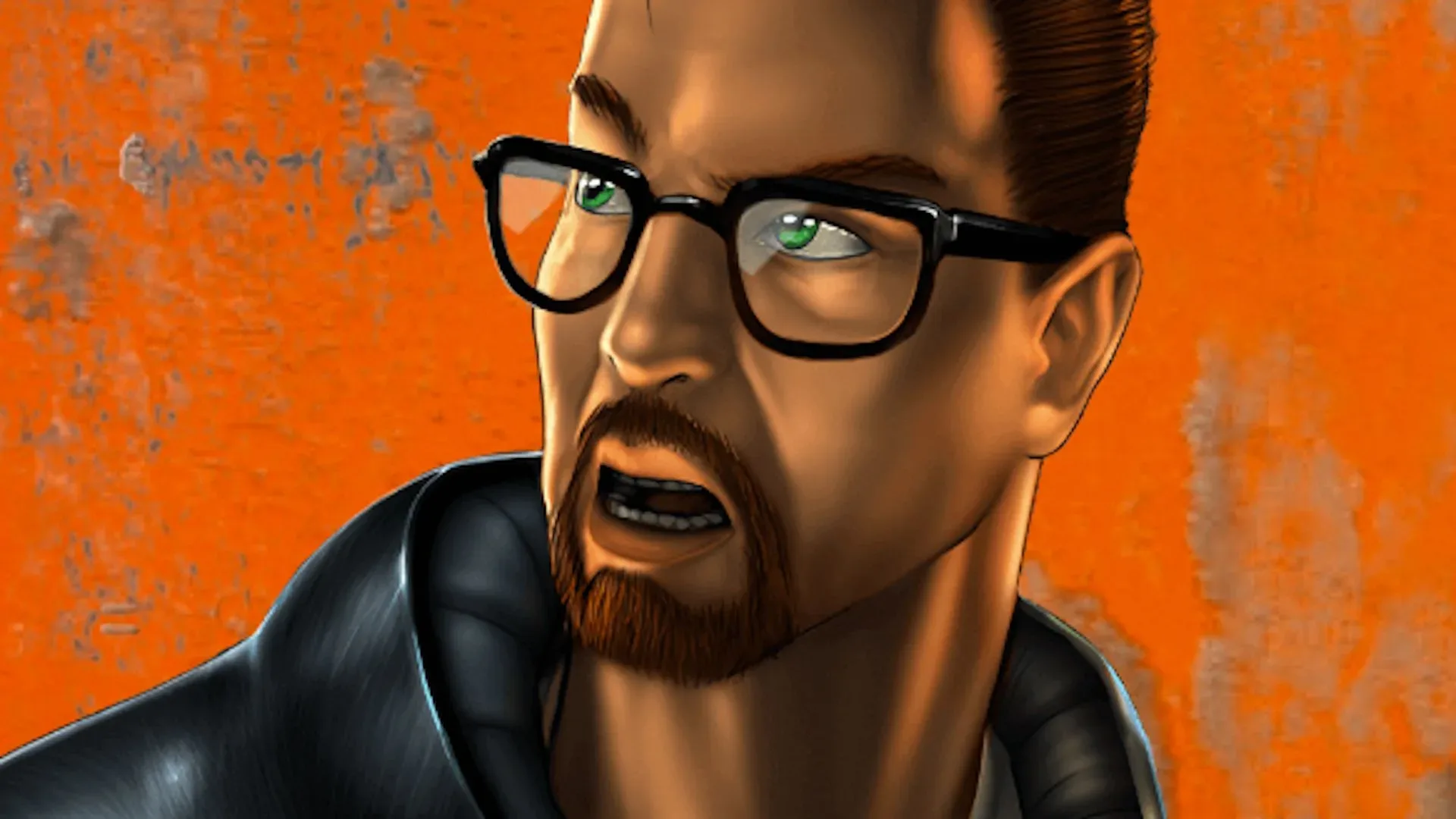
Half-Life speculation brings its own enormous expectations. The franchise is known for its immersive first-person perspective, scientific-disaster premise, alien threats, and a world that becomes much wider than the initial Black Mesa setting. Any adaptation would need to address a fundamental translation issue: the games create much of their impact by placing the player in Gordon Freeman’s path, often with minimal traditional cinematic distance.
On screen, that could become a survival-driven science-fiction story, an ensemble thriller, or something else entirely. But there is no announced Parsons take to evaluate, and the lack of specifics means arguments over casting, continuity, plot choices, or visual effects are premature. They are fan pitches, not details from a production.
There is also a practical distinction between adapting the premise of a game and adapting the exact narrative fans remember. A faithful adaptation can mean preserving themes, atmosphere, rules, and dramatic stakes rather than copying every sequence. Conversely, a project that uses familiar names and iconography without understanding why the original works can feel hollow. Valve’s properties carry enough cultural weight that any official adaptation would likely be judged on both fronts.
For a useful adjacent example of how game horror is being discussed in screen-language terms, the design conversation around Alien: Isolation 2’s Xenomorph and its expanded hunting spaces shows how setting mechanics can shape tension. The lesson is not that a Valve film should imitate that game. It is that interactive spaces are often part of a game’s storytelling grammar, and an adaptation has to find an equivalent grammar for viewers.
Previous Portal and Half-Life film talk is a reminder to stay cautious
The current interest is not the first time fans have heard that Valve properties might move toward the big screen. J.J. Abrams had previously been associated with efforts to develop Half-Life and Portal films. In 2021, Abrams said that Portal was still in development and that a script was actively being worked on. No subsequent progress has been publicly detailed in the information available here.
This is useful context because it demonstrates the distance between a project being discussed, developed, or scripted and a project actually reaching viewers. “Development” is a broad entertainment-industry term. It can include writing, rights conversations, creative meetings, planning, packaging talent, or other pre-production work. It does not guarantee a green light. A green light, in turn, is a formal commitment to proceed, usually involving financing and production approval; no such status has been identified for a Parsons-led Valve project.
It remains possible that Abrams could become involved in some capacity if a new Portal effort materialized, or that Parsons could work with a separate team. Both ideas are possibilities rather than reported arrangements. With no current confirmation, the earlier history should lower certainty, not dampen all interest.
What would count as real confirmation
Fans waiting for this to move beyond theory should look for direct, attributable information from the parties involved. Confirmation would be a clear statement naming the property and Parsons’ role, whether as director, writer, producer, or another creative position. A project announcement might also identify a studio or production partner and clarify whether the work is a feature film, series, or another format.
Until that happens, several claims should be avoided:
- That Parsons is definitely making a Portal movie.
- That one of the three projects is definitely Half-Life.
- That his Valve visit proves active production.
- That the older Abrams development effort has been revived or replaced.
- That any release window, cast, plot, or creative team exists.
The more measured reading is also the more interesting one. Parsons has emerged from web horror into feature filmmaking, has openly praised Valve’s work, has expressed interest in Portal, and has visited Valve. He now says he has three major passion projects that he cannot fully describe. That combination creates a credible reason to watch for news. It does not yet tell audiences what the news will be.
For now, Valve fans have a compelling possibility rather than a confirmed adaptation. If one of Parsons’ projects does turn out to involve Portal or Half-Life, the eventual announcement will have to answer the questions the current clues cannot: which universe is being adapted, what medium it will use, who is making it, and how it plans to translate games defined by player presence into a non-interactive story.