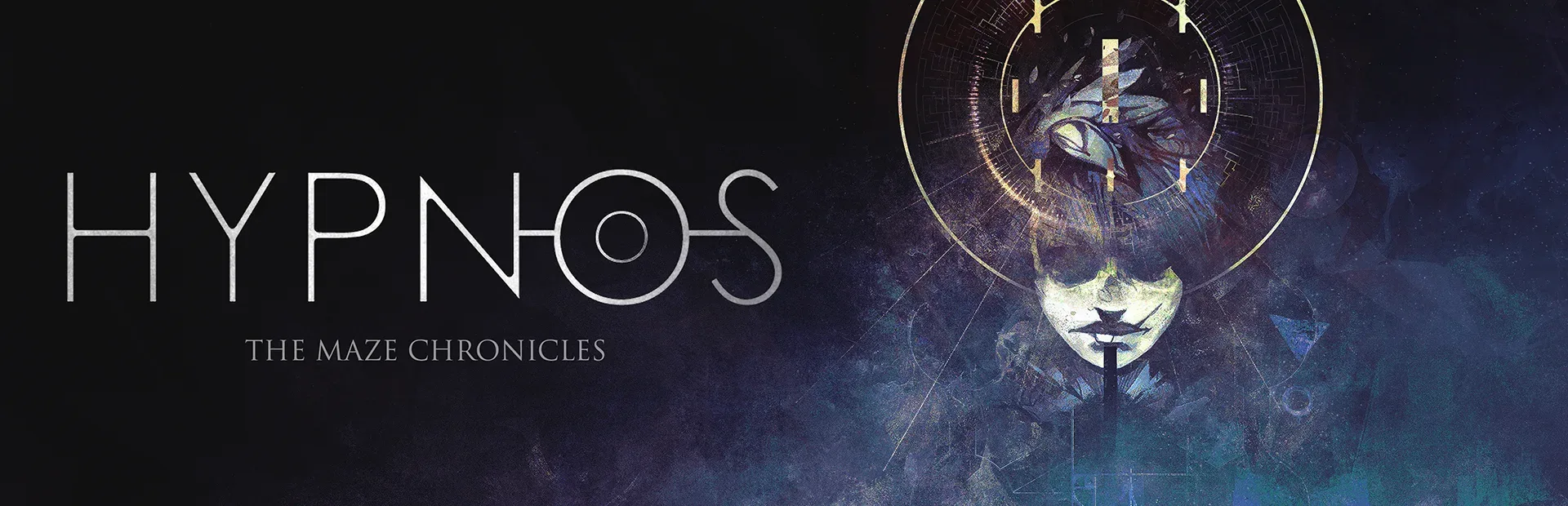
Hypnos is set to leave Steam Early Access and launch in version 1.0 on October 29, following five months of player-facing development. The full release brings together all seven chapters of the surreal adventure and expands its story with additional locations, more characters and four alternate endings.
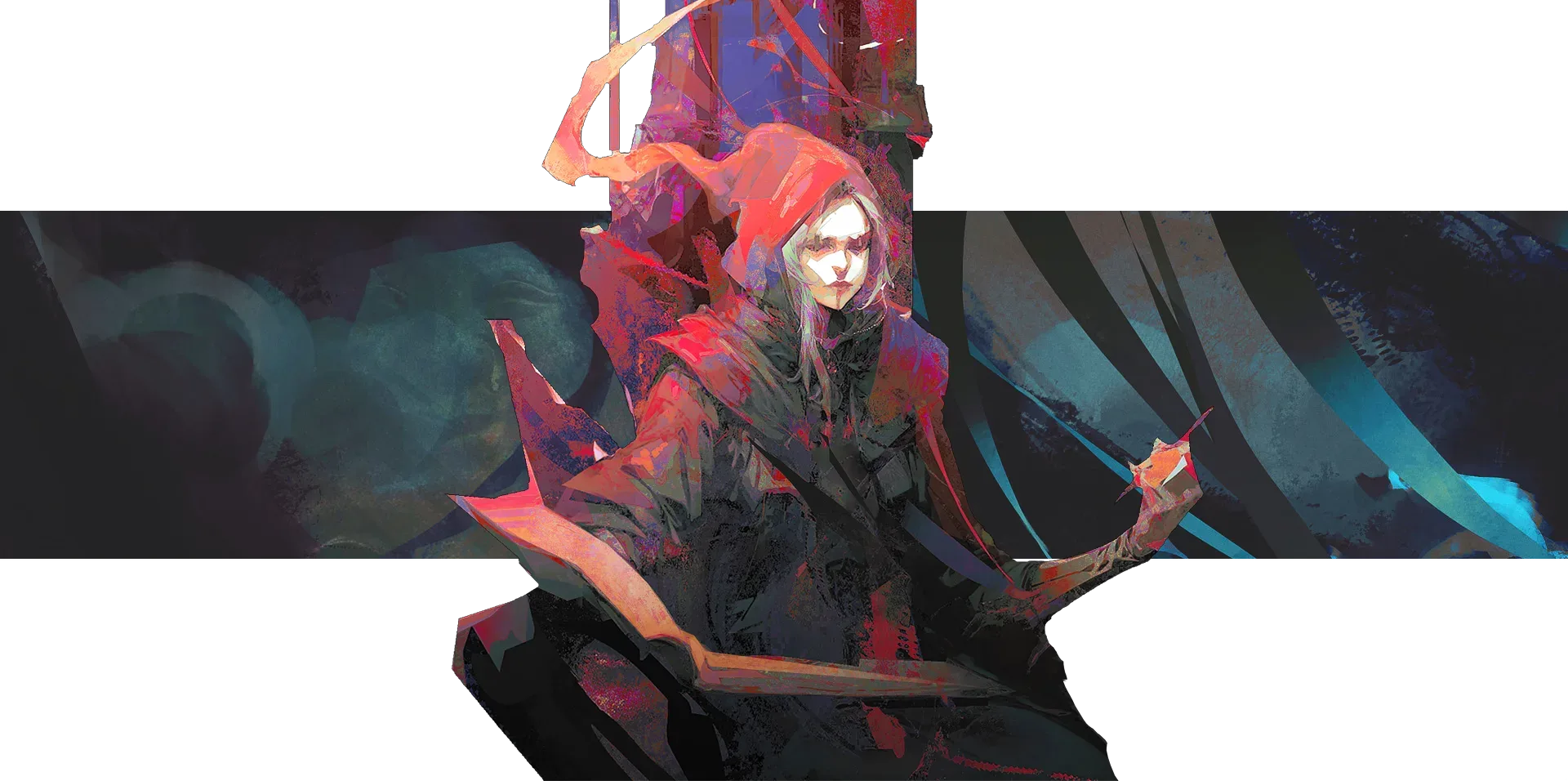
The game places players in the Nameless City, pursuing a mysterious boy who has been appearing in the protagonist’s dreams. That search leads through a setting populated by dreamers, spirits and other otherworldly figures—an appropriately slippery cast for a game whose central premise already makes the boundary between waking life and dreams uncertain.
For anyone who held off during Early Access, the 1.0 update matters because it represents a complete narrative package rather than another incremental stop along the road. The game’s chapter count is now fixed at seven, while its ending structure makes clear that how players move through its strange city can affect where the journey ultimately lands.
What Hypnos 1.0 adds
The version 1.0 release includes the complete seven-chapter campaign, further areas to explore, new characters to encounter and unspecified additional surprises. Its most consequential addition is the set of four alternate endings.
Those endings are determined by player actions—or by inaction. That wording is worth underlining. In many games, branching endings are associated with obvious dialogue decisions or major plot choices. Hypnos signals a broader possibility: choosing not to intervene may be as narratively meaningful as choosing to do something. Exactly which decisions matter, and how they are communicated to the player, has not been detailed.
That leaves an intriguing practical implication for players who enjoy uncovering every narrative route. A single playthrough may not show the full shape of the story, and experimentation could be needed to see the other conclusions. At the same time, there is no stated requirement to chase every ending. Players can simply follow their instincts through the Nameless City and allow that version of the journey to stand on its own.
What “version 1.0” means here
Version 1.0 generally denotes the point at which a game leaves Early Access and is presented as a full release. It does not mean a title can never receive updates afterward; rather, it marks the completion of the planned core release. In Hypnos’ case, that core now consists of seven chapters and a four-ending structure, alongside the expanded exploration and character content identified for the update.
The game arrives at that milestone after five months in Steam Early Access, a period that generated very positive player feedback. The announcement does not break down that feedback or specify individual changes prompted by it, so it would be premature to attribute particular 1.0 features to particular player requests. What is clear is that the game is moving from an in-progress release model to its completed 1.0 form.
Early Access can be useful for games with a strong exploratory or narrative identity because it lets a developer observe how an audience approaches a work while development continues. But a full launch changes the proposition for players: the intended arc, the total chapter count and the endings are all now in place. For people who prefer to begin only when a story is complete, October 29 is the date to watch.
A dream-bound search through the Nameless City
Hypnos’ premise is built around pursuit, but it is not framed as a straightforward missing-person mystery. The boy at the center of the search haunts the protagonist’s dreams, and the city itself is called the Nameless City. Together, those details establish a setting where certainty is likely in short supply and where interpretation may be part of the experience.
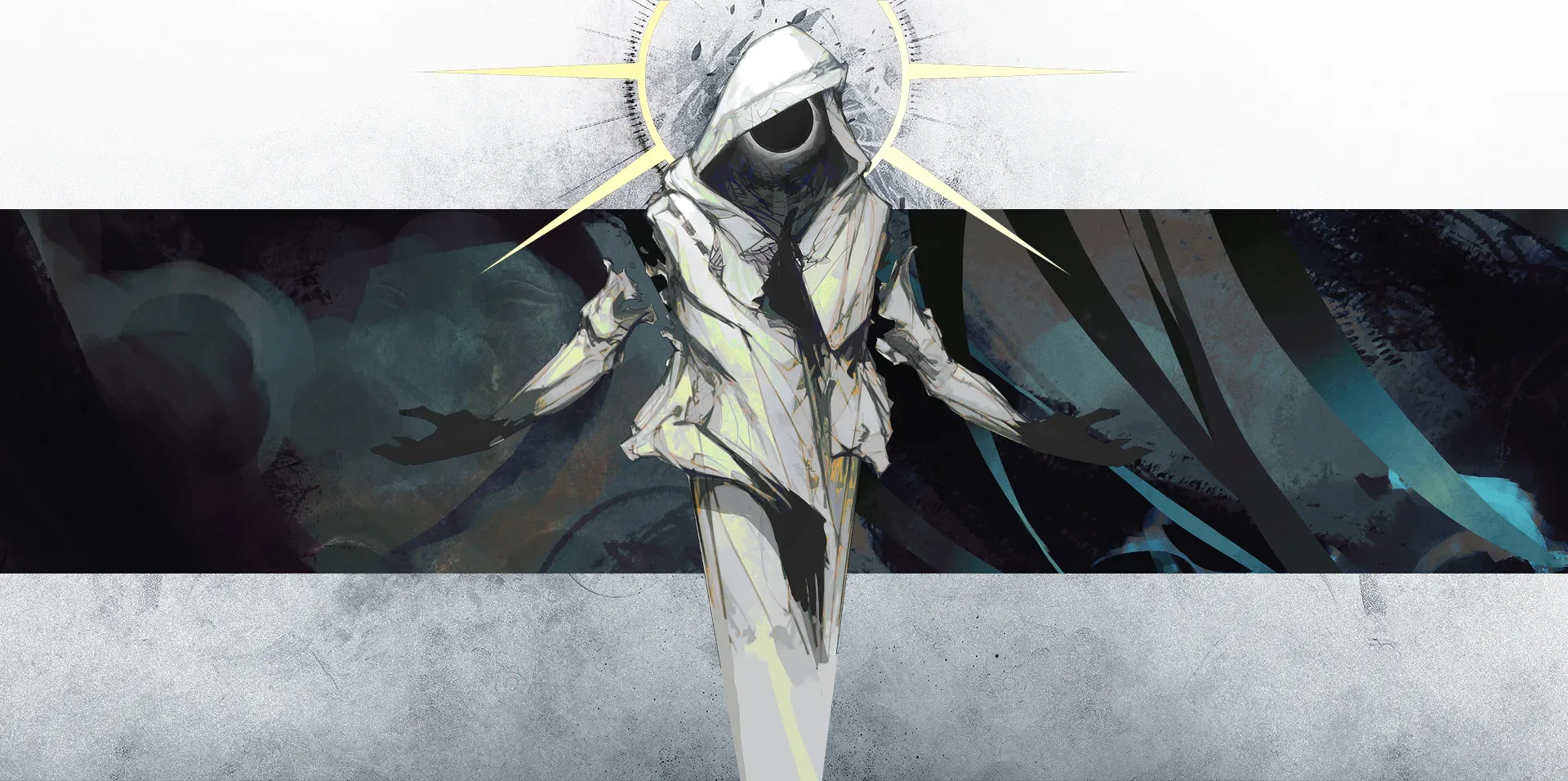
The people and entities encountered along the way reinforce that atmosphere. Dreamers suggest characters with their own ties to sleep, memory or imagination; spirits place the story closer to the supernatural; and otherworldly creatures widen the game’s scope beyond ordinary urban exploration. The supplied details do not define the game’s mechanics or explain how these inhabitants affect the plot, but they do establish that the city is more than a backdrop. It is a space occupied by peculiar presences, each potentially connected to the central mystery.
“Exploration” is also a key word in the 1.0 outline. More areas mean more of the Nameless City is available in the finished release, although the size, layout and specific activities of those spaces have not been specified. Players should therefore avoid assuming a particular map scale or gameplay format. The confirmed point is simpler: the full game broadens the places that can be visited during the search.
Part of the Maze Chronicles universe
Hypnos is set in the Maze Chronicles universe from Redlock Studio. It follows the studio’s prior game, Blackshard, placing the new release within an existing fictional setting rather than presenting it as an entirely disconnected project.
Shared-universe framing can mean many things, from recurring ideas and locations to more direct story connections. No specific links between Hypnos and Blackshard have been outlined here, so newcomers should not assume that familiarity with the earlier title is required. Still, the Maze Chronicles label gives returning players a useful piece of context: Hypnos belongs to a larger creative world associated with Redlock Studio.
That continuity may be especially appealing to players drawn to cohesive fictional settings, where a new game can add another angle on the same broader mythology. For prospective players, though, the immediate hook remains Hypnos’ own story: a dream-haunted boy, a nameless city and a route to one of four conclusions.
ALT236 provides the soundtrack
The music for Hypnos is by ALT236, with a soundtrack described as a blend of ambient, retro and dreamlike electronic music. That combination fits the game’s stated themes closely. Ambient music can prioritize texture and mood over a pronounced rhythmic drive; retro electronic elements can evoke older synth-based sounds; and the dreamlike description points to an atmosphere designed to feel hazy, uncanny or detached from ordinary reality.
Soundtracks are often central to exploratory games because music helps establish how a place feels even when little is being said outright. Here, the musical direction complements the Nameless City’s supernatural population and sleep-bound premise. Specific tracks, interactive music systems and soundtrack release plans have not been announced, but the creative identity of the score is clear enough to be a notable part of the package.
Platform plans and the new trailer
Hypnos is leaving Steam Early Access on October 29. Redlock Studio also plans to bring the game to PlayStation 5 and Xbox Series X|S later in 2026. A specific console date has not been provided, so console players will need to wait for further timing details.
The staggered plan places the completed Steam release first, with current-generation PlayStation and Xbox versions following later. It also means that the version 1.0 announcement is relevant beyond the existing Steam audience: it identifies the complete form of the game that is intended to make its way to consoles.
A 1.0 release-date announcement trailer is available on YouTube, offering a visual introduction to the game’s atmosphere ahead of launch. The transition out of Early Access also arrives amid a busy period for PC releases, including other projects that are still actively changing their development status, such as Gray Zone Warfare’s move to alpha with its Rogue Ops update.
For Hypnos, though, October 29 is not framed as another experimental phase. It is the point at which its seven chapters, expanded Nameless City and quartet of choice-sensitive endings come together as version 1.0.